Bathroom Repair Prep Checklist Before the Handyman Visit
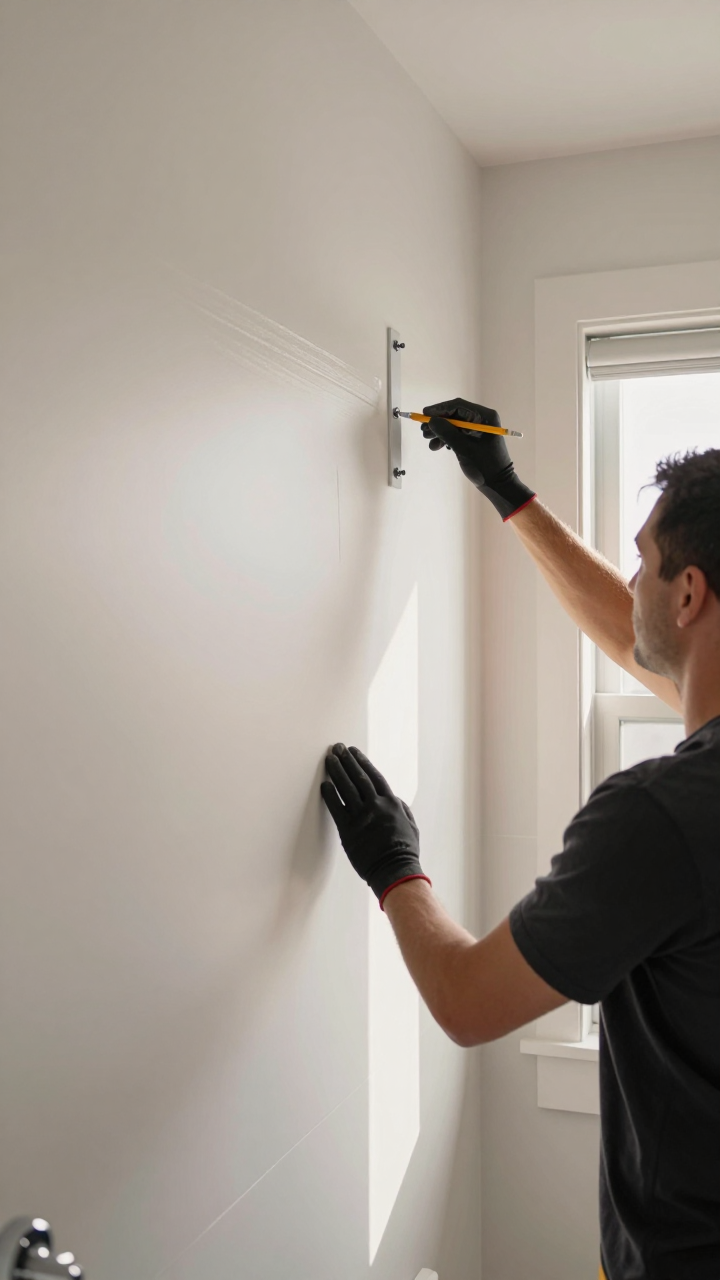
A good bathroom repair prep checklist comes down to four things: clear the space, take clear photos of the problem, know where your water shutoffs are, and write down what you've noticed. Do these before the handyman arrives and the visit stays focused on fixing, not searching, moving, and guessing.
Here is how to get your Los Angeles bathroom ready, step by step.
Start with a clear, clean work zone
Handymen work close to the fixture: under the sink, behind the toilet, inside a tub surround. Every item you move out ahead of time is one less thing to protect or work around.
Clear these first:
- Everything on the vanity top and inside the cabinet under the sink
- Towels, bath mats, and shower curtains
- Toiletries from shower shelves and tub edges
- Trash cans, scales, and hampers
- Décor on walls or shelves near the repair area
Wipe down the area if you can. A quick wipe of the vanity or tub edge makes it easier to spot cracks, rust, or mineral buildup that dirt might hide.
If the repair is on a wall or ceiling, clear a path of about three feet around it. Floors get slippery with a little water and dust, so a clear path is also a safer one.
Document the problem before anyone arrives
Photos are the most useful thing you can prepare. They help you describe the issue accurately, and they give you a record of the condition before work starts.
Take photos of:
- The problem up close (the drip, crack, stain, or loose fixture)
- The surrounding area, so the location is clear
- Any labels on the fixture, such as brand and model on a faucet, toilet tank, or exhaust fan
- The cabinet interior and the pipes beneath, if plumbing is involved
A short video helps with intermittent issues. Record a toilet that keeps running, a faucet that sputters, or a fan that rattles, so the problem shows up even if it doesn't act up during the visit.
Not sure what the job involves? You can send a photo for a written quote and describe what you're seeing.
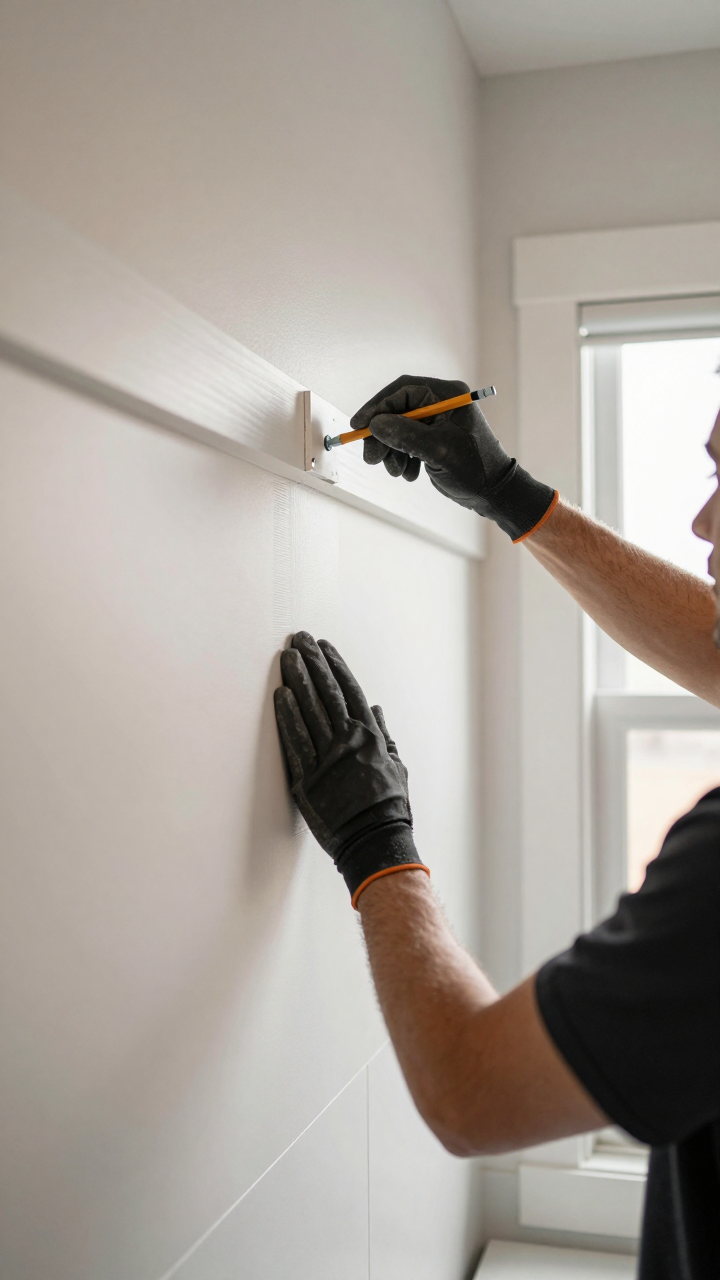
A clear photo of the pipes under the vanity saves time for everyone.
Know your shutoffs and test them
Most bathroom plumbing repairs begin with turning off water. If you know where the valves are, and they actually turn, that step takes seconds.
Locate and check:
- Fixture shutoffs: small oval or round handles under the sink and behind the toilet
- Main shutoff: usually near the street side of the home, at the water meter, or where the line enters the house
- Water heater valve: helpful if the repair involves hot water lines
Turn each fixture valve gently. Old valves can stick, weep, or break when forced. If one won't budge or leaks when you touch it, don't wrestle with it. Tell the handyman so the plan can account for it.
One gentle check is enough. Turning a valve on and off repeatedly can wear it out.
Write down what you've noticed
Details you've seen over days or weeks often point to the real cause. Jot them down in a note on your phone.
Useful details:
- When the problem happens (after showers, after flushing, only with hot water)
- How long it has been going on
- Any sounds: gurgling, hissing, knocking
- Smells, especially musty or sewer-like
- Past repairs or patches in the same spot
- Soft spots, peeling paint, or discolored caulk nearby
The EPA's mold guidance centers on moisture control, so mention any damp areas, even small ones. Persistent moisture can mean a leak is hiding somewhere you can't see.
The EPA's WaterSense program also encourages checking for leaks around the home. A common toilet check: add a few drops of food coloring to the tank and wait without flushing. If color appears in the bowl, the flapper may be leaking.
Match the prep to the type of repair
Different jobs need different preparation. This table covers common bathroom repairs.
| Repair type | What to prepare | What to tell the handyman |
|---|---|---|
| Leaky faucet or supply line | Empty the under-sink cabinet, locate shutoff | Drip location, hot or cold side |
| Running or weak toilet | Clear floor around base, photo of tank | Symptoms, when it started |
| Caulk and grout work | Remove items from tub or shower, let surface dry | Any mildew, loose tile, soft spots |
| Exhaust fan or lighting | Clear the floor, note ceiling height | Noise, weak airflow, flicker |
| Vanity, mirror, or accessory install | Remove old items if able, clear wall | Wall type, where you want items placed |
| Tile cracks or loose tile | Photograph, keep spare tile if you have it | Whether the floor feels soft or bouncy |
Spare tile, paint, and fixture boxes from past work are worth digging out. Matching an existing finish is much easier with the original in hand.
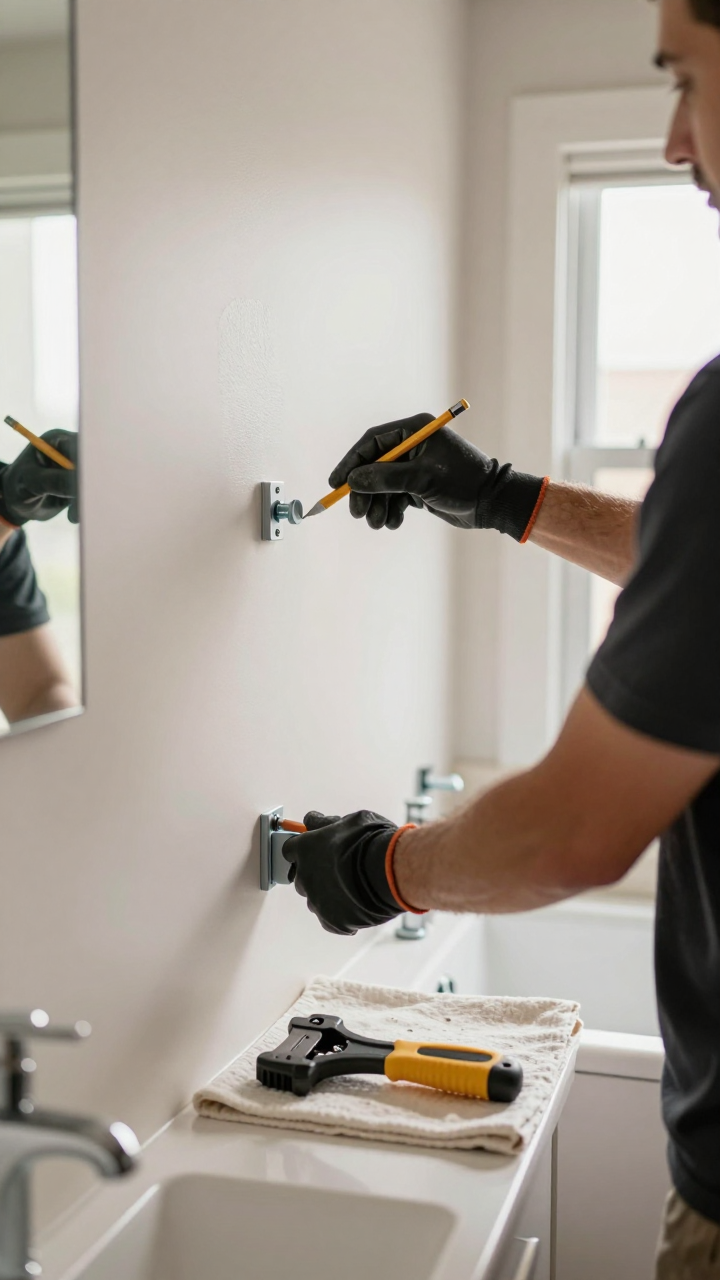
Painter's tape marks trouble spots so nothing gets missed.
Prepare your home and household
A few small steps make the visit calmer, especially in a busy household.
Before the visit:
- Make sure an adult can be home to approve work and answer questions
- Move pets to another room, since open doors and tools don't mix with curious animals
- Clear a path from the entry to the bathroom
- Set aside a nearby spot for tools and materials
- Plan for limited bathroom use, and know where the other restroom is
- Check building rules if you live in a condo or apartment, since some require notice for water shutoffs or contractor entry
- Confirm parking, a real concern in many Los Angeles neighborhoods
Mark trouble spots with painter's tape so nothing gets overlooked. If there are multiple issues, write a short label on each piece of tape, such as "drip" or "loose."
If you have a list of several small fixes, group them together. A handyman can often handle caulk, a loose towel bar, a sticking door, and a slow drain in one visit, which is more efficient than separate calls.
When to call a pro
Many small bathroom jobs are reasonable DIY projects: replacing a showerhead, swapping a toilet seat, re-caulking a tub, or tightening a loose handle. The EPA WaterSense site has helpful guidance on fixtures like these.
Call a professional when:
- Water is leaking inside a wall, ceiling, or under the floor
- The subfloor feels soft or spongy around the toilet or tub
- You see widespread mold or a persistent musty odor
- A shutoff valve won't close or leaks when touched
- The work involves moving plumbing lines, adding circuits, or changing the layout
- You're unsure what's causing the problem
Some work also falls under permit rules or requires a specialty trade. The Los Angeles Department of Building and Safety explains what needs a permit, and the California Contractors State License Board offers guidance on hiring for larger projects. A good handyman will tell you plainly when a job is outside their scope and needs another trade.
You can read more about what we handle on our bathroom service page.
FAQ
How long before the visit should I start preparing?
Start a day or two ahead. That gives you time to take photos, clear the area, and find shutoff valves without rushing.
Do I need to turn the water off before the handyman arrives?
Usually not. Just know where the valves are and make sure they're accessible. Let the handyman handle the shutoff so the work happens in the right order.
Should I buy replacement parts myself?
Ask first. Fixtures come in many sizes and finishes, and the wrong part can cause delays. Photos of model labels help your handyman bring the right match.
What if I can't find the source of a leak?
Don't worry about pinpointing it. Dry the area, take photos, and note when the water appears. Placing a dry paper towel under pipes overnight can reveal a slow drip.
Can I stay home during the repair?
Yes, and it helps. Being available lets you approve decisions, answer questions, and look over the finished work before the visit ends.
Sources
- EPA: A Brief Guide to Mold, Moisture, and Your Home
- EPA WaterSense: Fix a Leak Week
- LADBS: Permits and Inspections
- CSLB: Hire a Contractor
Safety note: work on electrical panels, gas, structure or anything that needs a permit should be done by a licensed contractor with the required permits.
STATOX Handyman Service · Send a photo · +1 (820) 200-4919