Common Window Problems and Fixes for Los Angeles Homes

The most common window problems in Los Angeles homes are sticking or hard-to-open sashes, drafts from worn weatherstripping, fogged double-pane glass, rotted or cracked frames, and broken locks or balances. Many are fixable with basic tools and an hour of patient work. Others, like failed glass seals or rot that has reached the framing, are better handled by a pro.
Below is how to spot each problem, what usually causes it in our climate, and what to do about it.
Why Los Angeles Windows Wear Out Differently
Our weather is mild, but it is hard on windows in its own way. Long stretches of strong sun break down paint, caulk, vinyl, and rubber seals. Dry heat makes wood shrink, then seasonal moisture swells it again. Coastal neighborhoods add salt air that corrodes hardware and aluminum tracks.
Older homes bring their own issues. Many LA houses and apartments still have original wood double-hung windows, steel casements, or early aluminum sliders. Layers of paint, settled framing, and decades of dust all show up at the window first.
Small earthquakes and everyday settling can also nudge a frame slightly out of square. That is often why a window that worked for years suddenly binds.
Sticking, Jammed, or Hard-to-Open Windows
This is the problem we hear about most. The cause depends on the window type.
Wood double-hung: Paint is usually the culprit. Paint bridges the gap between the sash and the stop, gluing the window shut.
Aluminum or vinyl sliders: Dirt and debris build up in the track, and worn rollers make the sash drag.
Casements: Loose or dirty crank hardware, or a hinge that has dropped slightly.
Steps to free a painted-shut window
- Run a utility knife along the seam where the sash meets the stop, inside and out.
- Tap a putty knife gently into the seam and work it around the full perimeter.
- Use a block of wood and a hammer to tap the sash loose from the inside, a little at a time.
- Once it moves, sand any rough paint edges.
- Rub a dry silicone lubricant or paraffin wax on the channels. Avoid oily sprays on wood, which can attract dust.
Steps to fix a sticky slider
- Vacuum the track, then scrub it with a stiff brush and a little dish soap.
- Lift the sash out of the track if it is designed to come out.
- Check the rollers for flat spots or damage.
- Apply dry silicone to the track and reinstall.
If the rollers are cracked or missing, replacement rollers are often available if you match the make and model, or a pro can source them.
Drafts, Noise, and Worn Weatherstripping
A window that rattles or whistles is letting air, dust, and street noise in. In LA that also means more fine dust and pollen on your sills, and a harder-working air conditioner on hot days.
Do a quick check: close the window, lock it, and hold your hand near the edges on a breezy day. You can also close the window on a strip of paper. If it slides out with no resistance, the seal is weak.
Common fixes:
- Replace weatherstripping. Peel off the old material, clean the surface, and apply new foam, felt, or bulb-style strip that fits the gap.
- Re-caulk the exterior. Remove cracked caulk and apply a fresh bead of exterior-grade sealant around the trim.
- Adjust the lock. A sash that doesn't pull tight against the frame often needs the keeper repositioned.
For more on efficiency rules that apply to replacements, the California Energy Commission publishes its building energy efficiency standards (see Sources).
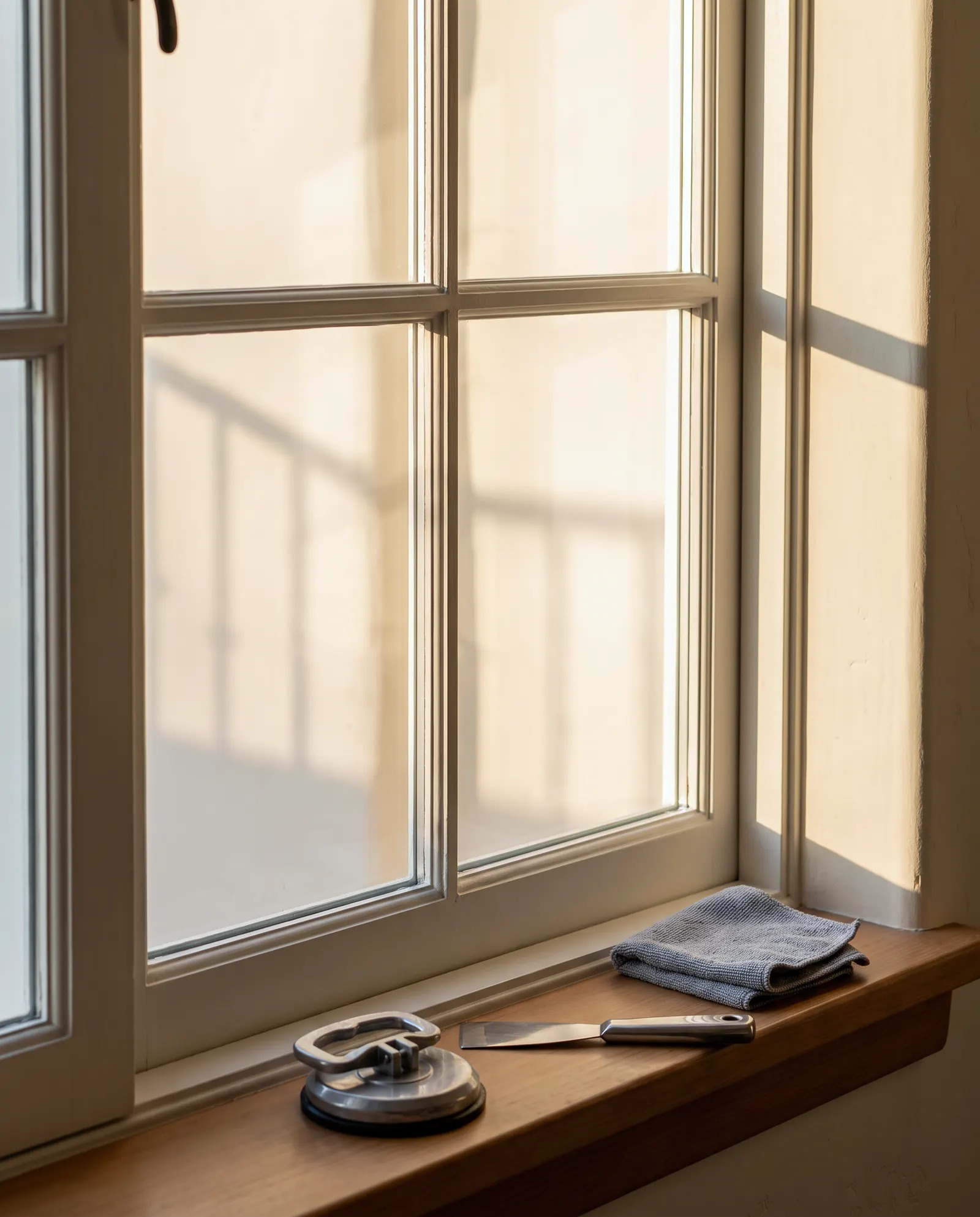
Fresh weatherstripping pressed into a clean channel closes small gaps that cause drafts and noise.
Foggy Glass, Cracks, and Failed Seals
Double-pane windows have a sealed space between the panes. When the seal fails, moisture gets in and you see cloudy film or water spots that you cannot wipe away, because they are between the layers.
Here is how the common glass issues compare:
| Problem | What you see | Typical fix | DIY friendly? |
|---|---|---|---|
| Dirty glass | Haze that wipes off | Clean inside and out | Yes |
| Failed seal | Fog or droplets between panes | Replace the glass unit or sash | No |
| Hairline crack | Thin line, often from a corner | Replace the pane | Usually no |
| Loose glazing | Rattling pane, gaps at the edge | Re-glaze or replace stops | Sometimes |
| Cracked tempered glass | Web of small cracks | Replace right away | No |
Foggy glass is mostly a comfort and appearance issue, but a cracked pane is a safety concern. Tape a cracked pane lightly to hold it together and keep kids and pets away until it is repaired. Wear gloves when handling any broken glass.
Rotted Frames, Peeling Paint, and Water Leaks
Look closely at the lower corners of wood frames and the sill. Press a screwdriver tip into the wood. If it sinks in easily or the wood feels spongy, you have rot.
Causes often include failed caulk, clogged weep holes in metal or vinyl frames, sprinkler spray hitting the window, or a sill that no longer slopes away from the glass.
What you can do:
- Surface rot, small area: Dig out soft wood, apply wood hardener, fill with exterior wood filler, sand, prime, and paint.
- Peeling paint: Scrape, sand, prime, and repaint. Homes built before 1978 may have lead paint, so read the EPA guidance on lead and renovation before sanding or scraping (see Sources).
- Leaks at the corners: Re-caulk, and clear any weep holes with a small wire or pin.
- Sprinklers hitting the glass: Adjust the heads so water does not hit the frame.
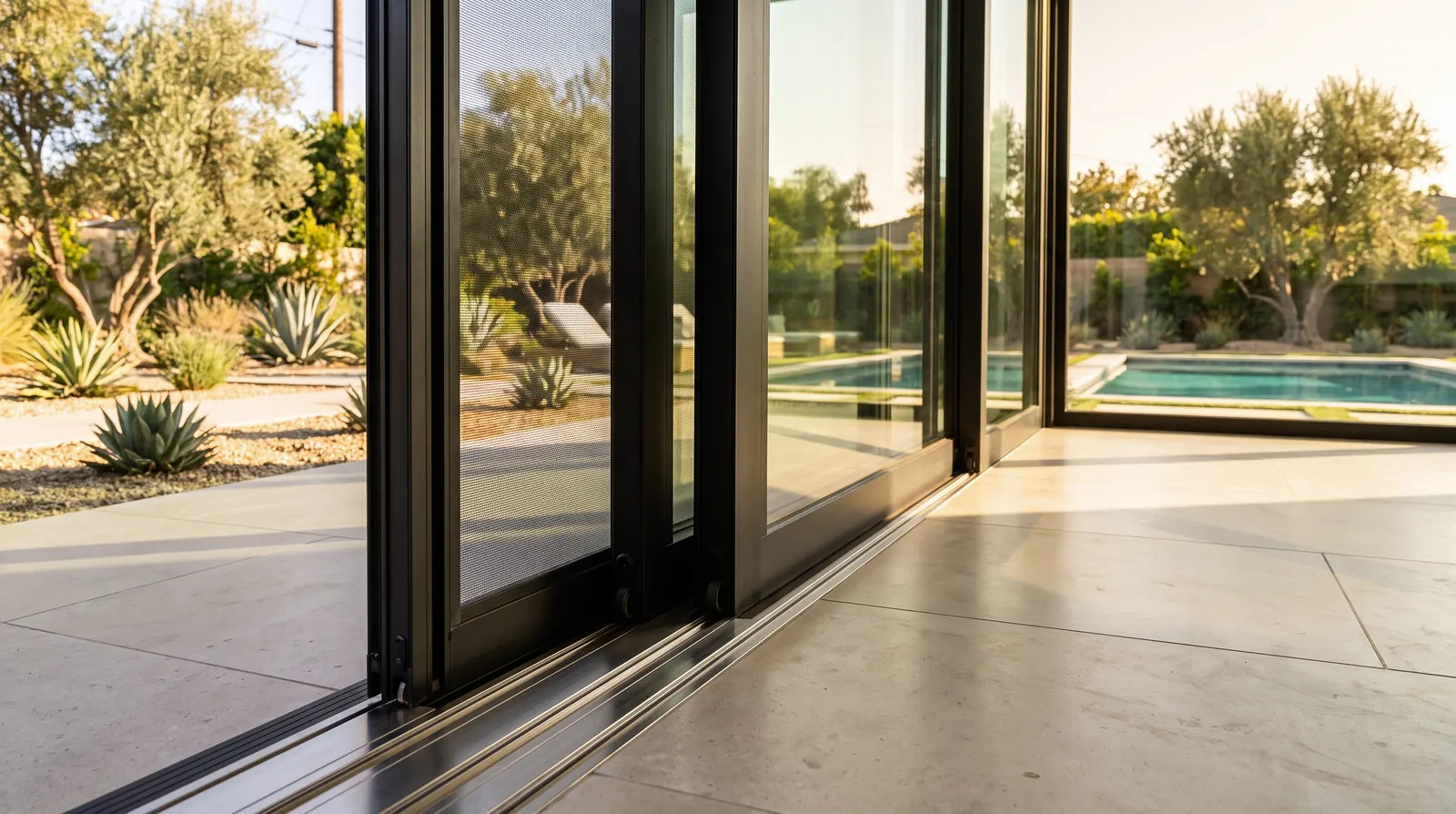
Cutting back to solid wood is the first step in a lasting sill repair.
Broken Locks, Balances, and Screens
Smaller hardware failures add up to security and safety problems.
- Loose or broken latch: Tighten screws first. If the screw holes are stripped, fill them with wood glue and toothpicks, or use longer screws.
- Double-hung that won't stay up: The balance (spring, cord, or tension block) has failed. Replacement kits exist, but you need to match the type.
- Torn screens: Rescreening a frame with a spline roller is a reasonable DIY job. Fiberglass mesh is easy to work with.
- Bent frames on screens: Replace the frame or corner pieces so the screen sits flush.
Working on upper-story windows means ladder safety matters. OSHA's ladder guidance is a useful refresher (see Sources).
When to Call a Pro
DIY is a good fit for cleaning tracks, lubricating, replacing weatherstripping, re-caulking, rescreening, and tightening hardware. Call a pro when:
- Glass is cracked, broken, or fogged between panes.
- The window is on a second story or hard to reach safely.
- Rot goes beyond the surface or has reached the wall framing.
- The frame is visibly out of square or the window won't close after a shift in the house.
- You are replacing a window, changing its size, or altering the opening. Some of that work may involve permits, so check with LADBS (see Sources).
- You suspect lead paint in an older home.
It also helps to verify any contractor through the Contractors State License Board before hiring. If you want an honest read on a problem, you can send a photo for a written quote and we will tell you what we see. You can also read more about our windows service.
FAQ
Why does my window stick more in some seasons?
Wood swells with humidity and shrinks when dry, so a window can bind at one time of year and loosen at another. Paint buildup and dirty tracks make this worse.
Can I fix foggy double-pane windows myself?
Not reliably. The fog is between the panes, so cleaning won't reach it. The usual fix is replacing the glass unit or the sash.
How do I know if a draft is from the window or the wall?
Check the edges of the sash and the trim with your hand on a breezy day. If air moves at the sash gap, weatherstripping is likely the cause. If it comes from the trim or wall joint, caulk is the likelier fix.
Is it better to repair or replace an old window?
If the frame is sound, repairs to weatherstripping, hardware, glazing, or a single sash often make sense. Widespread rot, warped frames, or several failed parts may point toward replacement.
Do I need a permit to replace a window in Los Angeles?
It depends on the scope. Like-for-like repairs often differ from changing the opening size or the window type. Check with LADBS before starting.
Sources
- California Energy Commission: Building Energy Efficiency Standards
- EPA: Renovation, Repair and Painting Program
- OSHA: Ladder Safety
- LADBS: Permits and Inspections
Safety note: work on electrical panels, gas, structure or anything that needs a permit should be done by a licensed contractor with the required permits.
STATOX Handyman Service · Send a photo · +1 (820) 200-4919
Keep reading
 windowsWindow Repair or Replacement: How to Choose in Los AngelesWindow repair or replacement in Los Angeles: how to tell which one your home needs, what to check first, and when a pro visit saves you a second trip.
 paintingAcrylic vs Oil-Based Paint: Which Fits Your ProjectAcrylic vs oil based paint explained for Los Angeles homes: where each works, how they differ in cleanup, smell, and finish, and how to choose with confidence.
 bathroomBathroom Repair Prep Checklist Before the Handyman VisitUse this bathroom repair prep checklist to clear the space, gather photos, and find your shutoffs so your handyman visit goes smoothly. Read before you book.