LED vs Halogen vs Incandescent Bulbs: Which Fits Your Home
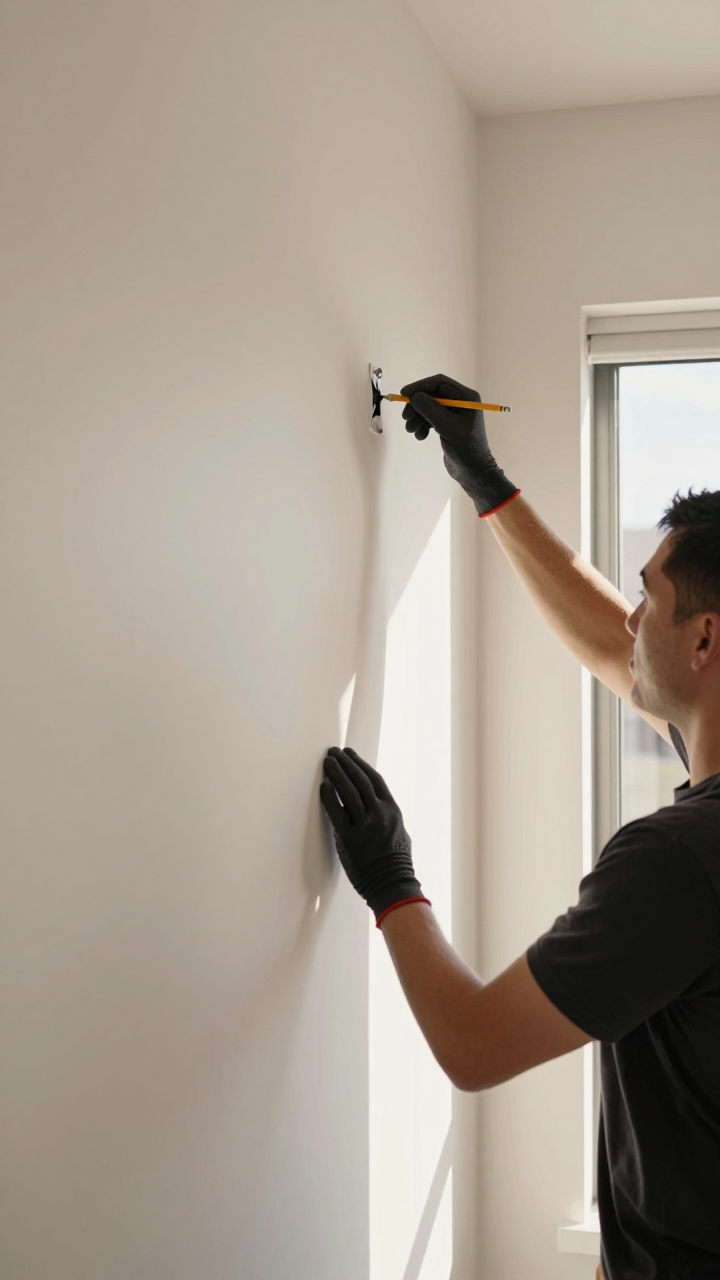
For most rooms in a Los Angeles home, LED is the bulb that fits: it runs far cooler, uses much less electricity for the same brightness, and lasts for years. Halogen and incandescent still make sense in a few narrow cases, like a fixture that won't accept an LED or a specialty dimmer that hasn't been updated. The right choice depends on the fixture, the dimmer, and the look you want in the room.
How the three bulb types actually work
Incandescent bulbs pass electricity through a thin tungsten filament until it glows. Most of the energy leaves as heat, not light. That's why an old bulb is too hot to touch.
Halogen bulbs are a refined version of the same idea. The filament sits inside a small capsule filled with halogen gas, which lets it burn hotter and brighter. The light is crisp and white, but the bulb runs very hot.
LED bulbs produce light with a semiconductor chip. Very little energy is wasted as heat, though the electronics at the base still warm up. LEDs come in nearly every shape and color temperature now.
LED vs halogen vs incandescent bulbs at a glance
| Feature | LED | Halogen | Incandescent |
|---|---|---|---|
| Heat from the bulb | Low | Very high | High |
| Energy use for same light | Lowest | Higher | Highest |
| Typical lifespan | Longest | Moderate | Shortest |
| Light quality | Wide range of warm to cool | Bright, crisp white | Soft, warm glow |
| Dimming | Works with compatible dimmers | Dims smoothly | Dims smoothly |
| Good fit for | Most rooms, recessed cans, outdoors | Task lighting, some older track lights | Decorative fixtures where the glow matters |
| Availability | Widely sold | Becoming harder to find | Limited in many styles |
Efficiency and availability rules continue to shift. California's building efficiency standards, published by the California Energy Commission, push new lighting toward high-efficacy sources, so LED is where the market is heading.
Heat, comfort, and fire safety in older homes
Heat is the biggest practical difference. A halogen bulb in a closed fixture, a torchiere lamp, or a tight recessed can can get hot enough to scorch a shade or discolor a fixture. Many Los Angeles homes have older fixtures, some with brittle wiring near the socket, and that heat accelerates the damage.
Switching to LED lowers the heat load in the fixture. It also helps in summer, when every bit of heat in a room makes the air conditioner work harder.
Keep these habits no matter which bulb you use:
- Never exceed the maximum wattage printed on the fixture label.
- Keep bulbs clear of curtains, bedding, and paper shades.
- Let a bulb cool before you touch or replace it.
- Turn the power off at the switch before changing any bulb.
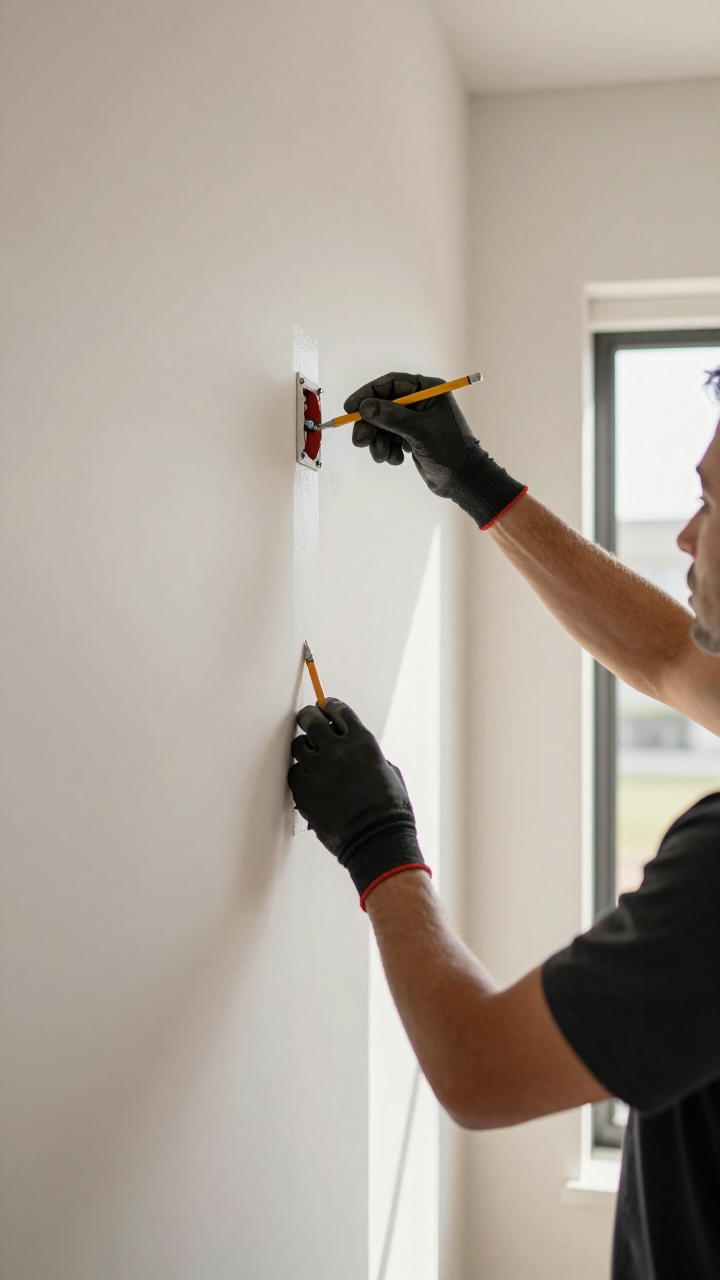
An LED in a recessed can keeps the fixture cooler and the ceiling area more comfortable.
Light quality: warmth, brightness, and color
Look at lumens for brightness, not watts. Watts measure energy use, and an LED can give you the same light as an old bulb with far fewer of them.
For color, check the Kelvin number on the package:
- 2700K: warm and cozy, close to a traditional incandescent. Good for living rooms and bedrooms.
- 3000K: slightly crisper warm white. Works well in kitchens and bathrooms.
- 4000K and up: cool, bluish white. Suits garages, laundry rooms, and workshops.
Also check the color rendering index (CRI) on the box. A higher CRI shows skin tones, food, and paint colors more naturally, which matters in bathrooms and kitchens. Halogen has long been loved for its natural color, and good LEDs now come close.
Mixing color temperatures in one room looks patchy. Pick one and keep it consistent across fixtures that are visible together.
Dimmers, fixtures, and compatibility
This is where most frustration happens. Old dimmers were built for the high, steady load of incandescent and halogen bulbs. Put an LED on one and you may see flicker, buzzing, a limited dimming range, or lights that never fully turn off.
Before you swap, run through this checklist:
- Check the bulb package for "dimmable" if the circuit has a dimmer.
- Look at the dimmer itself for a brand and model, and see whether it's rated for LED.
- Confirm the base type: standard screw, candelabra, GU10, MR16, or bi-pin.
- For low-voltage MR16 fixtures, note that the transformer must work with the LED bulb you choose.
- For enclosed fixtures, look for bulbs marked as suitable for enclosed use.
- Replace all bulbs on one dimmer at the same time, with the same model.
If a bulb flickers after the swap, the dimmer is usually the cause, not the bulb. A newer LED-rated dimmer often fixes it.
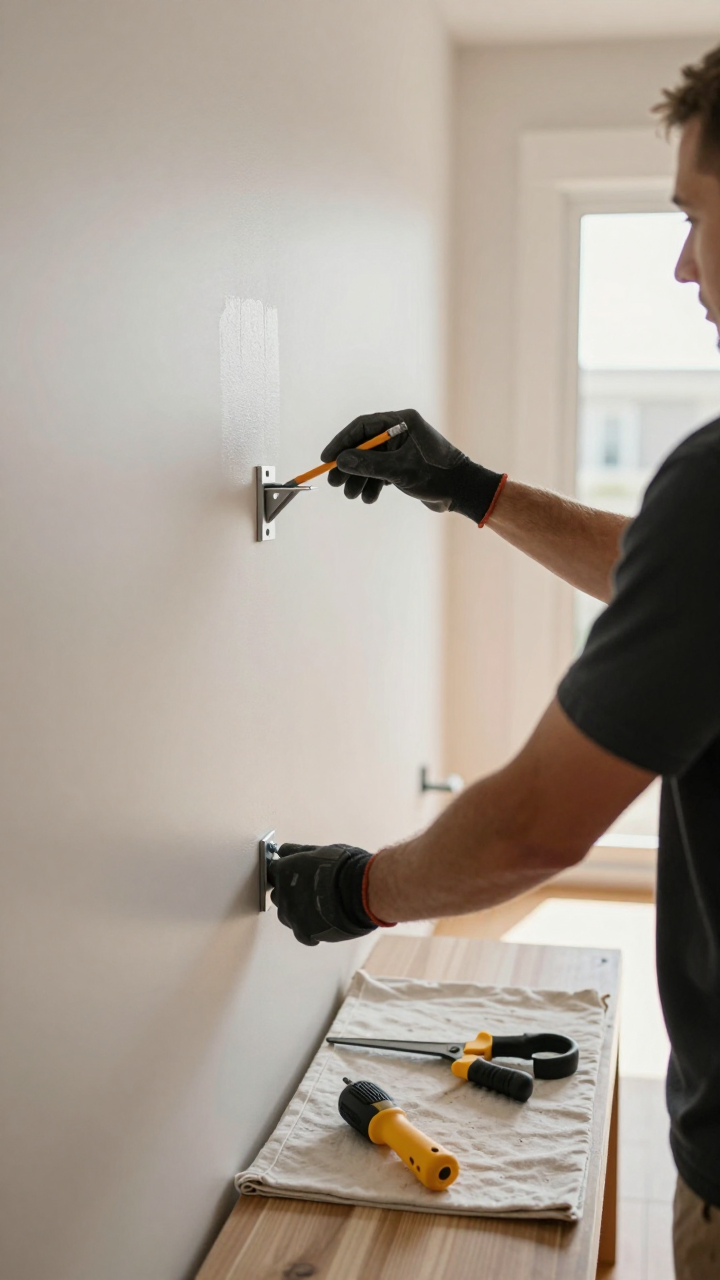
Pairing the right dimmer with the right LED bulb is what makes the upgrade feel smooth.
Which bulb fits which room
Living rooms and bedrooms: warm, dimmable LED around 2700K. If you love the glow of a decorative filament-style bulb, look for LED versions designed to mimic it.
Kitchens: 3000K to 4000K LEDs with a high CRI over counters and prep areas.
Bathrooms: high-CRI LEDs near the mirror. Use bulbs rated for damp locations if the fixture is exposed to steam.
Outdoor and porch lights: LEDs rated for the conditions. They handle on/off cycling and cooler nights well, and you won't be up on a ladder as often.
Closets and garages: simple, bright LEDs. Low heat is a real safety plus in closets.
Older decorative fixtures and specialty lamps: if a fixture truly needs a particular bulb, keep it, but don't treat that as a reason to leave the whole house on older technology.
Used bulbs are easy to dispose of wrongly. Check with your local Los Angeles sanitation resources for how to handle burned-out bulbs, especially any that contain hazardous materials.
When to call a pro
Changing a bulb is a DIY job. So is swapping a standard dimmer if you're comfortable turning off the breaker, testing that the power is dead, and matching the wiring. Use a stable step ladder and follow the guidance at OSHA's ladder page when working above floor level.
Bring in a pro when you see:
- Scorched, brown, or melted sockets and fixture bases.
- Flickering that continues after you've changed the bulb and dimmer.
- Buzzing, warm switch plates, or a burning smell.
- Recessed cans that keep tripping breakers or overheating.
- Aluminum or older cloth-style wiring, or no ground wire at a switch box.
- Adding new fixtures, moving switches, or running new circuits, which may need a permit. See the LADBS permits and inspections page.
Our lights electrical service covers fixture swaps, dimmer replacement, and troubleshooting. If you're not sure what you're looking at, you can send a photo for a written quote. When hiring anyone for electrical work, the CSLB's hiring guidance is a good place to check what to ask.
FAQ
Can I put an LED bulb in an old incandescent fixture?
Usually yes, if the base matches and the fixture isn't a special low-voltage type. Check the fixture's label and, for enclosed fixtures, use an LED marked for enclosed use.
Why do my new LED bulbs flicker on the dimmer?
The most common cause is a dimmer designed for older bulbs. Make sure the bulb is labeled dimmable, then try an LED-rated dimmer. Mixing different bulb models on one dimmer can also cause trouble.
Are halogen bulbs a fire risk?
They run very hot, so they can be a risk near fabric, paper, or in tight enclosures. LEDs produce much less heat, which is one reason many homeowners replace halogen lamps.
Do LED bulbs look different from incandescent light?
They can, depending on the Kelvin and CRI. Choose 2700K for a warm, traditional look, and look for a high CRI if color accuracy matters.
Should I replace every bulb at once?
You don't have to, but replacing bulbs in the same room together keeps the color and brightness matched. Start with the fixtures you use most.
Sources
- California Energy Commission: Building Energy Efficiency Standards
- OSHA: Ladder Safety
- LADBS: Permits and Inspections
- CSLB: Hire a Contractor
Safety note: work on electrical panels, gas, structure or anything that needs a permit should be done by a licensed contractor with the required permits.
STATOX Handyman Service · Send a photo · +1 (820) 200-4919
Keep reading
 lights electricalHow to Choose a Handyman for Light Fixture InstallationLooking for a light fixture installation handyman Los Angeles homeowners can trust? Learn what to ask, what to check, and which red flags to skip.
 lights electricalOutlet or Light Switch Not Working: Causes and FixesOutlet not working or light switch not working? Learn the common causes, safe checks you can do yourself, and when to stop and call a pro. Read first.
 lights electricalStudio City Older Homes: Lighting and Outlet Upgrade TipsPlanning a Studio City handyman lighting outlet upgrade for an older home? Learn what to fix first, what needs a permit, and when to call a pro.