Window Repair in Studio City Plaster and Mid-Century Homes
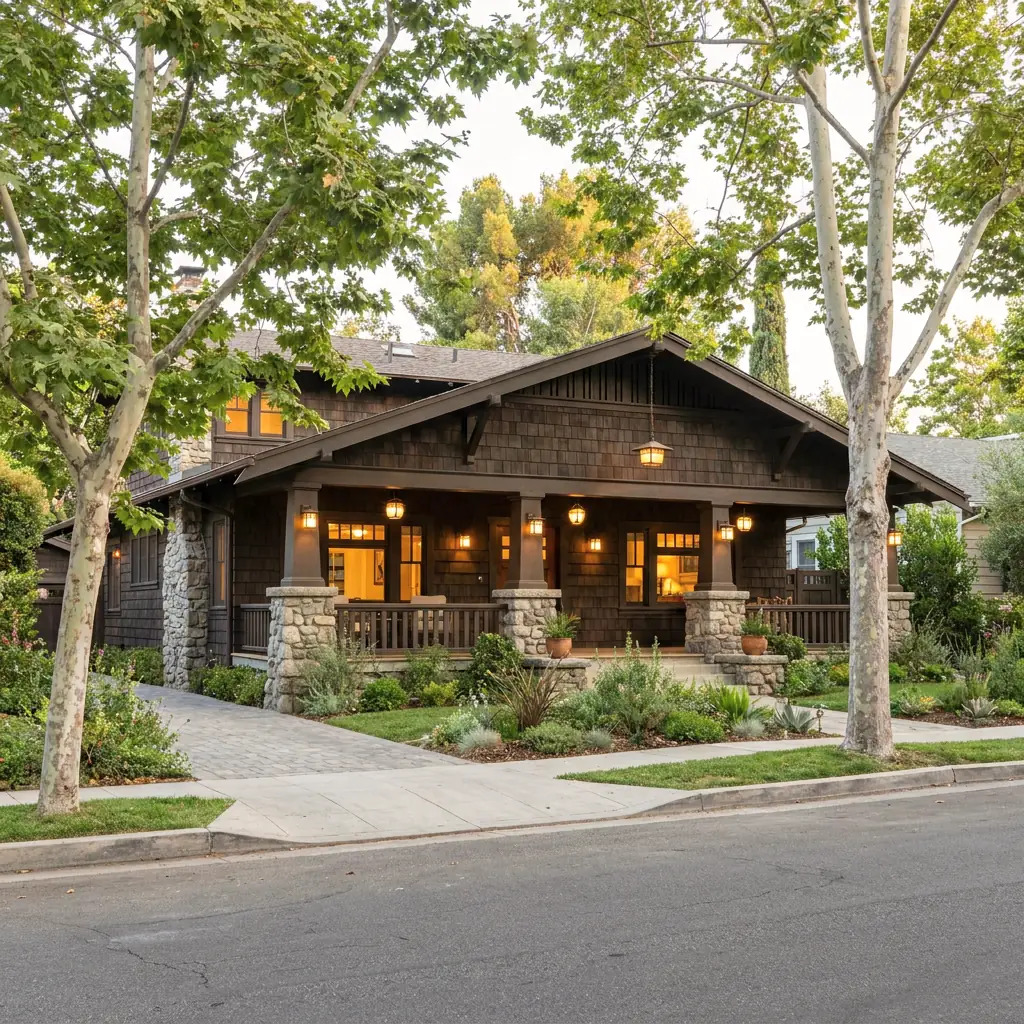
If you need window repair in Studio City, start by identifying what your window is made of and what is actually failing: the glass, the frame, the hardware, or the seal around it. Most problems in older plaster and mid-century homes, like sticking sashes, drafts, rattling panes, and soft wood, can be repaired without replacing the whole window. The key is fixing the cause, not just the symptom, and protecting the plaster around the opening while you do it.
What Makes Studio City Windows Different
Studio City has a mix of 1920s–1940s plaster-walled bungalows and Spanish-style homes alongside a lot of mid-century ranch and post-and-beam houses. Each one handles windows differently.
Plaster homes often have wood double-hung windows with sash weights hidden in the wall, or wood casements with original hinges. The walls around them are plaster over lath, which is hard but brittle. Heavy prying or hammering near the frame can crack it.
Mid-century homes tend to have large fixed panes, aluminum or steel sliders, jalousie windows, and clerestory windows high on the wall. Those big openings put a lot of weight on frames and tracks, and the metal hardware wears out over decades.
Sun matters too. Strong Southern California sun dries out wood, cracks paint and putty, and bakes rubber and vinyl gaskets until they shrink and let air through.
Common Window Problems and What Usually Causes Them
Before you buy parts, match the symptom to the likely cause.
| Symptom | Likely cause | Typical repair direction |
|---|---|---|
| Wood sash sticks or won't open | Layers of paint, swollen or dry wood, dirty channels | Free paint seams, clean and sand channels, wax or lubricate |
| Sash won't stay up | Broken sash cord or detached weight | Replace cords, reattach weights |
| Aluminum slider rough or off-track | Dirty or bent track, worn rollers | Clean track, replace rollers |
| Rattling pane | Dried-out glazing putty | Re-glaze or add new glazing points and putty |
| Draft around frame | Failed caulk, worn weatherstripping | Re-caulk exterior, replace weatherstripping |
| Soft or crumbly wood at sill | Water getting in over time | Dry out, consolidate or patch small areas, replace badly rotted sections |
| Cloudy glass between panes | Failed seal in a double-pane unit | Replace the glass unit |
| Casement won't crank | Stripped operator or bent arm | Replace operator or hinge hardware |
Fixes That Respect Plaster Walls
Plaster is forgiving when it's treated gently and unforgiving when it isn't. A few habits protect it.
- Score paint lines with a utility knife before opening a painted-shut window, instead of forcing it.
- Use a thin putty knife and a small pry bar with a wood block behind it to spread pressure on trim.
- Pull trim slowly and keep it if you can. Old-growth wood trim is hard to match.
- Fill hairline cracks near the frame with a flexible patching compound, and let it cure before painting.
- Avoid heavy vibration from hammering directly against the casing.
If you see plaster bulging, hollow sounds when you tap, or cracks that widen, the plaster may have lost its grip on the lath. That's worth a closer look before any window work continues.

Careful trim removal keeps the surrounding plaster intact and the original casing reusable.
Mid-Century Windows: Aluminum, Steel, and Big Glass
Mid-century windows have their own habits.
Aluminum sliders usually fail at the rollers and tracks. Years of dust and grit make them drag, and a worn roller can make a heavy sash feel like it's grinding. Cleaning the track thoroughly and replacing rollers fixes most of them. Matching rollers takes patience, so bring the old one with you when shopping.
Steel casements can rust where paint has failed. Light surface rust can be sanded back, treated, and repainted. Deep rust that has swollen the metal is a bigger job.
Jalousie windows have many small glass slats held by clips. Replacing a cracked slat is simple, but the operating mechanism is often worn and hard to source.
Large fixed panes are a safety and handling issue. Don't try to remove or reset big glass yourself. If a large pane is cracked, tape it, keep people away, and have it addressed carefully.
Clerestory windows sit high. If you work on them, follow ladder safety basics such as those from OSHA's ladder guidance, and don't lean off the side.
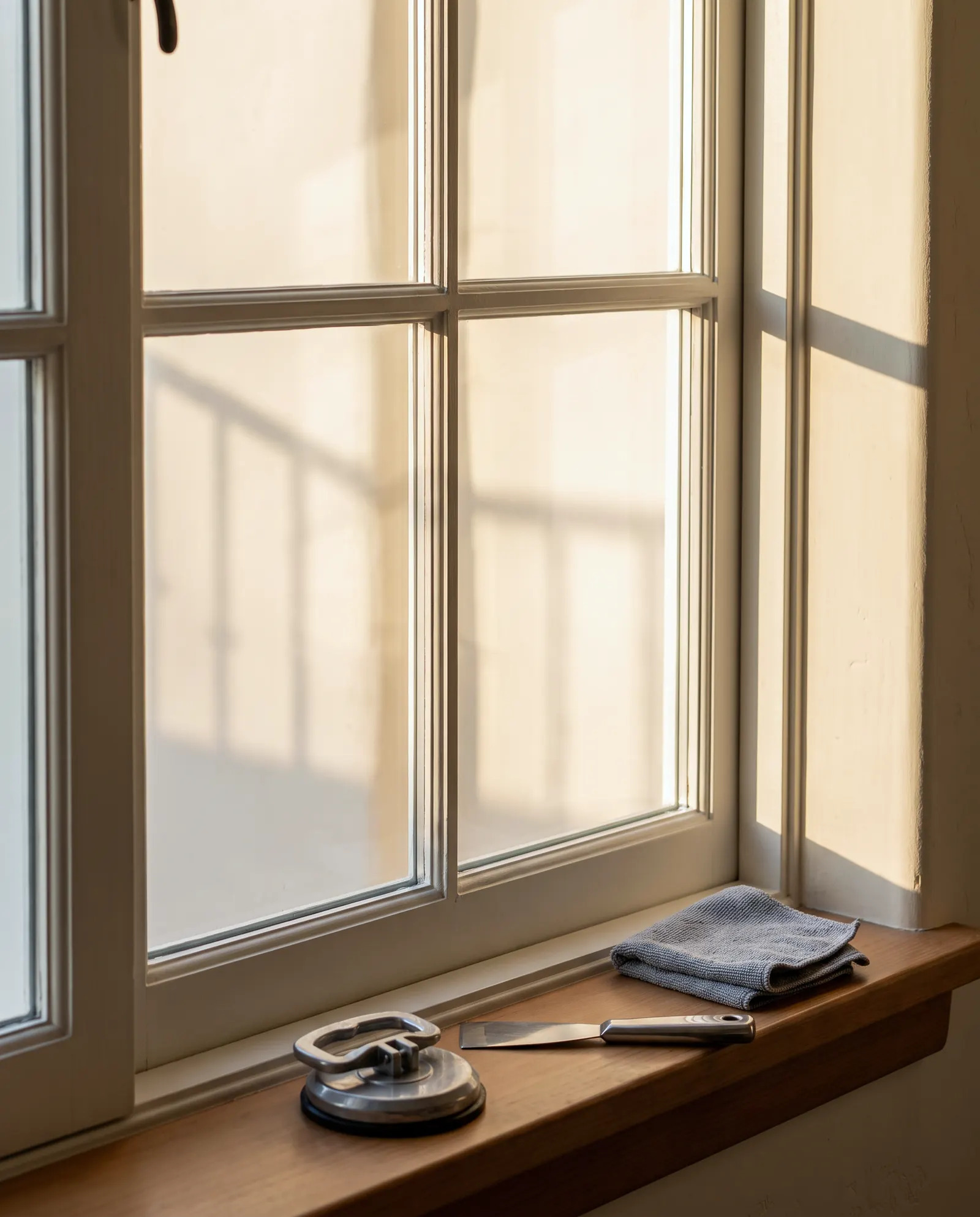
Most sticky aluminum sliders need a clean track and fresh rollers, not a whole new window.
A Simple Weekend Check Before You Repair
Walk through the house and test every window. It takes about as long as a cup of coffee and tells you what needs attention first.
- Open and close each window and note any that stick, grind, or won't stay open.
- Look at the sill and lower frame for dark staining, soft spots, or peeling paint. Press gently with a screwdriver tip. If it sinks in, there's rot.
- Check the glazing putty for cracks or gaps, and wiggle the glass lightly.
- Feel for drafts on a windy day with the back of your hand.
- Inspect caulk outside for gaps, especially at the top and corners.
- Test the locks. A lock that doesn't pull the sash tight causes drafts and security issues.
- Photograph problem spots so you can compare later or share them for a quote.
A Note on Old Paint
Homes built before 1978 may have lead-based paint on windows, since friction surfaces like sashes and channels are common spots. Sanding, scraping, or dry-removing old paint can create dust you don't want in your home. The EPA explains the risks in protecting your family from lead exposures and sets rules for contractors in its Renovation, Repair and Painting program. If your home is that old, avoid dry sanding, keep kids and pets away from the work area, and consider testing before disturbing paint.
When to Call a Pro
Plenty of window work is reasonable DIY: cleaning tracks, lubricating, replacing weatherstripping, re-caulking, swapping a roller, and spot-fixing a rattling pane.
Call a pro when:
- Wood rot extends into the frame or the wall around it.
- A sash needs new cords or weights and you'd have to open the wall or remove trim you can't afford to damage.
- Glass is large, cracked, or high up. Safety comes first.
- A double-pane seal has failed and the unit needs replacing.
- The frame is out of square and the window binds no matter what you do.
- Paint is old and you'd be disturbing a lot of it.
- You're changing the opening size or swapping the whole window. That can trigger permit questions, so check with LADBS first.
A good handyman visit for windows is about diagnosis as much as repair. If you want a starting point, you can send a photo for a written quote and describe what the window does. You can also read about our windows service and how we work across Studio City.
FAQ
Can I repair my old wood windows instead of replacing them?
Often, yes. Sticking, drafts, loose glass, and broken cords are all usually repairable. Replacement makes more sense when the frame is badly rotted, the glass seal has failed, or the window is beyond practical repair.
Why does my window stick only in summer?
Wood swells with humidity and expands with heat, and layers of paint make the fit tighter. Freeing the paint seams and sanding or waxing the channels usually helps.
Will repairing a window crack my plaster?
It can if trim is forced off or the frame is hammered. Scoring paint lines, prying with a block to spread pressure, and working slowly reduces the risk. Small cracks near openings are common and can be patched.
Are aluminum windows from the mid-century era worth keeping?
Many are. They're often sturdy and fit the character of the house. Cleaning, new rollers, fresh weatherstripping, and better locks can extend their life. Energy performance is lower than newer units, so it depends on your priorities.
Do I need a permit for window repair?
Basic repairs usually don't. Replacing windows or changing opening sizes can be different, so check with LADBS before starting.
Sources
- Los Angeles Department of Building and Safety: Permits and Inspections
- EPA: Protect Your Family from Exposures to Lead
- EPA: Renovation, Repair and Painting Program
- OSHA: Ladders
Safety note: work on electrical panels, gas, structure or anything that needs a permit should be done by a licensed contractor with the required permits.
STATOX Handyman Service · Send a photo · +1 (820) 200-4919
Keep reading
 windowsCommon Window Problems and Fixes for Los Angeles HomesLearn the common window problems and fixes for Los Angeles homes, from sticking sashes to failed seals, and what to try first before calling for help.
 windowsWindow Repair or Replacement: How to Choose in Los AngelesWindow repair or replacement in Los Angeles: how to tell which one your home needs, what to check first, and when a pro visit saves you a second trip.
 windowsWindow Replacement in Sherman Oaks: Older and Hillside HomesPlanning window replacement in Sherman Oaks? Learn what older and hillside homes need, from frame types to access and permits, before you start.