Tarzana ADU and Garage Lighting: Outlets and Fixtures Guide
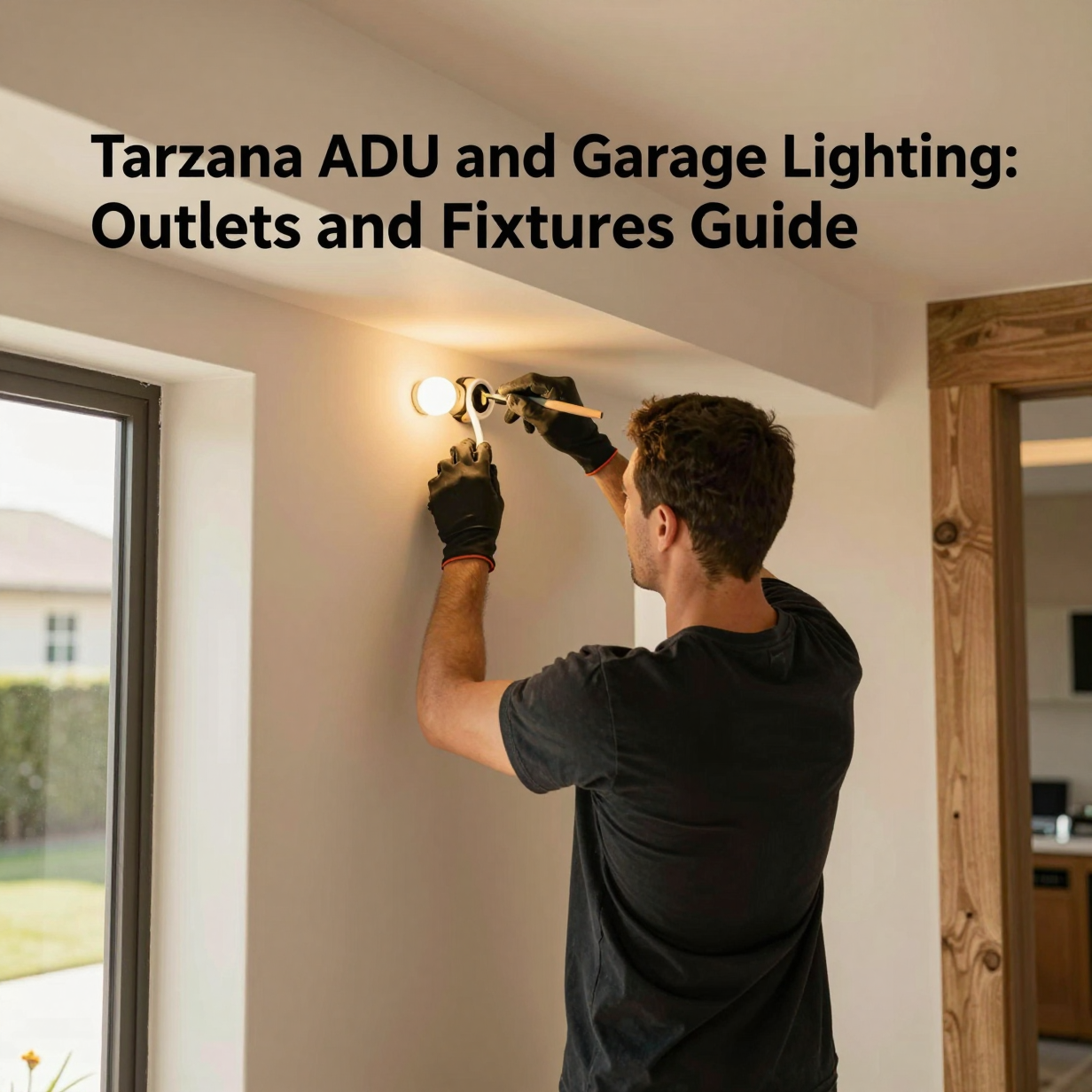
For Tarzana ADU and garage lighting, plan outlets and fixtures by how you will actually use each zone: work areas, entry paths, and living spaces. Put plenty of outlets at counter and bench height, use bright, evenly spread fixtures overhead, and add switches at every door. Anything that touches new circuits or a converted living space should be checked against local permit rules first.
Start With How the Space Will Be Used
Garages and ADUs look similar on a floor plan, but they work very differently. A garage is a workshop, storage room, and car shelter. An ADU is a home. The lighting and outlet plan should follow that difference.
Before you buy a single fixture, walk the space and sketch zones:
- Entry and path: door, steps, walkway to the main house.
- Work zone: bench, laundry, tool storage, or kitchenette.
- Living zone: sleeping, sitting, desk, bathroom.
- Utility zone: water heater, panel, EV charger, mini-split.
Each zone needs its own light level and its own outlet count. Many Tarzana homes have detached garages built decades ago with very little wiring, often one bulb and one outlet. Expect to add, not just replace.
Where Outlets Belong in a Garage or ADU
Think about the cords you will really plug in: vacuum, chargers, power tools, a freezer, a space heater, a laptop. Then place outlets where those cords land.
Garage outlet planning
- Several outlets along the workbench wall, at bench height.
- Outlets on each wall so you rarely need an extension cord.
- At least one outlet near the overhead door for an opener or a charger.
- Ceiling outlets for door openers, if the layout calls for them.
- Ground-fault protection for garage and outdoor outlets, which is standard practice for wet or concrete-floor areas.
ADU outlet planning
- Outlets spaced along walls so no spot is far from one.
- Dedicated spots for kitchen counters, bathroom, and laundry.
- USB-equipped outlets near the bed and desk, if you like them.
- Weather-rated outlets on the exterior at the patio or entry.
Heavy loads such as a mini-split, EV charger, or electric water heater usually need their own dedicated circuits. That is panel-level work and a good reason to involve a professional early.
Choosing Fixtures for Each Zone
Fixture choice comes down to brightness, spread, and durability. In a garage, you want even light without dark corners or shadows from your own body at the bench. In an ADU, you want layers: general light, task light, and softer accents.
| Space | Good fixture types | What to watch for |
|---|---|---|
| Garage ceiling | LED shop lights, flush LED panels | Even spread, enough rows to avoid shadows |
| Workbench | Under-shelf LED bars, adjustable task lamps | Glare on metal tools, placement above head |
| Garage exterior | Wall-mounted LED with shield | Wet-location rating, no glare toward neighbors |
| ADU living area | Flush mounts, recessed LED, lamps | Dimmer compatibility, warm color tone |
| ADU kitchen | Ceiling fixture plus under-cabinet strips | Light on counters, not just the room center |
| ADU bathroom | Vanity bar, moisture-rated ceiling light | Damp-location rating, fan placement |
| Closets and storage | Compact LED with a door or motion switch | Heat clearance from stored items |
California's energy rules favor efficient lighting and certain controls in new and converted spaces. The California Energy Commission publishes the building energy efficiency standards if you want to see what applies to your project.
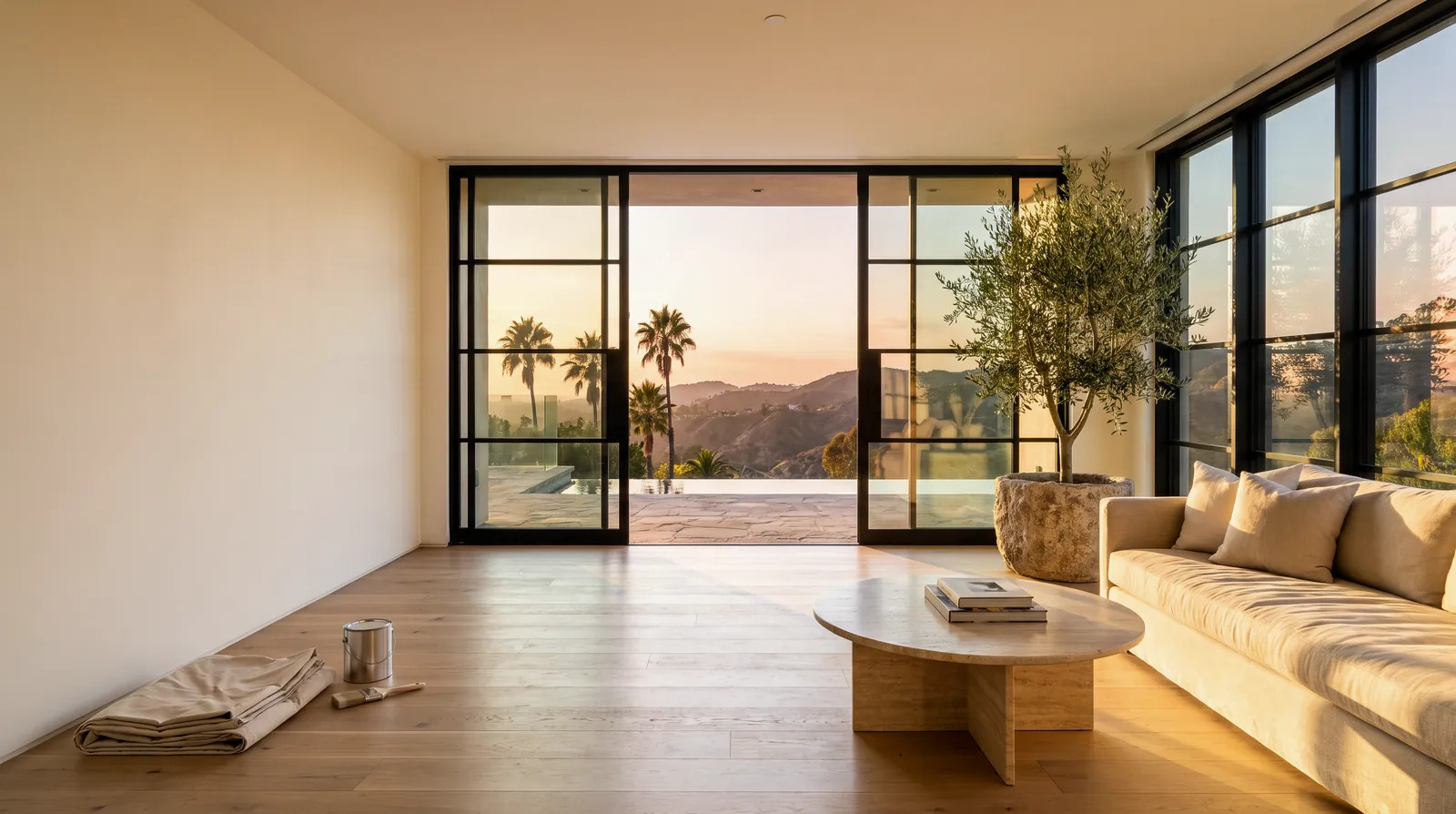
A bench wall with outlets at working height and overhead LEDs set in parallel rows.
Switches, Controls, and Color Temperature
Good switching makes a space feel finished. Poor switching makes you walk across a dark room.
- Switch at every entry. If a garage has a side door and an overhead door, both should be easy to reach in the dark.
- Three-way switches let two locations control the same light, handy for long ADU hallways or stair paths.
- Motion sensors suit closets, laundry rooms, and the garage exterior.
- Dimmers work well in living and sleeping areas, but check that the dimmer and the LED fixtures are made to work together. Mismatches cause flicker or buzzing.
Color temperature matters, too. Cooler, whiter light helps in a workshop. Warmer light feels better in a bedroom or living area. Try to keep the same tone within one room so fixtures do not look mismatched.
Permits, Inspections, and Planning Rules in Los Angeles
Replacing a fixture or swapping an outlet is usually simple. Adding circuits, converting a garage to living space, or building a new ADU is different. Those projects typically involve permits and inspections through the Los Angeles Department of Building and Safety.
Before work starts:
- Confirm whether your project counts as a conversion or new construction.
- Ask the city what permits and inspections apply to the electrical scope.
- Check whether panel capacity can support new loads.
- Plan smoke alarm and carbon monoxide alarm placement, since an ADU used for sleeping has specific alarm needs. The NFPA has general guidance on smoke alarms.
- Keep your plans and permit records together for future owners or buyers.
The state housing department also publishes general ADU information, which is useful background as you plan.
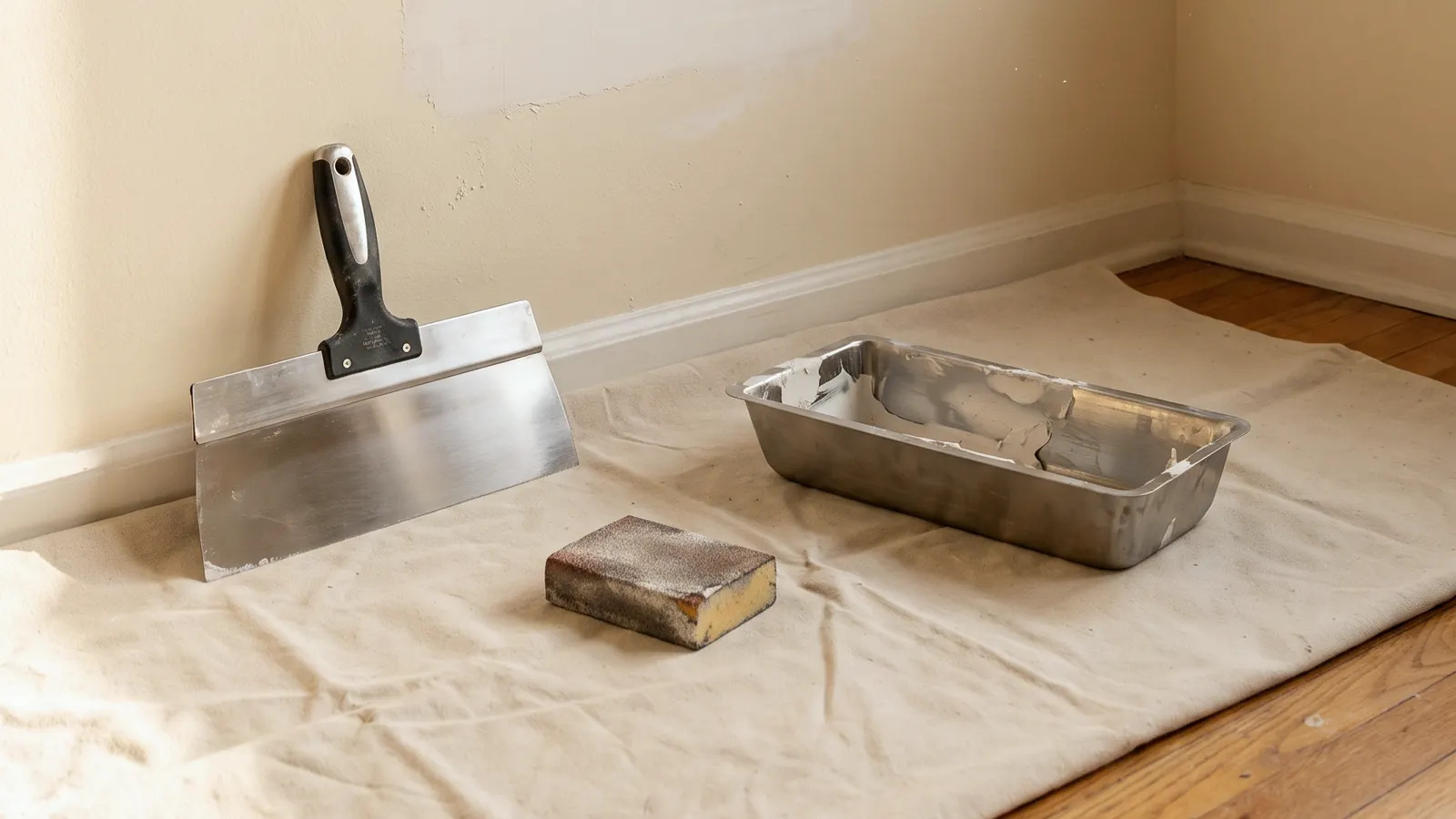
A finished ADU room with recessed lights, grouped switches, and evenly placed outlets.
A Practical Planning Checklist
Use this list before you hire anyone or buy materials:
- Sketch each zone and list what will be plugged in.
- Mark where doors, windows, cabinets, and benches will sit.
- Count outlets per wall and add a few extra.
- Decide which loads need dedicated circuits.
- Choose fixtures with the right wet or damp rating.
- Pick one color temperature per room.
- Plan switch locations at every entry.
- Think about future needs, such as an EV charger or mini-split.
- Take photos of the existing panel, wiring, and ceiling.
Photos are especially useful. If you want a handyman's eye on a project, you can send a photo for a written quote and describe what you hope to add.
When to Call a Pro
Some jobs are reasonable for a careful homeowner. Others are not.
Often fine for DIY:
- Replacing a basic fixture with a similar one, with the breaker off and verified dead.
- Swapping a worn switch or outlet for the same type.
- Installing plug-in under-cabinet lights or lamps.
- Changing bulbs to efficient LEDs.
Better left to a pro:
- Adding new circuits or running new wire through walls and ceilings.
- Panel work, breaker changes, or capacity questions.
- Garage-to-ADU conversions that need permits.
- Outdoor and wet-location wiring.
- Aluminum wiring, old knob-and-tube, or anything you cannot identify.
- Any outlet or fixture that is warm, buzzing, or discolored.
Ladder safety matters, too. Ceiling work in a tall garage is a common source of falls, and OSHA offers useful guidance on ladders.
If you hire someone, check their contractor status on the state board's site, ask what permits apply, and get the scope in writing. The Contractors State License Board has a consumer guide for this. For help with fixtures, outlets, and small electrical upgrades, see our lights electrical service and our page for Tarzana.
FAQ
How many outlets should a garage have?
There is no single right number. Plan outlets along each wall and extra ones at the bench, then add more than you think you need. Cords across the floor are a sign there were too few.
Do I need a permit to add garage lighting?
Simple like-for-like replacements usually do not. New circuits, new wiring, or a conversion to living space typically do. Check with the Los Angeles Department of Building and Safety before starting.
What kind of light works well for a workshop garage?
Bright, evenly spread LED fixtures in a cooler white tone work well. Use several fixtures in rows rather than one central light, and add task lighting at the bench.
Can I use regular indoor fixtures outside the ADU?
No. Exterior fixtures need a wet-location rating, and outdoor outlets need weather-resistant covers and ground-fault protection.
Why do my new LEDs flicker on a dimmer?
The dimmer and bulbs are often not compatible. Look for dimmers rated for LED loads and bulbs marked dimmable. If flicker continues, the wiring may need a look.
Sources
- California Contractors State License Board: Hire a Contractor
- Los Angeles Department of Building and Safety: Permits and Inspections
- California Energy Commission: Building Energy Efficiency Standards
- NFPA: Smoke Alarms
Safety note: work on electrical panels, gas, structure or anything that needs a permit should be done by a licensed contractor with the required permits.
STATOX Handyman Service · Send a photo · +1 (820) 200-4919
Keep reading
 lights electricalHow to Choose a Handyman for Light Fixture InstallationLooking for a light fixture installation handyman Los Angeles homeowners can trust? Learn what to ask, what to check, and which red flags to skip.
 lights electricalOutlet or Light Switch Not Working: Causes and FixesOutlet not working or light switch not working? Learn the common causes, safe checks you can do yourself, and when to stop and call a pro. Read first.
 lights electricalStudio City Older Homes: Lighting and Outlet Upgrade TipsPlanning a Studio City handyman lighting outlet upgrade for an older home? Learn what to fix first, what needs a permit, and when to call a pro.