Toluca Lake Outdoor Lighting: Porch, Path and Patio Tips
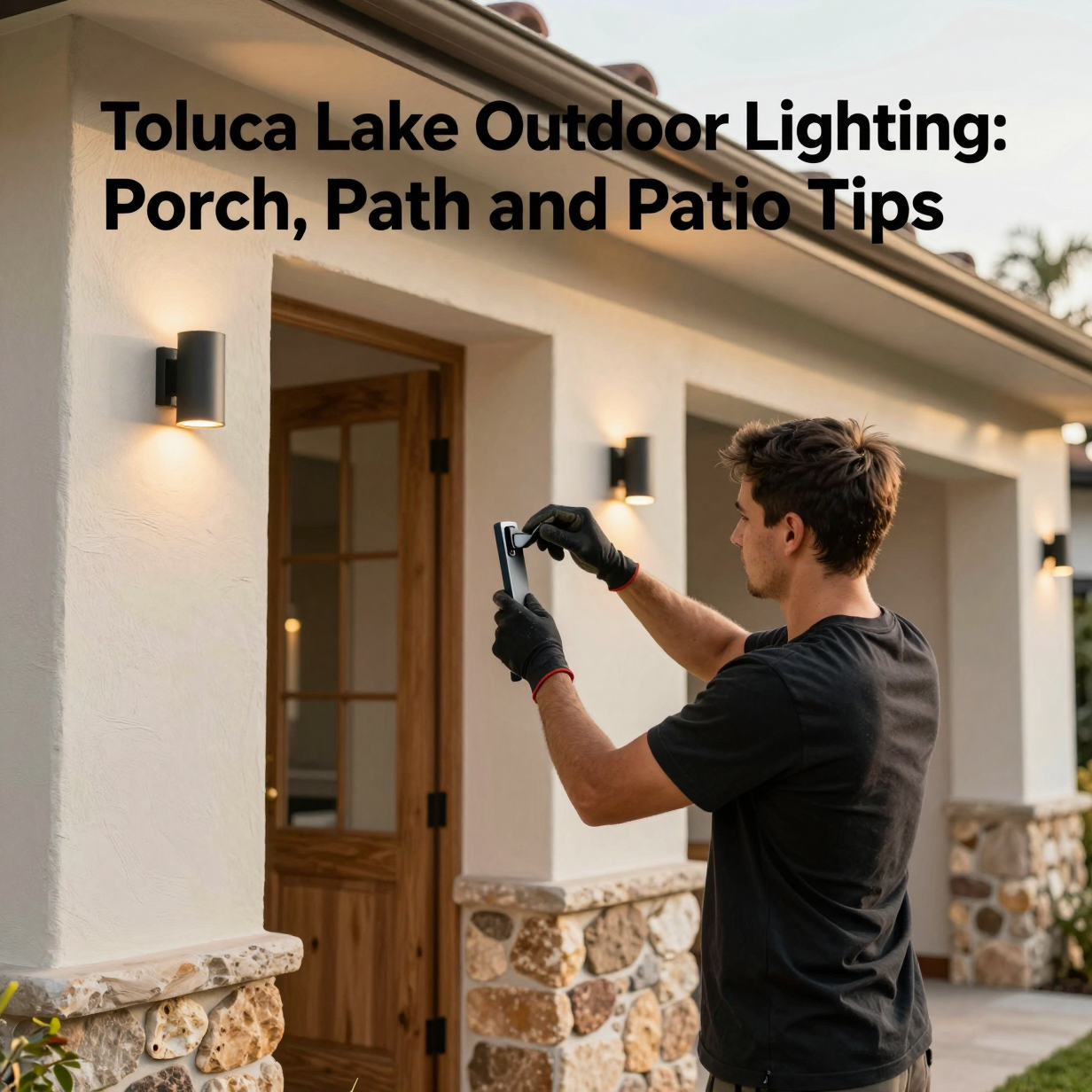
Good Toluca Lake outdoor lighting installation starts with a plan: a bright, shielded fixture at each entry, low and even light along walkways, and soft layered light on the patio. Most of the work is choosing the right fixture, color and placement. Swapping a fixture is often a manageable DIY job, but new circuits, buried wiring and anything that involves the panel belong with a pro.
Toluca Lake has mature trees, longer driveways, and homes where the backyard patio is a second living room. That shapes how you light things. Here is how to approach each zone, what to buy, and what to skip.
Start with a simple lighting plan for your Toluca Lake home
Walk your property at dusk with a notepad. Note where you stumble, where shadows pool, and where you wish you could see more. Those spots are your priorities.
Think in three layers:
- Safety light: steps, doors, gates, driveway edges.
- Task light: grill area, house numbers, outdoor kitchen counters.
- Mood light: trees, planters, a textured wall, seating areas.
Cover safety first, then tasks, then mood. Many homeowners do it backwards and end up with pretty uplights and a dark front step.
Also decide how each light will be controlled. A switch, a timer, a photocell (dusk-to-dawn sensor) or a smart control all work. Pick one approach for the whole property so you are not managing five different systems.
Porch and entry lighting that looks good and works hard
The porch light does the most work, so give it attention. It should light the door, the steps and the face of anyone standing there.
Size matters. A fixture that is too small looks lost on the wall. As a general guide, a wall lantern next to a door should feel proportionate to the door, roughly a third to a quarter of its height. Mount it so the center sits around eye level, or a bit above.
Choose warm, shielded light. Look for a warm white color temperature, commonly labeled around 2700K to 3000K, which flatters stucco, brick and wood. Shielded or downward-facing fixtures reduce glare and keep light from spilling into neighbors' windows.
Use outdoor-rated fixtures. Check the label for "damp location" for covered porches and "wet location" for anything exposed to sprinklers or rain.
Quick porch upgrade checklist
- Turn off the circuit at the panel and confirm with a tester before touching wires.
- Check that the electrical box is secure and rated for the fixture's weight.
- Seal the gap between fixture and wall with exterior-grade caulk, leaving the bottom open if the manufacturer directs it.
- Use LED bulbs rated for outdoor or enclosed fixtures.
- Add a motion or dusk-to-dawn feature only if the fixture supports it.
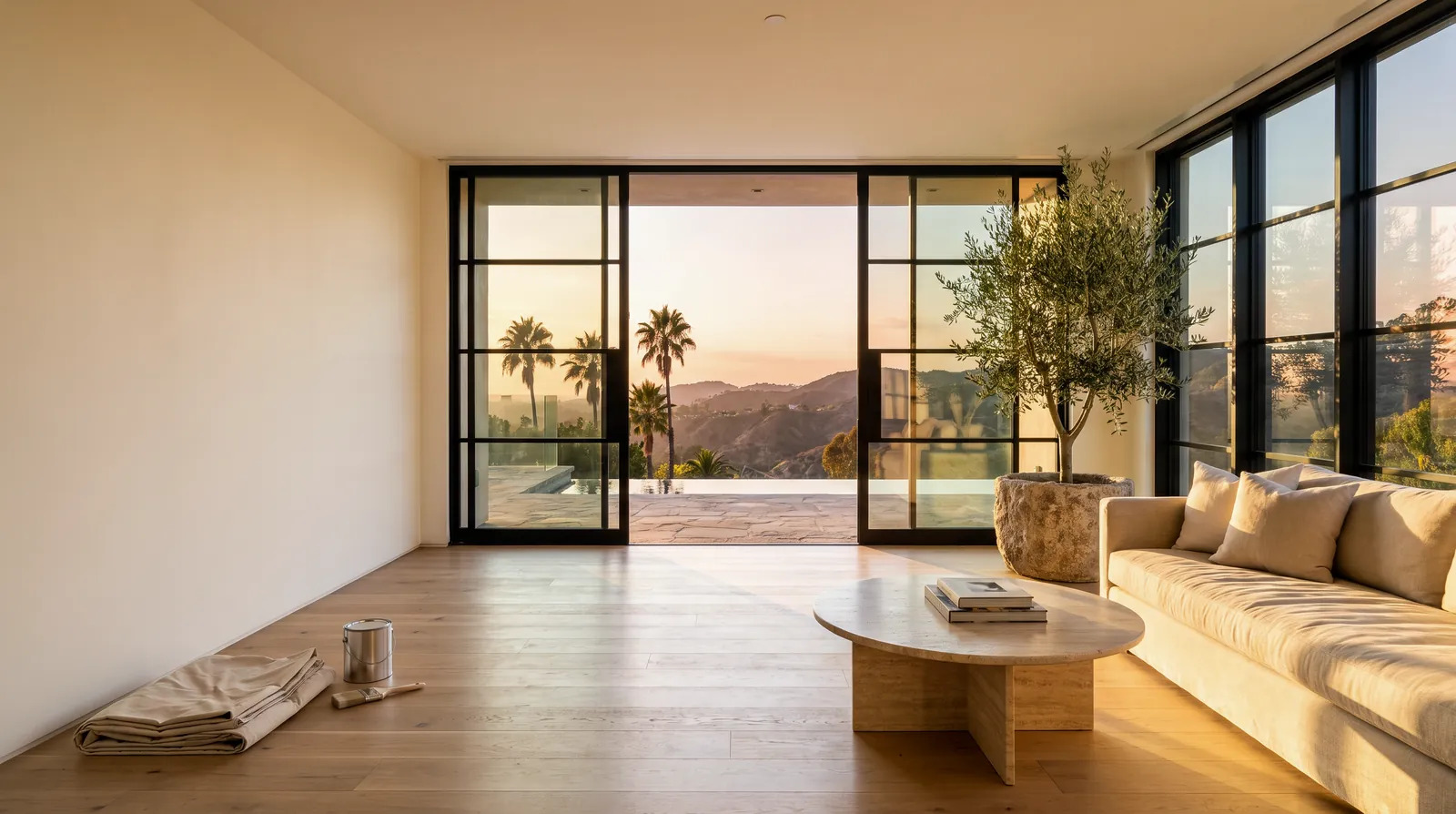
A properly sized, shielded lantern lights the door and steps without glare.
Path and driveway lighting without the runway look
Path lights should guide, not blind. The goal is overlapping pools of soft light so you can see the surface and edges, not a row of bright bulbs.
Spacing: Place fixtures staggered on both sides or on one side of the path, with enough spacing that pools of light just meet. Closer spacing with lower output usually looks better than wide spacing with bright lamps.
Height: Keep fixtures low so the light shines on the ground. Taller fixtures suit planting beds, where they need to clear foliage.
Step lights: Small lights set into risers or under tread edges make stairs far safer. These are among the most valuable lights you can add.
Low-voltage vs. line-voltage: Most path systems use low-voltage wiring from a transformer. It is easier to install and adjust than standard line-voltage wiring, which requires deeper burial and stricter methods.
| Option | Ideal for | Things to know |
|---|---|---|
| Low-voltage wired | Paths, beds, steps, trees | Needs a transformer and an outdoor outlet; easy to adjust later |
| Solar stakes | Decorative accents | Light output varies with sun exposure; shaded yards may struggle |
| Line-voltage fixtures | Posts, gates, wall lights | Needs proper wiring, boxes and usually pro installation |
| Plug-in smart lights | Quick patio additions | Use outdoor-rated cords and covered outlets only |
Solar is tempting, but under mature tree canopy the lights can fade early in the evening. Test one before buying a full set.
Patio lighting for dinners, lounging and late conversations
Patios work well with layers and dimming. Skip a single bright floodlight; it flattens the space and attracts bugs.
Try this combination:
- Overhead soft light: string lights, a pergola fixture or a wall sconce.
- Task light: a focused light at the grill or bar.
- Accent light: a small uplight on a tree, planter or textured wall.
- Low glow: lanterns or step lights to define edges.
If you use string lights, choose commercial-grade outdoor strands with enclosed sockets and support them with a taut messenger wire or hooks instead of letting them sag from nails. Plug them into a GFCI-protected outlet with a weatherproof in-use cover.
Dimmers and timers make a patio feel finished. Make sure the dimmer is compatible with your LED bulbs, since mismatches cause flicker or buzzing.
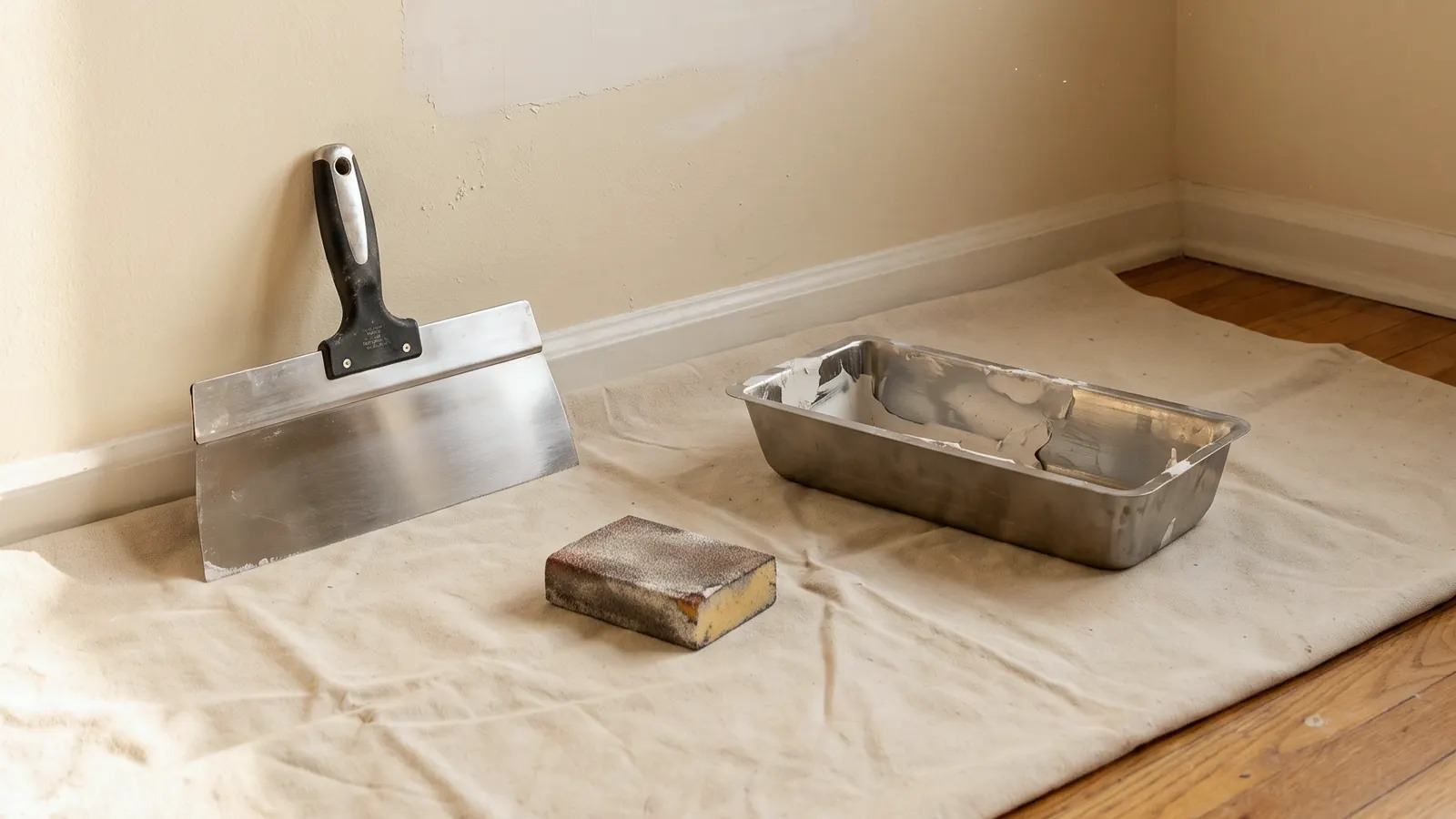
Layered patio lighting keeps the space comfortable instead of harsh.
Safety, codes and energy basics in Los Angeles
Outdoor electrical work has more rules than indoor work because of moisture. A few basics apply to nearly every project:
- GFCI protection is standard for outdoor receptacles; it cuts power quickly if current leaks.
- Weatherproof covers should protect outlets, even when a cord is plugged in.
- Wire and fixtures must be rated for the location. Use direct-burial cable where it is buried, and follow the manufacturer's depth guidance.
- Ladders should be set on firm ground and used carefully. OSHA offers ladder safety guidance worth reading before you hang anything high.
Permits can come into play when you add circuits, move panels or run new line-voltage wiring. The Los Angeles Department of Building and Safety explains when permits and inspections apply, so check before starting larger work.
Outdoor lighting is also tied to California's energy rules. The California Energy Commission's Building Energy Efficiency Standards address controls and efficiency for many lighting installations, which is one reason photocells, motion sensors and LED fixtures are so common.
When to call a pro
Plenty of outdoor lighting is friendly DIY territory. Plenty is not.
Reasonable DIY:
- Replacing a porch fixture on an existing, healthy box
- Swapping bulbs for outdoor-rated LEDs
- Installing a plug-in low-voltage kit in an existing GFCI outlet
- Adding solar accents
Hire a pro:
- Adding a new circuit or outlet
- Running wiring through walls, soffits or underground
- Replacing or modifying a panel or breaker
- Aluminum wiring, cracked insulation or signs of heat damage in the box
- Lights that flicker, trip a breaker or have a warm switch
- Fixtures mounted high, on steep ground or over stairs
- Anything you are unsure about, since guessing is not a smart strategy with electricity
A handyman can handle many fixture swaps, mounting jobs and small installations, and should tell you plainly when a job needs more specialized work. For help, see our lights electrical service page. If you are unsure of the scope, you can send a photo for a written quote and we can take a look at what you are working with.
When hiring anyone for electrical work, the California Contractors State License Board offers consumer guidance on how to hire a contractor and check credentials before work starts.
Planning around Toluca Lake yards and homes
Toluca Lake properties often include mature trees, long front walks, gated entries and older homes with original wiring. A few local tips:
- Tree shadows: Mount path lights where canopy doesn't block them, and secure any fixture placed in a tree.
- Gates and walls: Use lighting at gate posts to improve visibility and curb appeal.
- Older homes: Boxes and wiring may not match modern fixtures. Check before assuming a simple swap.
- Neighbors: Aim light down and shield it. Good lighting should not flood next door.
- Sprinklers: Keep fixtures and wire clear of spray heads, and bury wire away from irrigation lines.
FAQ
How bright should outdoor lights be?
Brighter is not better. Use enough light to see steps and surfaces clearly without glare. Path lights should be soft and low, while entries and task areas need more output. Shielded fixtures help.
What color temperature works for outdoor lighting?
Warm white, around 2700K to 3000K, suits most homes and landscapes. Cooler light can feel harsh and make plants and stucco look washed out.
Can I install low-voltage landscape lighting myself?
Often, yes, if you are plugging a transformer into an existing GFCI-protected outdoor outlet and laying low-voltage cable. Follow the manufacturer's instructions. Call a pro if you need a new outlet or any line-voltage wiring.
Do I need a permit for outdoor lighting?
Simple fixture replacements usually do not, but new circuits and larger electrical work may. The LADBS permits and inspections page explains how to check for your project.
Why do my outdoor lights flicker?
Common causes include loose connections, moisture in a fixture, incompatible dimmers or failing bulbs. If flickering continues after you replace the bulb, or you notice heat or buzzing, turn off the circuit and have it inspected.
Sources
- California Contractors State License Board: Hire a Contractor
- Los Angeles Department of Building and Safety: Permits and Inspections
- OSHA: Ladder Safety
- California Energy Commission: Building Energy Efficiency Standards
Safety note: work on electrical panels, gas, structure or anything that needs a permit should be done by a licensed contractor with the required permits.
STATOX Handyman Service · Send a photo · +1 (820) 200-4919
Keep reading
 lights electricalHow to Choose a Handyman for Light Fixture InstallationLooking for a light fixture installation handyman Los Angeles homeowners can trust? Learn what to ask, what to check, and which red flags to skip.
 lights electricalOutlet or Light Switch Not Working: Causes and FixesOutlet not working or light switch not working? Learn the common causes, safe checks you can do yourself, and when to stop and call a pro. Read first.
 lights electricalStudio City Older Homes: Lighting and Outlet Upgrade TipsPlanning a Studio City handyman lighting outlet upgrade for an older home? Learn what to fix first, what needs a permit, and when to call a pro.