Common Bathroom Problems in Los Angeles Homes and Fixes
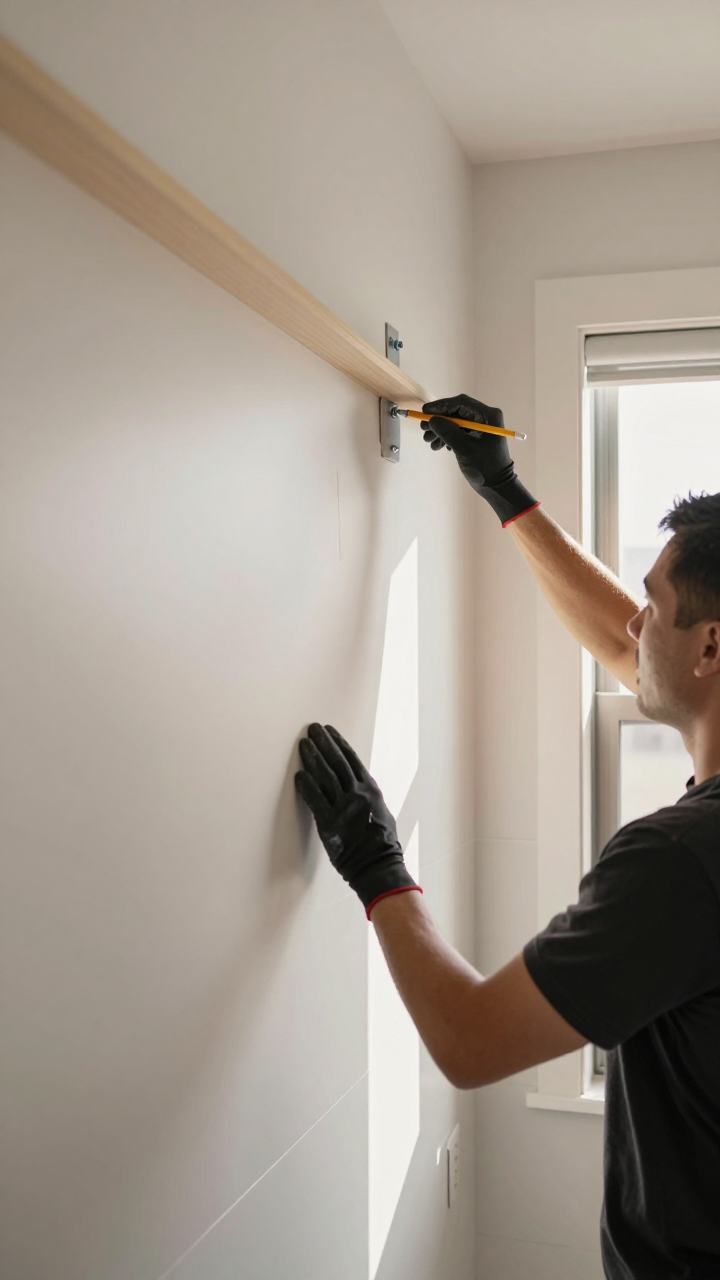
The most common bathroom problems in Los Angeles homes are running toilets, dripping faucets, slow drains, failing caulk and grout, weak ventilation, and soft or stained spots around tubs and floors. Most start small and are fixable with basic tools if you catch them early. The key is knowing which ones are simple, which ones hide water damage, and when to hand the job to someone else.
Running Toilets and Hidden Leaks
A toilet that keeps running or refills on its own is the most common water waster in many homes. The EPA's WaterSense program notes that leaks, including toilet leaks, add up to a lot of wasted water over time, and that many are easy to fix.
Check for a silent leak:
- Remove the tank lid and add a few drops of food coloring to the tank.
- Wait about 10 to 15 minutes without flushing.
- If color shows up in the bowl, the flapper or fill valve is leaking.
Usual fixes:
- Worn flapper: A rubber flapper hardens and warps with age. Replacing it is a basic repair.
- Chain too tight or too loose: Adjust it so the flapper seats fully.
- Fill valve failure: Replace the valve if water level keeps creeping up or the toilet hisses.
- Wobbly base or water at the floor: The wax ring or closet bolts may need attention. This is where leaks can reach the subfloor, so don't ignore it.
Dripping Faucets and Weak Water Flow
A dripping faucet is usually a worn cartridge, washer, or O-ring. Shut off the supply valves under the sink, take the handle apart, and match the replacement part exactly. Taking the old part to a hardware store helps.
Low flow is often mineral buildup. Los Angeles-area water tends to leave scale on aerators and showerheads. Unscrew the aerator or showerhead, soak it in white vinegar, brush the openings, and reinstall it.
If you replace fixtures, EPA WaterSense-labeled faucets and showerheads are designed to use less water while still performing well, which is worth considering when you're already swapping parts.
Slow Drains and Clogs
Hair and soap residue are the usual culprits in sinks and showers. Start with the gentlest method.
- Remove the stopper and clear what you find. This solves many slow sinks.
- Use a plastic drain strip for shower and tub drains.
- Try a plunger with a good seal, covering the overflow opening with a wet rag on tubs and sinks.
- Skip harsh chemical openers in older pipes. They can be hard on fittings and are risky if you later need to open the trap.
If more than one fixture backs up, or water gurgles in a different drain when you run another, the clog is likely further down the line. That's a job for a pro with the right equipment.
Pulling the stopper and clearing hair is the simplest first step for a slow drain.
Cracked Caulk, Loose Grout, and Water Getting Behind Tile
Caulk and grout are the front line against water. When caulk shrinks, peels, or turns dark, water can slip behind it into the wall or under the tub.
Warning signs that water is already getting in:
- Tiles that sound hollow or feel loose
- Grout that crumbles or keeps staining
- A soft spot in the wall near the tub or shower
- Paint bubbling on the wall or ceiling nearby
- A musty smell that doesn't go away after cleaning
Basic recaulk steps:
- Cut out all the old caulk with a caulk tool or utility knife.
- Clean the joint and let it dry fully.
- Apply a bathroom-rated silicone caulk in a steady bead.
- Smooth it and let it cure before using the shower.
Grout can be raked out and replaced in small areas. For tile standards and installation guidance, the Tile Council of North America (TCNA) is a respected industry resource. If tiles are loose or the wall feels soft, the problem is bigger than surface repair.
Mold, Mildew, and Poor Ventilation
Moisture is what feeds mold. According to the EPA, controlling moisture is the key to controlling mold indoors, and fixing leaks and drying wet areas promptly matters most.
Many Los Angeles bathrooms, especially in older homes and apartments, have weak fans or no fan at all. Some fans run but barely move air.
Quick ventilation check:
- Hold a single square of toilet paper near the fan. If it doesn't stick, the fan is weak.
- Make sure the fan vents outside, not just into the attic.
- Run the fan during showers and for a while afterward.
- Wipe down wet surfaces and hang towels to dry.
Small patches of surface mildew on grout or caulk can usually be cleaned. Mold that keeps returning, or that appears on drywall, usually points to a hidden moisture source. See the EPA's mold guidance for cleanup basics and when a problem is too large to handle yourself.
A weak fan and stained ceiling often go together with recurring mildew.
Quick Comparison: DIY or Hire Out?
| Problem | Typical DIY fit | Better for a pro |
|---|---|---|
| Running toilet | Flapper or fill valve swap | Leak at the base or floor damage |
| Dripping faucet | Cartridge or washer replacement | Corroded or hard-to-reach valves |
| Slow drain | Stopper cleaning, plunging | Multiple fixtures backing up |
| Cracked caulk | Remove and recaulk | Water staining or soft walls |
| Loose tile | Small regrout | Hollow tiles across an area |
| Mold or musty odor | Surface cleaning | Recurring growth, hidden moisture |
| Weak exhaust fan | Cleaning the cover and fan | New ducting or venting |
When to Call a Pro
Plenty of bathroom fixes are reasonable weekend projects. Some are not, and guessing wrong can cost you in repairs later.
Call a professional when:
- You see soft flooring, a spongy wall, or ceiling stains below a bathroom. These suggest water has been escaping for a while.
- Shutoff valves won't close or leak when you touch them.
- Drain problems affect more than one fixture.
- You need to move plumbing, rewire a fan, or open walls. Larger work may require permits. Check the City of Los Angeles Department of Building and Safety (LADBS) for permit and inspection requirements.
- The problem keeps coming back after you've fixed it.
If you hire anyone for bathroom work, the California Contractors State License Board (CSLB) offers consumer guidance on hiring a contractor, including how to check a contractor's license status and what a written agreement should include.
A handyman can often handle caulking, fixture swaps, minor tile repair, and fan replacements in one visit. See our bathroom service page for what we cover. If you're unsure what you're looking at, you can send a photo for a written quote and we'll tell you what we see.
FAQ
Why does my bathroom smell musty even after cleaning?
A lingering musty smell usually means moisture is trapped somewhere: behind tile, under a vanity, or in a poorly vented room. Check under the sink, around the toilet base, and along the tub edge, and improve ventilation.
How often should I replace bathroom caulk?
There's no fixed schedule. Replace it when it cracks, peels, shrinks away from the surface, or stays discolored after cleaning. Wet areas like tub and shower joints wear out first.
Is a running toilet really a big deal?
Yes. It can waste a lot of water without making an obvious noise. The EPA's WaterSense program encourages homeowners to check for and fix toilet leaks, and the dye test is an easy way to find one.
Can I fix loose bathroom tile myself?
One or two loose tiles in a dry area can be reset. If several tiles are loose, or the wall behind feels soft, water damage may be involved and the area should be opened and inspected.
Do bathroom repairs in Los Angeles need a permit?
Simple repairs like replacing a faucet or recaulking generally don't. Work that changes plumbing, electrical, or structure may. Check with LADBS before starting larger projects.
Sources
- EPA WaterSense: Fix a Leak Week
- EPA: A Brief Guide to Mold, Moisture, and Your Home
- CSLB: Hire a Contractor
- LADBS: Permits and Inspections
Safety note: work on electrical panels, gas, structure or anything that needs a permit should be done by a licensed contractor with the required permits.
STATOX Handyman Service · Send a photo · +1 (820) 200-4919
Keep reading
 bathroomBathroom Repair Prep Checklist Before the Handyman VisitUse this bathroom repair prep checklist to clear the space, gather photos, and find your shutoffs so your handyman visit goes smoothly. Read before you book.
 bathroomHow to Choose a Bathroom Handyman in Los AngelesLooking for a bathroom handyman Los Angeles homeowners can trust? Learn what to ask, what to check, and which red flags to avoid before you hire.