Cracked or Loose Tile: Causes and Fixes for LA Homes
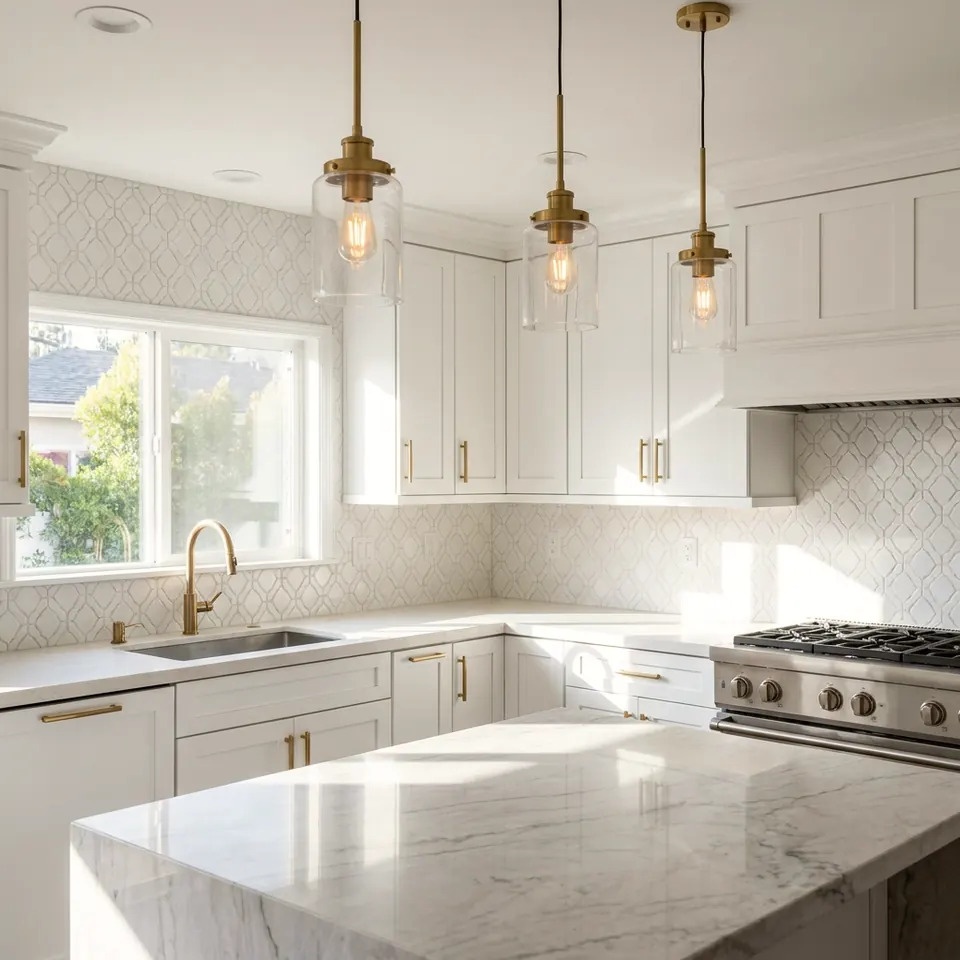
If you need cracked tile repair in Los Angeles, the fix depends on why the tile failed. A single cracked tile from a dropped pan is a simple swap. Loose, hollow-sounding, or repeatedly cracking tiles usually point to an adhesion, moisture, or movement problem that must be solved first, or the new tile will fail too.
This guide walks through the common causes in LA homes, how to tell them apart, and what a lasting repair involves.
Why tile cracks or comes loose in Los Angeles homes
Tile is hard but brittle. It relies on what is under it: a flat, solid, firmly attached setting bed. When that support fails, the tile takes the stress and cracks or pops free.
The most common causes we see:
- Poor adhesion. Thinset not fully covering the back of the tile leaves hollow spots. Foot traffic then snaps the tile over the void.
- Slab or subfloor movement. Many LA homes sit on concrete slabs that develop hairline cracks, and older raised-floor homes have wood subfloors that flex. Cracks in the slab can telegraph straight up through tile.
- Missing movement joints. Tile and the surfaces around it expand and contract slightly. Without soft joints at corners, changes of plane, and large fields, stress builds until something gives.
- Water getting underneath. Failed grout, caulk, or shower waterproofing lets moisture soften the bed and weaken the bond.
- Impact. Dropped cast-iron pans or heavy items can crack even well-installed tile.
- Wrong materials. Using the wrong adhesive for the tile size, the substrate, or a wet area can lead to failure over time.
The Tile Council of North America (TCNA) publishes the industry installation guidelines that many professionals follow for substrates, movement joints, and methods.
How to read the damage: what the pattern tells you
Where and how the tile fails is a clue. Look before you grab a trowel.
| What you see | Likely cause | Typical fix direction |
|---|---|---|
| One cracked tile, rest solid | Impact or a single hollow spot | Replace that tile |
| Straight crack running across several tiles | Slab or subfloor crack beneath | Address movement, then re-set tile, often with a crack isolation layer |
| Cracks along a wall or corner | Missing or filled-in movement joint | Cut out rigid grout, install flexible sealant |
| Tiles hollow and loose in a patch | Poor adhesive coverage or failed bond | Remove patch, prep substrate, reset |
| Loose tiles near shower or tub | Moisture intrusion | Find the leak, dry out, repair waterproofing, reset |
| Grout crumbling, tile shifting underfoot | Flexing floor or aged grout | Check the floor support, then regrout or replace |
Quick checks you can do yourself
Before calling anyone, a few minutes of inspection gives you real information.
- Tap test. Gently tap tiles with a coin or the handle of a screwdriver. A solid, sharp click is good. A dull, hollow sound means the bond is gone.
- Check for movement. Press on suspect tiles. Any rocking or clicking means they are loose.
- Look at the pattern. Is it one tile, a line, or a whole area?
- Inspect grout and caulk. Gaps, cracks, or dark staining near water sources are warning signs.
- Smell and feel. A musty odor or soft spot near a wet area suggests moisture below the surface.
- Take photos. Wide shots plus close-ups help you track changes and help a pro assess the job.
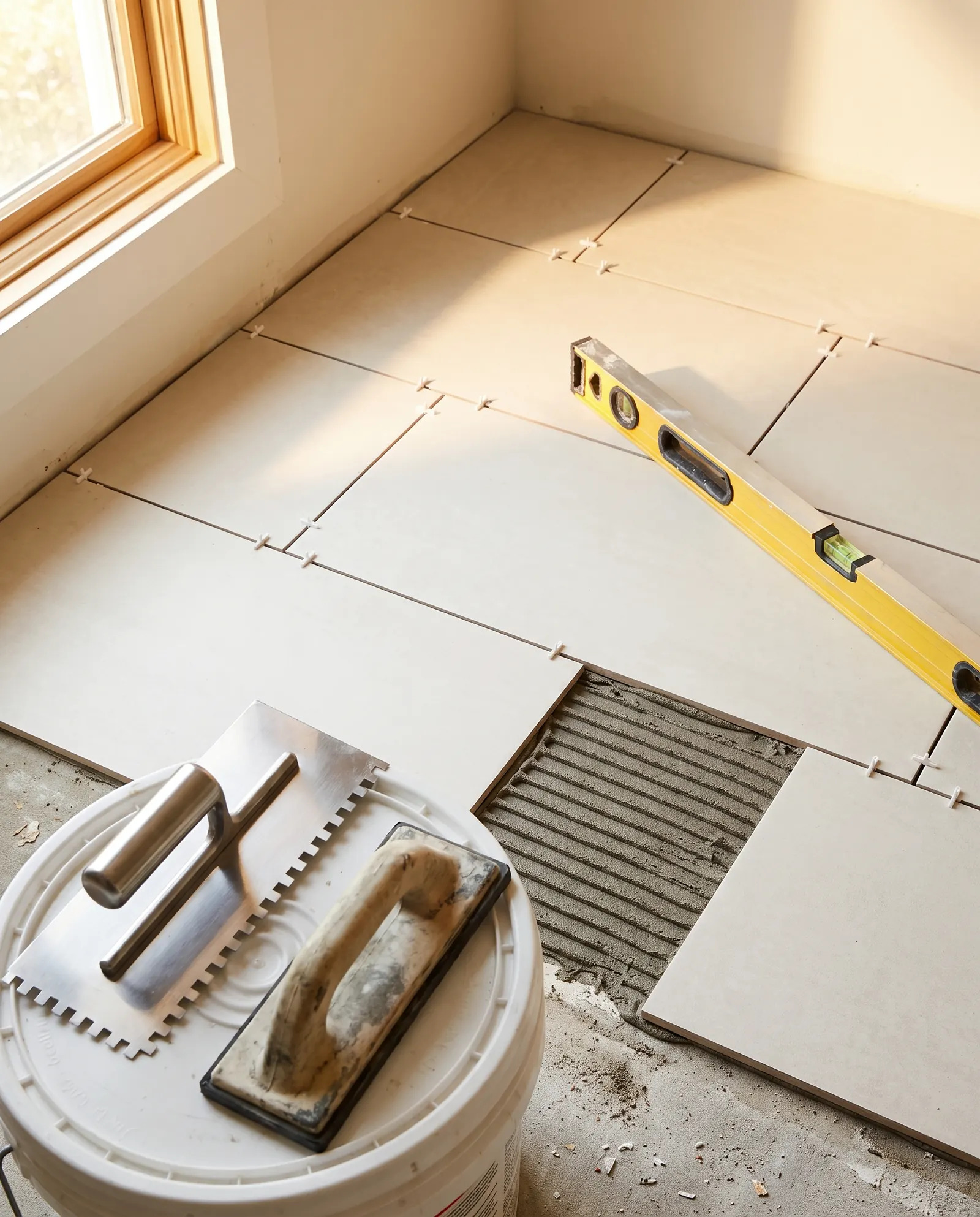
A simple tap test can reveal hollow tiles before they crack.
Moisture: the problem hiding under the tile
Water is the cause homeowners most often miss. In bathrooms, kitchens, and laundry areas, small leaks around a tub, a shower pan, or a supply line can soak the layers beneath tile for months.
Signs to watch for include loose tiles near a shower, grout that keeps darkening, a soft or spongy floor, and a musty smell. The EPA's guidance on mold and moisture is clear that the key to controlling mold is controlling moisture, and that wet materials should be dried promptly.
If moisture is involved, replacing the tile alone is not a repair. The leak source has to be found and fixed, the area allowed to dry, and any damaged backer board or substrate replaced before new tile goes down.
How a lasting tile repair is done
A proper repair follows a sequence. Skipping steps is how the same tile cracks again.
- Diagnose the cause. Tap testing, moisture checks, and a look at the substrate.
- Protect the surroundings. Mask nearby surfaces and control dust.
- Remove damaged tile carefully. Grout lines are cut so neighboring tiles are not chipped.
- Prepare the surface. Old thinset is scraped, the substrate is checked for flatness and soundness, and damaged areas are repaired.
- Add protection if needed. A crack isolation membrane or waterproofing may be appropriate depending on the cause.
- Set new tile with full coverage. The right adhesive and trowel for the tile size, with the tile pressed in and checked for level.
- Grout and seal joints properly. Use flexible sealant at corners and transitions instead of rigid grout.
- Cure before use. Materials need their recommended cure time before heavy traffic or water.
Matching is its own challenge. Older tile may be discontinued, so a spare box saved from the original install is valuable. If none exists, a pro can look for a close match or suggest a blended, intentional alternative.

Clean removal and a prepared bed are what make a replacement tile last.
DIY or hire out: an honest comparison
Some tile jobs are reasonable for a careful homeowner. Others are not.
Reasonable to DIY: - Replacing a single tile on a solid, dry floor when you have a matching tile - Touching up grout in low-moisture areas - Re-caulking a tub or sink edge
Better to hand off: - Multiple loose or cracked tiles - Cracks that run across the floor - Anything near a shower, tub, or known leak - Large-format tile, which demands flat substrates and careful setting - Floors that feel bouncy or soft
Even the DIY-friendly jobs go wrong when the cause is misread. If you replace a tile and it loosens again within weeks, stop and look deeper.
When to call a pro
Call a professional if you notice any of these:
- Tile keeps cracking after being replaced
- Hollow tiles spread across a room
- Signs of water: staining, soft floor, musty smell, or loose tile near a shower
- Cracks that widen or line up with a wall or slab crack
- You are unsure what is under the tile
Our tile service covers diagnosing the cause and repairing or replacing damaged tile. If you want a starting point, you can send a photo for a written quote showing the damage and the surrounding area.
When hiring anyone for home work in California, check the state's consumer guidance on hiring a contractor, and confirm that any work needing a permit goes through the proper channels. Larger remodels that go beyond a repair may involve LADBS permit requirements.
FAQ
Why does my tile sound hollow?
Hollow tile usually means the adhesive is not fully contacting the back of the tile. It may have been installed with poor coverage, or the bond may have weakened over time. Hollow tiles are more likely to crack and should be watched.
Can I just glue a loose tile back down?
For a single tile on a sound floor, it can be reset with the right adhesive after the old material is cleaned off. Gluing over old debris or in a damp area rarely holds.
Is a cracked tile a sign of foundation trouble?
Not necessarily. Impact and poor installation are common causes. But a crack that runs straight across multiple tiles, or lines up with cracks in walls or the slab, deserves a closer look at the movement underneath.
Will replacement tile match my old tile?
It depends on whether the tile is still made and how much the original has aged. Saved leftover tiles give the closest match. Otherwise a pro can help find a close option.
How do I stop tile from cracking again?
Fix the underlying cause first, whether that is moisture, movement, or poor support. Then use full-coverage setting, proper substrate prep, and flexible joints where the surface changes plane.
Sources
- Tile Council of North America
- EPA: A Brief Guide to Mold, Moisture, and Your Home
- CSLB: Hire a Contractor
- LADBS: Permits and Inspections
Safety note: work on electrical panels, gas, structure or anything that needs a permit should be done by a licensed contractor with the required permits.
STATOX Handyman Service · Send a photo · +1 (820) 200-4919
Keep reading
 tilePorcelain vs Ceramic Tile: Which Fits a Los Angeles Home?Porcelain vs ceramic tile for Los Angeles homes: how they differ in water, wear, and install, and which suits your floor, shower, or backsplash. Read first.
 paintingAcrylic vs Oil-Based Paint: Which Fits Your ProjectAcrylic vs oil based paint explained for Los Angeles homes: where each works, how they differ in cleanup, smell, and finish, and how to choose with confidence.
 bathroomBathroom Repair Prep Checklist Before the Handyman VisitUse this bathroom repair prep checklist to clear the space, gather photos, and find your shutoffs so your handyman visit goes smoothly. Read before you book.