Porcelain vs Ceramic Tile: Which Fits a Los Angeles Home?
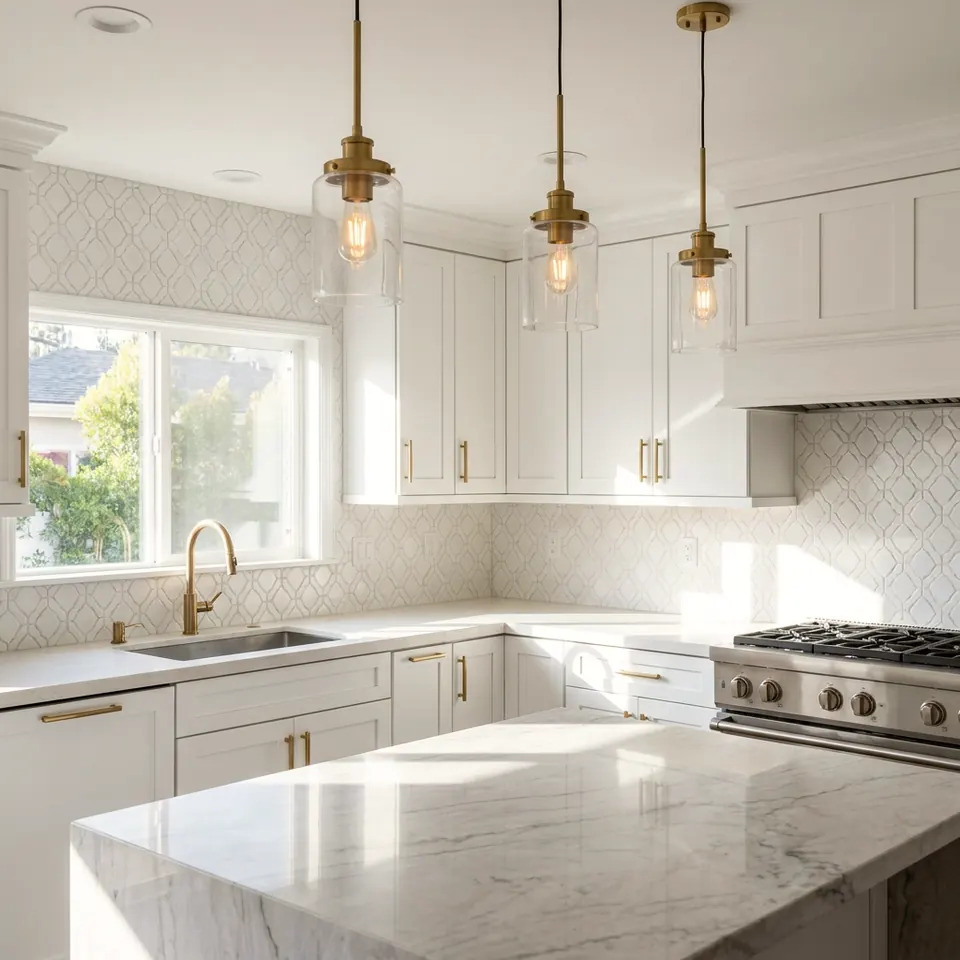
Porcelain is the stronger pick for floors, showers, patios, and any spot that sees heavy traffic or water. Ceramic is a good fit for walls, backsplashes, and low-traffic rooms where easier cutting and a wider range of decorative styles matter more. In most Los Angeles homes, the answer is both: porcelain where it works hard, ceramic where it mostly looks good.
How porcelain and ceramic tile actually differ
Both are made from clay, shaped, and fired in a kiln. The difference comes from the clay mix and the firing. Porcelain uses a finer, denser clay fired at higher heat, which produces a harder, less porous tile. Ceramic is typically a bit softer and more porous.
The Tile Council of North America (TCNA) is the industry body that publishes installation standards, and it defines porcelain tile partly by its very low water absorption. That is why porcelain is the usual go-to for wet and outdoor areas.
What that means in daily life:
- Porcelain: denser, harder, handles moisture and heavy use, often more difficult to cut.
- Ceramic: easier to cut and drill, often lighter, usually fine for walls and light-duty floors.
- Color: many porcelain tiles carry color and pattern all the way through the body (often called through-body), which makes chips less noticeable. Ceramic usually has a glaze on top of a different colored body, so a chip can show.
Always check the manufacturer's rating on the box. Some tiles sold as "ceramic" are rated for floors and some are wall-only, and the label is more reliable than the name.
Porcelain vs ceramic tile side by side
| Factor | Porcelain | Ceramic |
|---|---|---|
| Water absorption | Very low | Higher |
| Hardness and wear | Stronger for heavy traffic | Fine for light traffic and walls |
| Typical locations | Floors, showers, entries, patios | Walls, backsplashes, powder rooms |
| Cutting and installing | Harder to cut, needs the right blade | Easier to cut and shape |
| Chip appearance | Often less visible (through-body) | Can show a different color body |
| Style range | Wide, including wood and stone looks | Very wide, especially wall tile shapes |
| Weight | Often heavier | Often lighter |
Use this as a starting point, not a rule. A well-made ceramic floor tile can outperform a cheap, thin porcelain, so the product rating matters more than the category.
Which one fits each room in a Los Angeles home
Los Angeles homes vary a lot: 1920s bungalows with older subfloors, mid-century homes on slabs, and newer condos with sound and weight limits. Here is how the choice usually plays out.
Kitchen floors: Porcelain. It tolerates dropped pans, rolling chairs, and constant foot traffic.
Kitchen backsplash: Ceramic is a great choice. It sees splashes, not impact, and the decorative options are broad.
Bathroom floors: Porcelain, ideally with a texture or slip-resistance rating suited to wet feet.
Shower walls and floors: Porcelain is the safer pick for the floor and often the walls too. What sits behind the tile, including the waterproofing, matters as much as the tile itself.
Entryways and hallways: Porcelain. Grit tracked in from outside wears softer surfaces faster.
Patios, balconies, and outdoor kitchens: Porcelain rated for exterior use. Strong sun and open exposure are tough on many materials, so an outdoor-rated, low-absorption tile is the sensible choice. Check that the tile is rated for outdoor use before buying.
Fireplace surrounds and accent walls: Ceramic works well and is easier to cut around corners and outlets.
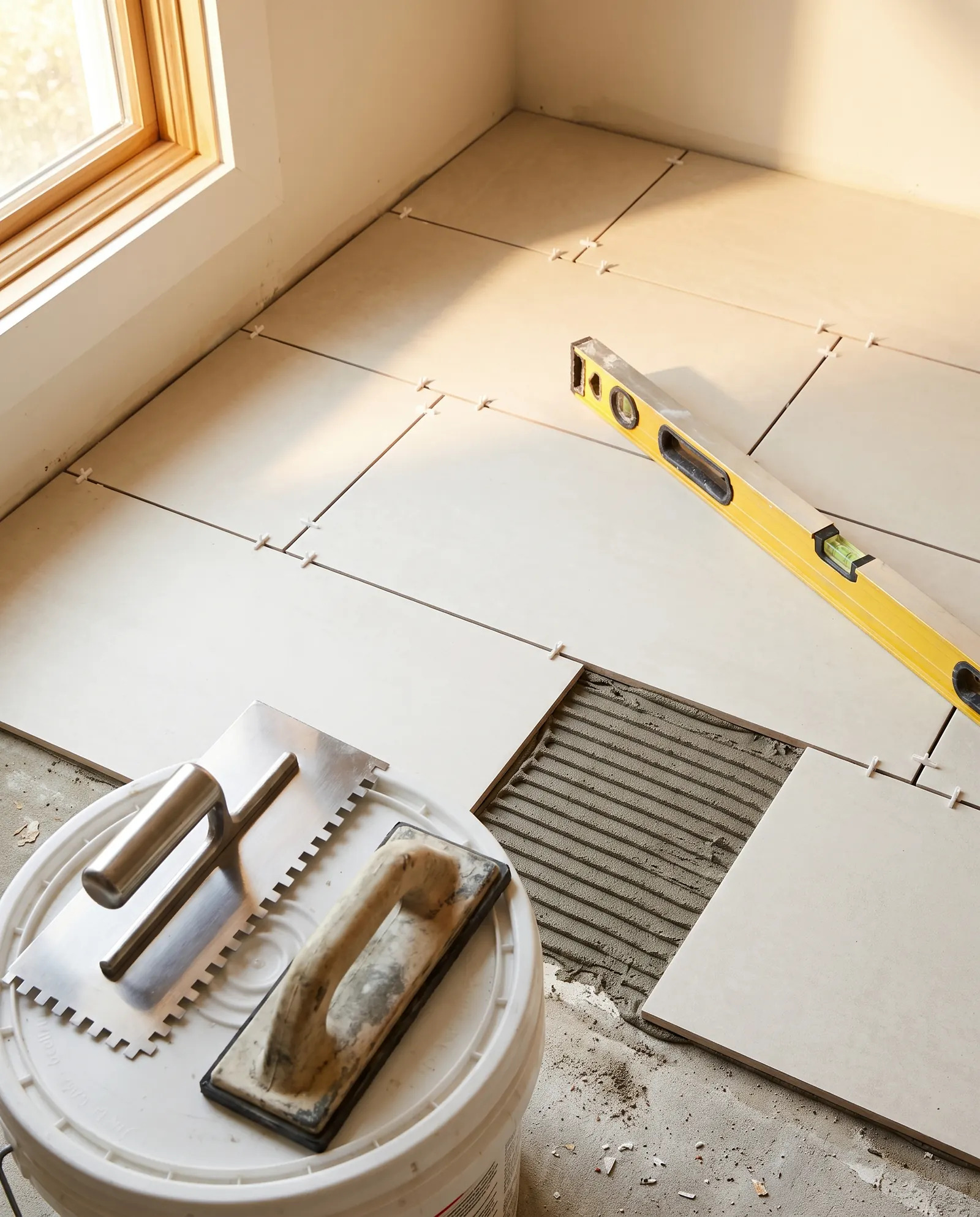
Porcelain on the floor and ceramic on the walls is a common, practical pairing.
Water, mold, and the layers behind the tile
Tile itself is not what fails in most wet rooms. The layers underneath are. Grout lines are porous unless sealed or made from a stain-resistant formula, and water that gets behind tile can feed mold. The EPA's guidance on mold stresses that moisture control is the key to preventing growth in a home.
Whichever tile you choose, plan for:
- A flat, sound surface. Tile cracks when the base flexes or is uneven.
- Proper waterproofing in showers and tub surrounds. Do not rely on grout alone.
- Correct thinset or adhesive for the tile type and size. Large-format porcelain often needs a different approach than small wall tile.
- Movement joints where the layout calls for them, so the tile can shift slightly without cracking.
- Sealed or suitable grout, and caulk (not grout) at corners and changes of plane.
TCNA's installation handbook is the standard reference for these methods, and a good installer follows it.
Cost, effort, and long-term upkeep
Without talking numbers, here is how the trade-offs generally shake out.
Porcelain tile often costs more for the material and takes more effort to cut and set, because it is dense and hard on blades. Ceramic is typically easier on tools and faster to work with, which can make wall projects simpler.
Over time, porcelain tends to hold up better under heavy use, so it is a sensible choice where you do not want to redo the floor. Ceramic in the right place, such as a backsplash, can last a long time too.
Upkeep for both is simple:
- Sweep or vacuum grit regularly, since it scratches glazes.
- Use a pH-neutral cleaner and avoid harsh abrasives.
- Reseal grout if the manufacturer recommends it.
- Fix cracked grout or failed caulk early, before water gets behind the tile.

A careful layout and a flat base matter as much as the tile you pick.
Quick checklist before you buy
- Is the tile rated for floors, walls, or both?
- Is it rated for wet areas or outdoor use if that is where it is going?
- What is the slip-resistance information, if available, for bathrooms and patios?
- Do you have a few extra tiles (a common practice is to buy a little over) for cuts and future repairs?
- Are all boxes from the same lot, so color matches?
- Does your subfloor or wall need repair or leveling first?
- Have you chosen grout and sealer suited to the room?
When to call a pro
Plenty of homeowners can tile a small ceramic backsplash with patience, the right trowel, and a wet saw. That is a reasonable weekend DIY.
Bring in help when:
- You are tiling a shower, tub surround, or any area where waterproofing must be right.
- You are laying large-format porcelain, which needs a very flat surface and careful setting.
- The subfloor is uneven, soft, or has water damage.
- You see cracked tile, hollow sounds, or stains that suggest moisture below.
- The work touches plumbing, electrical, or structural elements. Depending on scope, some jobs may involve permits; check with LADBS if you are unsure.
If you hire anyone for home work, the California Contractors State License Board offers guidance for consumers on hiring a contractor. Our tile service covers repair and installation, and you can send a photo for a written quote if you want an outside opinion on your project.
FAQ
Is porcelain tile always better than ceramic?
No. Porcelain is stronger and more water-resistant, which makes it ideal for floors and wet areas. Ceramic is perfectly suitable for walls and low-traffic spaces and is easier to cut.
Can I use ceramic tile in a shower?
Often on the walls, if the tile is rated for it and the waterproofing behind it is done properly. Shower floors usually do better with porcelain. Check the manufacturer's rating.
How can I tell which type I have?
Look at the edge or a chipped spot. A uniform color through the tile suggests through-body porcelain, while a different colored body under a glaze suggests ceramic. The box or spec sheet is the most reliable source.
Is porcelain tile good for outdoor patios in Los Angeles?
Outdoor-rated porcelain is a common choice because of its low water absorption and durability. Make sure the tile is specifically rated for exterior use and has appropriate texture for traction.
Does the type of tile affect how long installation takes?
It can. Dense porcelain is harder to cut and large formats need careful prep, so the job may take more effort than ceramic. Surface preparation often matters most.
Sources
- Tile Council of North America
- EPA: A Brief Guide to Mold, Moisture, and Your Home
- CSLB: Hire a Contractor
- LADBS: Permits and Inspections
Safety note: work on electrical panels, gas, structure or anything that needs a permit should be done by a licensed contractor with the required permits.
STATOX Handyman Service · Send a photo · +1 (820) 200-4919
Keep reading
 paintingAcrylic vs Oil-Based Paint: Which Fits Your ProjectAcrylic vs oil based paint explained for Los Angeles homes: where each works, how they differ in cleanup, smell, and finish, and how to choose with confidence.
 bathroomBathroom Repair Prep Checklist Before the Handyman VisitUse this bathroom repair prep checklist to clear the space, gather photos, and find your shutoffs so your handyman visit goes smoothly. Read before you book.
 bathroomBathroom Tile vs Vinyl vs Acrylic Surrounds: ComparedBathroom tile vs vinyl vs acrylic: how each surround handles water, cleaning, and repairs in Los Angeles homes. Read before you choose your material.