Bathroom Tile vs Vinyl vs Acrylic Surrounds: Compared
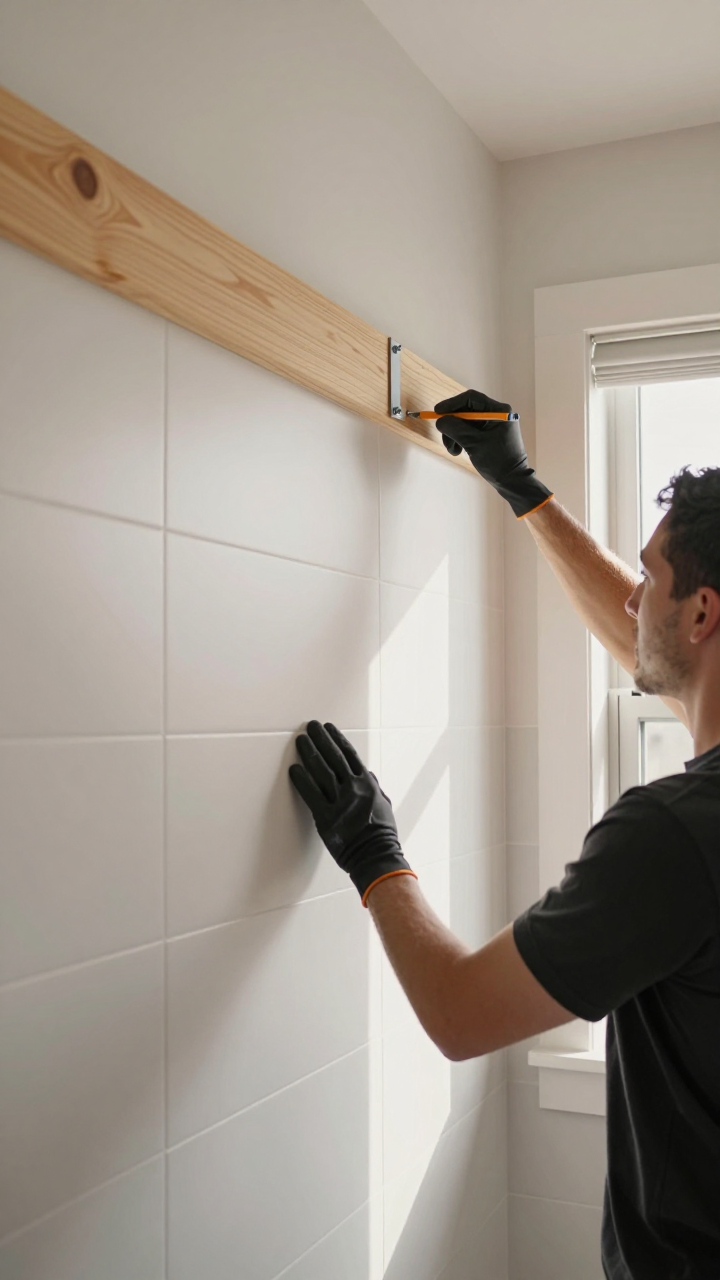
If you are weighing bathroom tile vs vinyl vs acrylic, here is the short answer: tile gives you the most design freedom and a long-lasting surface when it is installed over a proper waterproof system. Acrylic surrounds are the simplest to clean and have the fewest seams. Vinyl wall panels sit in between on ease of install, but they depend heavily on the wall behind them and the sealant at the edges.
The right pick depends on how you use the bathroom, how much maintenance you want, and what is behind the walls. Let's walk through each option.
How Tile, Vinyl, and Acrylic Surrounds Differ
Tile (ceramic or porcelain) is built up in layers: a backer board or waterproof membrane, thinset mortar, the tile, and grout. The tile itself is waterproof, but grout lines are not fully so. The system behind the tile does the real work.
Acrylic surrounds are molded sheets, often paired with a matching tub or shower base. They come as one piece or a few large panels, so there are very few seams.
Vinyl wall panels (and vinyl sheet or plank flooring) are thinner, lighter, and usually glued or fastened to a prepared wall. They can look like tile or stone, but the look is printed or embossed rather than built from separate pieces.
Each one is a different trade-off between flexibility, seams, and effort. None is automatically right for every home.
Side-by-Side Comparison
| Feature | Tile | Vinyl panels | Acrylic surround |
|---|---|---|---|
| Design choices | Widest range of sizes, colors, patterns | Many printed looks | Limited colors and shapes |
| Seams and joints | Many grout lines | Few seams, sealed edges | Fewest seams |
| Cleaning | Grout needs periodic scrubbing and sealing | Wipe-down surface | Wipe-down surface |
| Installation effort | Highest, multiple steps and cure times | Moderate | Moderate, needs accurate fit |
| Repair | Replace individual tiles, regrout | Replace a panel or patch | Deep damage is hard to repair; minor scratches can sometimes be buffed |
| Feel and look | Solid, custom | Can feel lighter | Smooth, uniform |
| Fits odd layouts | Yes, cut to any shape | Somewhat | Needs correct size or custom cuts |
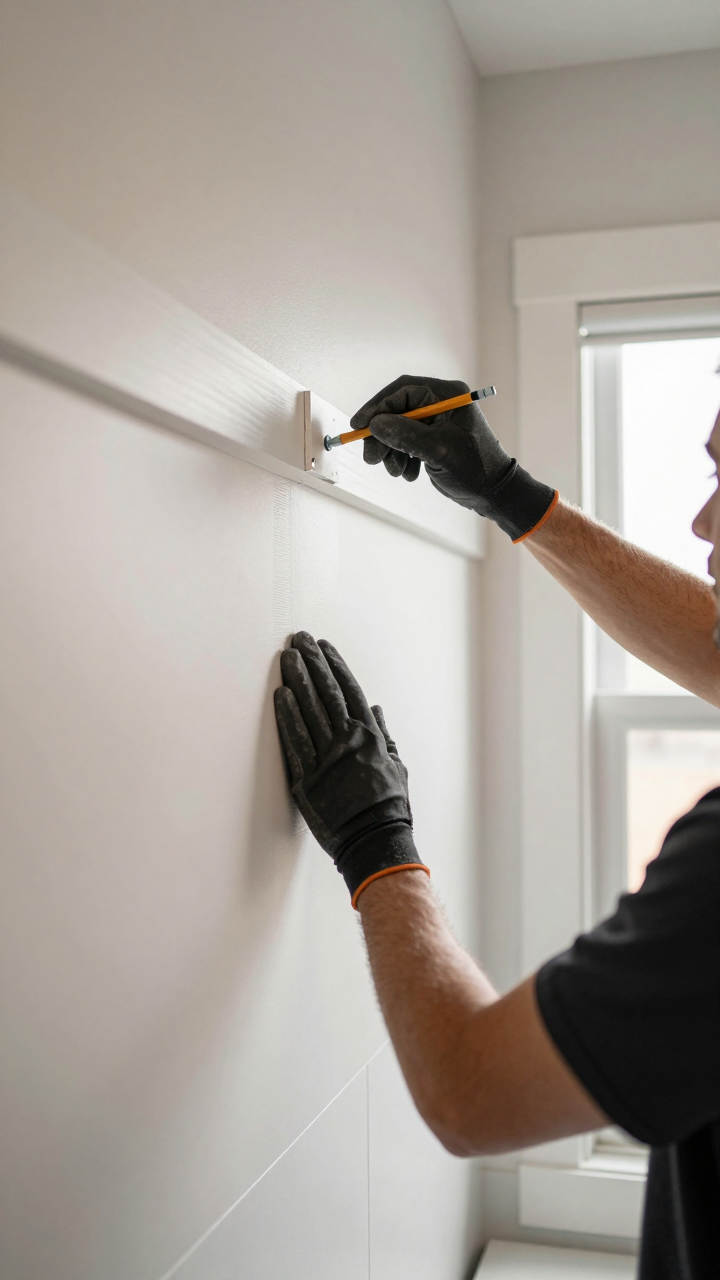
Corners, valves, and tub edges are where water usually finds its way in, no matter the material.
Water, Mold, and What Is Behind the Wall
In any bathroom, moisture control matters more than the surface you see. The EPA explains that mold needs moisture to grow, so controlling moisture is the key to preventing it indoors (see Sources).
With tile, a failed grout line or cracked caulk can let water behind the surface. That is why the waterproofing layer is so important. With acrylic and vinyl, the weak points are the corners, the tub edge, and any cutouts for valves and shower heads. Those joints rely on sealant, and sealant ages.
A simple rule: whichever material you choose, treat the seams and penetrations as the spots to inspect every few months.
Day-to-Day Care and Longevity
Tile: Squeegee or wipe walls after showers, clean grout with a mild cleaner, and reseal cementitious grout as the manufacturer recommends. Epoxy grout resists staining well but is harder to work with. The Tile Council of North America (TCNA) publishes industry standards for tile installation that professionals often reference.
Vinyl: Clean with non-abrasive products. Harsh scrubbing can dull printed finishes. Watch for lifting edges, which can be an early sign of moisture or failed adhesive.
Acrylic: Use soft cloths and gentle cleaners. Abrasive powders can leave scratches that hold soap film. It is easy to keep clean, but a crack or deep gouge often means replacing the unit.
A quick maintenance checklist
- Run the exhaust fan during and after showers.
- Check caulk lines for gaps, color changes, or peeling.
- Press gently on walls to find soft spots, bulging, or hollow-sounding areas.
- Re-caulk with a bathroom-rated sealant when it looks worn.
- Fix drips and leaks promptly; the EPA WaterSense program encourages regular leak checks.
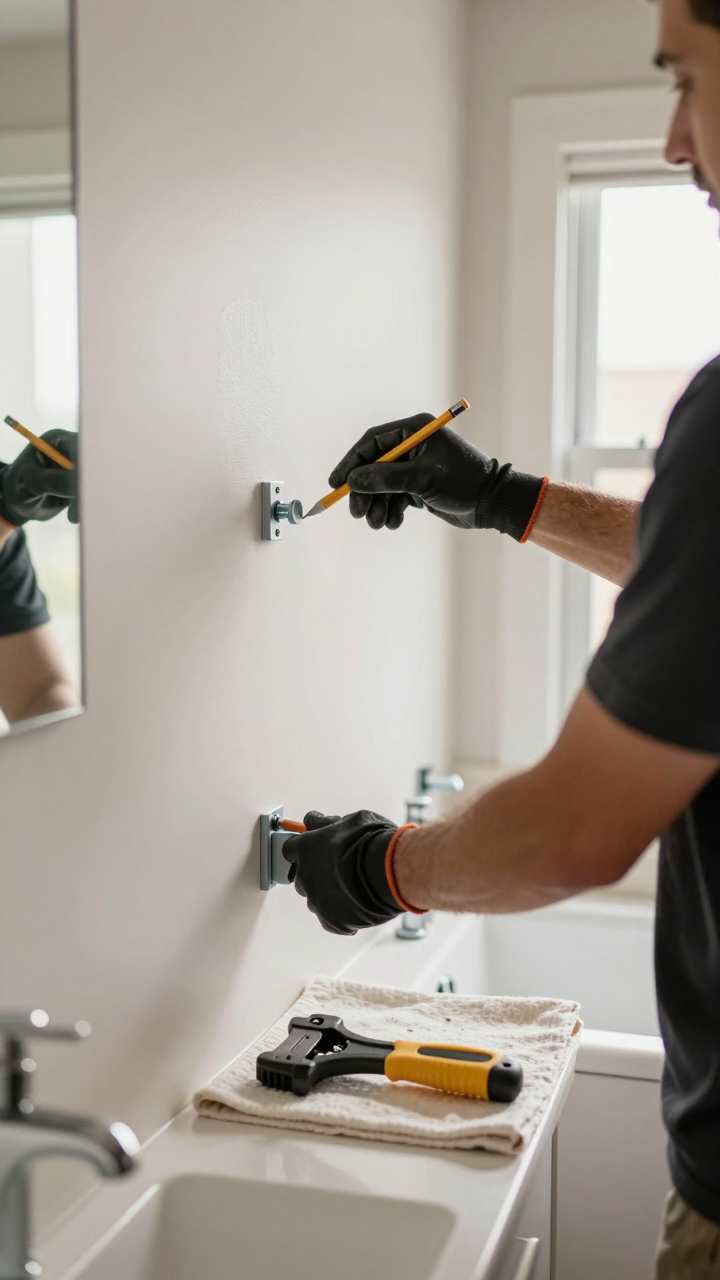
What is behind the surface decides how long any surround performs.
Choosing and Installing for Your Bathroom
Start with how the room is used.
- Hall bathroom with kids: Acrylic or large-format tile, since fewer seams mean less scrubbing.
- Primary bath with a design goal: Tile, for custom patterns, niches, and benches.
- Quick refresh on a tight scope: Vinyl panels or an acrylic insert, if the walls behind are sound.
- Older Los Angeles home with out-of-square walls: Tile adapts well, since it is cut and set piece by piece. Premade surrounds need a more accurate fit.
If you plan to stay for years, a well-built tile shower can be repaired in small pieces. If you want a low-fuss surface, acrylic keeps things simple.
Every option starts with the same question: what condition is the wall in? Here is the typical order of work.
- Protect the room and isolate the water as needed.
- Remove the old surface and inspect the framing and backing.
- Repair or replace damaged drywall, backer, or blocking.
- Install waterproofing or a suitable substrate for the chosen material.
- Set the tile, panels, or surround following the manufacturer's directions.
- Seal joints and penetrations with the right sealant.
- Let adhesives, mortar, or grout cure before using the shower.
Skipping the inspection step is a risk: a new surface over a wet or soft wall only hides the problem. For more on how we approach this kind of work, see our bathroom service page.
When to Call a Pro
Small jobs are very doable for a careful DIYer: re-caulking, replacing a few cracked tiles, regrouting a limited area, or swapping a worn vinyl panel.
Call a professional when you see:
- Soft, spongy, or stained drywall or backer behind the surface
- Musty smells that return after cleaning
- Plumbing changes, such as moving a valve or shower head
- A full tile shower build, where waterproofing details matter
- An acrylic unit that needs a precise fit in a tight alcove
Some bathroom projects may require permits, especially when plumbing or structure changes. The Los Angeles Department of Building and Safety publishes information on permits and inspections. It is also smart to read the California Contractors State License Board's guidance on hiring a contractor before you sign anything.
If you are not sure what you are dealing with, you can send a photo for a written quote and describe the problem area.
FAQ
Is tile or acrylic the right choice in a shower?
It depends on your priorities. Tile offers more design choice and can be repaired in sections. Acrylic has fewer seams and is simpler to clean.
Can vinyl panels go over existing tile?
Sometimes, if the tile is flat, solid, and dry. Grout lines can telegraph through or cause adhesion problems. Check the panel manufacturer's instructions, and consider removing the tile if the wall is questionable.
Does grout cause mold?
Grout itself does not, but unsealed grout is porous and can hold moisture and soap film. Good ventilation, regular cleaning, and sealing as recommended help keep it under control.
How do I know if water is getting behind my surround?
Look for loose or cracked tile, gaps in caulk, soft or bulging walls, stains on the other side of the wall, or a persistent musty smell. If you notice any of these, have it checked before covering anything.
Can I replace just the shower walls without redoing the floor?
Often yes, as long as the shower base or floor is in good shape and the joint between the two can be sealed properly. A pro can check this before work starts.
Sources
- U.S. EPA: A Brief Guide to Mold, Moisture, and Your Home
- Tile Council of North America
- LADBS: Permits and Inspections
- CSLB: Hire a Contractor
Safety note: work on electrical panels, gas, structure or anything that needs a permit should be done by a licensed contractor with the required permits.
STATOX Handyman Service · Send a photo · +1 (820) 200-4919
Keep reading
 bathroomBathroom Repair Prep Checklist Before the Handyman VisitUse this bathroom repair prep checklist to clear the space, gather photos, and find your shutoffs so your handyman visit goes smoothly. Read before you book.
 bathroomCommon Bathroom Problems in Los Angeles Homes and FixesLearn the most common bathroom problems and fixes for Los Angeles homes, from leaks to mold and slow drains, so you know what to tackle first.
 bathroomHow to Choose a Bathroom Handyman in Los AngelesLooking for a bathroom handyman Los Angeles homeowners can trust? Learn what to ask, what to check, and which red flags to avoid before you hire.