DIY or Hire a Pro for Tile Work? How to Decide in LA
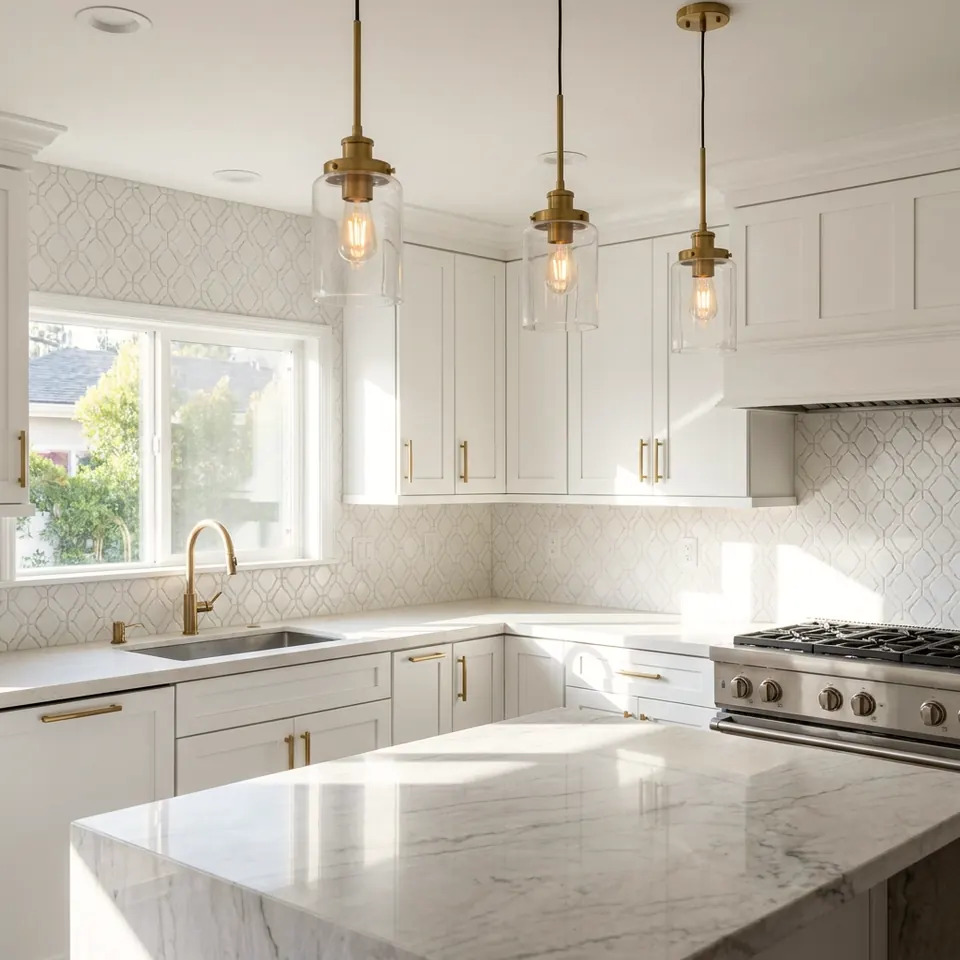
When it comes to DIY tile vs hiring a pro, the honest answer is that small, dry, flat jobs suit a patient beginner, while showers, large-format tile, uneven floors, and anything involving water or structure are safer with a professional. The deciding factors are the surface underneath, the tile size, moisture exposure, and how much a mistake would cost to undo. Below is a practical way to sort your project into the right pile.
What Makes Tile Harder Than It Looks
Tile looks simple: spread adhesive, press, repeat. In reality, the finished result depends mostly on work you never see.
- Surface prep. Tile follows whatever is underneath it. A dip, hump, or flexing subfloor shows up as cracked grout or loose tile later.
- Layout. Where you start decides whether you end with neat full tiles or thin awkward slivers at a doorway.
- Adhesive coverage. Tile needs full contact with the setting material. Hollow spots lead to cracks.
- Cure times. Rushing grout, sealer, or use of the surface is one of the most common beginner mistakes.
The Tile Council of North America (TCNA) publishes industry installation standards and is a good reference for understanding what a proper installation involves.
Jobs That Usually Work Well for DIY
Some projects forgive mistakes and give you room to learn. These are good candidates if you have a free weekend and some patience:
- A small kitchen backsplash on a flat, dry wall
- Replacing a few cracked wall or floor tiles
- Regrouting a small area
- A small, low-traffic floor with a solid, level base
- Peel-and-stick or other simple decorative tile for an accent wall
Even on these, set up properly. Plan the layout on the floor first, check that the surface is clean and flat, and buy a little extra tile for cuts and future repairs.
Jobs Where a Pro Earns Their Keep
Other projects have much less margin for error. Consider hiring help for:
- Showers and tub surrounds. Water management is the whole job. A small flaw in waterproofing can cause hidden damage behind the wall.
- Large-format tile. Big tiles demand a very flat surface and careful technique to avoid lippage (uneven edges).
- Heated floors or custom patterns. Mistakes are hard to remove.
- Uneven or bouncy floors. The base may need correction before any tile goes down.
- Natural stone. It can stain, etch, and chip, and it needs the right products.
- Whole-room or multi-room floors. Consistent layout across doorways is hard to manage without experience.
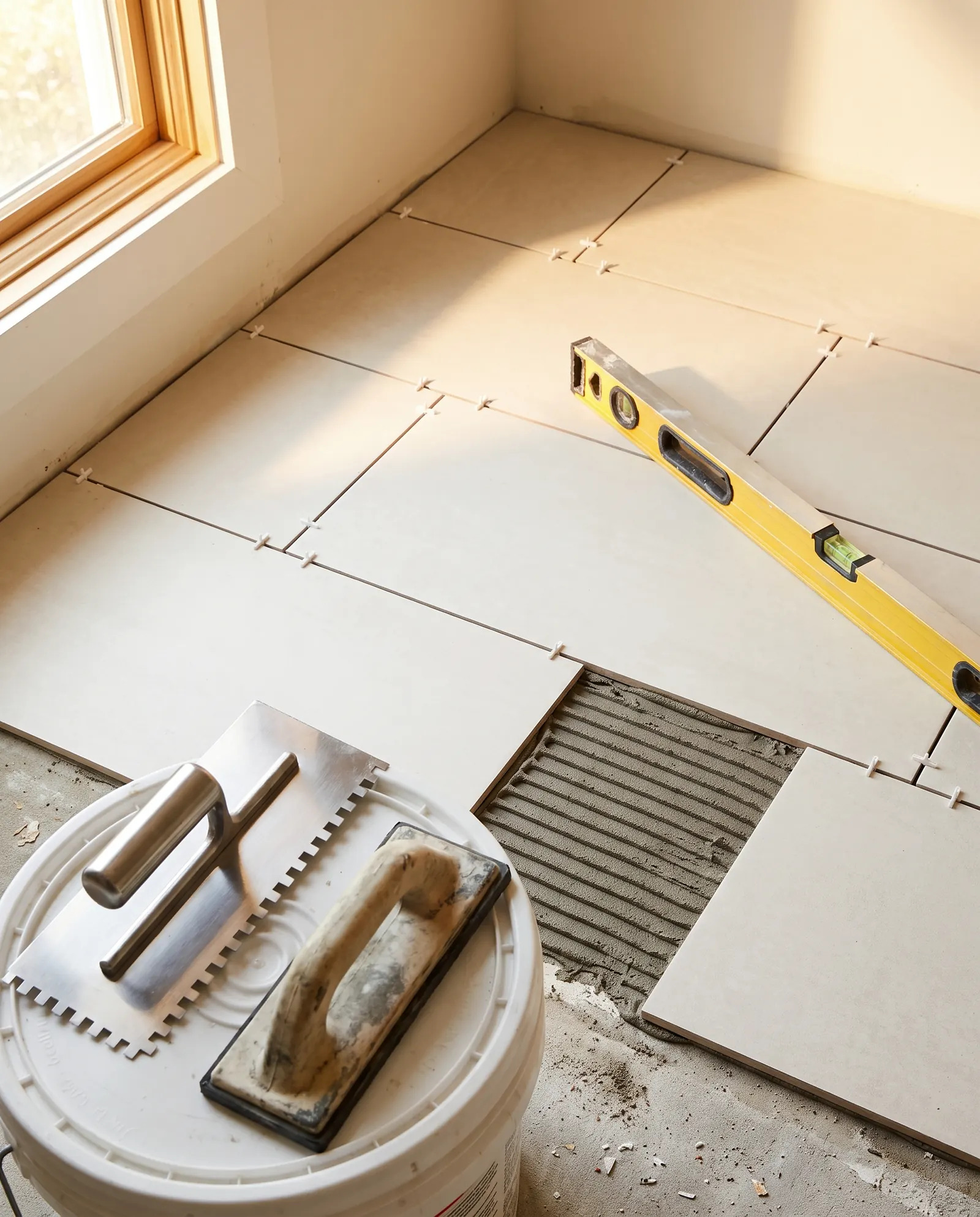
Checking the floor for flatness before any tile is set saves trouble later.
DIY vs Pro: Side-by-Side Comparison
| Factor | DIY | Hiring a pro |
|---|---|---|
| Ideal for | Small, dry, flat projects | Wet areas, large rooms, complex layouts |
| Tools | You buy or rent them | Already owned and maintained |
| Learning curve | Steep for first-timers | Experience handles surprises |
| Surface prep | Easy to underestimate | Assessed and corrected as part of the job |
| Risk if wrong | Redo work, wasted material | Lower, since technique is practiced |
| Your time | Often more than expected | Mostly planning and decisions |
| Cleanup and disposal | Yours to handle | Typically part of the service |
Notice that the table says nothing about cost. That is intentional: a DIY mistake in a shower can easily outweigh any savings, but a simple backsplash done yourself can be very rewarding.
Los Angeles Factors to Consider
LA homes bring a few local wrinkles.
Older houses and slab floors. Many LA homes have concrete slabs, older plaster walls, or additions with different floor heights. Cracks and uneven spots in slabs should be evaluated before tiling.
Moisture. Bathrooms, laundry areas, and exterior-facing walls need careful handling. The EPA notes that controlling moisture is the key to preventing mold, which is why waterproofing and ventilation matter so much in wet rooms.
Condos and rentals. If you live in a multi-unit building, check HOA rules on flooring, noise, and work hours. Renters should get written approval from the landlord first.
Permits. Simple tile replacement usually does not need a permit, but if you are changing plumbing, walls, or structure as part of a remodel, check with the Los Angeles Department of Building and Safety (LADBS) before you begin.
Outdoor tile. Patios and entries face sun, temperature swings, and occasional heavy rain. They need materials rated for exterior use and a base that drains properly.
A Quick Self-Check Before You Decide
Answer these honestly:
- Is the surface flat, solid, and dry?
- Is the area small enough to finish without rushing?
- Will water regularly touch this surface?
- Do I have, or can I get, the right tools (trowel, spacers, cutter, level)?
- Can I live with a visible imperfection if it happens?
- Do I have time to let each stage cure properly?
If you answered "no" to the first, third, or fifth questions, lean toward hiring help. If most answers are "yes" and the job is small, DIY is reasonable.

Even grout lines and clean edges are the result of careful layout and prep.
When to Call a Pro
Be honest with yourself: DIY is not always cheaper in the long run, and a pro is not always necessary. Call for help when:
- The project involves a shower, tub surround, or any area with regular water exposure
- You see cracks, soft spots, or movement in the floor or wall
- You are working with large-format tile or natural stone
- You notice signs of past leaks, such as staining, a musty smell, or crumbling grout
- You have a firm deadline, such as guests, a sale, or a move
- You started the job and realized it is bigger than expected
There is no shame in a hybrid approach. Some homeowners handle demolition and cleanup, then hand the setting work to a professional. Our tile service page explains the kinds of jobs we take on.
If you are unsure, you can send a photo for a written quote and get a clearer sense of what the job involves before deciding.
When hiring anyone for home work, the California Contractors State License Board (CSLB) has consumer guidance on how to check a contractor and what to put in writing. Get scope, materials, and timeline details in writing.
FAQ
Can a beginner tile a bathroom floor?
It is possible on a small, flat, solid floor, but bathrooms have moisture, odd cuts around toilets and tubs, and little room for error. Start with a smaller project if you have never tiled before.
How do I know if my floor is flat enough for tile?
Lay a long straightedge across the surface in several directions and look for gaps. Noticeable dips or humps should be corrected first. Large tiles require a flatter surface than small ones.
Do I need a permit to replace tile in Los Angeles?
Swapping tile on its own typically does not. If the work involves plumbing, electrical, or structural changes, check with LADBS first.
Is grout sealing necessary?
It depends on the grout and tile type. Cement-based grout is porous and often benefits from sealing, while some other grouts are less absorbent. Follow the manufacturer's instructions.
What if I start DIY and want to stop?
Stop before you set more tile. Take clear photos of the surface and work so far, so a professional can assess what is salvageable.
Sources
- California CSLB: Hire a Contractor
- Los Angeles Department of Building and Safety: Permits and Inspections
- EPA: A Brief Guide to Mold, Moisture, and Your Home
- Tile Council of North America
Safety note: work on electrical panels, gas, structure or anything that needs a permit should be done by a licensed contractor with the required permits.
STATOX Handyman Service · Send a photo · +1 (820) 200-4919
Keep reading
 tileCracked or Loose Tile: Causes and Fixes for LA HomesCracked tile repair Los Angeles homeowners can trust starts with finding the cause. Learn what makes tile crack or loosen and what actually fixes it.
 tilePorcelain vs Ceramic Tile: Which Fits a Los Angeles Home?Porcelain vs ceramic tile for Los Angeles homes: how they differ in water, wear, and install, and which suits your floor, shower, or backsplash. Read first.
 paintingAcrylic vs Oil-Based Paint: Which Fits Your ProjectAcrylic vs oil based paint explained for Los Angeles homes: where each works, how they differ in cleanup, smell, and finish, and how to choose with confidence.