DIY vs Hiring a Painter: What to Weigh Before You Start
If you're weighing diy vs hire painter, the short answer is this: paint a small, simple, low-risk room yourself if you have the weekends and patience, and hire a pro when the job involves height, older surfaces, extensive prep, or a finish you need to look flawless. The deciding factors are rarely the paint itself. They are prep, time, safety, and how much you care about the final result.
This guide walks through how to size up your own project, what each route really involves, and where Los Angeles homes tend to throw curveballs.
What Painting Really Involves (It's Mostly Prep)
Most people picture the rolling and brushing. Professionals will tell you the paint going on is a small slice of the work. The rest looks like this:
- Moving or covering furniture and protecting floors
- Washing walls and removing grease, dust, or mildew
- Scraping loose paint and sanding rough spots
- Filling nail holes, dings, and small cracks, then sanding smooth
- Caulking gaps at trim, baseboards, and window frames
- Priming stains, patches, and bare surfaces
- Taping edges and cutting in around ceilings, trim, and corners
- Two coats, with proper drying between them
- Cleanup, touch-ups, and tool washing
Skipping prep is the most common reason DIY paint jobs look uneven or peel early. If you enjoy detail work and don't mind the slow parts, DIY is realistic. If prep sounds like a chore you'll rush, that's a signal.
Honest Pros and Cons: DIY vs Hiring
Neither choice is automatically smarter. It depends on your project, your schedule, and your tolerance for imperfection.
| Factor | DIY | Hiring a painter |
|---|---|---|
| Your time | Significant; prep and cleanup often take longer than expected | Mostly freed up, though you'll prep the space and make decisions |
| Tools | You buy or borrow brushes, rollers, ladders, sanders, and drop cloths | Crew brings its own equipment |
| Finish quality | Depends on your patience and practice | Typically cleaner lines and more even coverage |
| Height and access | Ladders add real fall risk | Crew is set up for stairwells, high ceilings, and exteriors |
| Flexibility | Work whenever you like, stop when you like | You coordinate a schedule with the crew |
| Mistakes | You fix them yourself | Corrections are a conversation with your contractor |
| Satisfaction | Many people enjoy doing it themselves | Good for those who want it done and done well |
Size Up Your Project Before You Decide
Run through these questions honestly. The more "yes" answers in the second column, the more a pro makes sense.
| Question | Leans DIY | Leans pro |
|---|---|---|
| How big is the area? | One bedroom or bathroom | Whole house, multiple rooms, exterior |
| How high are the walls? | Standard ceilings | Vaulted ceilings, stairwells, two stories |
| What shape are the surfaces? | Smooth and sound | Peeling, cracked, water-stained, or textured |
| How old is the home? | Recent construction | Older home with many paint layers |
| What's your deadline? | Flexible | Tight (a sale, a move-in, an event) |
| How picky are you? | A decent refresh is fine | You want crisp, even lines everywhere |
Where Los Angeles Homes Add Complications
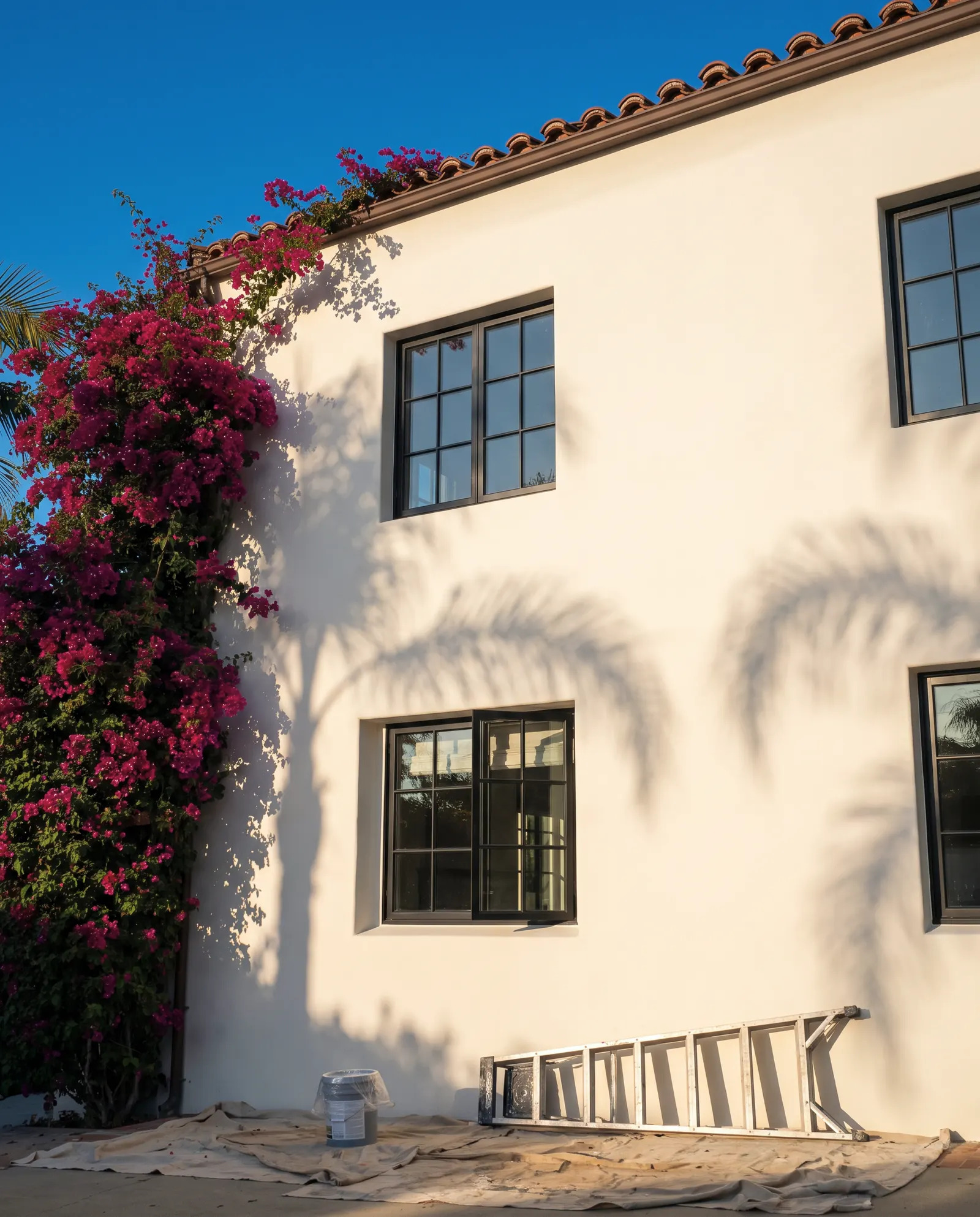
Hairline cracks and sun-faded paint are common on LA stucco and need repair before any new coat.
Local conditions change the equation more than people expect.
Stucco exteriors. Stucco is porous and textured, so it soaks up paint and hides cracks until you look closely. Patching hairline cracks and choosing the right primer and coating matter. Rolling or spraying a large exterior also takes practice to keep an even finish.
Strong sun. Southern California sun fades and chalks paint. Surfaces facing south and west often need extra attention to prep, and the product you choose should suit exterior exposure.
Older homes and lead. Many LA houses were built decades ago, and older paint may contain lead. The EPA explains the risks and runs a Renovation, Repair and Painting program with rules for work that disturbs paint in older homes. If your house is old and you plan to sand or scrape, read the EPA pages in the sources below first, and think carefully before disturbing the surface yourself.
Condos and rentals. If you live in an HOA building or rent, check what you're allowed to change, which colors are permitted, and whether approvals are needed before you buy a single can.
Permits. Basic repainting generally doesn't involve a permit, but if repairs expand into structural or other building work, check with the city. The LADBS permits and inspections page is a good starting point.
Safety, Ladders, and Air Quality
A stable ladder on level ground and good ventilation make DIY painting safer.
Two safety topics deserve real attention.
Ladders. Falls from ladders are a well-known cause of home injuries, and OSHA publishes basic ladder guidance. A few habits help:
- Place the ladder on firm, level ground.
- Keep your body centered between the rails; don't overreach.
- Maintain three points of contact when climbing.
- Don't stand on the top step.
- Move the ladder rather than stretching sideways.
If the job needs an extension ladder, scaffolding, or work over stairs, that's a strong reason to hire.
Fumes and ventilation. Some paints, primers, and cleaners release volatile organic compounds (VOCs). The EPA notes that VOCs can affect indoor air quality. Open windows, run fans so air moves outward, take breaks, and keep kids and pets out of the area. Look for low-VOC options on the label if that matters to your household.
How to Decide: A Simple Checklist
Before committing either way, work through this list:
- [ ] Walk the space and note cracks, stains, peeling, or damaged drywall
- [ ] Measure the walls and ceilings so you can estimate paint needs
- [ ] Count the hours honestly, including prep, two coats, and cleanup
- [ ] Check whether any surface needs a ladder taller than a step stool
- [ ] Find out if your home is old enough that lead paint could be present
- [ ] Review HOA or landlord rules if they apply
- [ ] Sample two or three colors on the wall and look at them morning and evening (the Benjamin Moore color library is handy for browsing)
- [ ] Decide what an acceptable result looks like to you
If most items feel manageable, DIY is a fair choice. If several feel like trouble, it's worth getting a pro's opinion.
When to Call a Pro
Doing it yourself is a perfectly good option for many projects. Hiring tends to make more sense when:
- The work is on a second story, a tall exterior, or a stairwell
- Surfaces are peeling, bubbling, or water-damaged and need repair first
- Your home is older and the paint may contain lead
- You're covering a whole house or many rooms and want it finished in a coordinated way
- You have a firm deadline
- The finish matters a lot, such as cabinets, trim, or a feature wall with sharp lines
- You'd rather spend your weekends elsewhere
When you hire anyone for home work in California, use the Contractor State License Board's consumer guidance on hiring a contractor. It explains what to ask, what to put in writing, and how to check a contractor's standing.
If you'd like help sizing up a project, our painting service page explains what we handle. You can also send a photo for a written quote and compare it with your own estimate of time and materials.
FAQ
Is it cheaper to paint a room myself?
You skip labor, but you take on the cost of tools, primer, supplies, and your own time. Mistakes that require repainting or repairs can erase the difference, so count everything before assuming DIY wins.
How long does a DIY paint job take compared with a pro?
Beginners usually take longer because prep, taping, and two coats add up, and drying time limits how fast you can move. A crew works faster through practice, but scheduling depends on their availability.
Can I paint over old paint without sanding?
Sometimes, but glossy or damaged surfaces generally need scuff sanding, cleaning, and primer for the new coat to hold. If the old paint is peeling, scrape and repair it first. In an older home, consider the lead question before sanding.
Should I worry about lead paint?
If your home was built long ago, it's worth taking seriously. The EPA has guidance on lead exposure and rules for renovation work that disturbs paint. Read those pages before sanding or scraping.
What should I ask a painter before hiring?
Ask what prep is included, which products they plan to use, how many coats, how they protect floors and furniture, and what the written scope covers. Get everything in writing, and review the CSLB consumer tips first.
Sources
- CSLB: Hire a Contractor
- EPA: Renovation, Repair and Painting Program
- EPA: Volatile Organic Compounds' Impact on Indoor Air Quality
- OSHA: Ladders
Safety note: work on electrical panels, gas, structure or anything that needs a permit should be done by a licensed contractor with the required permits.
STATOX Handyman Service · Send a photo · +1 (820) 200-4919
Keep reading
 paintingAcrylic vs Oil-Based Paint: Which Fits Your ProjectAcrylic vs oil based paint explained for Los Angeles homes: where each works, how they differ in cleanup, smell, and finish, and how to choose with confidence.
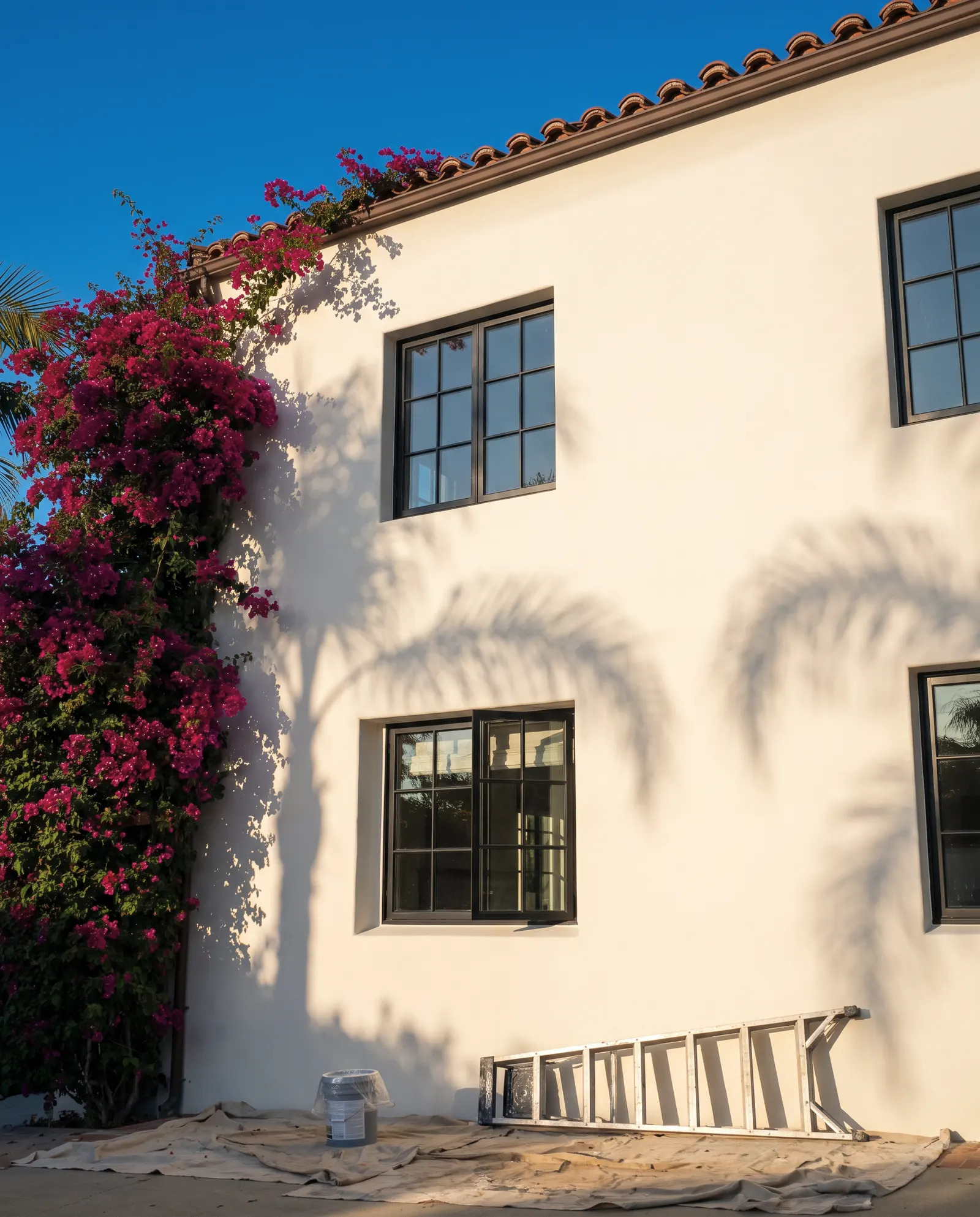
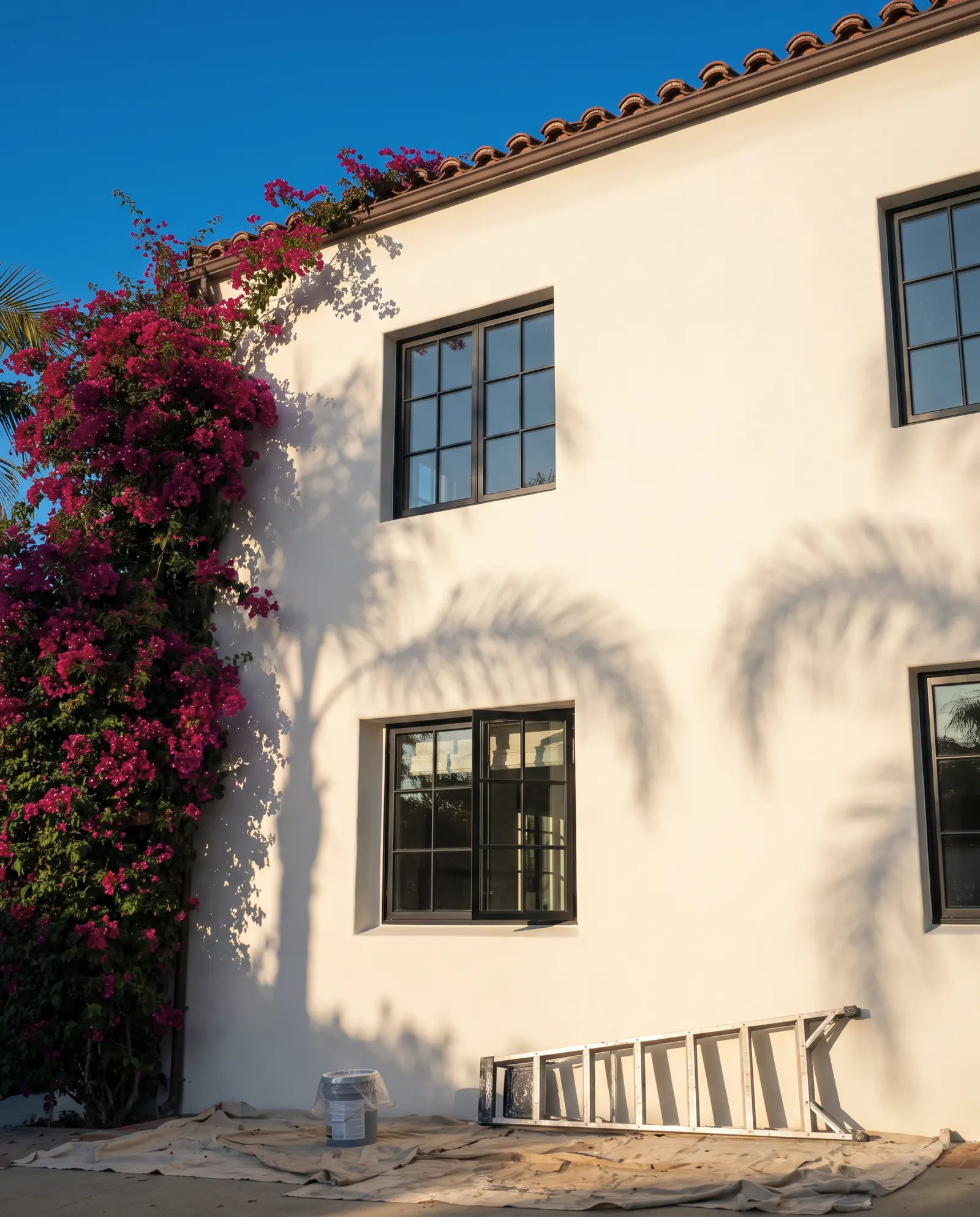 paintingHow to Choose a House Painter in Los AngelesLooking for a house painter in Los Angeles? Learn how to compare bids, check credentials, and spot red flags so your paint job holds up. Read before you hire.
 paintingInterior Painting Prep Checklist for Your LA HomeUse this interior painting prep checklist for your Los Angeles home to protect floors, fix walls, and get a smooth finish. Read before you open a can.