How to Choose a House Painter in Los Angeles
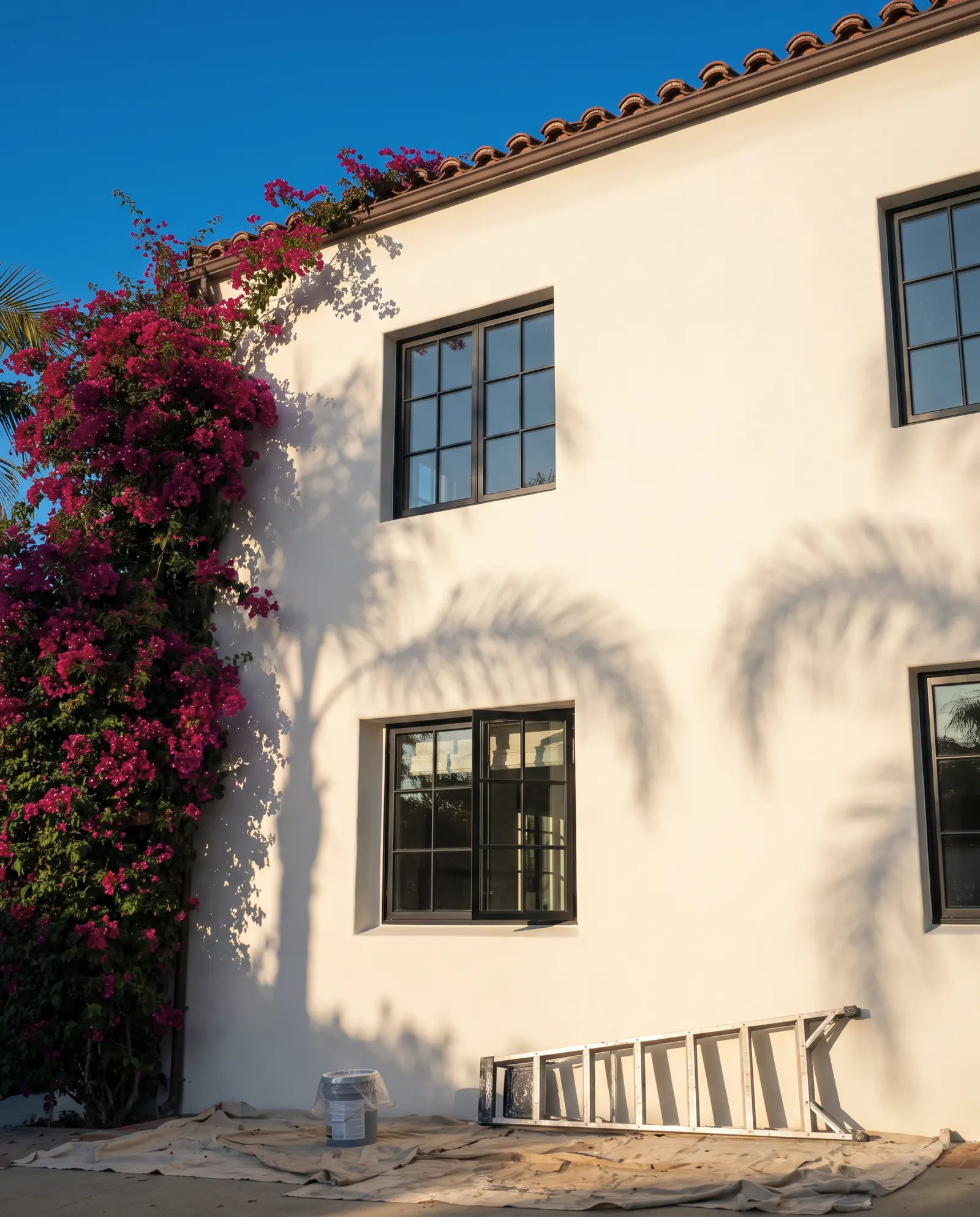
To choose a house painter in Los Angeles, check their California contractor status with the state, ask for a written scope that spells out prep work and products, and compare bids line by line rather than by the bottom number. Look at past work similar to your home, whether stucco, wood siding, or older plaster. A good painter will talk about preparation more than paint colors.
Start With What You Actually Need Painted
Before you call anyone, get clear on the job. Painters can only give useful bids when they know what they are bidding on.
Walk your home and note:
- Interior or exterior, or both
- Surfaces: stucco, wood siding, trim, drywall, plaster, cabinets, ceilings
- Condition: peeling, cracking, chalking, stains, water marks, mildew
- Height: one story, two stories, or areas that need tall ladders or scaffolding
- Occupancy: will you be living in the house during the work?
Take photos of problem areas. In Los Angeles, strong sun is hard on exterior paint, and stucco often develops hairline cracks that need attention before any coat goes on. If you can show these details up front, you will get more accurate bids and fewer surprises.
Check Credentials the Right Way
In California, painting jobs above a certain size generally require a contractor license from the Contractors State License Board (CSLB). The CSLB website lets you look up a contractor by name or license number, see the license classification, and check for complaints or disciplinary actions. Their consumer pages also explain what to include in a contract.
Do this check yourself instead of relying on a business card or website claim.
A quick verification routine:
- Ask for the contractor's name and license number.
- Look it up on the CSLB site and confirm the name matches.
- Confirm the classification fits painting work.
- Ask whether workers on your job are employees of the company or subcontractors, and who supervises them.
- Ask how they handle any damage to your property during the job.
If someone is vague about any of these answers, treat that as useful information.
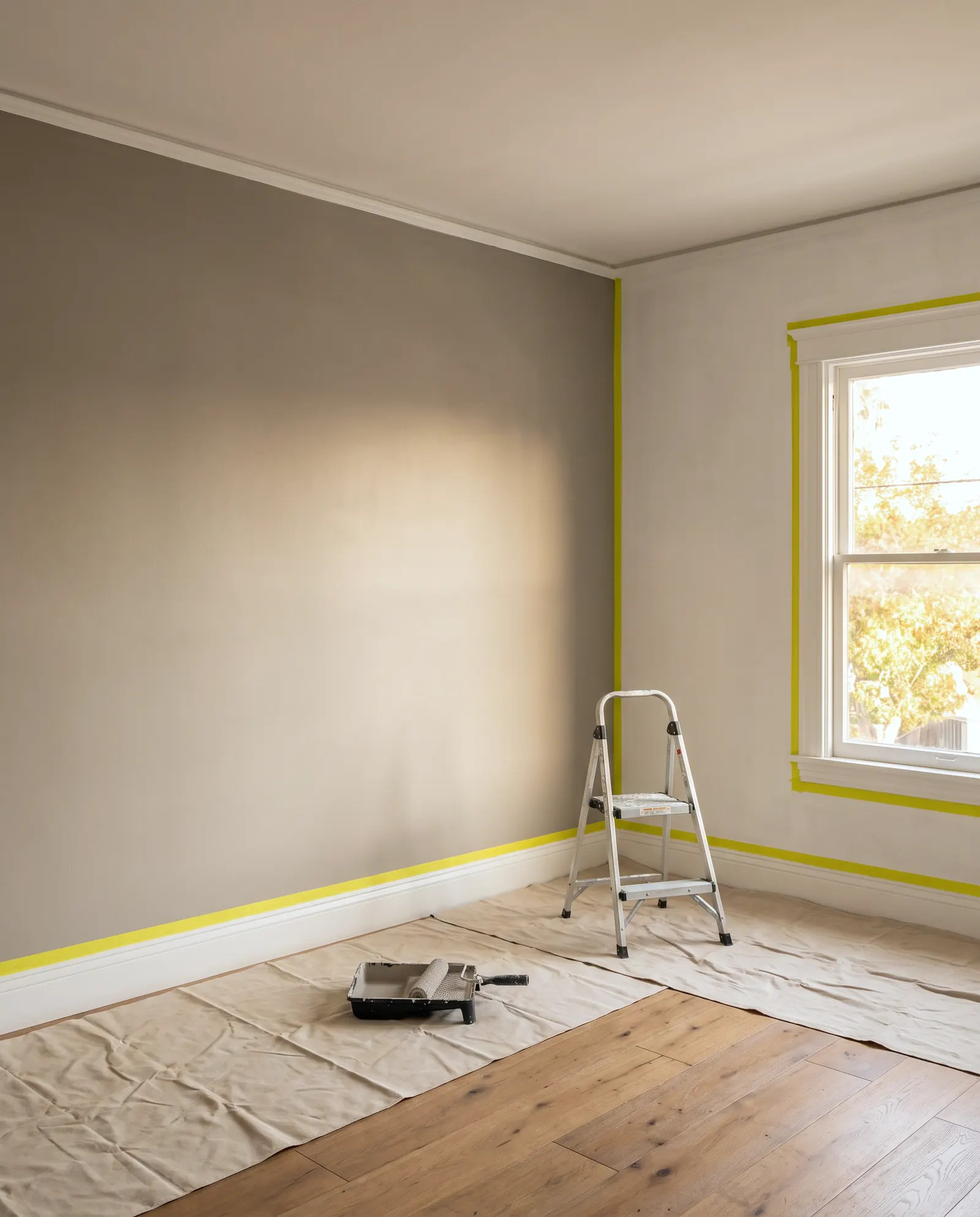
Good paint jobs are won in the prep: scraping, patching, and priming come first.
Compare Bids on Scope, Not Just the Total
Two bids for the same house can look similar and cover very different work. The difference is almost always in the prep and the materials.
A solid written estimate should state:
- Which surfaces will be painted and which will not
- How surfaces will be prepared (scraping, sanding, patching, caulking, priming)
- The product name and line for primer and paint, and the number of coats
- How trim, doors, ceilings, and garage areas are handled
- Who protects floors, furniture, plants, and landscaping
- Cleanup and trash removal
- Payment terms and what happens if the scope changes
Here is how a thorough bid compares with a thin one:
| What to look for | Thorough bid | Thin bid |
|---|---|---|
| Prep work | Described by surface | "Prep as needed" |
| Paint product | Brand, line, and sheen named | "Quality paint" |
| Coats | Primer and finish coats listed | Not stated |
| Repairs | Cracks, caulk, and wood rot noted | Left out |
| Protection | Floors, plants, and fixtures covered | Not mentioned |
| Change orders | Process explained in writing | Verbal only |
If one bid is much simpler than the others, ask what is missing before assuming it is a bargain.
Ask Questions That Reveal How They Work
The way a painter answers matters as much as what they say. Ask these and listen for specifics:
- "How will you prep the stucco cracks and the peeling trim?"
- "What primer will you use on bare wood or stained areas?"
- "How long should paint dry between coats in this weather?"
- "How do you protect the house from overspray and dust?"
- "Who will be on site each day, and who is my point of contact?"
- "What does your cleanup routine look like at the end of each day?"
Pay attention to ladder and height safety too. OSHA publishes guidance on ladder use, and a careful painter will use ladders or scaffolding correctly rather than improvising on a steep or uneven yard.
Ask about paint odor and ventilation if you are sensitive or have kids, pets, or anyone with breathing concerns at home. The EPA notes that paints can release volatile organic compounds (VOCs) indoors, so ask about low-VOC options and how rooms will be aired out.
Older Homes, Permits, and Lead Paint
Many Los Angeles homes were built decades ago, and older paint layers may contain lead. The EPA runs a Renovation, Repair and Painting program with rules for work that disturbs paint in older housing, and it offers guidance on protecting your family from lead exposure. If your home is old, ask the painter directly how they handle sanding and scraping and what they do about dust.
Most painting alone does not require a building permit, but projects that include structural repairs, window replacement, or significant exterior changes might. The Los Angeles Department of Building and Safety (LADBS) explains permits and inspections on its site, and it is worth checking when painting is part of a bigger remodel. If you live in an HOA or a historic area, check any color or material rules before you commit to a palette.
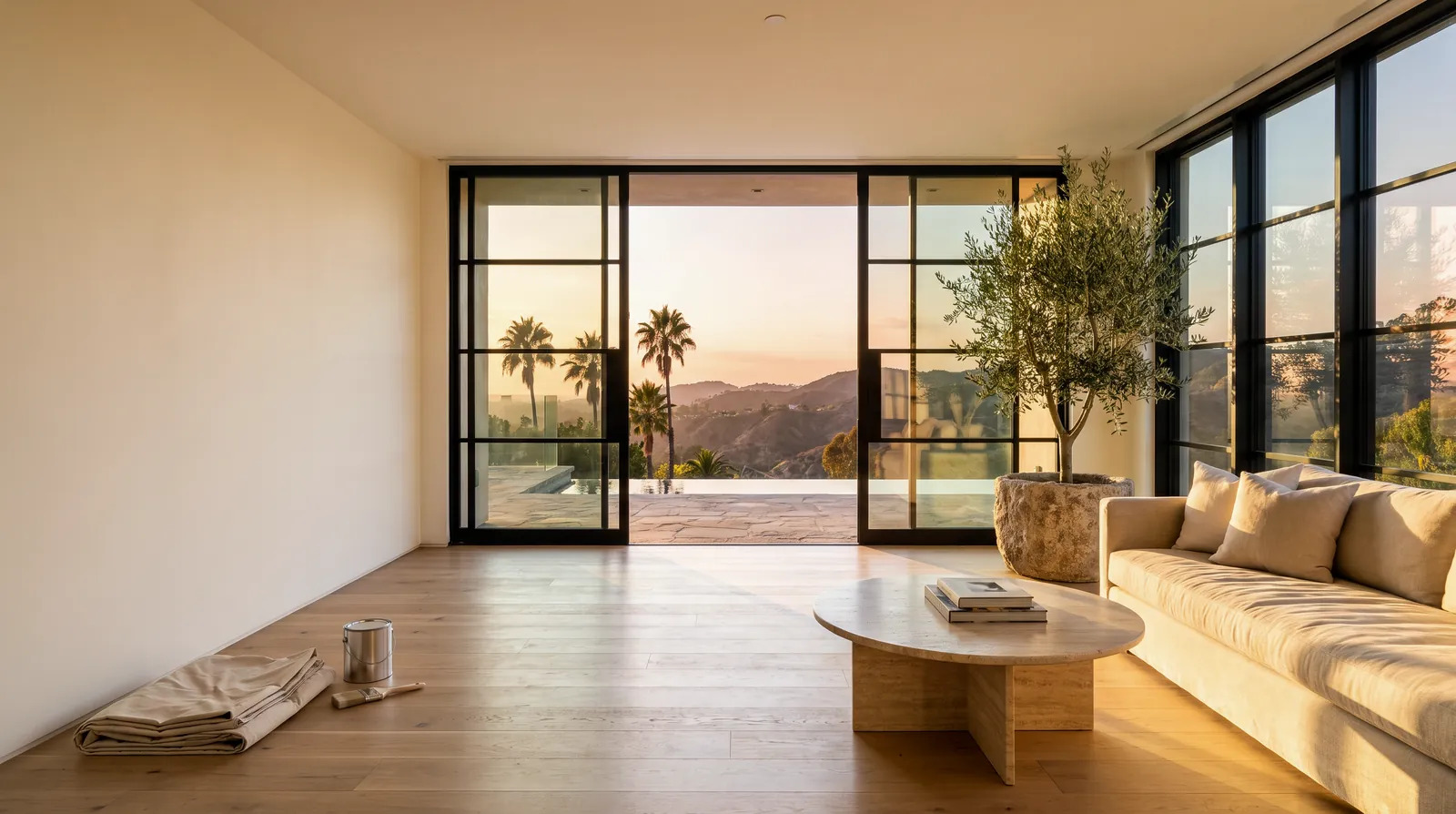
Test swatches on the wall and look at them in morning and evening light.
Red Flags to Watch For
Most problems with painters are visible early. Be cautious if you see:
- A large cash-only demand or pressure to pay before work begins
- No written contract, or a contract missing the scope
- Refusal to share a license number
- Pressure to decide quickly
- Unwillingness to describe prep steps
- No plan for protecting your property
- A bid that skips repairs you can plainly see
The CSLB's consumer guidance on hiring a contractor covers payment practices and contract basics. Read it before you sign anything.
When to Call a Pro
Painting a small bedroom, a closet, or a single accent wall is a reasonable DIY project if you have the time, patience, and a steady hand with a brush. The result depends mostly on preparation and taking your time.
Hire a professional when:
- The job is exterior and above a single story
- There is peeling paint in an older home, where lead may be a concern
- Stucco has cracks, or wood has rot or water damage
- You want crisp lines on high ceilings, stair walls, or trim
- You need cabinets or doors refinished evenly
- You simply don't have the weekends to spare
A pro brings the right tools, a faster process, and experience with surfaces you may not want to learn on. If you want to see what that looks like, take a look at our painting service. Or send a photo for a written quote and we'll tell you what we see.
FAQ
How many painters should I get bids from?
Two or three is usually enough to compare scope and approach. More than that can make it harder to tell the differences, so focus on bids that are detailed and written.
Should I choose the cheapest bid?
Not automatically. A low number may leave out prep, priming, or repairs. Compare what each bid includes, then decide which scope actually matches your home's condition.
What time of year works for painting a house in Los Angeles?
Mild, dry weather is ideal for exterior work because paint needs to dry and cure properly. Avoid painting in direct, intense sun or when rain is forecast. A thoughtful painter will plan around conditions.
Do I need to move furniture before painters arrive?
Usually you should clear small items and fragile objects. Many painters will move and cover larger furniture, but confirm this in advance so it is part of the written scope.
How do I choose paint colors?
Look at swatches on the actual wall in different light. Brand color libraries, such as the one at Benjamin Moore, are handy for browsing ideas before you test samples at home.
Sources
- CSLB: Hire a Contractor
- LADBS: Permits and Inspections
- EPA: Renovation, Repair and Painting Program
- OSHA: Ladders
Safety note: work on electrical panels, gas, structure or anything that needs a permit should be done by a licensed contractor with the required permits.
STATOX Handyman Service · Send a photo · +1 (820) 200-4919
Keep reading
 paintingAcrylic vs Oil-Based Paint: Which Fits Your ProjectAcrylic vs oil based paint explained for Los Angeles homes: where each works, how they differ in cleanup, smell, and finish, and how to choose with confidence.
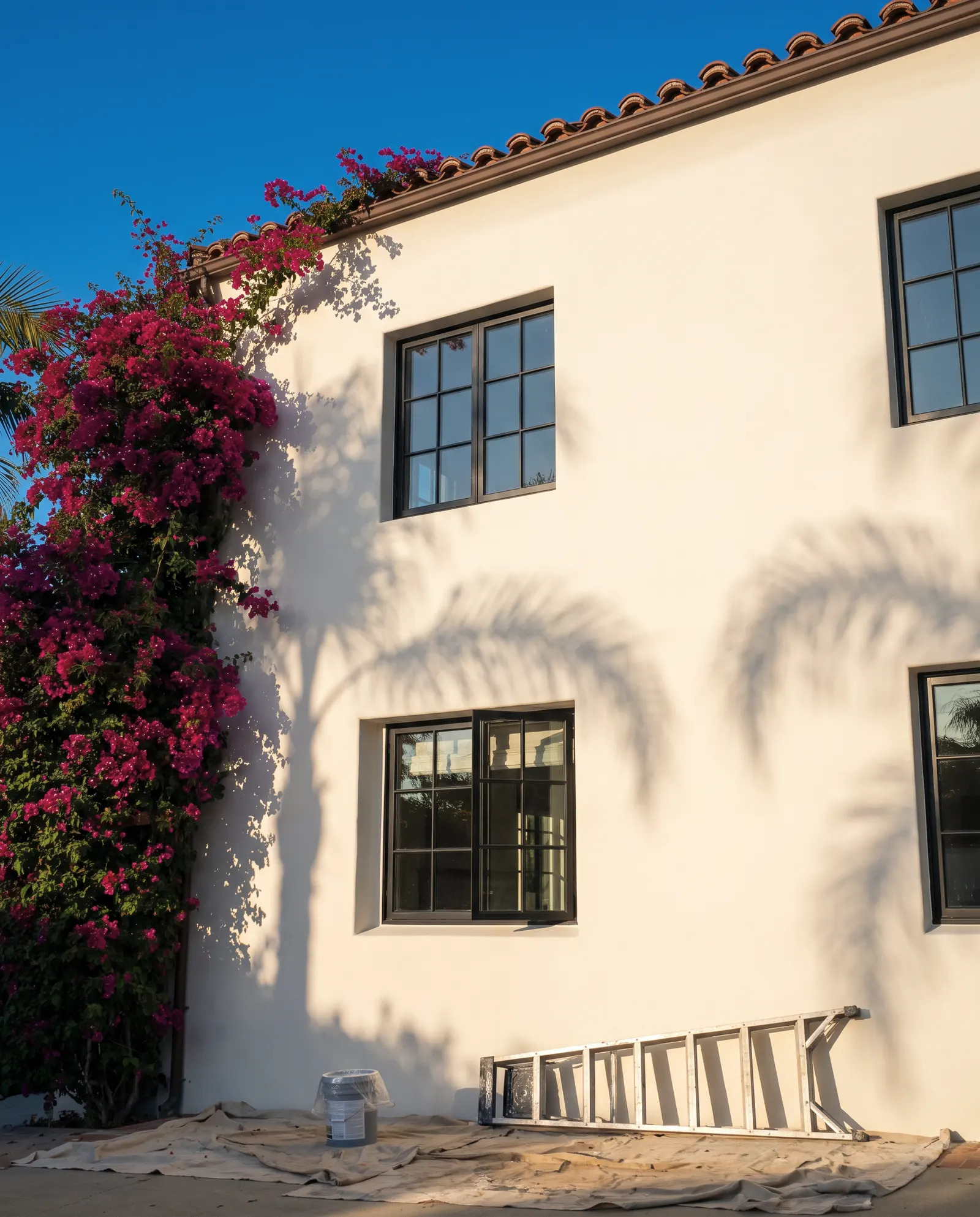 paintingInterior Painting Prep Checklist for Your LA HomeUse this interior painting prep checklist for your Los Angeles home to protect floors, fix walls, and get a smooth finish. Read before you open a can.
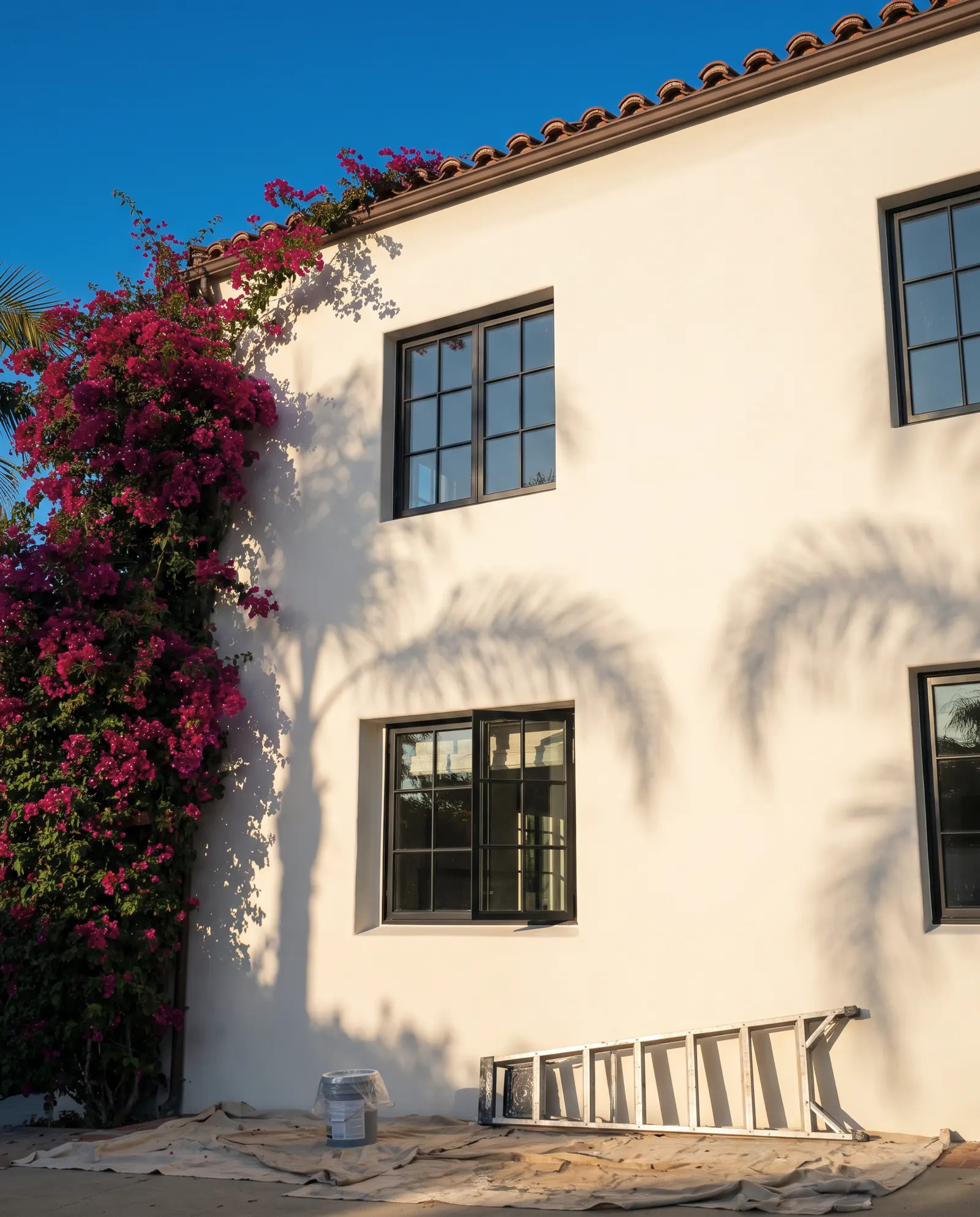 paintingPainting a Brentwood Home: Coastal Air and Exterior CarePlanning painting in Brentwood, Los Angeles? Learn how coastal air, sun, and prep affect exterior paint, and what to check before you start the job.