DIY vs. Pro Plumbing Repairs: What to Handle Yourself
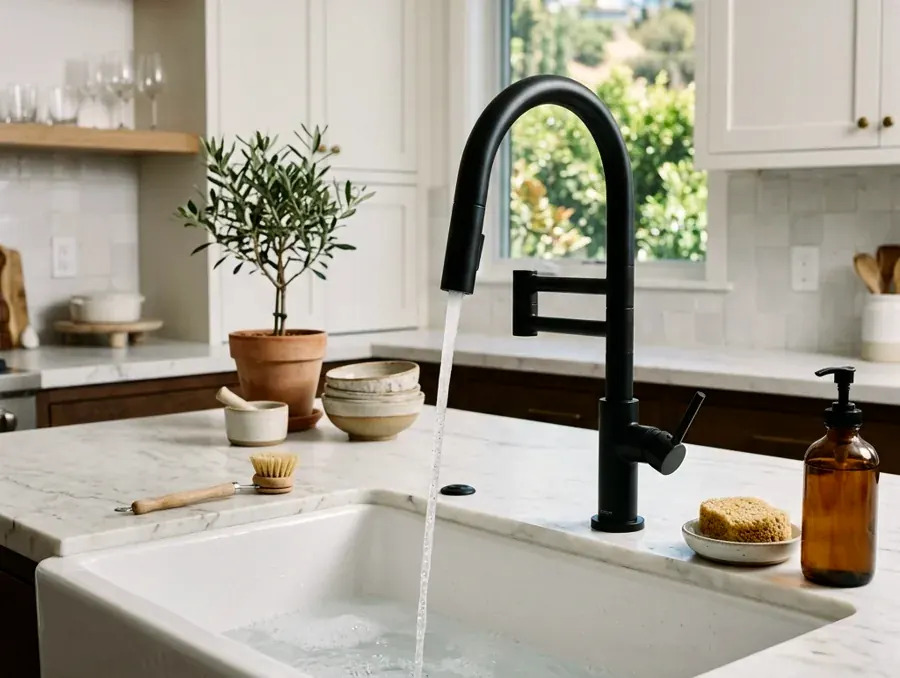
When it comes to DIY vs professional plumbing repair, the rule of thumb is simple: handle fixes at the fixture (a running toilet, a dripping faucet, a slow drain, a loose supply line) and hand off anything inside walls, under slabs, or connected to gas, sewer, or the main water line. If a mistake could flood a room, damage your structure, or put your household at risk, it's a job for a pro. Everything else is fair game with the right tools and a little patience.
Below is a practical breakdown for Los Angeles homes, from stucco bungalows to 1960s apartments with original galvanized pipes.
What You Can Safely Fix Yourself
Most fixture-level repairs are forgiving. If you can shut off water at a nearby valve, you can usually recover from a mistake without a disaster.
Good DIY candidates:
- Running toilet: Usually a worn flapper, a misadjusted fill valve, or a chain that is too tight or too loose. Parts are standard and swap out in minutes.
- Dripping faucet: Often a worn cartridge, washer, or O-ring. Identify the brand and model first so you buy the right part.
- Clogged sink or tub drain: A plunger, a hand drain snake, or cleaning out the P-trap clears most hair and soap clogs.
- Clogged showerhead or aerator: Unscrew, soak in vinegar, scrub, and reinstall.
- Replacing a supply line: Swapping a braided stainless line under a sink or behind a toilet is routine when the shutoff valve works.
- Replacing a showerhead or faucet aerator: Simple threaded connections, often needing only a wrench and plumber's tape.
The EPA's WaterSense program notes that a small household leak can waste a surprising amount of water over time, so even minor fixes are worth doing promptly.
Tools and Prep That Make DIY Plumbing Go Smoothly
Most failed DIY plumbing jobs fail because of preparation, not skill. Before you touch anything:
- Find your shutoff. Locate the fixture shutoff valve and the home's main shutoff. Test both now, not during a leak.
- Clear the area. Put down towels and a bucket. Remove the cabinet contents.
- Take a photo. Snap a picture of the existing setup before disassembly so you can reassemble correctly.
- Gather the basics. Adjustable wrench, channel-lock pliers, plumber's tape, a flashlight, a small bucket, and replacement parts matched to your fixture.
- Relieve pressure. Open the faucet after shutting off the supply so the line drains.
- Test slowly. After reassembly, turn water on gradually and check every connection with a dry paper towel.
Don't overtighten. Compression fittings and plastic nuts crack easily, and a cracked part causes the very leak you were trying to fix.

A dry towel and a good flashlight make checking a new connection much easier.
DIY vs. Professional Plumbing Repair: Side-by-Side
Use this table as a quick gut check.
| Problem | DIY-friendly? | Why |
|---|---|---|
| Running toilet | Yes | Standard parts, low risk |
| Dripping faucet | Yes | Shutoff is close by, simple parts |
| Slow sink drain | Yes | Trap cleaning and snaking are low risk |
| Replacing a supply line | Usually | Fine if the shutoff valve holds |
| Stuck or leaking shutoff valve | Sometimes | Old valves can break when turned |
| Leaking pipe in a wall | No | Hidden damage and repair access |
| Repeated main line backups | No | Likely a root or sewer line issue |
| Water heater problems | Mostly no | Gas, venting, and scalding risks |
| Low pressure throughout the house | Not usually | Could be a regulator, main line, or corrosion |
| Re-piping or moving fixtures | No | Code, permits, and inspection concerns |
The pattern is clear. The farther a problem is from the fixture, and the more it involves gas, sewer, or structure, the more it favors a professional.
Warning Signs a "Simple" Fix Is Not Simple
Sometimes a small symptom points to something bigger. Pause the DIY effort if you notice:
- Water stains or bubbling paint on a wall or ceiling near plumbing.
- A musty smell or visible mold. The EPA notes that controlling moisture is the key to preventing mold growth, so hidden leaks matter.
- Multiple drains gurgling or backing up at the same time.
- A shutoff valve that won't turn or weeps when you try. Forcing it can cause a leak.
- Corroded, flaking, or green-crusted pipes.
- A water meter that moves when every fixture is off.
- Unexplained spikes in your water bill. LADWP's website has information on understanding your usage.
These point to problems that live behind finished surfaces. Chasing them with a wrench often makes things worse.
Permits, Codes, and Los Angeles Rules
In Los Angeles, some plumbing work requires a permit and inspection. Replacing a faucet or toilet generally does not, but work like moving fixtures, replacing a water heater, or re-piping typically does. The Los Angeles Department of Building and Safety (LADBS) lists permit and inspection requirements, and it's smart to check before starting anything beyond fixture swaps.
Unpermitted work can create headaches later, such as trouble during a home sale or insurance questions after a leak. If you are unsure whether a job needs a permit, ask before you cut into anything.
Checking the shutoff valve first tells you whether a repair is a quick swap or a bigger job.
When to Call a Pro
Be honest with yourself about time, tools, and risk. Hiring help is not a failure; it can save you a flooded cabinet or a second trip to the hardware store.
Call a pro when:
- Water is flowing and you can't stop it. Shut off the main, then call.
- The leak is inside a wall, ceiling, or under a slab.
- You smell gas near a water heater. Leave the home and contact your gas utility first.
- Sewage is backing up into tubs, floor drains, or toilets.
- The job involves the main line, pressure regulator, or water heater.
- Pipes are galvanized, polybutylene, or badly corroded and a repair keeps failing.
- The work needs a permit.
- You've tried twice and the problem returned.
For fixture-level repairs that you'd rather not spend your weekend on, our plumbing fixes service covers items like leaky faucets, running toilets, slow drains, and supply line swaps. Not sure what you're looking at? You can send a photo for a written quote and get a clearer idea of the scope.
If you hire any contractor for larger work, the California Contractors State License Board has a guide to hiring a contractor, and it's worth reading before you sign anything.
FAQ
Can I replace a toilet myself?
Many homeowners can. It involves shutting off water, disconnecting the supply line, unbolting the toilet, and setting a new wax ring. The toilet is heavy and awkward, so have a helper. If the flange is cracked or the floor feels soft, stop and get it assessed.
Is it okay to use chemical drain cleaners?
They are rarely a good first step. They can be harsh on older pipes and are hazardous if they splash. Try a plunger, a hand snake, or cleaning the P-trap first. If clogs keep returning, the issue may be deeper in the line.
How do I know if a leak is inside the wall?
Look for stains, warped baseboards, peeling paint, a musty smell, or a water meter that keeps moving when everything is off. Any of these suggest hidden water, and a pro should take a look before walls get damaged further.
Do I need a permit for plumbing repairs in Los Angeles?
Simple fixture swaps usually don't, while larger work like water heater replacement or re-piping often does. Check with LADBS if you're unsure.
Is a dripping faucet worth fixing?
Yes. Small drips add up over time, and the EPA's WaterSense program encourages fixing household leaks. Most drips come from a worn cartridge or washer that's a manageable repair.
Sources
- CSLB: Hire a Contractor
- LADBS: Permits and Inspections
- EPA WaterSense: Fix a Leak Week
- EPA: Brief Guide to Mold, Moisture, and Your Home
Safety note: work on electrical panels, gas, structure or anything that needs a permit should be done by a licensed contractor with the required permits.
STATOX Handyman Service · Send a photo · +1 (820) 200-4919
Keep reading
 plumbing fixesLeaky Faucet, Running Toilet, Slow Drain: Common FixesA practical leaky faucet running toilet slow drain fix guide for LA homeowners: what to check, what to try, and when to stop and call for help.
 paintingAcrylic vs Oil-Based Paint: Which Fits Your ProjectAcrylic vs oil based paint explained for Los Angeles homes: where each works, how they differ in cleanup, smell, and finish, and how to choose with confidence.
 bathroomBathroom Repair Prep Checklist Before the Handyman VisitUse this bathroom repair prep checklist to clear the space, gather photos, and find your shutoffs so your handyman visit goes smoothly. Read before you book.