DIY or Pro: Replacing Light Fixtures, Switches and Outlets
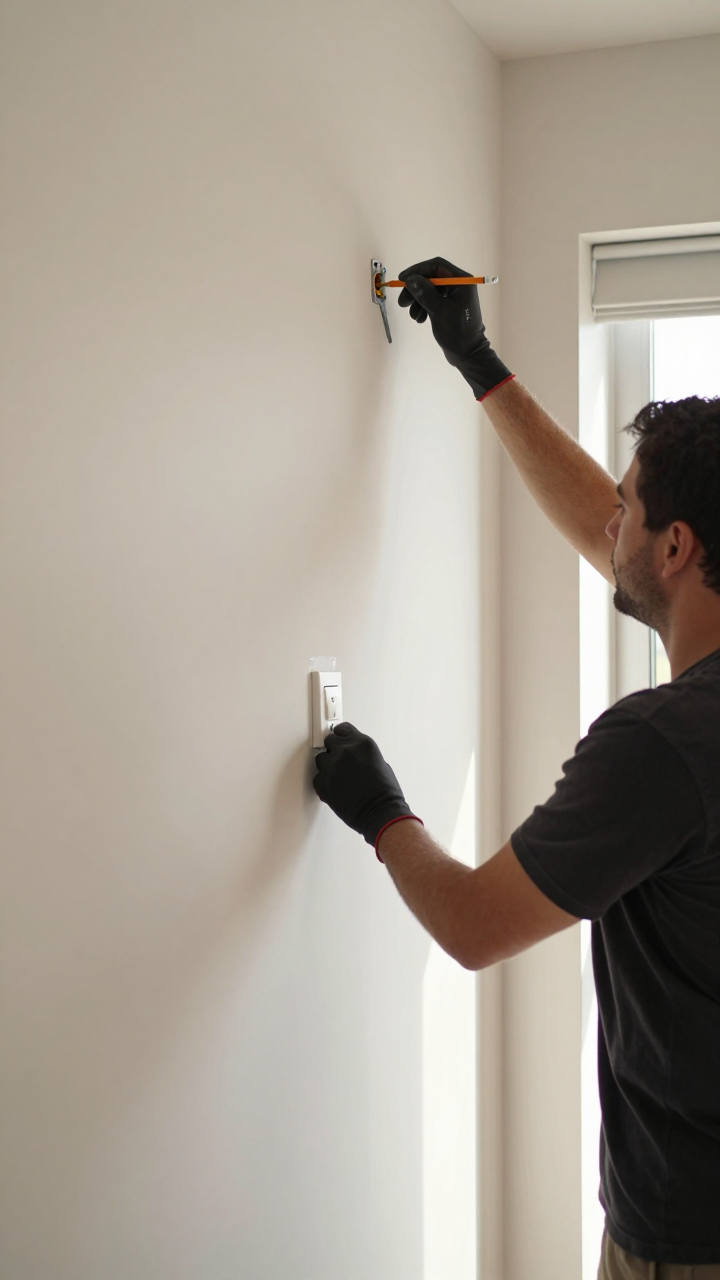
If you are weighing DIY vs hire pro to replace a light fixture, here is the short answer: a like-for-like swap of a fixture, switch, or standard outlet is a reasonable DIY job when the wiring is in good shape, you can confirm the power is truly off, and you have the right tools. Hire a pro when you see damaged or unfamiliar wiring, need a new circuit or new box location, or feel unsure at any step. Electricity gives no second chances, so "unsure" is a good enough reason to stop.
What counts as a simple swap, and what does not
Most of these jobs fall into two groups.
Usually fine for a careful DIYer: - Replacing a ceiling or wall fixture with one of similar weight and type - Replacing a standard toggle switch with another single-pole switch or a decorator-style switch - Replacing a worn standard outlet with a new one of the same rating - Swapping a basic bulb-style fixture for a new one on an existing, sound box
Usually better left to a pro: - Adding a new fixture, switch, or outlet where none existed - Running new wire through walls, attics, or crawl spaces - Replacing a fixture with a heavy chandelier or ceiling fan that needs a rated support box - Anything involving a panel, breakers, or a circuit that keeps tripping - Three-way or four-way switch setups you cannot clearly map - Outlets near sinks, tubs, or outdoors where GFCI protection matters
The difference is not just skill. A like-for-like swap uses wiring that already works. New work means decisions about wire size, box capacity, protection, and code.
What changes the answer in Los Angeles homes
Los Angeles has a lot of older housing, and that matters. Many bungalows, duplexes, and mid-century apartments have original wiring that has been patched over decades. You may open a fixture box and find cloth-insulated wire, brittle insulation, no ground wire, or a mix of old and new splices.
Here is what to watch for: - Two-prong outlets: They often mean no ground wire. Swapping in a three-prong outlet without a proper ground or GFCI protection can give a false sense of safety. - Crumbling insulation: If the sheathing flakes off when you touch it, stop. That wire needs evaluation, not a new fixture on top of it. - Aluminum or mixed wiring: If wire colors look different from copper, do not guess at connectors. - Previous DIY work: Wire nuts taped over, too many wires crammed into a box, or scorch marks mean a pro should look.
Permits can also come into play for larger electrical work. The Los Angeles Department of Building and Safety explains when permits and inspections apply, and it is worth checking before you start anything beyond a simple replacement.
DIY vs pro at a glance
| Factor | DIY replacement | Hiring a pro |
|---|---|---|
| Ideal for | Like-for-like fixture, switch, or outlet swaps | New locations, new wiring, heavy fixtures, unclear wiring |
| Tools needed | Voltage tester, screwdrivers, wire strippers, ladder | Brought to the job |
| Main risk | Shock, loose connections, wrong wiring | Mostly avoided through experience and testing |
| Hidden problems | Easy to miss or work around | Usually spotted and explained |
| Code and permit questions | Your responsibility to research | Handled as part of the job |
| Your time | Plan for extra trips and troubleshooting | Minimal on your end |
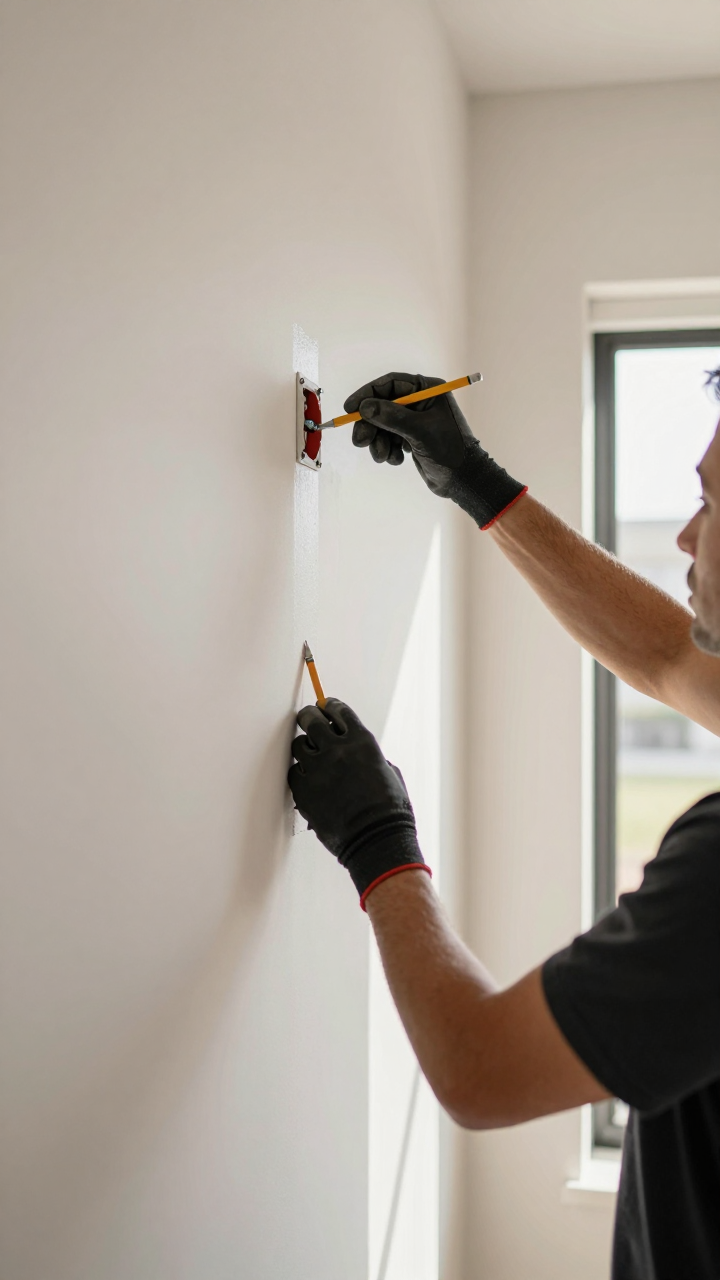
Test before you touch: a voltage tester confirms the circuit is dead, not just the breaker label.
A safe step-by-step for a basic fixture swap
If your project is a straightforward like-for-like replacement, follow this order.
- Turn off the breaker. Switch off the circuit at the panel. Do not rely on the wall switch alone.
- Test for power. Use a non-contact voltage tester at the fixture, then confirm with the tester on the wires once exposed.
- Photograph the wiring. Take a clear picture before disconnecting anything, and label wires if there are several.
- Support the old fixture. Hold it or hang it from a hook so its weight never pulls on the wires.
- Disconnect and inspect. Look at the wire ends and the box. Cracked insulation, a loose box, or burn marks mean stop.
- Check the box. It must be firmly mounted and rated for the new fixture's weight. Ceiling fans need a fan-rated box.
- Connect the new fixture. Match connections: ground to ground, neutral (white) to neutral, hot (black) to hot. Follow the manufacturer's instructions.
- Secure and restore power. Mount the fixture, install bulbs within the rated wattage, turn the breaker on, and test.
For ladder work, follow basic ladder safety from OSHA: set the ladder on level ground, keep three points of contact, and do not overreach.
Switches and outlets: small parts, real consequences
Switches and outlets feel simpler than fixtures, but loose connections here are a common source of heat. A screw terminal that is not tight, or a wire pushed into a back-stab hole that has worn, can warm up over time.
Before you swap one: - Note which wires go to which terminals, and photograph them. - Check that the new device matches the old one in type and amperage rating. - Look at the box for crowding. Too many wires make a tidy connection hard. - Replace any outlet that feels warm, buzzes, sparks, or grips plugs loosely, but treat those symptoms as a reason to inspect the wiring too.
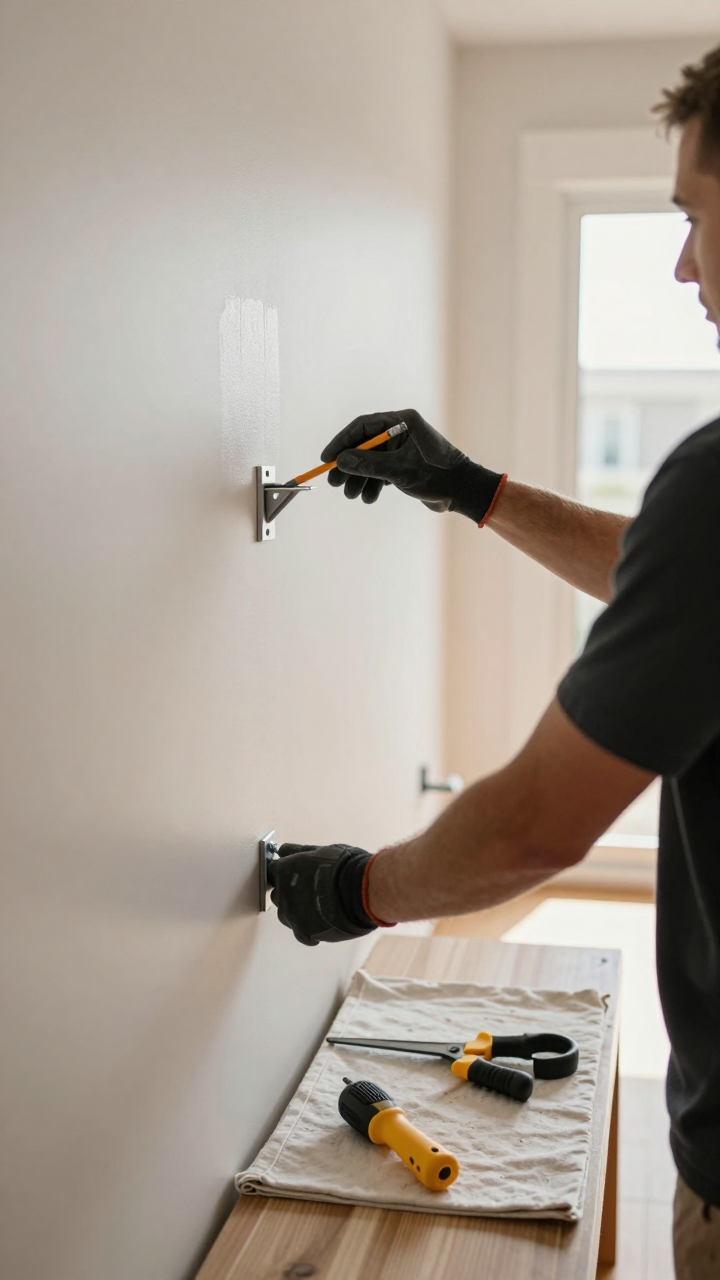
Discolored or warm outlets point to a wiring problem, not just a worn part.
Kitchens, bathrooms, garages, laundry areas, and exteriors typically call for GFCI protection. If your outlet in one of those spots is not protected, that is worth a conversation with a pro rather than a quick swap.
Lighting upgrades and energy rules
Switching to LED fixtures is a common reason to replace lighting. California's Building Energy Efficiency Standards shape requirements for lighting and controls in many projects, especially in remodels and new work. A simple swap on an existing fixture is different from a larger remodel, but if you are adding lights, changing controls, or opening walls, ask what applies. Dimmers also need to match the bulbs; mismatched LED and dimmer pairs often cause flicker or buzzing.
When to call a pro
Be honest with yourself about the job. Call a pro if: - You find damaged, cloth-covered, aluminum, or unlabeled wiring - The breaker trips, lights flicker across several rooms, or outlets feel hot - You need a new switch, outlet, or fixture location - The fixture is heavy or the ceiling needs added support - A three-way switch or a smart dimmer system has you confused - You cannot confirm the power is off - The job is in a wet area and protection is unclear - You are renting and need work done to a standard your landlord accepts
Hiring someone is not a failure. It is often the faster path to a result you can trust. When you hire for electrical work in California, check the contractor's details through the Contractors State License Board's consumer resources, ask for the scope in writing, and confirm who handles permits when they are required.
If you want a sense of the work before committing, you can send a photo for a written quote. To see what we handle, visit our lights electrical service page.
FAQ
Can I replace a light fixture myself?
Often yes, if it is a like-for-like swap on sound wiring and a sturdy box. Turn off the breaker, test for power, and stop if anything looks damaged or confusing.
Do I need a permit to replace a light fixture, switch, or outlet in Los Angeles?
Simple replacements are often treated differently from new circuits or added wiring, but rules vary by project. Check with the Los Angeles Department of Building and Safety before starting anything beyond a basic swap.
Is it safe to just turn off the wall switch?
No. A wall switch may only break one wire, and the box can still be live. Shut off the breaker and confirm with a tester.
Why does my new LED light flicker or buzz?
The most common cause is a dimmer that is not rated for LED bulbs. Mismatched bulbs and fixtures or a loose connection can also cause it.
What if my home only has two-prong outlets?
That usually means there is no ground wire. A pro can evaluate options such as GFCI protection or rewiring instead of a simple device swap.
Sources
- California Contractors State License Board: Hire a Contractor
- Los Angeles Department of Building and Safety: Permits and Inspections
- OSHA: Ladder Safety
- California Energy Commission: Building Energy Efficiency Standards
Safety note: work on electrical panels, gas, structure or anything that needs a permit should be done by a licensed contractor with the required permits.
STATOX Handyman Service · Send a photo · +1 (820) 200-4919
Keep reading
 lights electricalHow to Choose a Handyman for Light Fixture InstallationLooking for a light fixture installation handyman Los Angeles homeowners can trust? Learn what to ask, what to check, and which red flags to skip.
 lights electricalLED vs Halogen vs Incandescent Bulbs: Which Fits Your HomeLED vs halogen vs incandescent bulbs compared for Los Angeles homes: heat, light quality, dimming, and fixtures. Read before you buy your next pack.
 lights electricalOutlet or Light Switch Not Working: Causes and FixesOutlet not working or light switch not working? Learn the common causes, safe checks you can do yourself, and when to stop and call a pro. Read first.