Drywall Repair in Pasadena Craftsman and Bungalow Homes
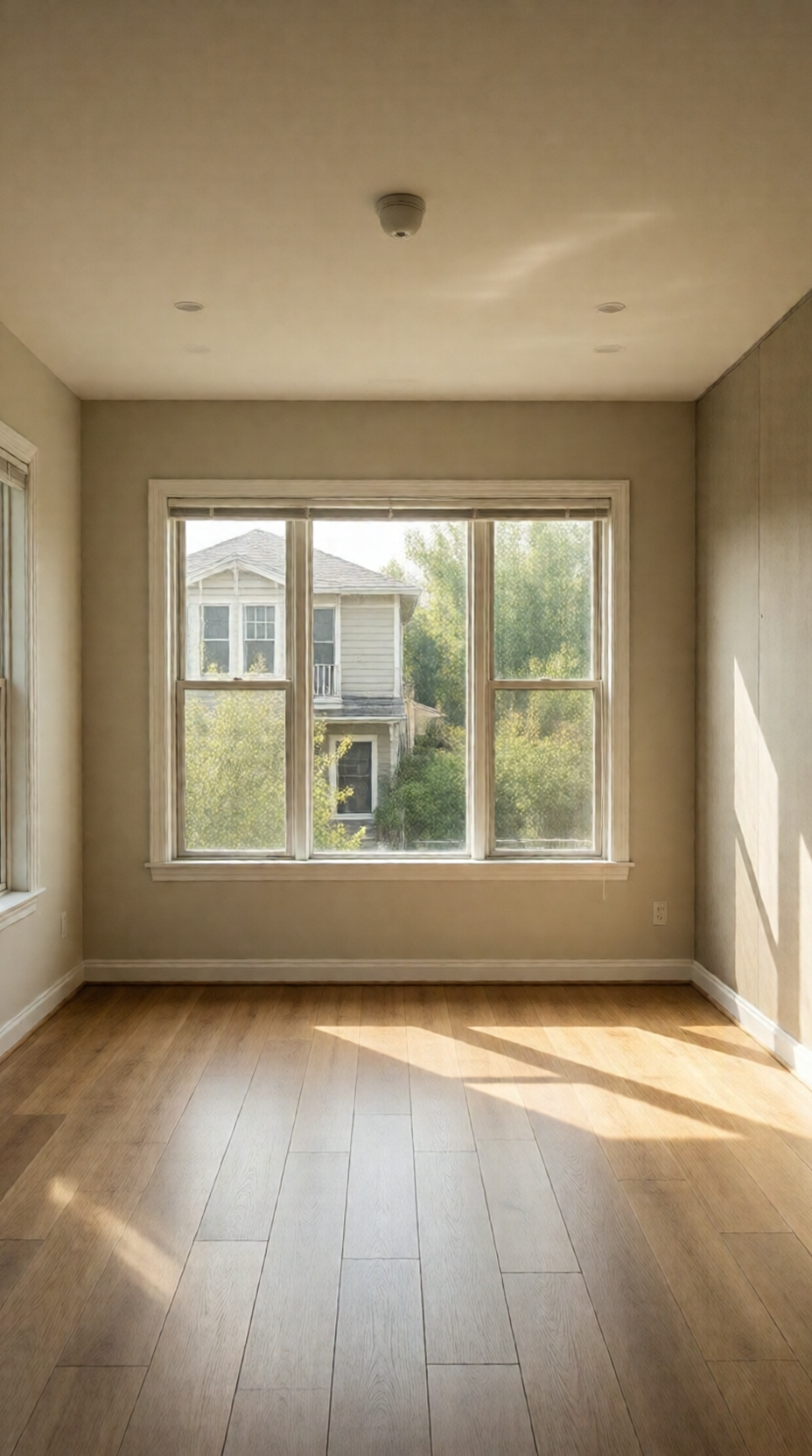
If you own a Craftsman or bungalow in Pasadena and you have a dent, a hole, or a crack in your wall, you can often make a clean repair yourself. The hard part is rarely the patch itself. It is matching the texture, working around a wall that is part plaster and part drywall, and telling a cosmetic settling crack from one that needs a closer look. This guide walks through each of those problems so you know what to expect before you pick up a trowel.
Why Pasadena Craftsman and Bungalow Walls Behave Differently
Many older homes in Pasadena were built with lime or gypsum plaster applied over wood lath or expanded metal lath. Over the decades, many of these houses were updated with drywall in some rooms, especially kitchens, bathrooms, and additions. That means one hallway can have plaster on one wall and drywall on the next.
Plaster and drywall do not respond to movement the same way. Plaster is heavier and more rigid. Drywall is thinner and flexes more with framing. When a house settles, shifts with seasonal changes, or gets a new opening cut into a wall, the two materials can separate at the seams. This is one reason older homes often show cracks at corners, around door frames, and along the line where old plaster meets new board.
Bungalows also tend to have original wood windows, built-in cabinetry, and picture rails or crown molding that add visual detail. A repair that looks fine from six feet away can still stand out if the texture, sheen, or profile is off.
Before you start, it helps to know the age of your home. The U.S. Environmental Protection Agency (EPA) notes that homes built before 1978 may contain lead-based paint, and its Renovation, Repair and Painting Program explains the steps required when disturbing painted surfaces in those homes. Sanding old paint, cutting into plaster, or demolishing a wall can release dust, so check the EPA guidance before you begin any work that generates dust.
Matching Existing Wall Texture
Matching texture is the part of drywall repair that most homeowners underestimate. A smooth, modern wall is easy to finish. An older wall may have a hand-troweled finish, a light orange peel, a skip trowel pattern, or a sand finish added to the paint.
Start by studying the wall in raking light. Shine a flashlight across the surface at a low angle and look for the pattern. Note the size of the bumps, how far apart they sit, and whether they are rounded or sharp.
Here is a practical sequence for matching:
- Photograph the wall in daylight and in raking light, from several angles.
- Test your texture on a scrap piece of drywall or cardboard. Let it dry completely before you compare.
- Adjust the joint compound thickness, the tool, and the pressure until the test matches the room.
- Feather the patch wider than the damage. A patch that ends sharply at its edge will show.
- Prime the repair before painting. Joint compound and old paint absorb differently, which can create a flat spot that shows through the finish coat.
- Paint the full wall or to a natural break, such as a corner or door frame. Spot-painting often reveals the patch under certain lighting.
Plan on testing more than once. The first sample is rarely the match. Patience at this stage saves you from repainting a whole room.
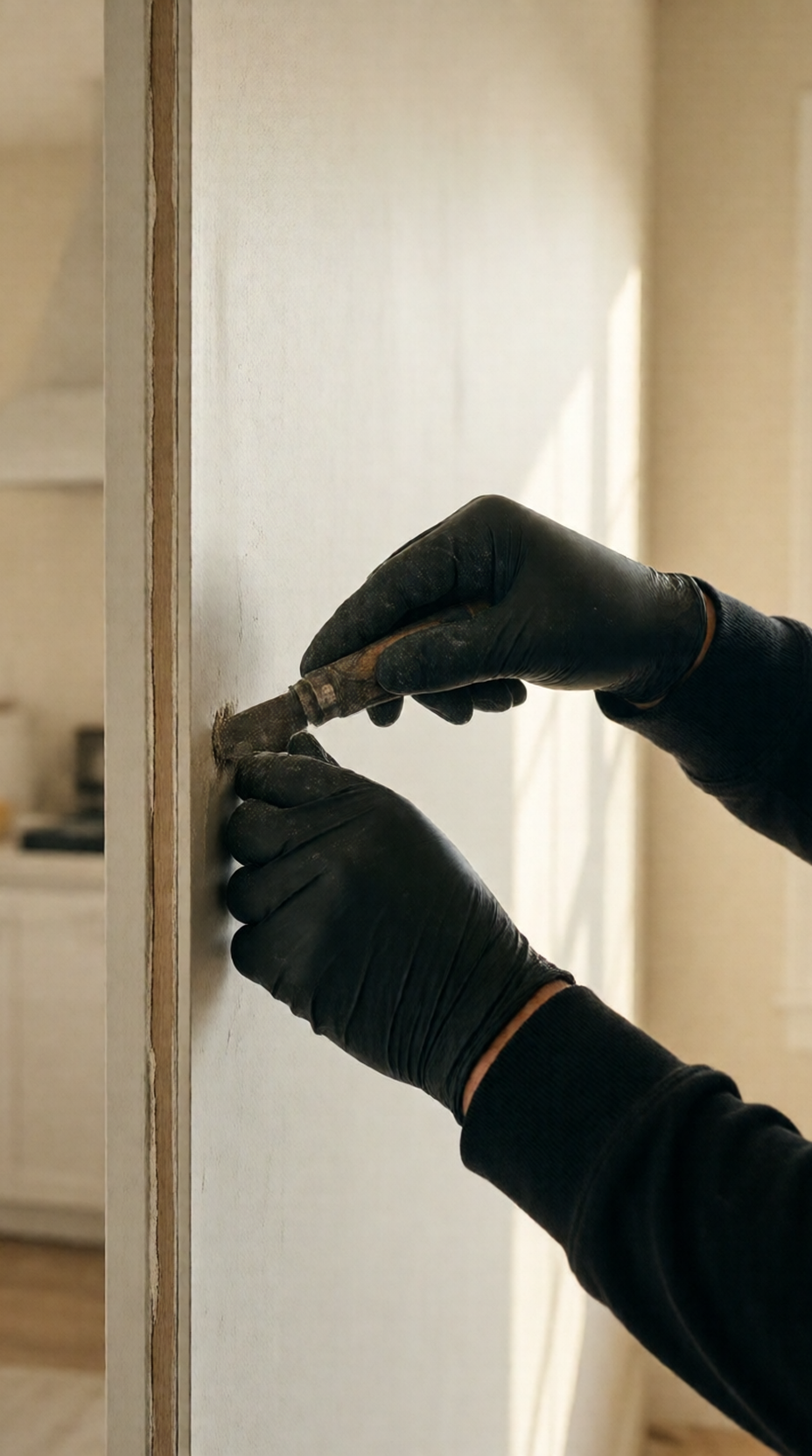
Handling Mixed Plaster and Drywall Walls
Repairing a wall where plaster meets drywall requires a different approach from a single-material patch. The two surfaces need different preparation, and the seam between them is where most failures happen.
Plaster is harder and more brittle than drywall. Screwing into it or cutting it roughly can cause chunks to break away. Drywall is softer and takes screws and tape easily. Joint compound also bonds differently to each surface.
When working on a mixed wall, keep these points in mind:
- Do not force loose plaster back into place with heavy pressure. Remove any loose, crumbling areas back to a solid edge.
- Use a bonding primer on plaster before applying joint compound, so the compound does not peel.
- Reinforce the seam with fiberglass mesh tape or paper tape, depending on the situation, and embed it well.
- Expect some movement at the boundary. Use flexible joint compound or a setting-type compound with a flexible topcoat where appropriate.
- Avoid over-filling. Thick layers of compound on old plaster can crack as they cure and dry.
If a crack runs straight through the boundary between plaster and drywall, it may be a sign that the two materials are moving independently. A simple patch may hold for a while, but the crack can return. In that case, it helps to look at the cause first.
Fixing Settling Cracks Without Repeating Them
Not every crack is the same. Many hairline cracks are cosmetic and come from normal drying, seasonal humidity swings, or minor shifts in the house. Others can point to structural movement, moisture problems, or failed framing.
A useful way to sort them out:
- Hairline cracks under about an eighth of an inch, especially in the middle of a wall, are often cosmetic.
- Diagonal cracks that start at the corner of a door or window and angle upward may relate to movement or lintel stress.
- Stair-step cracks in block or brick areas and wide cracks that keep growing deserve professional evaluation.
- Cracks with water stains, bulging paint, or a musty smell may point to moisture. The EPA's guide to mold, moisture, and your home explains why moisture control matters for indoor air and building materials.
For a settling crack you have confirmed is cosmetic and stable, the basic repair is straightforward. Open the crack slightly with a utility knife or a crack tool so the compound can grip. Clean out the dust. Fill with a flexible compound, use mesh tape over the crack, and feather the coats. Wait for full drying between coats, then sand lightly, prime, and paint.
Watch the repair over the next several months. A crack that returns in the same line is telling you the wall is still moving.
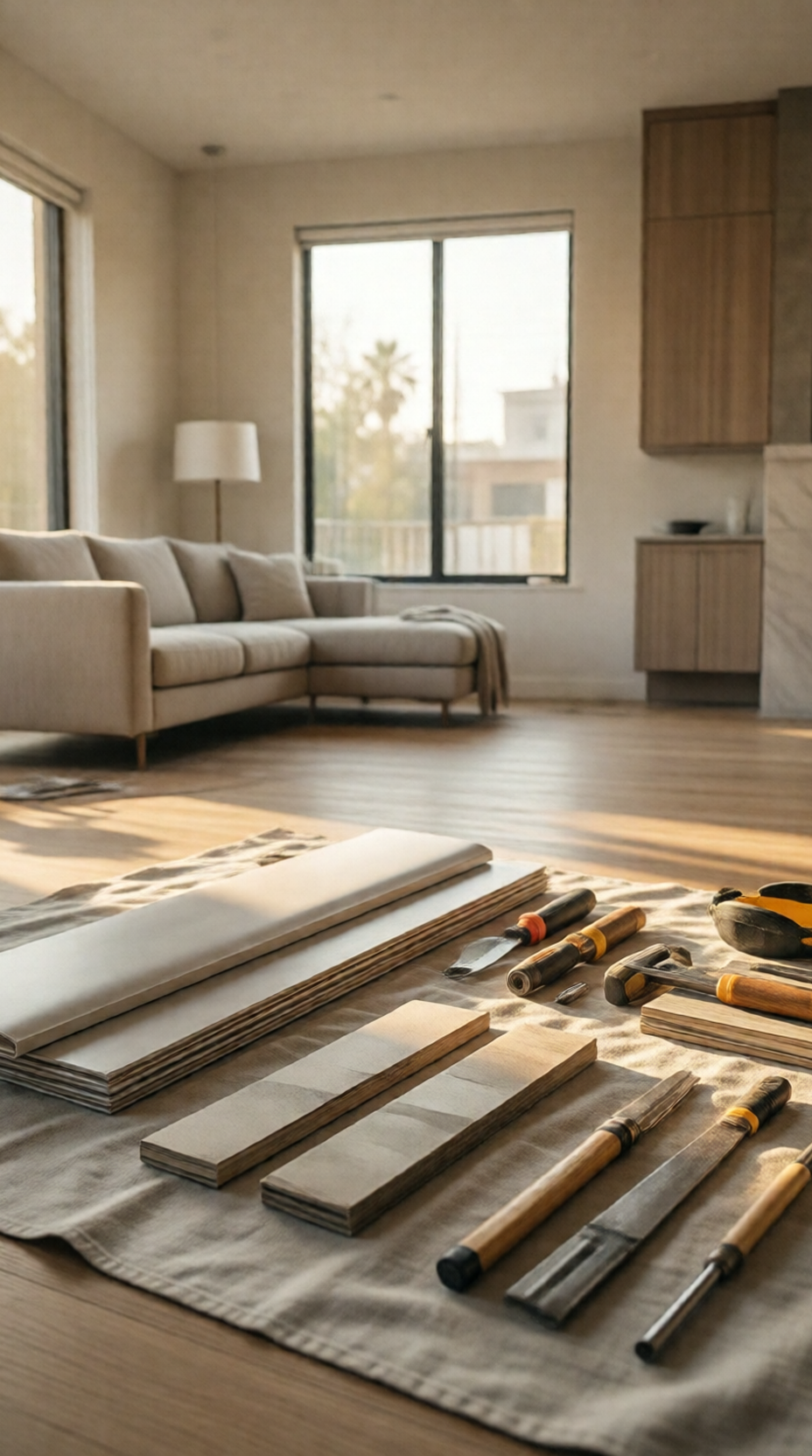
Step-by-Step Repair for a Typical Pasadena Wall
For a small hole or a moderate crack in a wall that is mostly intact, this sequence covers the common work:
- Confirm the wall is safe to work on. Check for water stains, electrical boxes, and plumbing in the area. If you are unsure what is behind the wall, stop and get advice.
- Clean the area. Remove loose material and dust. Vacuum rather than sweep, and keep a damp rag nearby.
- Cut back to solid material. For holes, cut a clean rectangle or square around the damage. For cracks, open them slightly.
- Patch with the right material. Use mesh patches for small holes, a backer and compound for larger holes, and flexible compound for movement-prone seams.
- Apply compound in thin coats. Let each coat dry fully. Most repairs need two or three coats, with the final coat spread wide.
- Sand gently. Use a fine sanding sponge and good lighting. Wipe away dust before priming.
- Prime and paint. Use a primer suited to the surface and paint the full wall or a natural break.
Work in a well-ventilated room, and use a dust mask and eye protection when sanding. If you are disturbing old paint or plaster in a pre-1978 home, follow the EPA's renovation guidance before you start.
When to Call a Pro
Many drywall repairs are reasonable DIY projects. A few small holes, a hairline crack, or a patch after a picture hanger came loose can often be handled over a weekend with basic tools. Patience and good lighting matter more than special skills.
Consider hiring help when:
- The wall has active water staining, soft spots, or mold growth.
- Cracks are wide, growing, stair-stepped, or appear with sticking doors and windows.
- The wall is mostly plaster, and you are not confident about bonding or matching the texture.
- The repair involves cutting into framing, moving electrical or plumbing, or opening a wall for a new doorway.
- The room has a large area of damage or needs texture matched across many walls and ceilings.
- You want the work to be done without disrupting your household for an extended period.
When a repair touches framing, structure, or permitted work, the Los Angeles Department of Building and Safety (LADBS) publishes information on permits and inspections. Its permits page is a good starting point for understanding when work needs approval. For help choosing a contractor, the California Contractors State License Board (CSLB) offers guidance on hiring, and you can verify a contractor's license status through the board's resources.
If you are weighing options, a clear set of photos often helps you decide. You can send a photo for a written quote and describe where the damage sits, what the wall is made of, and what you have already tried.
FAQ
Can I match old plaster texture with modern joint compound?
Yes, in many cases. Joint compound can be shaped to look like many common plaster and drywall textures. The key is testing on scrap material, matching the tool and pressure to the wall, and feathering the patch well beyond the damage. Some very old hand-applied finishes are harder to reproduce, so take extra time with test samples.
Why do cracks keep coming back in my Pasadena home?
Repeated cracks often mean the wall is still moving, the seam between plaster and drywall is separating, or the crack was filled without proper preparation. Opening the crack, using flexible compound, and reinforcing with mesh tape usually performs better than a simple fill. If the crack keeps reappearing in the same line, have someone look at the cause before repainting again.
Is it safe to sand the walls in an older home?
Sanding can release dust, and homes built before 1978 may contain lead-based paint. The EPA explains that lead dust can be a hazard, especially for children and pregnant people. Use proper containment, wet methods where appropriate, and a respirator rated for the job. Review the EPA's Renovation, Repair and Painting Program guidance before disturbing painted surfaces.
When is a drywall repair a job for a contractor instead of me?
Call a contractor when you see water damage, mold, wide or growing cracks, structural concerns, or work that involves framing, electrical, or plumbing. Larger repairs that need permits should be reviewed with the local building department. A professional can also help if the repair must blend seamlessly across a large plaster surface.
How do I get help with a drywall repair in Pasadena?
You can start by reviewing the drywall repair service page for an overview of common repair types. If you are in the area and want to talk through your project, our Pasadena page explains where we work. Photos taken in good light, with a few measurements, make it easier to plan the repair.
Sources
- California Contractors State License Board: Hire a Contractor
- Los Angeles Department of Building and Safety: Permits and Inspections
- U.S. EPA: Renovation, Repair and Painting Program
- U.S. EPA: A Brief Guide to Mold, Moisture, and Your Home
Safety note: work on electrical panels, gas, structure or anything that needs a permit should be done by a licensed contractor with the required permits.
STATOX Handyman Service · Send a photo · +1 (820) 200-4919
Keep reading
 drywall repairCommon Drywall Problems: Cracks, Holes, Dents and FixesLearn how to fix drywall cracks and holes, from nail pops to doorknob dents, and when a repair needs more than patch and paint. Read before you patch.
 drywall repairDIY vs. Pro Drywall Repair: When to Call a HandymanWeighing diy vs professional drywall repair? Learn which wall damage you can fix yourself and which to hand off, so you avoid redoing the job.
 drywall repairDrywall Cracks in Hollywood Hills Hillside HomesLearn what causes drywall cracks in hillside homes and how drywall repair Hollywood Hills owners can tell cosmetic from serious. Read before you patch.