Holiday Hosting Prep: Lights and Outlets Los Angeles Homes
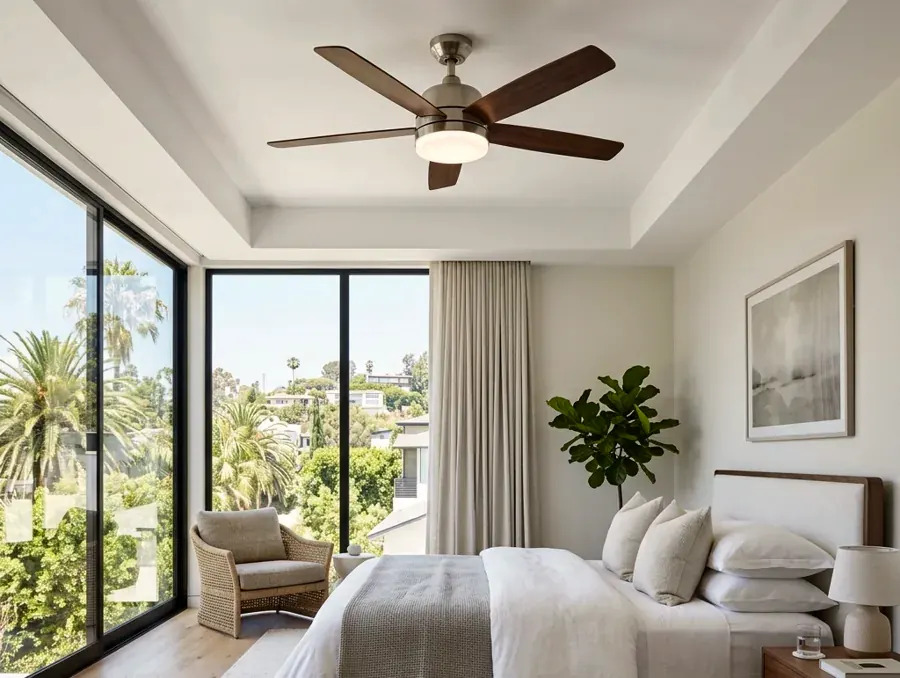
If your holiday lighting or outlets are not working in your Los Angeles home, start with the simple causes: a tripped GFCI outlet, a tripped breaker, a burned-out bulb section, or a worn extension cord. Most of these can be checked safely in a few minutes with the power off and your hands dry. If an outlet is warm, discolored, buzzing, or smells like burning, stop using it and call a pro.
Why holiday lights and outlets fail right when guests are coming
Holiday hosting asks more of your home than a normal week does. You plug in string lights, a inflatable or two, a slow cooker, a warming tray, a coffee maker, and phone chargers, often on the same few outlets.
In Los Angeles, many homes were built decades ago. Older bungalows, mid-century ranches, and apartment-style units may have fewer outlets than we use today, and some still have outdated receptacles that no longer grip a plug firmly.
Outdoor outlets add another wrinkle. They sit unused for most of the year, and dust, moisture, and spider nests can cause them to fail or trip the moment you plug something in.
Common culprits:
- A tripped GFCI outlet (often in a garage, bathroom, or exterior wall) that also controls other outlets
- A breaker that tripped from too many devices on one circuit
- A loose or worn receptacle that no longer holds a plug
- Damaged cords, cracked insulation, or bent plug prongs
- A light strand with one failed section or a blown fuse in the plug
Quick safety checks before you touch anything
Take two minutes to size up the situation before you start resetting things.
- Unplug everything from the dead outlet or circuit.
- Look and smell. Scorch marks, melted plastic, a hot cover plate, or a burning smell mean stop. Leave it alone and call a pro.
- Check your hands and the floor. Dry hands, dry surface, no standing water.
- Find the GFCI. Look for outlets with "Test" and "Reset" buttons. Press Reset firmly.
- Check the panel. A tripped breaker often sits in a middle position. Push it fully off, then fully on.
- Plug in one item you know works, like a lamp, to test the outlet.
If a breaker trips again right away, do not keep resetting it. Repeated tripping is the system telling you something is wrong.
Troubleshooting dead holiday lights
Before blaming the outlet, test the lights on an outlet you know works.
- Whole strand dark: Check the plug for a small sliding fuse door. Many strands have replacement fuses inside.
- Half the strand dark: One loose or failed bulb can break the chain on older incandescent sets. Check for loose bulbs near where the dark section begins.
- Flickering: Often a loose bulb or a poor connection at the plug or at the outlet.
- LED strands: These usually fail in sections. Replacement is often easier than repair.
- Outdoor strands: Make sure they are rated for outdoor use and that connections are kept off wet ground.
A quick GFCI check and a known-good lamp can sort out most "dead outlet" mysteries.
Extension cords, power strips, and load: what's safe
Extension cords are fine for temporary use, but they are not a permanent wiring solution. A few habits make a big difference.
- Use cords rated for the job: outdoor-rated for outdoors, and heavy-duty for heaters or kitchen appliances.
- Do not run cords under rugs or through doorways where they get pinched.
- Do not plug a power strip into another power strip.
- Avoid putting high-heat items, like space heaters and warming trays, on the same strip as lights.
- Replace any cord with cracked insulation, exposed wire, or a loose plug.
Here is a simple way to think about where things belong:
| Item | Good fit | Think twice |
|---|---|---|
| LED string lights | Outlet or light-duty cord | Daisy-chaining too many strands past the maker's limit |
| Slow cooker or warming tray | Wall outlet directly | Thin cords or crowded power strips |
| Space heater | Dedicated wall outlet | Any extension cord or power strip |
| Inflatable decorations | Outdoor GFCI outlet, outdoor-rated cord | Indoor cords outside |
| Phone chargers and small devices | Power strip | Overloaded strips with kitchen items |
Outlets and fixtures worth fixing before guests arrive
Some problems are small but annoying with a full house. If you have a few days, these are good candidates for a quick fix:
- Loose outlets that let plugs fall out
- Cracked or missing cover plates
- Outlets that only work sometimes
- Flickering or dim fixtures in the dining area, entry, or hallway
- Burned-out bulbs in hard-to-reach fixtures
- Exterior lights that no longer switch on from inside
- Missing outlets where you always end up running a cord across the room
If you are considering new lighting for the entry or dining area, check that the fixture is rated for its location. Outdoor and damp-location fixtures are made differently from indoor ones.
Ladders are a real injury risk during decorating season. OSHA's ladder guidance is a useful refresher on setup and safe use, and it is worth a read before you hang anything from the eaves.
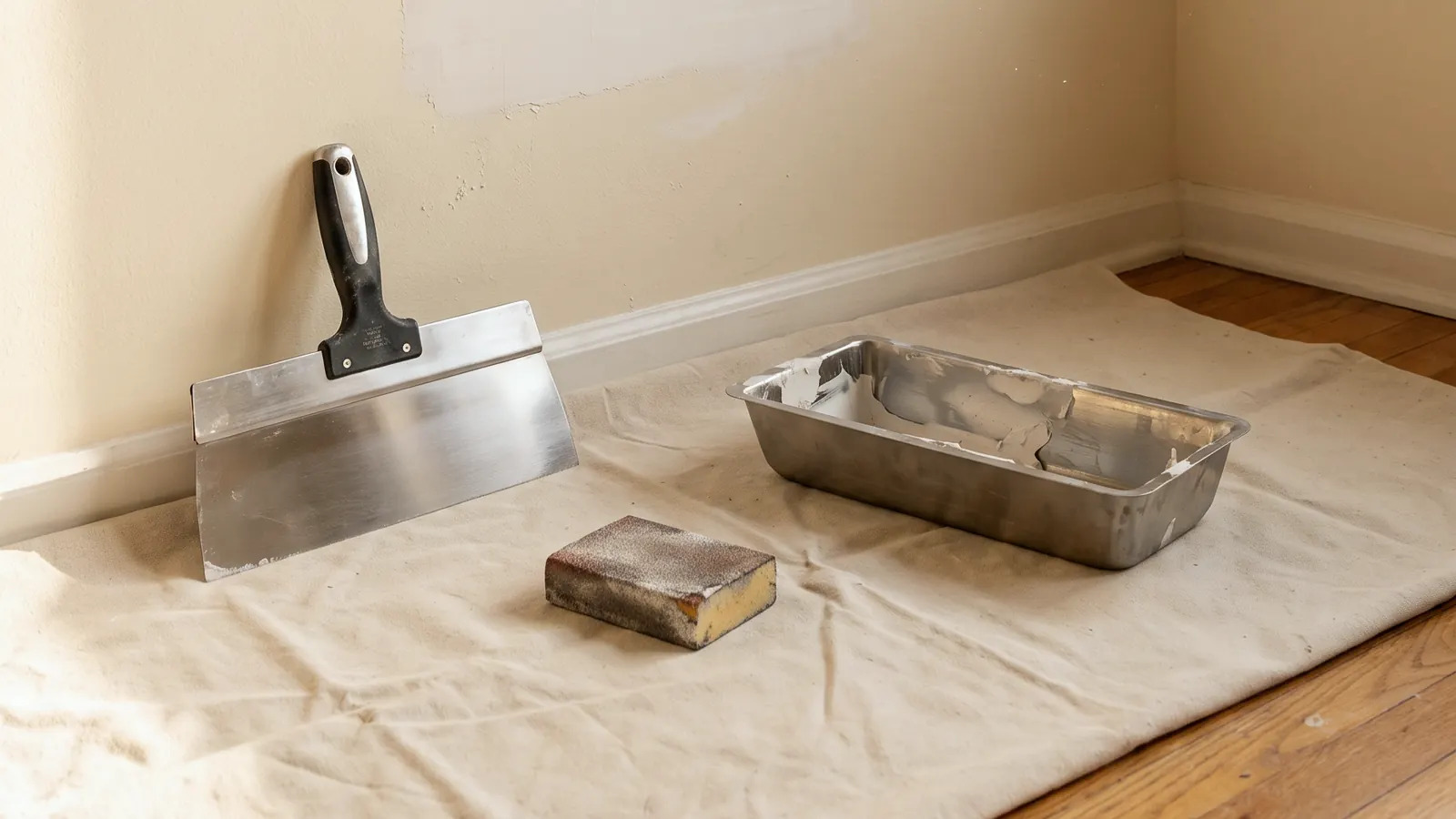
Small repairs like a secure outlet and a fresh cover plate make a room feel ready and safer.
A pre-hosting walkthrough checklist
Do this a week or so before guests arrive, so there is time to fix anything you find.
- [ ] Test every GFCI outlet using its Test and Reset buttons
- [ ] Plug a lamp into each outlet you plan to use
- [ ] Inspect all light strands and cords for damage
- [ ] Replace burned-out bulbs, including in the entry and porch
- [ ] Check that smoke alarms respond when tested (see NFPA guidance below)
- [ ] Map where heavy appliances will plug in, and spread them across circuits
- [ ] Keep a flashlight near the panel
- [ ] Label your breaker panel if it is not already clear
- [ ] Place cords along walls, not through walking paths
- [ ] Turn off decorative lights when leaving the house or going to bed
Smoke alarms matter more when the house is full of candles, cooking, and lights. The NFPA offers clear information on testing and placement.
When to call a pro
Some electrical tasks are reasonable for a careful homeowner: resetting a GFCI, swapping a bulb, replacing a cover plate, or retiring a bad light strand. Beyond that, it is smart to bring in help.
Call a pro if you notice:
- A breaker that keeps tripping
- An outlet that is warm, discolored, buzzing, or sparking
- A burning smell or flickering lights throughout the house
- Outlets that stopped working with no clear cause
- Aluminum wiring, knob-and-tube wiring, or an older panel you are unsure about
- A need to add outlets, move fixtures, or run new circuits
- Any task that means opening the panel
Some electrical work in Los Angeles may require a permit. The LADBS permits and inspections page explains when that applies. California's Contractors State License Board also offers guidance on hiring a contractor, including what to ask before work begins.
If you are not sure what you are looking at, our lights electrical service page explains what we help with. You can also send a photo for a written quote so we can see the outlet, fixture, or cord setup before anyone visits.
FAQ
Why is my outdoor outlet not working for holiday lights?
Outdoor outlets are usually protected by a GFCI, which may be located elsewhere, such as in a garage or bathroom. Press Reset on nearby GFCI outlets and check the panel. If it will not reset, moisture or a wiring problem may be involved.
Can I plug multiple light strands together?
Only up to the limit printed on the packaging or the strand's tag. Exceeding it can overheat the wires and plugs. When in doubt, use separate outlets.
Is it okay to leave holiday lights on overnight?
It is safer to turn them off when you sleep or leave. A timer or smart plug rated for the load makes this easy.
My outlet works, but plugs fall out. What should I do?
That usually means the receptacle's internal contacts are worn. Stop using it for anything heavy and have it replaced.
Can I hang lights myself if I am comfortable on a ladder?
Often yes, using proper ladder setup and outdoor-rated products. Avoid power lines, wet conditions, and rooflines you cannot reach safely from the ladder.
Sources
Safety note: work on electrical panels, gas, structure or anything that needs a permit should be done by a licensed contractor with the required permits.
STATOX Handyman Service · Send a photo · +1 (820) 200-4919
Keep reading
 lights electricalDIY or Pro: Replacing Light Fixtures, Switches and OutletsDIY vs hire pro replace light fixture: learn which swaps are fair game for a careful homeowner and which need a pro. Read before you shut off the breaker.
 lights electricalHow to Choose a Handyman for Light Fixture InstallationLooking for a light fixture installation handyman Los Angeles homeowners can trust? Learn what to ask, what to check, and which red flags to skip.
 lights electricalLED vs Halogen vs Incandescent Bulbs: Which Fits Your HomeLED vs halogen vs incandescent bulbs compared for Los Angeles homes: heat, light quality, dimming, and fixtures. Read before you buy your next pack.