Peeling Exterior Paint: Causes and Fixes in LA Sun
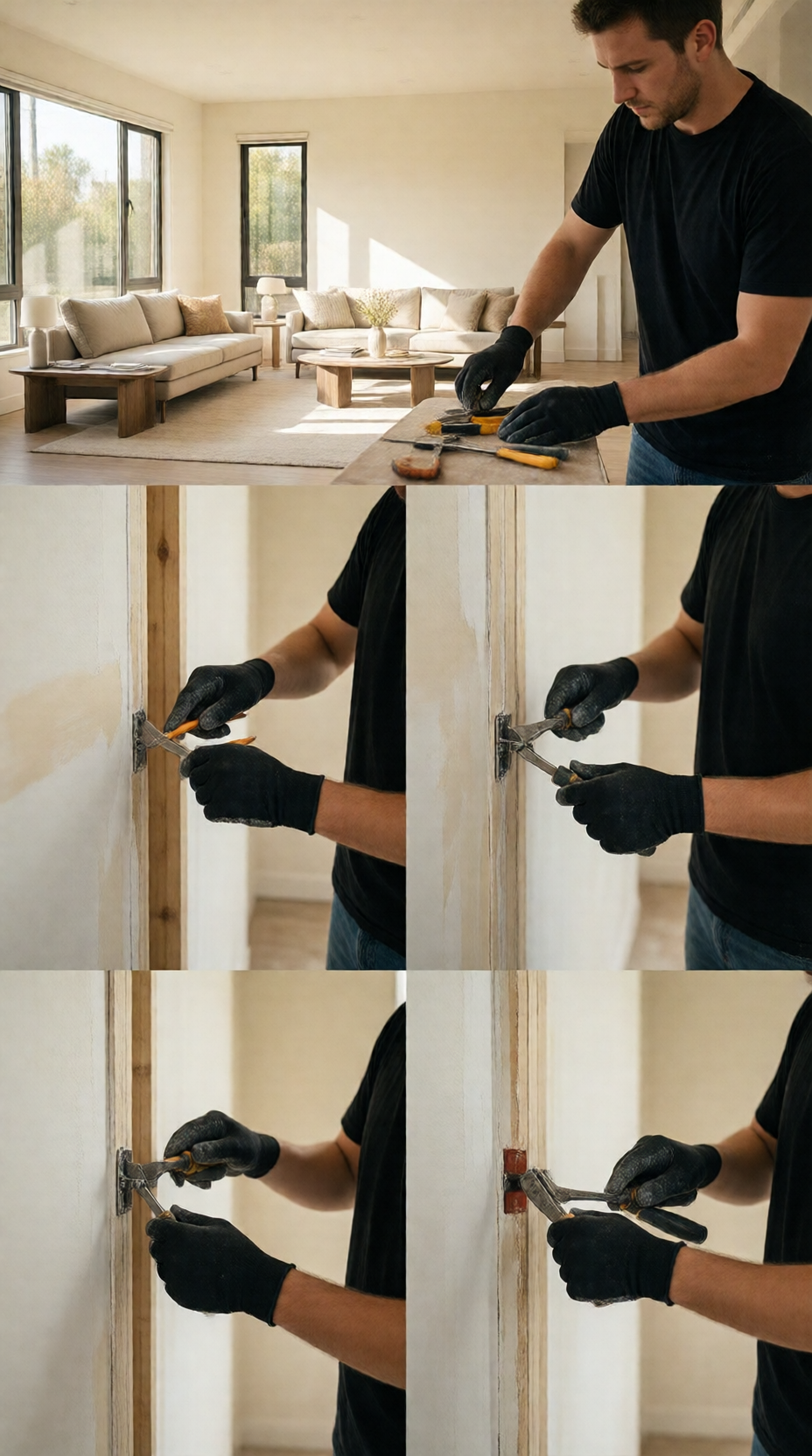
Peeling exterior paint in Los Angeles almost always comes down to three things: moisture getting behind the paint, poor surface prep before the last coat, or years of intense sun breaking the film down. The fix is not to paint over it. You have to find the cause, remove the loose paint, repair the surface, prime, and recoat with a product suited to the surface.
Why Paint Peels Here: The Usual Suspects
Paint is a thin film that has to stick to the surface underneath. When that bond fails, the film lifts, curls, and flakes. In LA, the same few problems show up again and again.
Moisture from behind. Even in a dry climate, water finds a way in. Sprinklers aimed at siding, leaky gutters, failed caulk, cracked stucco, and bathroom or kitchen vents that push humid air into walls can all push moisture out through the paint from the inside.
Poor prep. Paint applied over dust, chalky residue, grease, or glossy old paint often never bonds well. This is the most common reason a fresh paint job fails early.
Sun and heat. Strong UV and hot afternoons make paint expand, harden, and become brittle. South- and west-facing walls usually fail first.
Wrong product or too many layers. Interior paint used outside, a cheap coat over a high-quality one, or painting in direct hot sun can all cause adhesion trouble. Many layers built up over decades can also become heavy and pull away together.
Bare or damaged wood. Wood trim, fascia, and eaves expand and contract with temperature. If the paint film isn't flexible or the wood was never primed, it lets go.
Read the Peeling Pattern
How the paint fails tells you a lot. Look closely before you pick up a scraper.
| What you see | Likely cause | Typical direction of fix |
|---|---|---|
| Large sheets peeling down to bare wood or stucco | Moisture behind the paint or no primer | Find and stop the water source, then prep and prime |
| Small flakes, chalky powder on your hand | Sun-aged, oxidized paint | Wash, scrape, prime where needed, recoat |
| Bubbles or blisters | Moisture or heat trapped under the film | Open one blister to check; fix the source before repainting |
| Peeling only at the top layer, showing old paint beneath | Poor bond between coats | Remove loose layer, sand edges, prime |
| Cracking in a web pattern (alligatoring) | Incompatible or over-thick layers | Heavy scraping or stripping, then prime |
| Peeling near the ground, sills, or under eaves | Splash-back, sprinklers, or leaks | Fix drainage and sealing, then repaint |
Check the paint's back side, too. If the underside of a flake is damp, stained, or has mildew, water is the culprit. If it's clean and dry, suspect prep or sun.
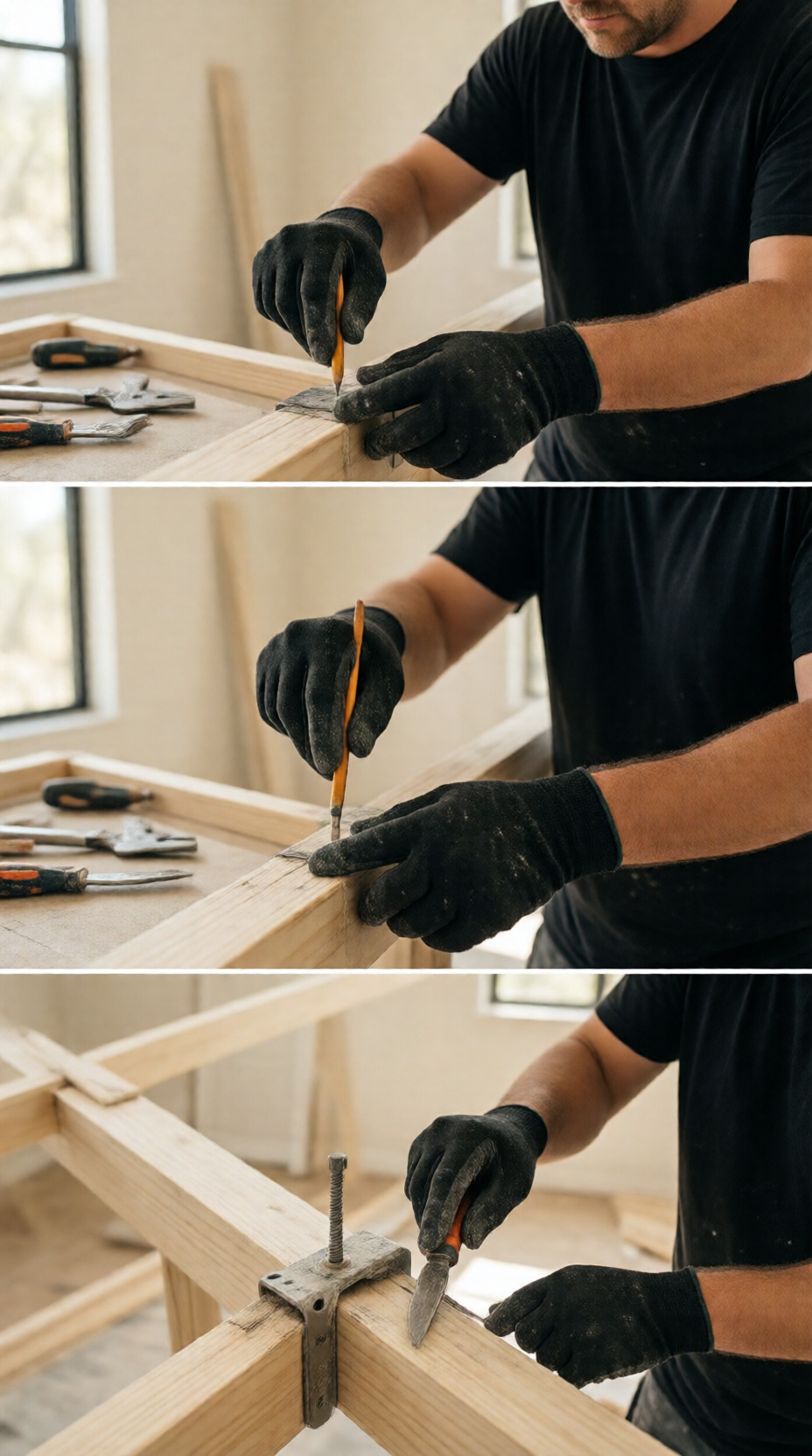
Peeling down to bare wood often points to moisture or missing primer.
Fix the Cause Before You Touch the Paint
Repainting without solving the source just means peeling again in a season or two. Walk around the house and check these first.
- Sprinklers: Redirect any heads that spray the walls or trim.
- Gutters and downspouts: Clear clogs and repair leaks or overflow.
- Caulk and seams: Look at window and door trim, corner boards, and where siding meets trim. Cracked or missing caulk lets water in.
- Stucco cracks: Hairline cracks need patching before paint; larger ones may signal a bigger issue.
- Vents and fans: Make sure bathroom and kitchen fans exhaust outside, not into the attic or wall cavity.
- Soil and plants: Keep soil, mulch, and shrubs from touching siding or sitting against stucco.
If wood feels soft or spongy when pressed with a screwdriver tip, it's rotted. Paint won't fix that. The wood needs to be repaired or replaced.
How to Repair Peeling Exterior Paint Step by Step
If the area is small and the home is in good shape, a careful DIY repair is realistic. Here is the order that works.
- Check for lead first. Homes built before 1978 may have lead-based paint. Read the EPA's guidance before scraping or sanding, and don't dry-sand or burn old paint.
- Wash the surface. Use a gentle wash with a cleaner suited to exterior surfaces to remove dirt, chalk, and mildew. Rinse well. Go easy with pressure on stucco and old wood.
- Let it dry fully. Give walls and trim time to dry out. Painting over damp surfaces is a classic cause of failure.
- Scrape and sand. Remove all loose paint until what's left is firmly attached. Sand the edges so the repair doesn't show a hard ridge.
- Repair the surface. Fill holes and gouges, replace failed caulk with an exterior-grade product, and patch stucco cracks.
- Spot-prime. Use an exterior primer on bare wood, patched areas, and glossy or chalky spots.
- Paint in the right conditions. Choose a mild, shaded part of the day. Avoid painting a wall that's baking in direct sun, and check the label for temperature limits.
- Apply two coats if needed. Use a quality exterior paint suited to the surface, and let each coat cure as directed.
Use a stable ladder on firm, level ground, and follow basic ladder safety from OSHA. Falls are a real risk on exterior jobs.
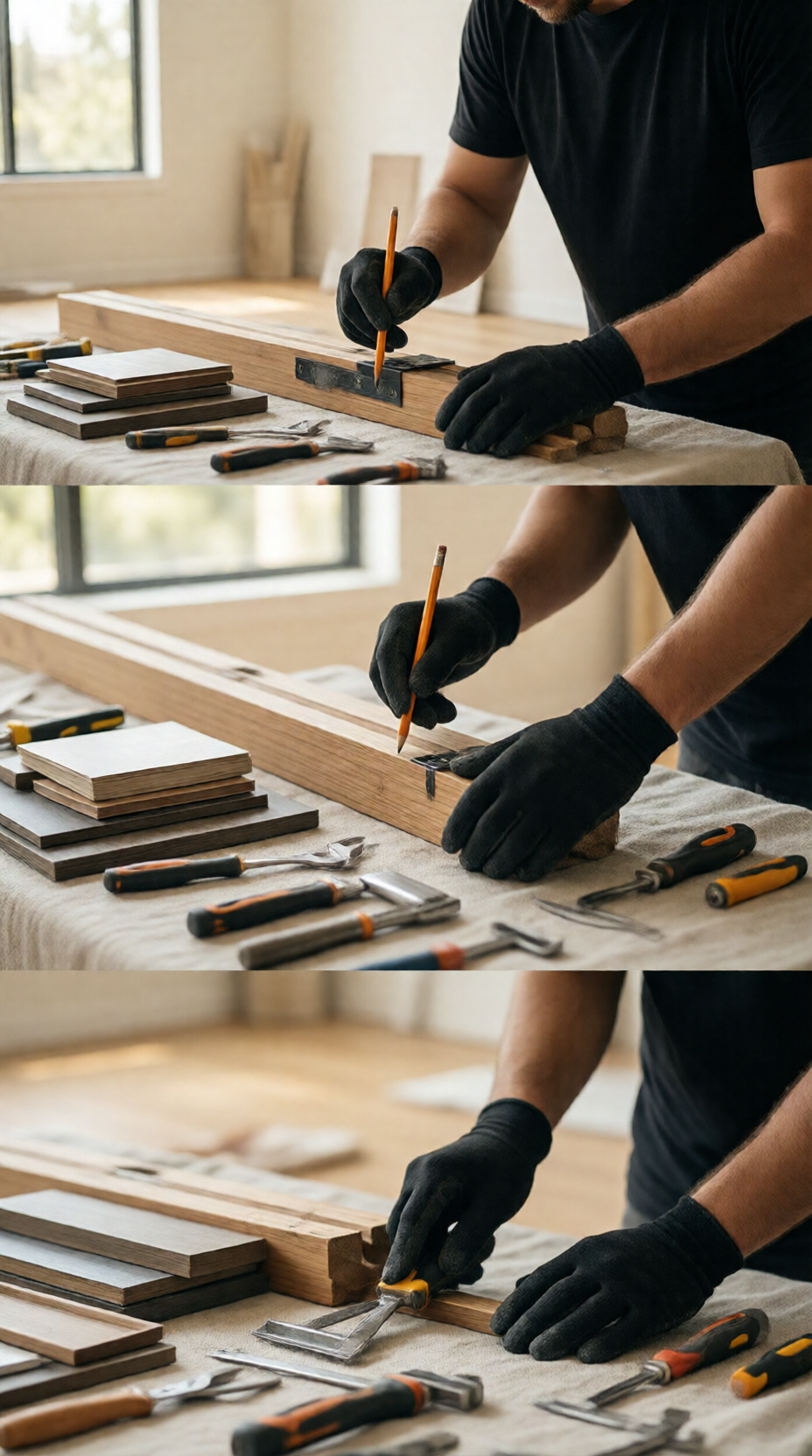
Good prep, not the topcoat, is what makes exterior paint last.
Choosing Paint and Timing for LA Sun
Sun is hard on paint, so choices matter.
- Use exterior-rated paint made for UV and temperature swings. Look for flexible, breathable formulas for stucco and wood.
- Prime where required. Bare wood, patched stucco, and stained areas usually need primer. Check the paint label for specifics.
- Consider color. Very dark colors absorb more heat, which can stress paint on sun-facing walls. A color sample on the actual wall helps you judge it in real light. Brand color libraries, like Benjamin Moore's, are handy for browsing options.
- Mind the schedule. Aim for days without rain or heavy wind, and avoid hot midday sun on the working wall. Morning dew and evening moisture can also interfere, so read the label.
- Don't skip the trim. Fascia, eaves, and window trim take the most sun and water. They often need attention first.
When to Call a Pro
Some peeling is a weekend job. Some isn't. Be honest about which one you have.
DIY is reasonable when: - The peeling is limited to a small area at ground level or on a single trim piece. - You've found and fixed the cause. - The home was built after 1978, or you've confirmed no lead concerns.
Consider hiring help when: - Paint is failing across whole walls or multiple sides of the house. - The work needs tall ladders or scaffolding, especially on two-story homes. - You suspect lead paint, rotted wood, or moisture inside walls. - Stucco is cracked widely or the surface is chalky and crumbling. - You want a consistent finish without lap marks or missed spots.
If you hire anyone, check their contractor credentials through the California Contractors State License Board (CSLB) before work begins, and get scope and materials in writing.
Our painting service covers exterior prep, repair, priming, and repainting. If you want an idea of what your wall needs, you can send a photo for a written quote.
FAQ
Can I just paint over peeling paint?
No. New paint won't hold on a loose base. It will peel again, often taking the new coat with it. Remove loose paint, sand edges, and prime before recoating.
Why does paint peel even though LA is so dry?
Dry air doesn't stop moisture from sprinklers, leaks, failed caulk, or indoor humidity moving through walls. Strong sun can also make old paint brittle and loosen its grip.
Is it safe to scrape paint on an older house?
Not without checking first. Homes built before 1978 may have lead-based paint. The EPA has guidance on lead exposure and on renovation and painting practices. Read it before you scrape or sand.
How do I know if moisture is the problem?
Look for stains, mildew, soft wood, bubbling, or damp paint backs. Peeling that repeats in the same spot, or near gutters, sprinklers, and sills, usually points to water.
Should I pressure wash before repainting?
Washing is important, but use caution. High pressure can damage stucco, drive water into walls, and gouge wood. Use a gentler approach and let surfaces dry fully before painting.
Sources
- California Contractors State License Board: Hire a Contractor
- EPA: Renovation, Repair and Painting Program
- EPA: Protect Your Family from Exposures to Lead
- OSHA: Ladder Safety
STATOX Handyman Service · Send a photo · +1 (820) 200-4919
Keep reading
 paintingAcrylic vs Oil-Based Paint: Which Fits Your ProjectAcrylic vs oil based paint explained for Los Angeles homes: where each works, how they differ in cleanup, smell, and finish, and how to choose with confidence.
 paintingInterior Painting Prep Checklist for Your LA HomeUse this interior painting prep checklist for your Los Angeles home to protect floors, fix walls, and get a smooth finish. Read before you open a can.
 paintingPainting Older Plaster Walls in Cheviot Hills HomesPainting plaster walls in Cheviot Hills? Learn how to check, repair, prime, and paint older plaster so the finish lasts. Read before you pick up a brush.