How to Reduce Street Noise Through Windows in Los Angeles
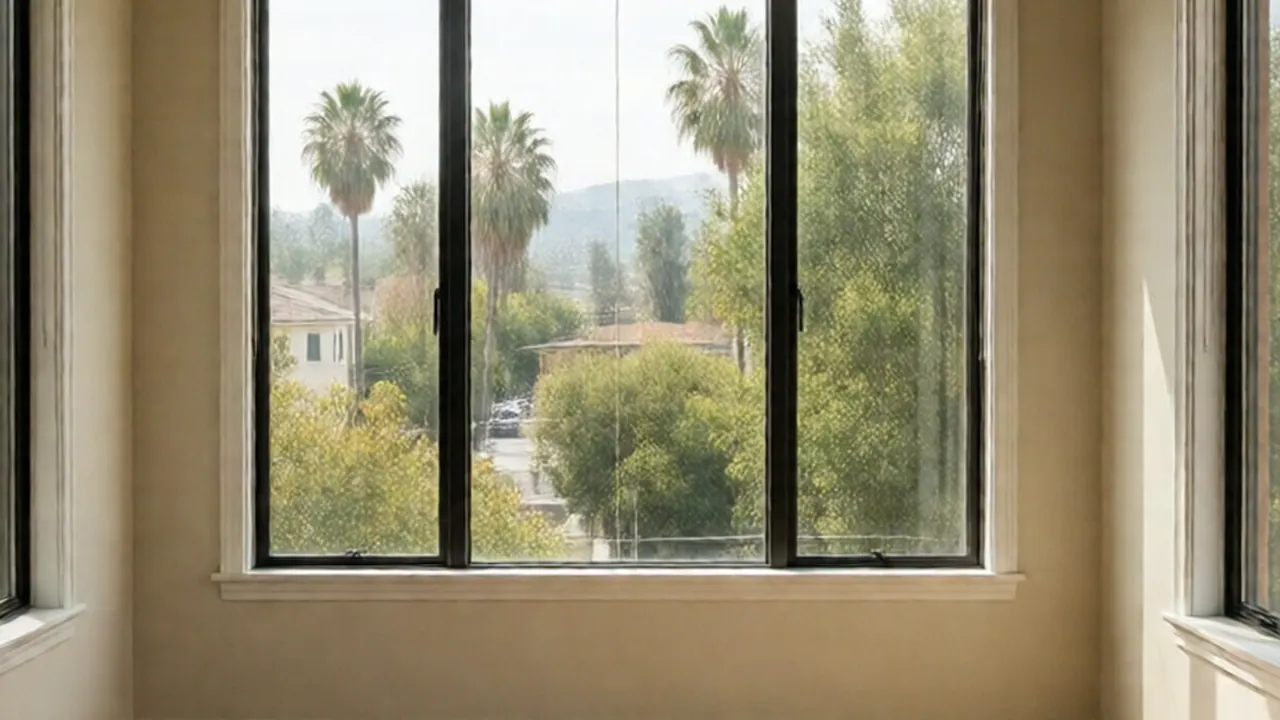
To reduce street noise through windows, seal every air gap around the frame with acoustic caulk, replace flattened weatherstripping, and tighten loose sashes. Stopping sound waves requires combining airtight perimeter seals with mass or secondary glazing panels to break up incoming acoustic vibrations.
In Los Angeles, street noise comes from all directions: continuous tire hum from freeways like the 405 or 101, commercial delivery traffic along major boulevards, and low-altitude flight paths. Because local home styles range from 1920s Spanish Colonial bungalows to 1970s post-and-beam structures, acoustic energy enters through specific structural vulnerabilities common to Southern California construction.
Pinpointing Noise Paths in Los Angeles Homes
Before applying soundproofing materials, you must identify how sound enters your room. Noise travels along two main paths: airborne transmission through open gaps in the window assembly, and structural transfer directly through thin glass panes.
Pre-1950 Los Angeles homes typically feature plaster-and-lath interior walls fitted with single-pane double-hung wood windows. Decades of gradual hillside settling in neighborhoods such as Silver Lake, Echo Park, and Baldwin Hills pull window frames out of square. When a frame shifts, the upper and lower sashes no longer meet flush at the center lock rail, leaving an open air seam where traffic noise passes through unimpeded.
Plaster walls also dry out over time, forming hairline cracks around the interior casing. Behind that wooden trim sits a hollow pocket built to hold cast-iron sash weights. This empty wall cavity acts as an amplifier for street-level noise if it lacks acoustic insulation.
In homes clad with exterior stucco, heat cycles and dry Santa Ana winds shrink and degrade old caulking. As the sealant bead dries, a gap opens between the rigid stucco coat and the wooden window buck. Noise enters this gap, travels around the rough opening framing, and enters the room through the baseboards or interior trim.
Simple Tests to Locate Acoustic Leaks
The flashlight test: Darken the room at night and have a helper shine a high-lumen LED flashlight along the exterior stucco frame. Look inside along the casing; any visible light indicates a direct path for sound waves. The smoke pen test: Hold an incense stick or draft pen 1 inch from the sash rails, corner joints, and trim seams on a windy day. Moving smoke pinpoints active air gaps that allow noise to leak inside. * The sash movement test: Press firmly against the center rail of a closed double-hung or sliding window. If the sash moves more than 1/16 of an inch, the weatherstripping is compressed and fails to block sound.
Sealing Frame Gaps with Exterior Polyurethane and Interior Acoustic Caulk
Airborne sound follows the path of least resistance. Sealing tiny cracks around your window frame provides immediate relief from high-frequency sounds like speech, tire spray, and car alarms.
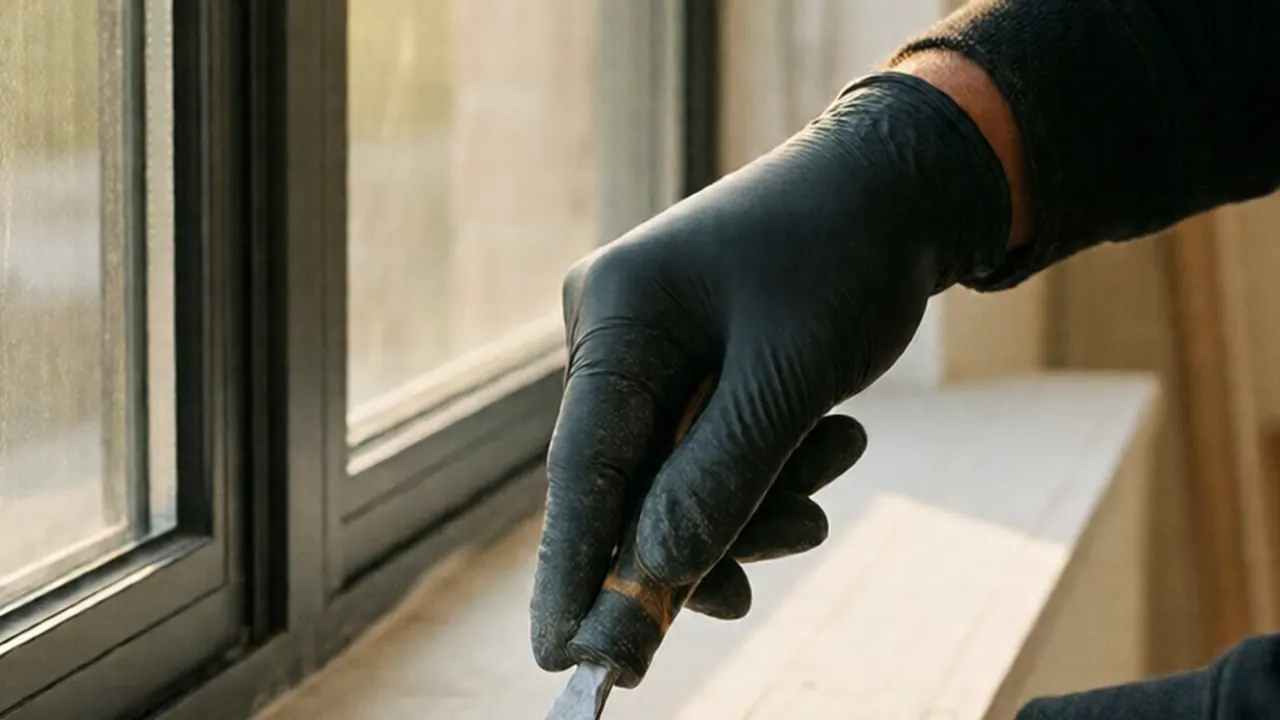
To seal exterior stucco joints, scrape away brittle sealant using a 1-inch rigid putty knife or wire brush. Clean the joint thoroughly with isopropyl alcohol to remove oil, soot, and fine Santa Ana dust. If the gap between the stucco edge and the window frame exceeds 1/4 inch wide or 3/8 inch deep, press a closed-cell polyethylene foam backer rod into the joint first.
Apply a continuous bead of exterior polyurethane sealant or elastomeric hybrid sealant. Polyurethane maintains elasticity during solar heating cycles, preventing the joint from pulling apart when exterior stucco reaches high temperatures during summer. Smooth the bead with a wet gloved finger or caulk tool to maintain full contact with both the stucco and the window frame.
On the inside of the home, address the seam where the wood casing meets plaster or drywall. Apply a non-hardening latex acoustic sealant along interior trim edges. Acoustic caulk remains permanently flexible, absorbing wall vibrations instead of drying out and cracking like standard painter's caulk.
Repairing Sashes and Upgrading Weatherstripping
Once the window frame is sealed against the wall structure, you must secure the moving sashes. Loose sashes rattle when heavy buses or trucks pass, adding interior structural vibration to incoming street noise.
Step-by-Step Sash Tuning Checklist
- Clean the tracks: Clear dirt, grit, and pet hair from sliding tracks or side channels using a stiff nylon brush and shop vacuum. Clean surfaces allow weatherstripping to compress evenly.
- Replace worn pile weatherstripping: On aluminum or vinyl slider sashes, slide out the old fuzzy weatherstripping from its T-slot channel. Press in high-density polypropylene pile weatherstripping equipped with an integrated central plastic fin barrier to block air movement.
- Install spring bronze on wood windows: On original single-hung or double-hung wood windows, nail 1-1/8 inch spring bronze weatherstripping along the side jambs. Use 3/4-inch brass finish nails spaced 1.5 inches apart. The spring action creates continuous tension against the sash edge as it opens and closes.
- Upgrade sash latches: Replace worn thumb latches with heavy-duty cam-action sash locks. Mount the lock so the latching arm draws the upper and lower sashes tightly together, compressing the horizontal meeting rail seal.
- Insulate sash weight cavities: Remove interior stop beads and carefully lift out double-hung sashes. Open the weight pocket access door, remove old iron weights, and fill the hollow cavity with dense mineral wool insulation before retrofitting modern block-and-tackle balances.
Acoustic Upgrades: Curtains, Inserts, and Glass Specs
Addressing noise transmission through the glass pane requires evaluating materials based on Sound Transmission Class (STC). Higher STC numbers represent greater sound reduction. Standard single-pane glass provides an STC rating around 26, while standard dual-pane glass achieves an STC rating between 28 and 32.
| Soundproofing Method | Est. STC Rating | Target Noise Type | Installation Complexity |
|---|---|---|---|
| Original Single-Pane Glass | 26 | Baseline (No dampening) | Existing condition |
| Dense Acoustic Curtains | 27–29 | High-frequency chirps, voices | Low (Curtain rod mounting) |
| Recaulked Frame + New Weatherstrip | 29–31 | Airborne drafts, tire hiss | Moderate (Handyman DIY) |
| Interior Acrylic Glazing Insert | 38–43 | Heavy traffic, low-frequency rumble | Moderate (Precision custom frame) |
| Dual-Pane Unit with Dissimilar Glass | 36–42 | Freeway traffic, aircraft engines | High (Full window replacement) |
Heavy acoustic drapes lined with mass-loaded vinyl dampen sound reflections inside a room, but their light mass yields limited results against low-frequency diesel engine rumble or subwoofers.
For substantial noise dampening without altering historic home exteriors, install secondary glazing inserts on the inside of the frame. These custom acrylic or laminated glass panels attach to the interior window frame using magnetic strips or aluminum tracks. The insert creates an airtight air space of 1.5 to 3 inches between the original window pane and the room. This dead-air gap disrupts acoustic energy, raising the overall window assembly rating up to STC 40 or higher.

Retrofit Vinyl Windows vs. Full Stucco-Cut Replacement
When original frames are rotted or structurally out of square, replacing the window unit becomes necessary. Window replacement in Southern California involves structural choices driven by ubiquitous exterior stucco finishes.
Flush Fin Retrofit Windows
Retrofit vinyl windows sit directly inside the existing wood frame or aluminum channel. A vinyl flush fin extends outward over the exterior stucco surface, eliminating the need to tear out surrounding exterior walls. This preserves historic stucco finishes while improving frame seals.
To maximize noise reduction with retrofit windows, specify dissimilar glass thickness. For example, pairing a 3/16-inch exterior glass pane with a 1/4-inch interior glass pane separated by an argon gas space prevents sound waves from matching frequencies across the unit. Because glass layers of different thicknesses vibrate at different frequencies, sound waves lose energy attempting to pass through the window.
Full-Frame Nail-Flange Replacement
Full-frame replacement requires cutting back 3 to 4 inches of exterior stucco around the window perimeter to reveal the underlying wood wall studs. Installers nail a new window equipped with an integrated nail flange directly to the studs, apply weatherproofing flashing membrane, and repair the stucco with a traditional three-coat plaster system.
Although full replacement requires wall work, it allows you to pack dense acoustic mineral wool into the rough opening cavities around the stud frame before closing the wall.
When planning window replacements, review the California Building Energy Efficiency Standards (Title 24) to ensure your glass selections comply with local structural and thermal efficiency requirements.
When to Call a Pro
Basic sound-mitigation steps—such as applying interior trim caulk, replacing surface foam weatherstripping, or mounting heavy drapes—are manageable weekend tasks for handy homeowners.
However, resolving complex structural misalignments, working with historical sash weight balances, or completing custom glass retrofits requires trade tools and specialized experience. Consider calling a professional service when:
- Historical double-hung sashes bind, drop unexpectedly, or require retrofitting block-and-tackle balances inside plaster-and-lath walls.
- Exterior caulking requires working at height on extension ladders on multi-story homes, where compliance with OSHA ladder safety standards is essential.
- You need exact measurements for secondary acrylic glazing inserts, where a 1/8-inch sizing error prevents an airtight perimeter seal.
- Foundation settling has racked the window frame, requiring custom hardwood shims and jamb adjustments to align sash lock mechanisms.
At STATOX, we take a systematic approach to window repairs and acoustic sealing. Start by taking clear photos of your window assemblies and submitting them to send a photo for a written quote. We evaluate the structural setup shown in your photos and return one written price covering the scope of work.
When our technician arrives at your home, we inspect frame squareness, test sash rail compression, examine exterior stucco seal integrity, and trace draft paths before beginning repairs. Learn more about our frame sealing and repair capabilities on our windows service page.
FAQ
Will double-pane windows block all street noise?
No. Standard double-pane windows block thermal transfer, but because both glass panes are usually the same thickness (typically 1/8 inch), they vibrate at identical resonant frequencies. This allows low-frequency sounds—such as bus engines or heavy freeway traffic—to pass through. For sound reduction, choose dual-pane units with dissimilar glass thicknesses or laminated glass layers.
Is caulking effective for traffic noise reduction?
Yes. Sound waves travel through microscopic air gaps. A 1-millimeter crack around a window casing can reduce the overall acoustic insulation value of a wall assembly significantly. Applying high-density acoustic sealant along interior trim and flexible polyurethane along exterior stucco joints seals these draft paths.
Do acoustic curtains block freeway rumble?
Acoustic curtains absorb sound reflections within a room, but they lack the physical mass required to block low-frequency sound waves. They help dampen high-pitched noise like speech or wind, but deep rumble from traffic passes through heavy fabric.
Can secondary glazing inserts be installed in rental properties?
Yes. Interior acrylic inserts work well for rental properties because they mount to the inside casing using surface magnetic tracks or narrow retaining clips. When moving out, you can remove the insert frame and magnetic strips without damaging the existing trim or plaster.
Sources
- California Building Energy Efficiency Standards (Title 24)
- CSLB - Contractors State License Board
- OSHA Ladder Safety Standards
- LADBS Permits and Inspections
Permit work: Permit jobs get a written project estimate; permits handled as required.
STATOX Handyman Service · Send a photo · +1 (820) 200-4919
Keep reading
 windowsCommon Window Problems and Fixes for Los Angeles HomesLearn the common window problems and fixes for Los Angeles homes, from sticking sashes to failed seals, and what to try first before calling for help.
 windowsWindow Repair or Replacement: How to Choose in Los AngelesWindow repair or replacement in Los Angeles: how to tell which one your home needs, what to check first, and when a pro visit saves you a second trip.
 windowsSanta Ana Winds: Prep Your Los Angeles Home's WindowsSanta Ana winds home preparation in Los Angeles starts with your windows. Learn what to check, seal, and fix before the next gust so your home stays ready.