Vinyl vs Aluminum vs Wood Windows for Los Angeles Homes

When comparing vinyl vs aluminum vs wood windows for a Los Angeles home, vinyl is usually the practical all-rounder for insulation and low upkeep, aluminum suits slim modern sightlines and mid-century homes, and wood wins on looks and historic character if you will maintain it. The right pick depends on your house's age and style, how close you are to the ocean, how much street noise you deal with, and how much upkeep you want.
Here is how each material behaves in our climate, where each one fits, and what to check before you order.
How the three frame materials differ
Vinyl frames are extruded plastic (PVC), usually with hollow chambers inside. They don't need painting, they don't rust, and the hollow design resists heat transfer better than bare metal. Colors are limited, and the frames are typically thicker than aluminum.
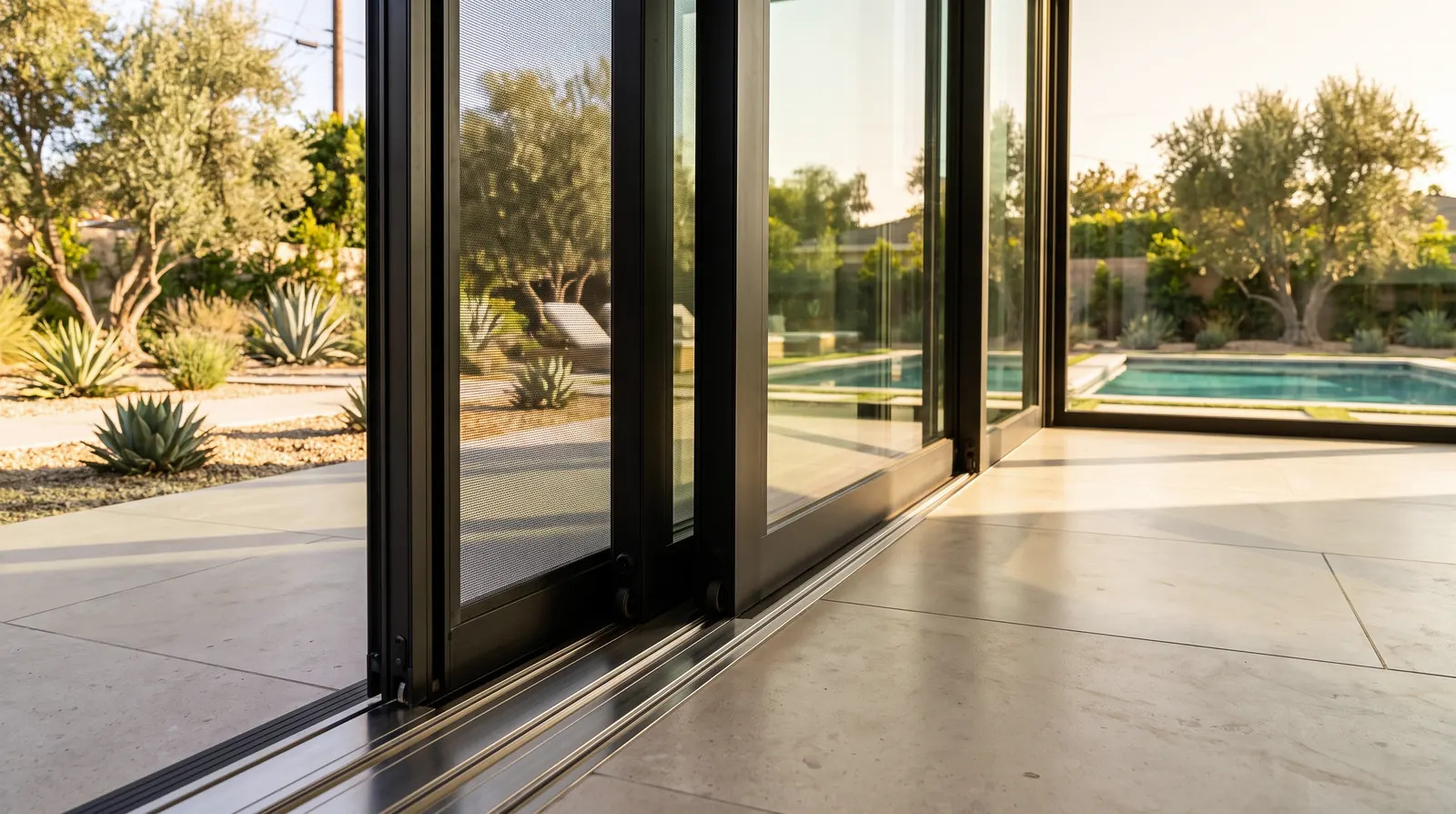
Aluminum frames are strong and can be made very slim, which is why you see them on large sliders and mid-century homes across the city. Metal conducts heat easily, so standard aluminum frames without a thermal break transfer more heat and cold than vinyl or wood. Thermal-break versions add an insulating barrier and narrow the gap.
Wood frames insulate naturally and can be stained or painted to match nearly any style. They also need the most care: sealing, repainting, and attention to moisture at the sill.
Side-by-side comparison
| Factor | Vinyl | Aluminum | Wood |
|---|---|---|---|
| Heat transfer through frame | Low | Higher (lower with thermal break) | Low |
| Upkeep | Minimal; clean and check seals | Low; watch for corrosion near the coast | Highest; periodic sealing and paint |
| Frame profile | Thicker | Slimmest | Medium to thick |
| Style fit | Contemporary, builder-style homes | Mid-century, modern, large openings | Craftsman, Spanish, historic |
| Color options | Limited, often white or tan | Wide range of finishes | Unlimited paint or stain |
| Repairability | Hard to repair; usually replaced | Moderate | Easiest to repair and refinish |
| Moisture sensitivity | Very low | Low, but salt air can pit finishes | High if finish fails |
Glass matters as much as the frame. Low-E coatings, double panes, and a tight install affect comfort more than frame material alone.
What Los Angeles conditions mean for your choice
Sun and heat. Many LA homes get strong afternoon sun, especially west-facing walls. A frame that doesn't conduct heat, paired with low-E glass, helps keep rooms steadier. If you love aluminum's look, ask about thermal-break frames.
Coastal air. Near Venice, Santa Monica, or San Pedro, salt air can corrode unprotected metal and wear down paint and hardware. Vinyl shrugs this off. Aluminum needs a quality finish, and wood needs a well-maintained seal.
Street and flight-path noise. Noise reduction comes mostly from glass thickness, multiple panes, and airtight seals. A well-fitted vinyl or wood frame with good weatherstripping tends to help. A poorly sealed frame of any material lets sound through.
Dry spells and sudden rain. Wood expands and contracts with humidity. Over time, that can open gaps if the finish has failed. Vinyl and aluminum stay more stable, though vinyl also expands with heat, so installation details matter.
Earthquakes. Older openings can shift and racking can bind sashes. A solid, square installation matters more than the material. The Ready.gov earthquake guidance is a good reminder to secure your home generally, including how glass near beds and exits is protected.
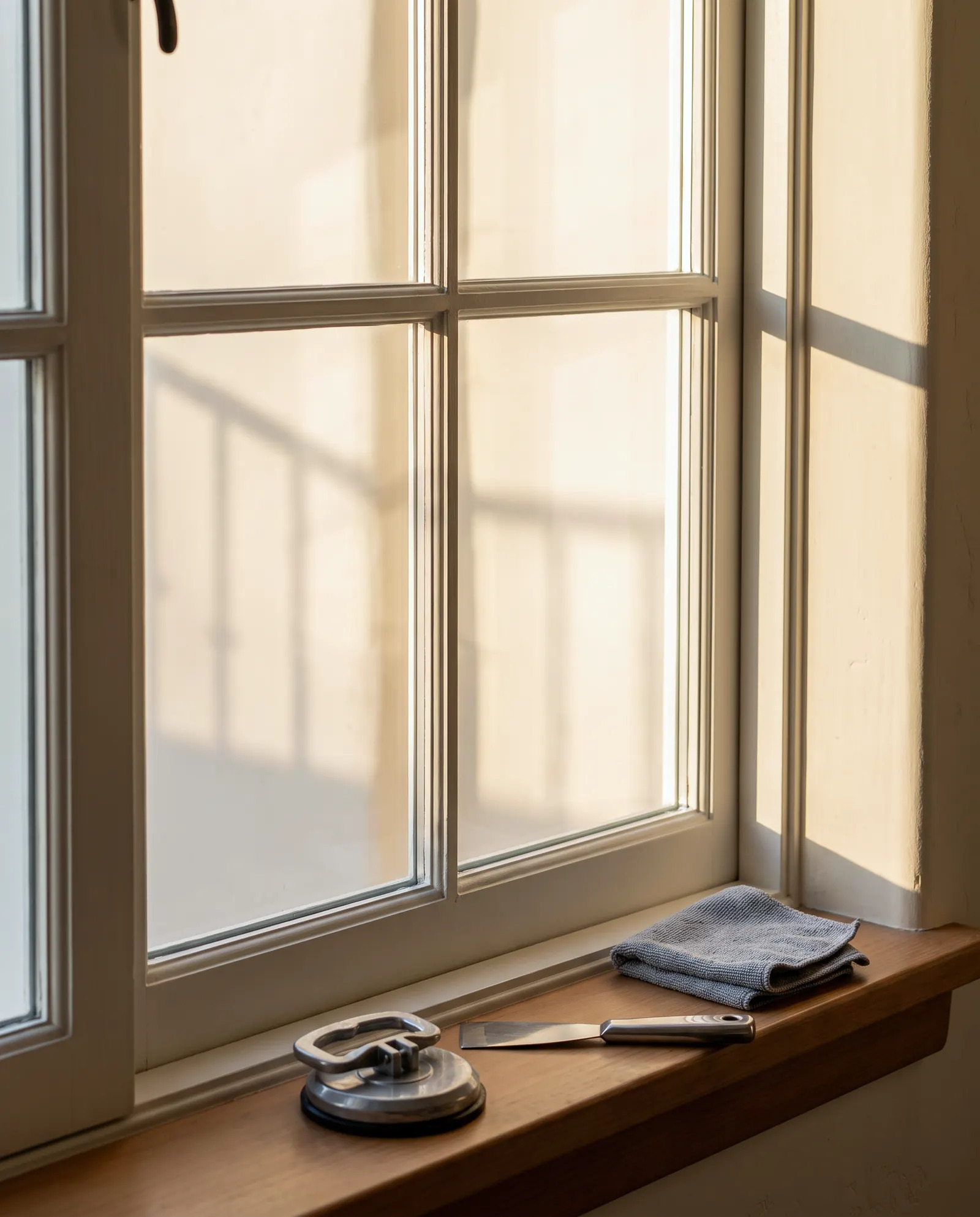
Accurate measurements at the opening are the foundation of a good window fit.
Which material fits which type of LA home
Match the window to the house, not just the catalog.
- 1920s–30s Spanish or Craftsman: Wood preserves proportions, divided lites, and trim. Vinyl can work in less visible locations, but profiles are chunkier.
- Mid-century ranch or modern: Aluminum keeps those slim sightlines and big glass panels. Thermal-break options improve comfort.
- 1980s–2000s stucco homes and condos: Vinyl is a common fit, especially where you want low upkeep and a clean look. Check HOA rules first.
- Coastal homes: Vinyl or well-finished aluminum, with careful attention to hardware.
- Historic overlay zones: Wood is often expected. Verify requirements before you buy anything.
Cost drivers, without the guesswork
Instead of chasing a number, know what moves the total. Material, window size, glass package, and style (slider, casement, fixed) all matter. So do the condition of the existing frame and wall, whether stucco must be opened and patched, and whether permits or HOA approval apply.
Retrofit (insert) vs. full replacement with a nail-fin frame is a key decision. An insert fits inside the existing frame and disturbs less stucco, but it slightly reduces glass area. A full replacement gives more glass and a cleaner flashing detail, but involves more wall work.
A practical checklist before you choose
Walk through this list for each room:
- Note which direction the window faces and how much sun it gets.
- Decide what bugs you most: heat, noise, drafts, or looks.
- Look at the existing frame and sill for soft spots, rust, or rot.
- Check whether your HOA or a historic overlay limits styles or colors.
- Pick the operating type: slider, casement, single-hung, or fixed.
- Ask for the glass specs in writing, including low-E and pane count.
- Decide insert or full replacement, based on the wall condition.
- Confirm who handles stucco patching, trim, and paint afterward.
- Ask whether a permit is needed. The LADBS permits and inspections page is the place to start.
Energy rules also apply to replacement windows in California. The California Energy Commission's building energy efficiency standards explain the framework, so ask your installer how the chosen products meet it.
Installation matters more than the frame
A great window installed poorly will leak, rattle, or stick. The details that count:
- Level, plumb, and square placement in the opening
- Proper flashing and sealant so water can't track behind the frame
- Correct shimming so sashes glide and locks align
- Neat integration with stucco, siding, or trim
If you are comparing quotes, ask each installer to describe how they flash and seal, not just which brand they use. Our windows service page outlines the kinds of window work we handle.
A clean sealant line and tidy stucco edge are signs of careful installation.
When to call a pro
Some window tasks are reasonable DIY: cleaning tracks, replacing weatherstripping, adjusting a sash, touching up caulk, or swapping a handle or lock.
Call a pro for full window replacement, anything that involves cutting into stucco, large or upper-floor openings, or glass that is heavy and awkward. Older homes add another concern: paint on pre-1978 windows may contain lead, and disturbing it creates dust. The EPA explains the risks and rules on its Renovation, Repair and Painting program page. Ladder work is a hazard too; see OSHA's ladder safety guidance.
Whoever you hire, check their status with the CSLB's guide to hiring a contractor before work begins, and get scope in writing.
Not sure what you need? You can send a photo for a written quote and we'll help you sort out the options.
FAQ
Is vinyl or aluminum better for Los Angeles heat?
Vinyl frames generally transfer less heat than standard aluminum. If you want aluminum's slim look, thermal-break frames narrow the difference. Glass choice, especially low-E coatings, has a big effect either way.
Are wood windows worth it in LA?
They can be, especially for Craftsman, Spanish, and historic homes where appearance and proportions matter. You'll need to keep the finish sealed and repainted, particularly on sun-exposed sides.
Which window frame handles coastal air most reliably?
Vinyl is the most resistant to salt air. Aluminum can perform well with a quality finish and corrosion-resistant hardware. Wood requires diligent upkeep near the coast.
Do replacement windows need a permit in Los Angeles?
It depends on the scope, such as whether you change the opening size or alter the structure. Check with LADBS before work starts, and ask your installer what applies to your address.
Will new windows reduce street noise?
They can help, mostly through thicker or multiple panes of glass and a tight seal. The frame material plays a smaller role than glass and installation quality.
Sources
- California Contractors State License Board: Hire a Contractor
- Los Angeles Department of Building and Safety: Permits and Inspections
- California Energy Commission: Building Energy Efficiency Standards
- EPA: Renovation, Repair and Painting Program
Safety note: work on electrical panels, gas, structure or anything that needs a permit should be done by a licensed contractor with the required permits.
STATOX Handyman Service · Send a photo · +1 (820) 200-4919
Keep reading
 windowsCommon Window Problems and Fixes for Los Angeles HomesLearn the common window problems and fixes for Los Angeles homes, from sticking sashes to failed seals, and what to try first before calling for help.
 windowsWindow Repair or Replacement: How to Choose in Los AngelesWindow repair or replacement in Los Angeles: how to tell which one your home needs, what to check first, and when a pro visit saves you a second trip.
 windowsSanta Ana Winds: Prep Your Los Angeles Home's WindowsSanta Ana winds home preparation in Los Angeles starts with your windows. Learn what to check, seal, and fix before the next gust so your home stays ready.