What to Expect on Window Installation Day at Your LA Home

Window installation day usually follows a predictable rhythm: the crew arrives, protects your floors and furniture, removes the old windows one opening at a time, sets and seals the new units, and cleans up before leaving. You'll need to clear access, secure pets, and be available for a few decisions. Here is what that looks like in a typical Los Angeles home, from the night before to the final walk-through.
Before the Crew Arrives: Your Prep Checklist
Most of what makes install day smooth happens the evening before. Installers need a clear path to every window, inside and out.
- Move furniture at least three to four feet back from each window being replaced.
- Take down blinds, curtains, and rods. Ask ahead whether the crew will do this for you.
- Clear the walls nearby. Vibration from removal can knock down frames, mirrors, and shelves.
- Clear outside access. Trim back shrubs, move patio furniture, and unlock side gates.
- Make parking easy. Leave space near the house for a work truck, and check street-cleaning signs.
- Plan for pets and kids. Open windows, tools, and strangers make a quiet room the safest spot.
- Cover or move valuables like electronics, artwork, and anything fragile on nearby surfaces.
Also confirm that the new windows have arrived and match your order: size, glass type, grid style, color, and which sashes open. Checking a label now is far easier than discovering a mix-up with the wall already open.
Arrival and Walk-Through
Expect the crew to start with a short walk-through. They'll confirm which windows are being replaced, check measurements against the order, and note anything unusual, like a stuck sash, damaged trim, or stucco cracks around an opening.
This is your moment to speak up. Point out windows you've had trouble with, spots where you've seen leaks, and anything you want protected. If something looks different from what you were told, ask before work begins.
Crews then lay down floor protection, usually drop cloths or runners, and set up a staging area. Dust is part of any window job, so they'll often work from the inside out, one room at a time, to keep the rest of the house usable.
How the Installation Itself Works
Window replacement generally takes one of two forms, and the method affects how much of your wall is disturbed.
| Insert (pocket) replacement | Full-frame replacement | |
|---|---|---|
| What's removed | Old sashes and sometimes the stops; existing frame stays | Entire window, including frame |
| Wall disturbance | Minimal | Moderate to significant |
| Works well when | Existing frame is square, solid, and dry | Frame is rotted, warped, or leaking |
| Trim and finish work | Usually little | Often more interior and exterior patching |
| Look | Slightly less glass area | Maximum glass area, fresh start |
For each opening, the typical sequence is:
- Remove the old window carefully to protect surrounding trim and stucco.
- Inspect the opening for rot, moisture, or damage, and address it before the new unit goes in.
- Test-fit the new window and check that it's level, plumb, and square.
- Shim and fasten the unit so it sits true and operates smoothly.
- Insulate and seal the gaps and apply flashing or sealant as the window type requires.
- Re-attach or install trim and clean the glass and tracks.
Crews usually finish one window completely before opening the next, so your home isn't left with many gaps at once.
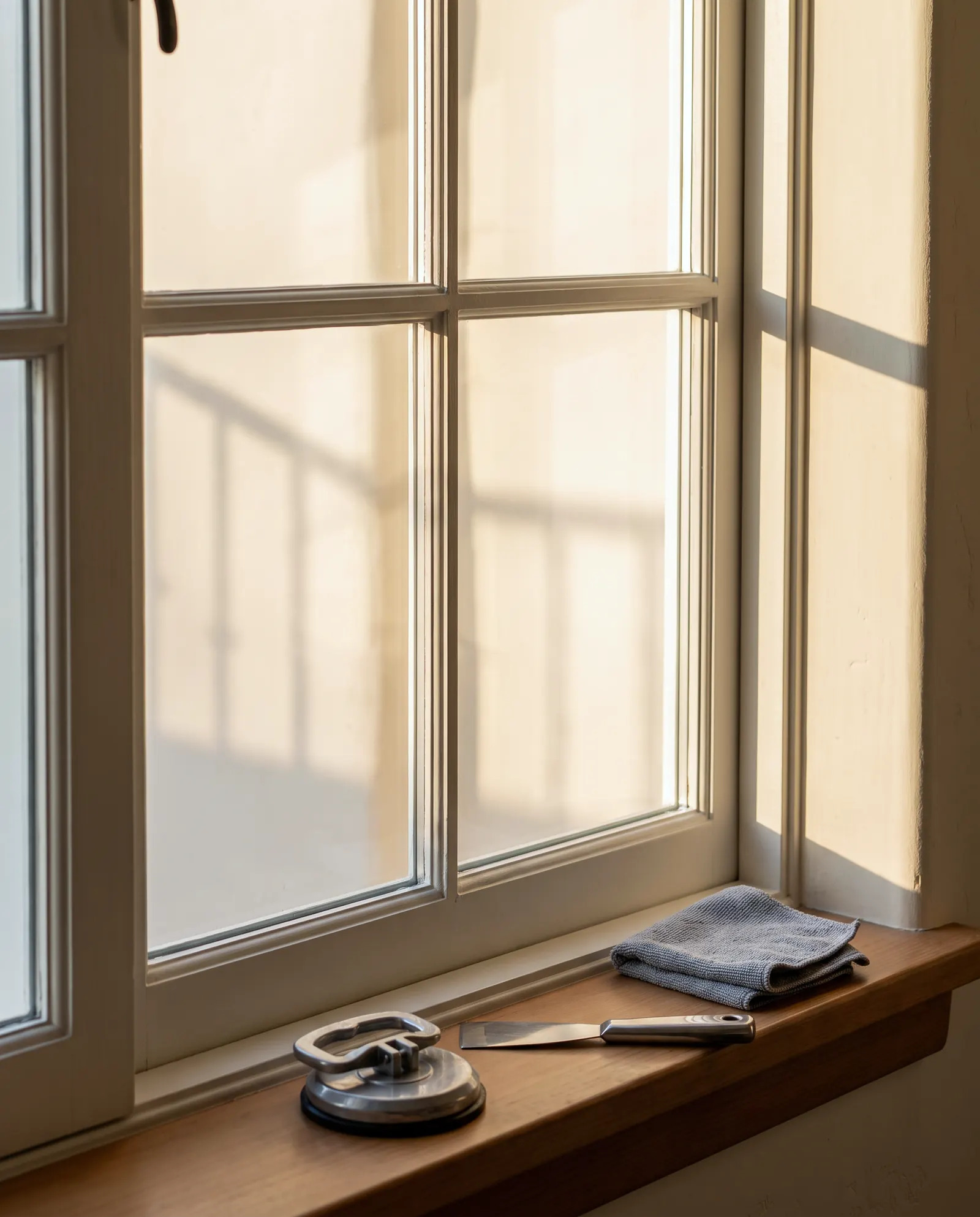
Checking level and plumb before fastening is what keeps a window opening smoothly for years.
What to Expect in LA Homes Specifically
Los Angeles housing varies a lot, and the style of your home shapes the day.
Stucco homes are common here. Exterior work may involve cutting or patching stucco around the frame, and a patch may need time to cure and be painted afterward. Ask how the crew handles that finish.
Older bungalows and mid-century homes may have wood frames, odd sizes, or settled openings. Surprises like hidden rot are more likely, so be ready for a change in plan on one or two windows.
Condos and apartments often have HOA rules about window style, color, and work hours. Check with your association before scheduling, and ask whether the building needs notice for noise or elevator use.
Permits and codes. Depending on the work, such as changing a window's size or location, permits may apply. The LADBS permits and inspections page is the place to check. California's energy efficiency standards also influence which glass products are appropriate; see the California Energy Commission for details.
Older paint. Homes built before the late 1970s may have old paint on frames and trim. The EPA has a renovation, repair and painting program worth reading if your home is that age.
Our windows service page explains how we approach these home types.
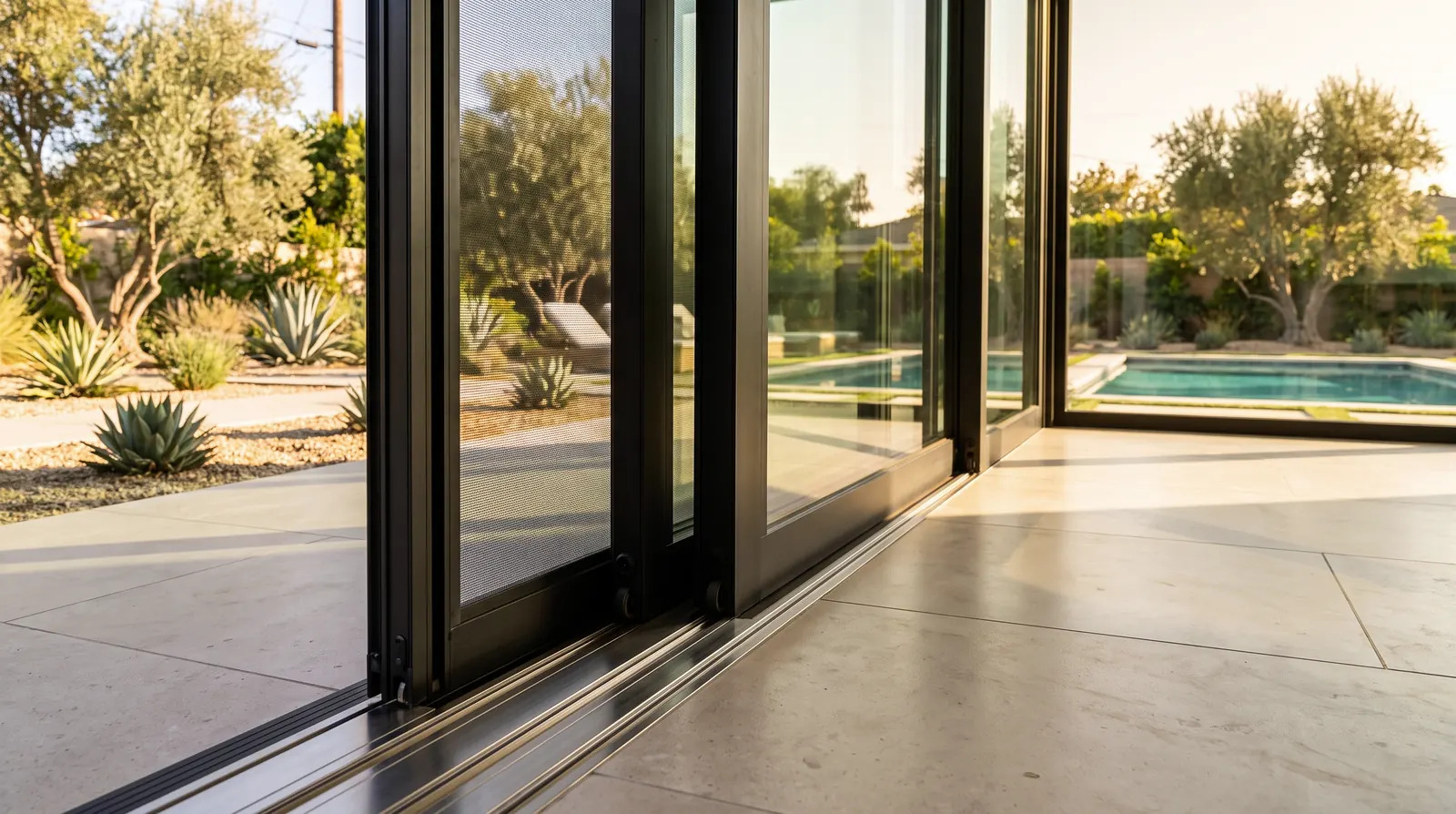
A good finish shows in the details: even gaps, clean trim, and a swept floor.
Cleanup and the Final Walk-Through
Before the crew leaves, expect them to remove old windows and debris, vacuum or sweep work areas, and wipe down the new glass and frames. Ask in advance whether haul-away of the old units is included in your scope.
Then do your own walk-through. Don't rush it.
- Open and close every sash. It should move smoothly and latch firmly.
- Check the locks on each window.
- Look at the glass for scratches, smudges, or stickers that need removal.
- Inspect the trim and caulk lines for gaps, rough spots, or missed areas.
- Check screens are present and fit.
- Look at the floors and walls for scuffs or damage.
- Ask about care: which cleaners to avoid, when paint or caulk can be touched, and what to watch for in the first rain.
Take photos of anything you want fixed and share them with the crew lead before they leave.
When to Call a Pro
Replacing a window is a satisfying project for a skilled DIYer with the right tools, but it's not a casual weekend job. A small, ground-floor, insert-style window in sound condition is the most realistic DIY candidate.
Hire a professional when:
- Windows are on a second story or need ladder work at height (see OSHA's ladder safety guidance).
- You suspect rot, water damage, or a failed frame.
- The opening needs resizing or structural changes.
- Your walls are stucco and need clean cutting and patching.
- You're replacing several windows and want a consistent, weather-tight result.
- Large glass units are involved, which are heavy and hard to handle safely.
A poorly sealed window can leak, and the damage often stays hidden inside the wall for a long time. If you're unsure, you can send a photo for a written quote and we'll tell you what we see. When hiring any contractor in California, the Contractors State License Board offers guidance on how to hire a contractor.
FAQ
How long does window installation take?
It depends on the number of windows, their type, and what's found behind the old frames. Many homes see a crew work through several windows in a day, but larger projects or repairs can take longer. Ask your installer for their expected schedule for your specific home.
Do I need to be home during installation?
Someone over 18 should be available at the start, for decisions during the day, and for the final walk-through. You don't need to hover, but being reachable helps if the crew finds a surprise.
Will my home be noisy or dusty?
Yes, some. Removal and fastening make noise, and dust is normal. Crews protect floors and work room by room, but plan for a less peaceful day and cover items you don't want dusty.
Is my home secure while windows are being replaced?
Crews usually work on one opening at a time so no window stays open longer than necessary. Ask what the plan is if a job stretches past the end of the day, and how openings will be secured.
What should I do after the windows are in?
Keep the manufacturer's care information, keep track of any remaining touch-up items, and watch the first few rainstorms for drips or drafts. Report anything odd to your installer promptly.
Sources
- CSLB: How to Hire a Contractor
- LADBS: Permits and Inspections
- OSHA: Ladder Safety
- California Energy Commission: Building Energy Efficiency Standards
Safety note: work on electrical panels, gas, structure or anything that needs a permit should be done by a licensed contractor with the required permits.
STATOX Handyman Service · Send a photo · +1 (820) 200-4919
Keep reading
 windowsCommon Window Problems and Fixes for Los Angeles HomesLearn the common window problems and fixes for Los Angeles homes, from sticking sashes to failed seals, and what to try first before calling for help.
 windowsWindow Repair or Replacement: How to Choose in Los AngelesWindow repair or replacement in Los Angeles: how to tell which one your home needs, what to check first, and when a pro visit saves you a second trip.
 windowsSanta Ana Winds: Prep Your Los Angeles Home's WindowsSanta Ana winds home preparation in Los Angeles starts with your windows. Learn what to check, seal, and fix before the next gust so your home stays ready.