Window Installation Prep Checklist for Los Angeles Homeowners

A good window installation prep checklist comes down to five things: confirm what is being installed, check permit and building rules, clear the work area inside and out, protect your floors and belongings, and plan for the day itself. Do these before the crew arrives and the job runs smoother, with fewer surprises.
This guide is written for Los Angeles homes, from 1920s stucco bungalows to mid-century ranch houses and newer condos, where window openings, exterior finishes, and building rules can differ a lot.
Confirm the Scope Before Anything Else
Most installation-day problems start with a vague plan. Before you prep a single room, make sure you and your installer agree on the details in writing.
Know which type of job it is:
- Insert (pocket) replacement: the new window goes inside the existing frame. The exterior trim and stucco stay mostly untouched.
- Full-frame replacement: the old window and frame are removed down to the rough opening. This allows repairs to the framing and flashing, but it disturbs more of the wall.
| Factor | Insert replacement | Full-frame replacement |
|---|---|---|
| Existing frame | Stays in place | Removed |
| Wall disturbance | Minimal | More, inside and out |
| Good fit when | Frame is square and sound | Frame is rotted, damaged, or out of square |
| Prep needed | Clear interior space | Clear interior and exterior, plus plan for patching |
| Finish work | Trim touch-ups | Stucco, drywall, and paint repair may follow |
Ask your installer to list the window style, glass type, frame material, color, and which openings are included. If something is unclear, ask now, not on install day.
Measure, Photograph, and Document Each Opening
Even if your installer takes final measurements, your own notes help catch mistakes.
- Number every window. Use painter's tape on the inside and write a number on it. Keep a simple sketch of the floor plan with matching numbers.
- Photograph each opening. Take one wide shot from inside and one from outside. Include any existing damage, cracks, or water stains.
- Note the operation. Mark which windows slide, crank, or swing, and which direction.
- Check for trouble signs. Soft wood, peeling paint, stains below the sill, or cracked stucco around the frame can mean hidden moisture damage.
- Record special requests. Egress windows in bedrooms, tempered glass near doors or tubs, and privacy glass in bathrooms should all be discussed up front.
Photos also give you a clear before-and-after record, and they make it easy to send a photo for a written quote if you are still comparing options.
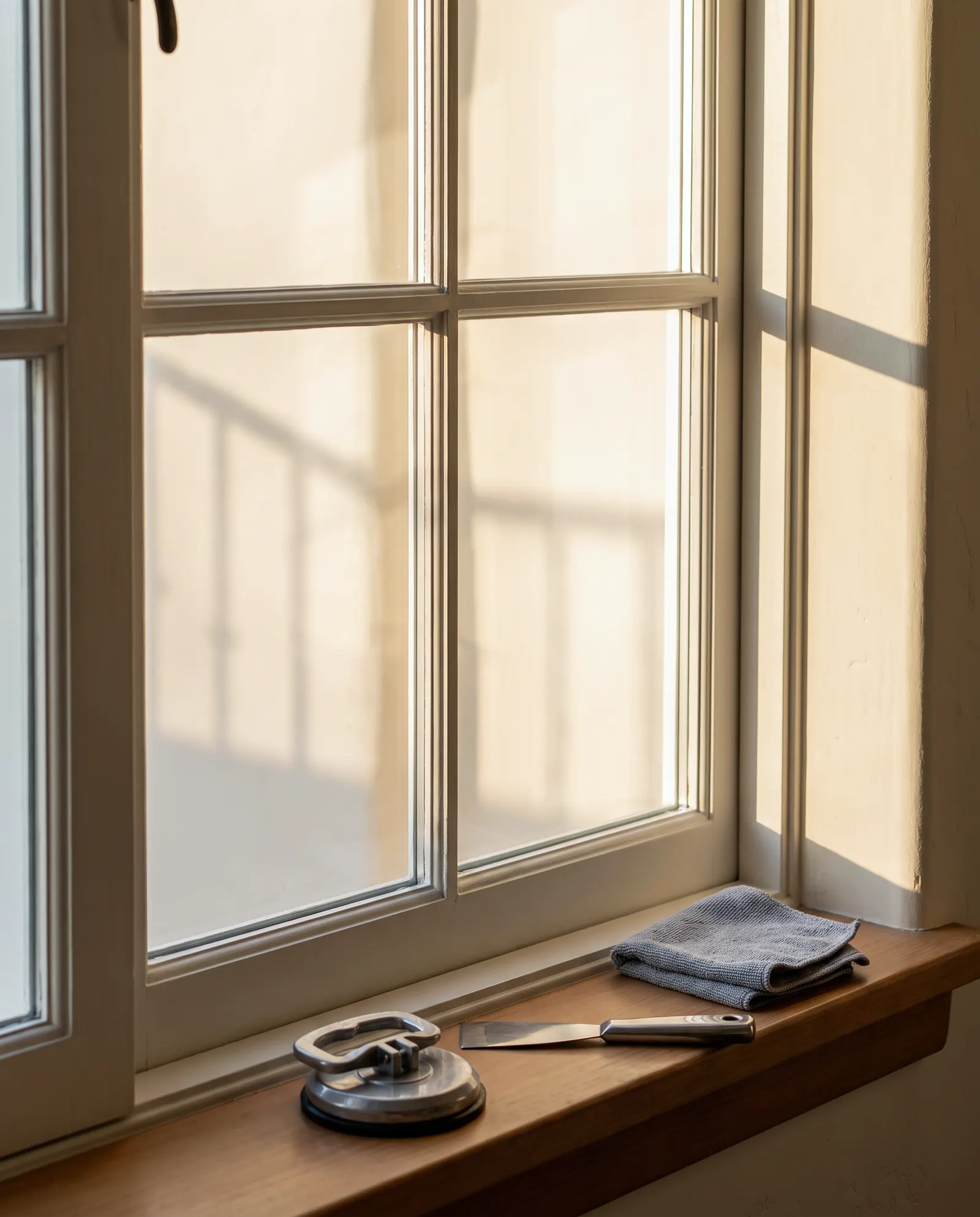
Numbering and photographing each opening keeps the plan clear for everyone.
Check Permits, HOA Rules, and Energy Requirements
Window work is not always a simple swap. Rules vary by city, building type, and the scope of work.
- Permits: The City of Los Angeles Department of Building and Safety (LADBS) publishes permit and inspection information. Check with them, or your local city if you live outside LA proper, to find out whether your project needs a permit. Changing the size of an opening usually raises more questions than a same-size replacement.
- Energy standards: California's Building Energy Efficiency Standards can affect the performance ratings of replacement windows. Ask your installer how the chosen windows meet current requirements.
- HOA and condo rules: Many associations control exterior color, frame style, and glass appearance. Get approval in writing before ordering.
- Historic overlays: Some Los Angeles neighborhoods have design review rules. If your home sits in one, confirm requirements before choosing a style.
- Contractor verification: The Contractors State License Board (CSLB) offers guidance on hiring a contractor in California. Review it before signing anything.
- Older homes and paint: Homes built before 1978 may have lead-based paint. The EPA's renovation program explains the rules for work that disturbs painted surfaces. Raise this with your installer early.
Clear the Inside: Rooms, Walls, and Walkways
Installers need room to work, and you want your belongings out of the dust zone.
Interior prep checklist:
- [ ] Move furniture at least three to four feet back from each window
- [ ] Remove curtains, rods, blinds, and shades
- [ ] Take down art, mirrors, and shelves on nearby walls
- [ ] Clear windowsills of plants, décor, and electronics
- [ ] Roll up or move area rugs near the work area
- [ ] Cover remaining furniture with clean sheets or plastic
- [ ] Clear a path from the entry door to each work room
- [ ] Secure small items, breakables, and valuables in another room
- [ ] Unplug and move electronics near windows
- [ ] Close off vents or doors in work rooms to limit dust spreading
Dust is part of any window job, especially full-frame work. Closing interior doors and sealing doorways with plastic sheeting helps keep it contained.
Los Angeles homes also have earthquake concerns. If you have heavy bookcases or tall furniture near windows, make sure they are secured. Ready.gov has basic earthquake safety guidance worth a look while you are moving things around.
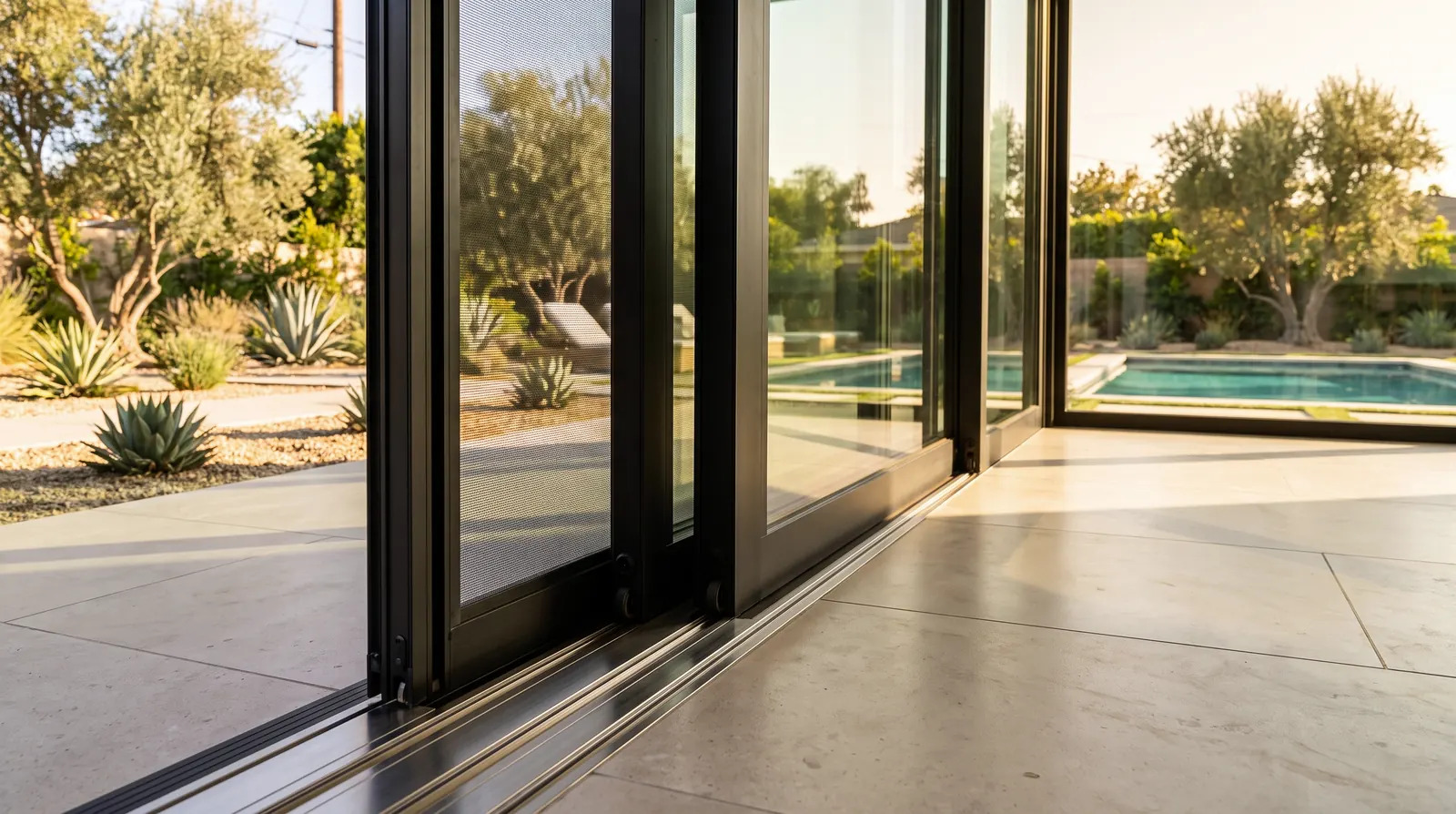
A clear path outside lets installers carry in glass and set ladders safely.
Prepare the Outside, Pets, and Access
The outside of your home matters just as much, particularly in LA where side yards are often narrow and driveways are shared.
Exterior prep checklist:
- [ ] Trim shrubs, vines, and branches away from each window
- [ ] Move patio furniture, grills, and potted plants
- [ ] Clear side yards and gate paths so windows can be carried through
- [ ] Unlock gates and tell neighbors if work will use a shared driveway
- [ ] Reserve parking space near the entrance where possible
- [ ] Put away hoses, toys, and décor along the wall
- [ ] Turn off or cover sprinklers near work areas
- [ ] Note any security bars, screens, or alarm sensors on the windows
Pets and people:
- Keep dogs and cats in a closed room or away from the home during work. Open windows are an easy escape route.
- Plan for children to stay clear of the work zone.
- If anyone has asthma or dust sensitivity, consider spending part of the day elsewhere.
- Let your installer know about alarm systems so sensors are handled correctly.
If work is on upper floors, ladders and scaffolding will be involved. OSHA's ladder safety page is a useful reference for why you should keep people and pets away from the base of a ladder.
What to Expect on Install Day
Knowing the flow of the day makes it less stressful.
- Walkthrough. Meet the crew, confirm which windows are being done, and point out any concerns.
- Protection. Floors and nearby furniture are covered.
- Removal. Old sashes or full frames come out. Expect noise.
- Check and repair. The opening is checked for rot, level, and square. Problems found here may change the plan, so ask about options before approving changes.
- Set and seal. The new window goes in, is leveled, fastened, flashed, and sealed.
- Cleanup and review. Debris is removed, and you should do a final walkthrough.
Your final walkthrough checklist:
- Open and close every window and test the locks
- Look for scratches, smudges, or label residue on the glass
- Check that interior trim and exterior seals look even and complete
- Confirm screens are present and fit
- Ask what finish work, such as paint or stucco patching, still remains and who handles it
Fresh caulk and paint need time to cure, so hold off on hanging heavy window coverings until your installer says it's fine.
When to Call a Pro
Some prep is easy DIY: moving furniture, clearing the yard, taking photos, and numbering openings. The installation itself is a different story.
Hire a pro when:
- The job involves a full-frame replacement or changing opening size
- You see rot, water stains, or damaged framing
- Windows are on a second story or hard-to-reach spot
- Your home is older and may involve lead paint concerns
- A permit is likely required
- You need help with stucco, drywall, or trim repair after installation
Poorly flashed or sealed windows can let water into the wall, and the damage often stays hidden for years. If you're unsure where your project falls, STATOX's windows service team can help you sort out the scope, and you can always send photos for a written quote.
FAQ
How far ahead should I start prepping for window installation?
Start with the paperwork as soon as you choose a window: permit questions, HOA approval, and written scope. The physical prep, such as moving furniture and clearing the yard, usually only needs to happen shortly before install day.
Do I need to be home during installation?
It helps, especially for the first walkthrough and the final check. If you can't be there, name a trusted adult who can answer questions and approve any changes.
Should I remove my blinds and curtains myself?
Yes, in most cases. Taking them down yourself protects them from damage and gives installers clear access. Keep the mounting hardware in a labeled bag.
Will window installation make a lot of dust?
Some dust is normal. Insert replacements tend to create less than full-frame work, which may involve cutting into stucco or drywall. Covering furniture and closing doors helps keep it contained.
Do I need a permit to replace windows in Los Angeles?
It depends on the scope, the property, and the city. Same-size replacements are often treated differently from changes to the opening. Check with LADBS or your local building department before work begins.
Sources
- LADBS permits and inspections
- CSLB: Hire a Contractor
- EPA Renovation, Repair and Painting Program
- California Building Energy Efficiency Standards
Safety note: work on electrical panels, gas, structure or anything that needs a permit should be done by a licensed contractor with the required permits.
STATOX Handyman Service · Send a photo · +1 (820) 200-4919
Keep reading
 windowsCommon Window Problems and Fixes for Los Angeles HomesLearn the common window problems and fixes for Los Angeles homes, from sticking sashes to failed seals, and what to try first before calling for help.
 windowsWindow Repair or Replacement: How to Choose in Los AngelesWindow repair or replacement in Los Angeles: how to tell which one your home needs, what to check first, and when a pro visit saves you a second trip.
 windowsSanta Ana Winds: Prep Your Los Angeles Home's WindowsSanta Ana winds home preparation in Los Angeles starts with your windows. Learn what to check, seal, and fix before the next gust so your home stays ready.