Bel Air Bathroom Repairs in Hillside and Older Homes
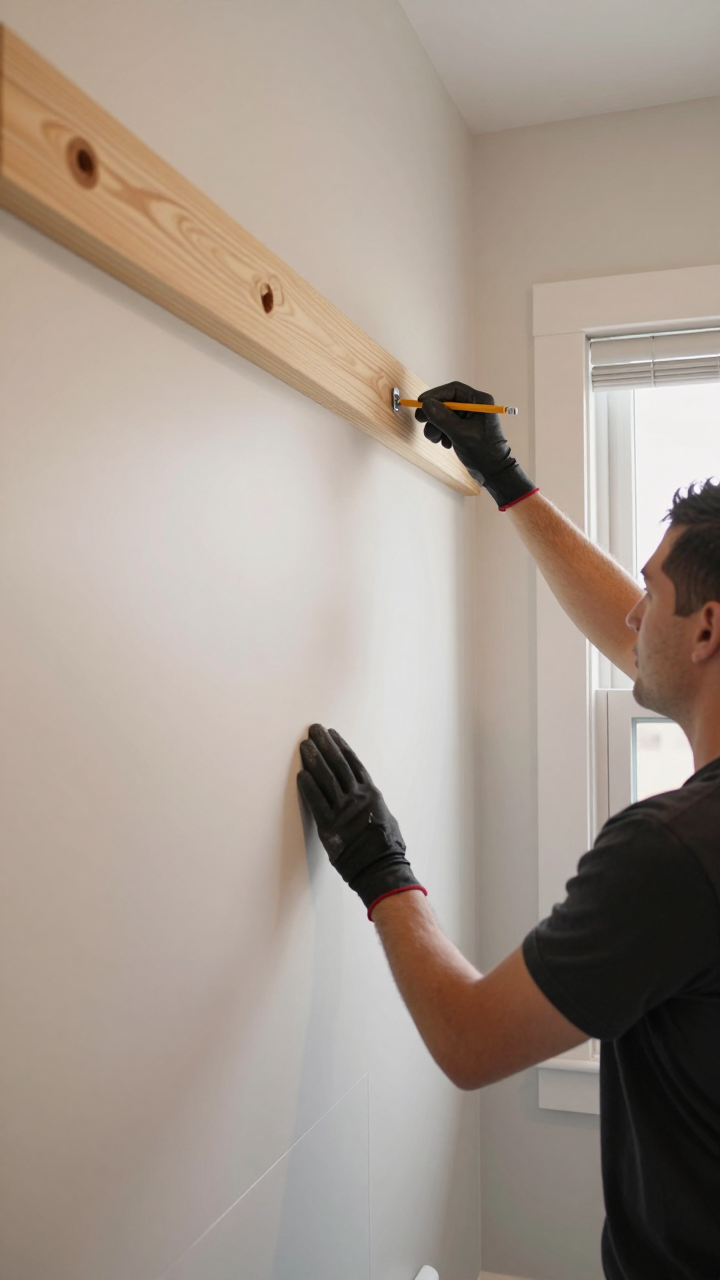
If you need bathroom repair in Bel Air, start by finding where the water is coming from and whether it has reached the wall, subfloor, or ceiling below. Hillside and older homes often hide small leaks for years, so the visible problem (a loose tile, a soft spot, a stain) is usually only part of the story. A careful look at the surfaces, the plumbing, and the ventilation tells you whether this is a simple fix or something bigger.
Why Bel Air bathrooms age differently
Bel Air has a wide mix of homes: mid-century ranch houses, older custom builds, and hillside properties stepped into slopes. Many have bathrooms that were remodeled once, decades ago, and patched ever since.
Several things set these homes apart:
- Original plumbing behind newer finishes. A remodel may have changed the tile and vanity while leaving old supply lines and drain pipes in place.
- Multi-level layouts. On a hillside lot, a bathroom may sit over a garage, a crawl space, or another living area. A slow leak shows up somewhere else, often far from the source.
- Limited access. Tight stairs, long driveways, and narrow roads affect how materials and tools get to the house, which matters when you plan a repair.
- Older materials. Mortar-bed showers, plaster walls, and older caulk and grout behave differently from modern backer board systems.
None of this means your bathroom is in trouble. It means repairs go better when someone looks beyond the surface first.
Common bathroom problems in hillside and older homes
Here are the issues we see most often, and what usually causes them.
Cracked or hollow-sounding tile. Tap the tile gently. A hollow sound can mean the bond to the surface below has failed, often because moisture got behind it.
Failing grout and caulk. Grout is porous and caulk wears out. Gaps at the tub, shower corners, and floor edges let water behind the finish.
Soft or spongy floor near the toilet or tub. This points to moisture in the subfloor, from a worn wax ring, a slow supply leak, or a shower pan problem.
Slow drains and gurgling. Older drain lines can narrow with buildup. On sloped lots, the route a drain takes can also be longer or more complex.
Musty smell or dark spots on the ceiling. This often means poor ventilation, a hidden leak, or both. The EPA notes that controlling moisture is the key to controlling mold indoors.
Running toilets and dripping faucets. These are small, but they waste water and can hide bigger wear. The EPA's WaterSense program has simple guidance on finding household leaks.
Check the problem yourself first
Before you call anyone, a few minutes of inspection will help you describe the issue clearly and avoid guessing.
- Look for the pattern. Does the problem appear only after showers, only after flushing, or all the time?
- Press on surfaces. Gently press the floor around the toilet and tub, and the wall at shower level. Soft or flexing areas matter.
- Check below. If there is a room, garage, or crawl space beneath the bathroom, look at the ceiling or framing for stains, drips, or damp insulation.
- Test the toilet for leaks. Add a few drops of food coloring to the tank, wait without flushing, and see if color reaches the bowl.
- Look at the water meter. If you turn off all water use and the meter still moves, there may be a leak somewhere.
- Take clear photos. Wide shots plus close-ups, with something for scale, help a professional understand what they are seeing.
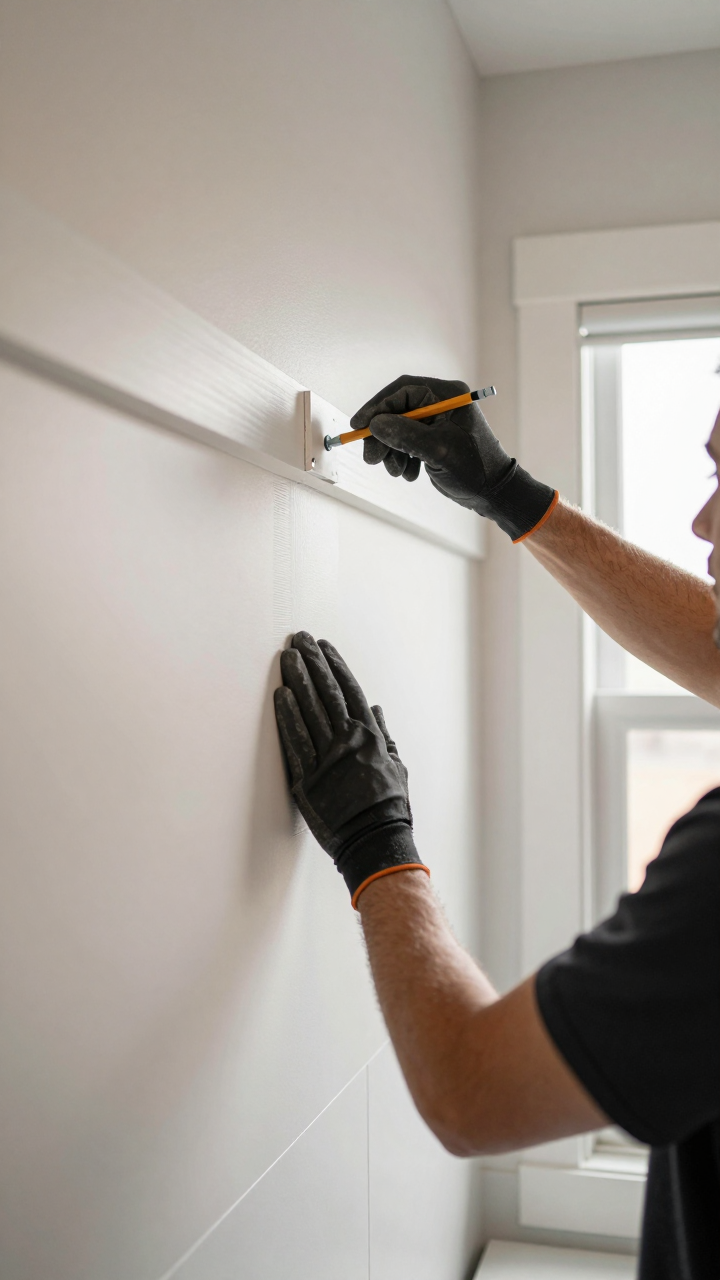
Pressing gently around the tub and toilet is a quick way to spot a soft subfloor.
Repair or replace: how to think about it
Not every worn bathroom needs a remodel. The right answer depends on how far the damage goes.
| Situation | Usually suited to repair | May point to bigger work |
|---|---|---|
| Grout and caulk | Cracked or discolored lines, no movement | Tile loose across a whole area |
| Tile | A few cracked pieces, solid surface below | Hollow sound over a large area |
| Toilet | Worn flapper, wax ring, or fill valve | Rocking base with stained or soft floor |
| Faucet or shower valve | Cartridge or washer replacement | Corroded valve or leaking inside the wall |
| Drain | Localized clog, trap cleaning | Repeated backups, slow drains throughout |
| Walls and ceiling | Surface stain after a fixed leak | Ongoing moisture, crumbling or soft drywall |
A useful rule: fix the cause first, then the finish. Re-tiling over an active leak just repeats the problem.
Moisture, mold, and ventilation
Moisture is the thread running through most bathroom failures. The EPA's guidance on mold and moisture is clear that mold growth is tied to damp conditions, and that fixing the water problem is the first step.
Practical habits that help:
- Run the exhaust fan during showers and for a while afterward.
- Make sure the fan actually vents outside, not into an attic or wall cavity.
- Wipe down shower walls and glass when you can.
- Replace cracked caulk promptly.
- Fix drips and running toilets rather than living with them.
If you find a small patch of surface mold on a hard surface, cleaning it and fixing the moisture source is often enough. If it keeps returning, covers a large area, or sits on soft materials like drywall, it is time for someone to look at what is behind it.
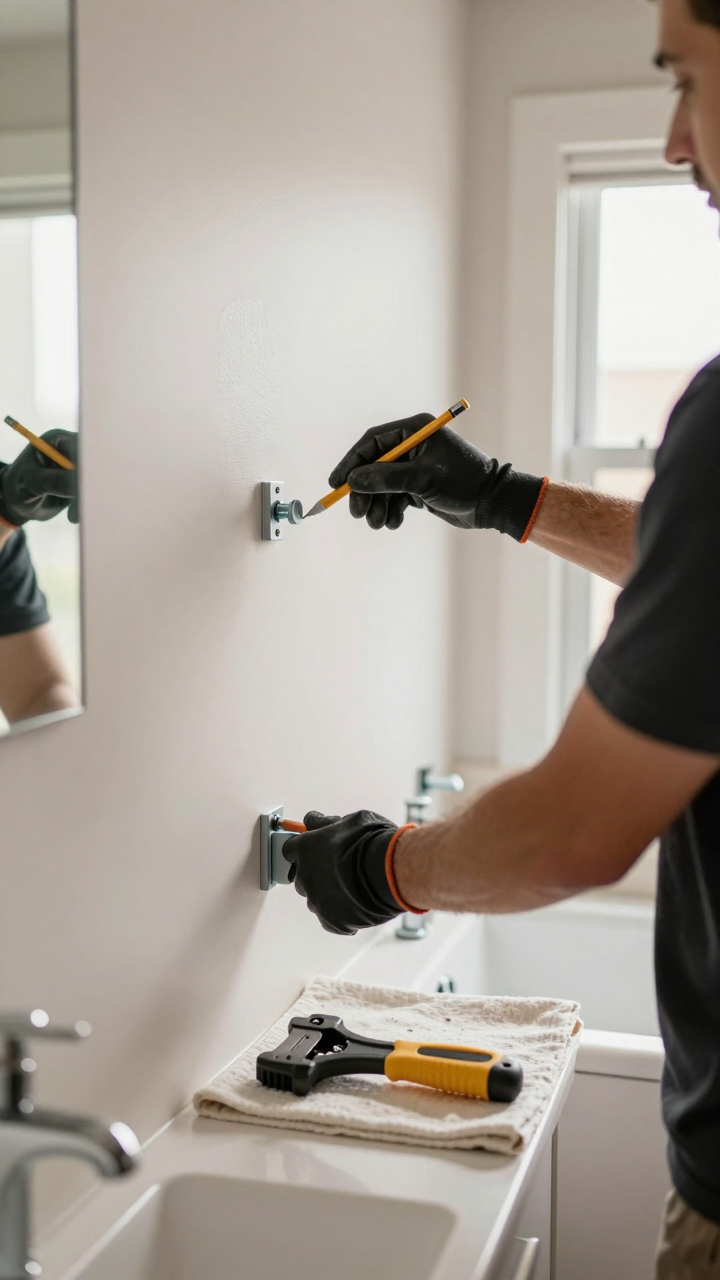
A close look at grout lines and corners often reveals where water is getting in.
Permits, planning, and access on a hillside lot
Simple repairs like replacing a faucet, re-caulking, or swapping a toilet generally do not call for much paperwork. Larger work, such as moving plumbing, changing structure, or altering electrical, may need a permit. The Los Angeles Department of Building and Safety (LADBS) explains how permits and inspections work, so check there before starting anything beyond a straightforward repair.
On hillside properties, think through logistics early:
- Where will materials be delivered, and can a truck reach the house?
- Is there a safe path from the street to the bathroom?
- If you share a road or gate, does anyone need advance notice?
- Is there a lower-level room that needs protection if water is involved?
If you have an HOA or live on a private street, ask about their rules for work hours and deliveries.
For tile work, the Tile Council of North America (TCNA) publishes industry handbooks and standards that many tile professionals reference. It is a good place to learn what proper shower and floor assemblies involve.
When to call a pro
Plenty of bathroom jobs are reasonable for a careful homeowner: re-caulking, replacing a showerhead, swapping a flapper, or tightening a loose fixture. Choose a pro when:
- The floor is soft or the toilet rocks and the subfloor looks stained.
- Water stains appear on a ceiling below the bathroom.
- A shower valve or pipe inside the wall is leaking.
- Tile is hollow or lifting across a broad area.
- Drains back up repeatedly.
- You see recurring mold, or damage on drywall or wood.
- The job involves moving plumbing or electrical.
Being honest about limits saves money and frustration. A small repair done wrong can become a larger one.
When you are ready, you can read about our bathroom service and how we work around Bel Air. If you want a clear starting point, you can send a photo for a written quote and describe what you see.
For hiring any contractor in California, the Contractors State License Board has consumer guidance on how to hire a contractor and check what to ask. It is worth reading before you sign anything.
FAQ
Why does my Bel Air bathroom smell musty even though it looks clean?
A musty smell usually means lingering moisture. Common causes are a weak exhaust fan, damp grout or caulk, or a slow leak behind a wall or under the floor. Improve ventilation first, then look for hidden sources if the smell stays.
Can I just re-grout cracked tile myself?
For small areas with solid tile underneath, yes. If tiles are loose, hollow, or the wall feels soft, re-grouting will not fix the cause, and a closer look is needed.
How do I know if a leak is inside the wall?
Warning signs include stains or bubbling paint on the other side of the wall, a damp smell, a moving water meter when everything is off, or a shower valve that drips even when closed. A professional can confirm the source.
Do older homes need special care for bathroom repairs?
They often do. Older plumbing, plaster, and mortar-bed construction can respond differently than newer materials, so repairs should match what is already in the wall rather than assume a modern setup.
Do bathroom repairs need a permit in Los Angeles?
Minor repairs often do not, but larger work such as relocating plumbing or changing electrical may. Check with LADBS before you start.
Sources
- CSLB: Hire a Contractor
- LADBS: Permits and Inspections
- EPA: A Brief Guide to Mold, Moisture, and Your Home
- EPA WaterSense: Fix a Leak Week
Safety note: work on electrical panels, gas, structure or anything that needs a permit should be done by a licensed contractor with the required permits.
STATOX Handyman Service · Send a photo · +1 (820) 200-4919
Keep reading
 bathroomBathroom Repair Prep Checklist Before the Handyman VisitUse this bathroom repair prep checklist to clear the space, gather photos, and find your shutoffs so your handyman visit goes smoothly. Read before you book.
 bathroomBathroom Tile vs Vinyl vs Acrylic Surrounds: ComparedBathroom tile vs vinyl vs acrylic: how each surround handles water, cleaning, and repairs in Los Angeles homes. Read before you choose your material.
 bathroomBeverly Hills Bathroom Updates in Older Plaster HomesLooking for a bathroom handyman Beverly Hills homeowners can trust with plaster walls? Learn which updates suit older homes and what to check first.