Bel Air Hillside Homes: Door and Lock Upgrade Guide
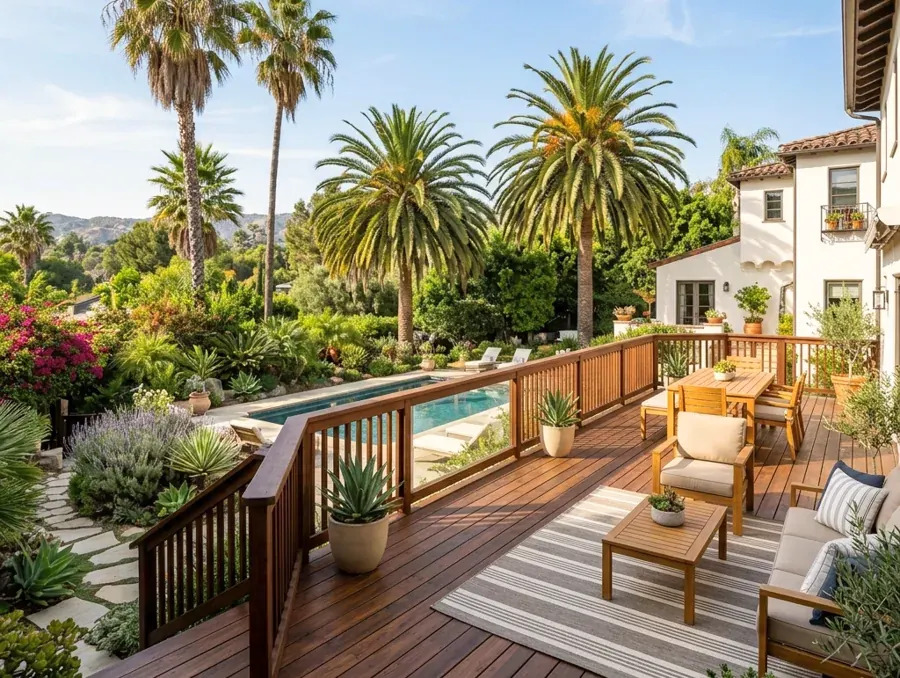
If you are planning door lock installation in Bel Air, start with the door itself, not the lock. Hillside homes often have heavy solid doors, long walkways, side entries, and gates that change which hardware fits and works well. Match the lock grade, finish, and features to how each door is actually used, then check the door's fit before you buy anything.
Why Bel Air Hillside Homes Need a Different Approach
Houses on steep lots rarely have one simple front door. You may have a street-level entry, a lower garden door, a motor court gate, a pedestrian gate, and a back door off a terrace. Each one sees different weather, traffic, and risk.
A few patterns come up again and again on hillside properties:
- Heavy doors. Solid wood and large custom doors put stress on hinges and strike plates. A new lock will not fix a door that sags.
- Sun and marine air exposure. South- and west-facing doors take strong sun that fades finishes and can warp wood. Hardware finishes wear faster when exposed.
- Long approaches. If you walk a long way from the car or street, you may value keypad or smart entry so you are not fumbling for keys.
- Multiple entries. Many owners want several locks that work with one key, or with the same codes.
- Privacy. Homes set back behind hedges or walls often have entries that cannot be seen from the street, which makes solid hardware and good strike reinforcement more important.
Soil movement and seasonal changes can also shift door frames slightly on hillside structures. If a door has started to rub or latch poorly, that is worth noticing before you choose a lock.
Choosing the Right Lock Type for Each Door
There is no single right lock. Think about who uses the door, how often, and what happens if a battery dies or a key is lost.
| Lock type | Good for | Things to weigh |
|---|---|---|
| Standard keyed deadbolt | Back doors, side doors, simple upgrades | Reliable and simple; keys can be copied or lost |
| Keypad deadbolt | Service entries, guest access, garden doors | Needs batteries; codes can be changed when needed |
| Smart lock (app or Wi-Fi) | Main entries, owners who travel | More features, more setup; depends on batteries and connectivity |
| Handleset with deadbolt | Front doors where appearance matters | Needs correct door prep and backset; finish matching matters |
| Multipoint lock | Tall or heavy doors, French doors | Often specific to the door; check compatibility first |
| Gate lock or latch | Pedestrian and side gates | Must be rated for outdoor use and match the gate material |
Look for a deadbolt with a solid grade rating from ANSI/BHMA, which is printed on the packaging. Higher grades are built to be more durable. Treat the rating as one factor, not the whole story.
Check the Door Before You Upgrade the Lock
A strong lock on a weak door is a weak entry. Spend ten minutes on this before shopping.
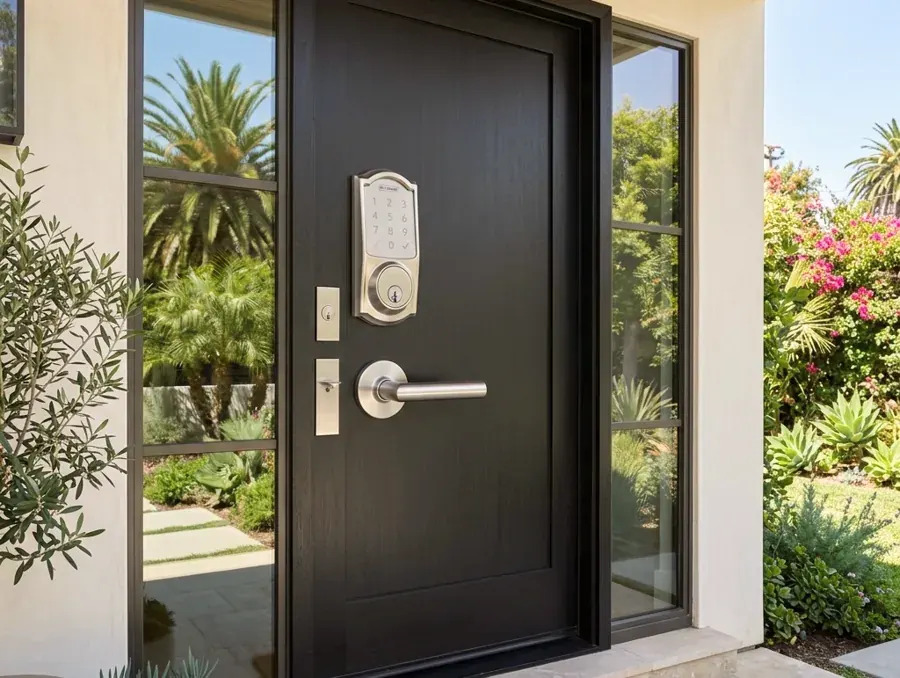
A properly aligned strike plate is what lets a deadbolt actually do its job.
A quick door check
- Close the door and look at the gaps. The gap should look even on top and sides. A wider gap at one corner suggests sagging.
- Test the latch. Turn the key or thumbturn. If you have to lift or push the door to throw the bolt, the alignment is off.
- Check the hinges. Look for loose screws, gaps, or rust. Short screws in the top hinge are common.
- Look at the strike plate. Short screws that only reach the trim are a weak point. Longer screws that reach the framing are better.
- Inspect the edges. Splitting wood around the lock bore needs attention before new hardware goes in.
- Check weatherstripping and the threshold. Light showing around the door is a sign of wear.
If the bolt and strike do not line up, fix that first. Forcing a deadbolt into a misaligned hole wears out the lock and leaves the door less secure.
Measurements and Compatibility That Trip Up DIY Installs
Most upgrade problems come from a few measurements.
- Backset. The distance from the door edge to the center of the lock hole. Common sizes are two different standards, so measure rather than guess.
- Bore hole size. Standard holes fit most modern locks, but older or custom doors may differ.
- Door thickness. Thick custom doors may need longer spindles or specific models.
- Handing. Some levers and handlesets are made for a specific side.
- Existing cutouts. A new handleset may not cover old holes or mortise pockets.
Older Bel Air homes sometimes have mortise locks, which sit in a deep pocket in the door edge. These are not drop-in swaps with a modern cylinder deadbolt. If you want to keep the look, ask about rekeying or retrofitting rather than drilling a new door.
Rekeying is worth considering if you have just bought a home. It changes the key that operates the existing lock, so old keys stop working, without replacing the hardware.
Gates, Side Doors, and Outdoor Hardware
Outdoor gate hardware faces sun, moisture, and constant use, so material and finish matter.
Gates and exterior side doors are often the overlooked entry points. A few things to keep in mind:
- Choose hardware made for outdoor use, with a finish that resists corrosion.
- Make sure the gate hangs level and closes on its own into the latch. A latch that never quite catches is not a lock.
- On wood gates, check that screws bite into solid material, not soft or weathered wood.
- Keep the lock keyed alike with your main entries if you want fewer keys to carry.
- If you add keypad or smart hardware outside, confirm it is rated for exposure.
Lighting also matters. A well-lit entry makes it easier to use a key or keypad and is a simple complement to better hardware.
When to Call a Pro
Plenty of lock work is reasonable for a careful DIYer: swapping a standard deadbolt into an existing, correctly sized hole, replacing a lever, or changing batteries and codes on a keypad lock.
Call a professional when:
- The door sags, sticks, or the bolt does not line up with the strike.
- You need new holes drilled in a solid wood or custom door.
- You are working with mortise locks, multipoint systems, or large pivot doors.
- You want several entries rekeyed or set to work together.
- You are installing hardware on gates with metal framing or heavy hinges.
- You are not sure the door or frame can support the upgrade.
A mistake on a good door is hard to undo, since a wrongly drilled hole cannot be un-drilled. If the work is part of a larger remodel, check with the City of Los Angeles about permit requirements through LADBS permits and inspections. Replacing hardware alone is typically different from altering the door opening, so confirm before you start.
If you hire someone, the California Contractors State License Board offers consumer guidance on hiring a contractor. Get the scope in writing.
You can read more about our locks doors service and the neighborhoods we cover in Bel Air. If you would like a clear scope before anything starts, you can send a photo for a written quote.
FAQ
Do I need to replace my whole door to upgrade the lock?
Not usually. If the door is sound and the lock holes are standard, you can often replace the hardware alone. A door that is warped, split, or badly worn may be worth addressing first.
Should I rekey or replace my locks?
Rekeying works well when the hardware is in good shape and you only need new keys. Replace the lock if it is worn, damaged, or you want a different style or feature set.
Are smart locks a good fit for hillside homes?
They can be, especially with long approaches and several people coming and going. Plan for backup access, such as a physical key or a keypad, in case batteries run out.
How do I know what size lock I need?
Measure the backset, bore hole, and door thickness, and note whether the door is a standard prepped door. Bring those measurements, or a photo of the existing hardware, when you shop or ask for a quote.
Can one key work for all my doors?
Yes. Locks can be keyed alike so one key opens multiple entries. This is worth planning when you buy several locks at once.
Sources
Safety note: work on electrical panels, gas, structure or anything that needs a permit should be done by a licensed contractor with the required permits.
STATOX Handyman Service · Send a photo · +1 (820) 200-4919
Keep reading
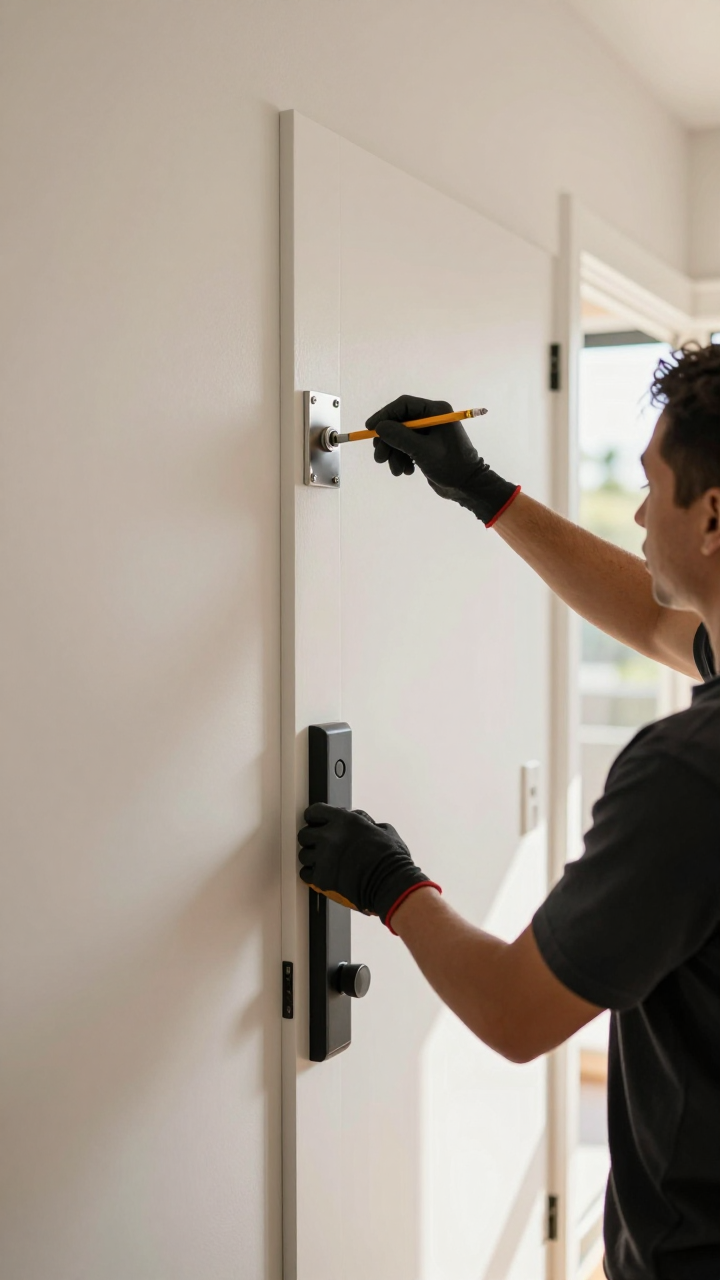 locks doorsDeadbolt vs Smart Lock: Which Fits Your Home Better?Deadbolt vs smart lock: compare security, convenience, batteries, and fit for Los Angeles homes so you can pick the right lock for your front door.
 locks doorsDIY or Handyman for Door Lock and Hinge Repair?Wondering if handyman door lock repair is worth it or if you can fix it yourself? Learn which jobs are DIY-friendly and which to hand off. Read before you drill.
 locks doorsDoor Sticking or Not Latching? Common Causes and FixesDoor not latching or sticking in your LA home? Learn the common causes, simple fixes, and when to stop DIY, so you can sort it out with real confidence.