Cleaning Older Cheviot Hills Homes: Plaster and Hardwood

If you want house cleaning in Cheviot Hills that protects an older home, the rule is simple: use less water, gentler products, and softer tools than you would in a newer house. Plaster walls and aged hardwood floors both react badly to moisture and harsh chemicals. A careful, dry-first approach keeps them looking good for decades.
This guide covers how to clean plaster and hardwood in the older homes common around Cheviot Hills, what to avoid, and when it makes sense to bring in help.
Why older Cheviot Hills homes need a different cleaning approach
Many homes in this part of Los Angeles were built in the early to mid 20th century. They often have original or very old plaster walls, solid hardwood floors that have been refinished more than once, and wood trim with many layers of paint.
These materials behave differently from drywall and modern floor finishes:
- Plaster is hard but can be brittle. It absorbs moisture, and surface cracks can open up if it is scrubbed or soaked.
- Old hardwood is often solid wood, not engineered. Water can get between boards and into the finish, causing cloudiness, cupping, or dark staining.
- Old paint and finishes may be softer or more porous than what is on the shelf today, so strong cleaners can dull or strip them.
The goal is not to scrub harder. It is to lift dust and grime with the gentlest method that works.
Cleaning plaster walls and ceilings the safe way
Start dry. Most of what looks like dirt on plaster is dust, cooking film, or hand marks that respond to light pressure.
A gentle routine:
- Dust from the top down with a soft, dry microfiber pad or a clean, soft brush. Start with ceiling corners and crown molding.
- Vacuum dust from baseboards and picture rails with a brush attachment.
- For light marks, use a barely damp microfiber cloth with a drop of mild dish soap in water. Wring it nearly dry.
- Wipe in small sections, then immediately go over the spot with a dry cloth.
- Stop if paint transfers to your cloth. That means the finish is chalky or fragile.
Test any method in a hidden spot first, such as inside a closet or behind a door.
Avoid on plaster:
- Soaking wet sponges or mops
- Abrasive pads and magic-eraser-type sponges on flat paint (they can burnish or remove the finish)
- Ammonia, bleach blends, and heavy degreasers
- Steam near cracks, patched areas, or wallpaper seams
Plaster that feels soft, powdery, or damp is not a cleaning problem. It points to moisture, and that deserves a closer look before anything else.
Hardwood floors: what to use and what to skip
Older hardwood is durable, but its finish is the part you are really cleaning. Identify the finish first, because it decides your method.
Quick finish check: Place a drop of water in an inconspicuous spot. If it beads and sits, the floor likely has a sealed surface finish. If it soaks in or darkens the wood, the floor may be waxed or worn through to bare wood. Treat that floor with extra caution and keep water to a minimum.
Routine care for sealed hardwood:
- Sweep or vacuum with a hard-floor setting (no beater bar) several times a week.
- Use a microfiber mop that is damp, not wet.
- Choose a pH-neutral cleaner made for wood floors, and use it sparingly.
- Wipe up spills right away, especially near kitchen sinks, entries, and pet bowls.
- Place felt pads under furniture and mats at doors.
Skip these:
- Steam mops, which push moisture into seams
- Vinegar-and-water mixes used often, which can dull some finishes over time
- Oil soaps that leave a film
- Wax or polish products on a floor that was not waxed to begin with

A damp, well-wrung microfiber mop does the job without pushing water into the seams.
Plaster vs. hardwood: a quick comparison
| Plaster walls | Older hardwood floors | |
|---|---|---|
| Main enemy | Excess moisture, abrasion | Standing water, harsh or filmy cleaners |
| Ideal first step | Dry dusting with soft tools | Dry sweeping or vacuuming |
| Cloth or mop | Barely damp microfiber | Damp, well-wrung microfiber |
| Cleaner type | Mild dish soap in water | pH-neutral wood floor cleaner |
| Avoid | Scrubbing pads, soaking | Steam mops, excess water |
| Warning sign | Powdery, soft, or stained areas | Cupping, dark stains, gaps opening |
Details that older homes hide
Cleaning an older home often means dealing with the places modern homes do not have.
- Picture rails and crown molding: dust collects on the ledges. Use a soft brush or microfiber, not a wet cloth.
- Heating grilles and wall furnaces: these hold dust and lint. Vacuum them with the power off and the unit cool.
- Original windows and sills: wood sills with old paint can peel. Wipe lightly and avoid soaking the sash tracks.
- Built-ins and cabinets: old finishes can be sensitive. Test first, and dry as you go.
- Tile and grout in vintage bathrooms: use a mild cleaner and rinse well, since grout can be porous.
- Attic and closet dust: stir it up gently and use a vacuum with a good filter rather than a broom.
Ventilation matters too. When you use any cleaning product, open windows and follow the label. The EPA explains how cleaning and household products can add volatile organic compounds to indoor air, which is one more reason to pick gentle products and use only what you need.
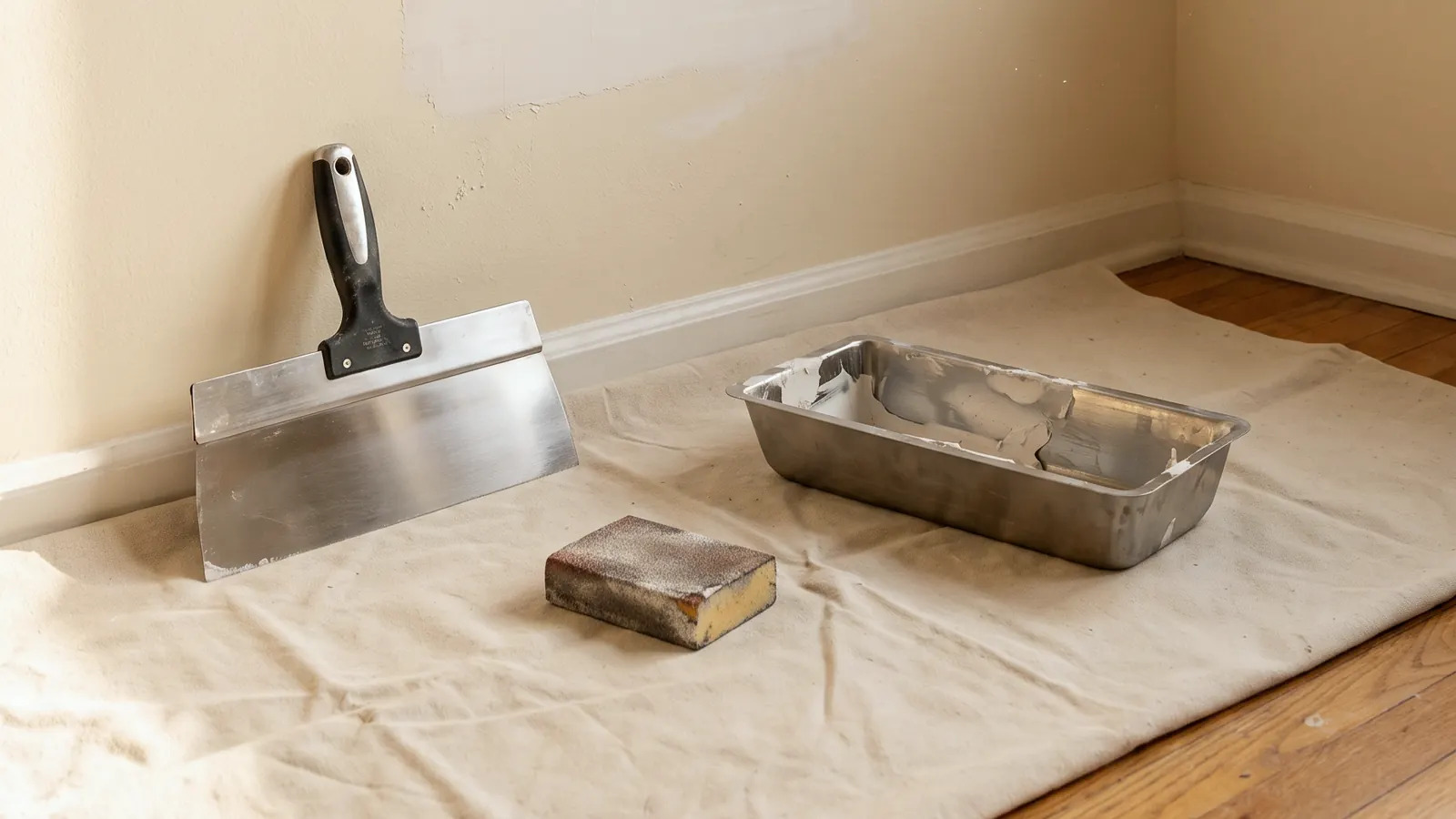
Dry dusting first removes most of what looks like dirt on old plaster.
Moisture, mold, and when "dirty" is something else
Not every stain is surface dirt. Watch for signs that moisture is behind the problem:
- Stains that return after cleaning
- Musty smell in a closet, bathroom, or along an exterior wall
- Bubbling or flaking paint on plaster
- Floorboards that lift at the edges or feel soft
According to the EPA, controlling moisture is the key to preventing mold growth, and cleaning alone does not solve an active leak or damp area. Fix the source first, then clean. The EPA's guide to mold, moisture, and your home is a good starting reference.
If you find something that looks like more than light surface mold, or you are unsure what you are seeing, stop scrubbing and get someone to look at the source of the moisture.
When to call a pro
Plenty of this work is fine to do yourself. Regular dusting, careful mopping, and wiping light marks are all reasonable DIY tasks if you follow the gentle methods above.
Consider hiring help when:
- You are preparing the house for a move, sale, or a large gathering and the job is bigger than a weekend.
- Ceilings, high molding, or stairwells make safe reach difficult.
- You are unsure what finish your floors have and do not want to risk damage.
- Walls show cracks, soft spots, or staining that might point to moisture.
- You have a cleaning job that overlaps with small repairs, such as a sticking door, loose trim, or a failing caulk line.
A handyman team can handle both the cleaning and the small fixes that make older homes easier to keep clean. You can read about our cleaning service or send a photo for a written quote if you would like to describe the job first.
For larger repair or remodel work, it is wise to check a contractor's status with the state through the Contractors State License Board's consumer pages, and to ask whether a project needs a permit from the city.
FAQ
Can I use a steam mop on old hardwood floors?
It is wise to avoid it. Steam forces heat and moisture into the seams and can damage the finish or cause boards to cup. A damp microfiber mop is safer.
What is the safest way to remove marks from plaster walls?
Dust first, then use a barely damp microfiber cloth with a drop of mild dish soap. Dry the area right away and test in a hidden spot before cleaning a visible wall.
How often should I clean hardwood floors in an older home?
Sweep or vacuum several times a week in busy areas, and damp-mop as needed. Heavy traffic zones like entries and kitchens usually need attention more often than bedrooms.
Is vinegar safe for cleaning hardwood or plaster?
It is not the safest choice. Frequent use may dull some floor finishes, and it can affect certain paints. A pH-neutral wood floor cleaner and mild soap are gentler options.
What if I see mold on a plaster wall?
Do not just scrub it. Mold usually means there is moisture to find and fix. The EPA has guidance on mold and moisture, and larger or recurring problems are worth having a professional assess.
Sources
- EPA: A Brief Guide to Mold, Moisture, and Your Home
- EPA: Volatile Organic Compounds' Impact on Indoor Air Quality
- California CSLB: Hire a Contractor
Safety note: work on electrical panels, gas, structure or anything that needs a permit should be done by a licensed contractor with the required permits.
STATOX Handyman Service · Send a photo · +1 (820) 200-4919
Keep reading
 cleaningCalabasas Hillside Homes: Cleaning Up Dust, Ash and PollenHouse cleaning Calabasas homeowners can use after dust, ash and pollen season: room-by-room steps, tool tips, and when to bring in help. Read before you scrub.
 cleaningDeep Cleaning Prep Checklist: Before the Crew ArrivesUse this deep cleaning checklist to get your Los Angeles home ready before the crew arrives, so every hour goes to actual cleaning. Worth a quick read.
 cleaningDIY vs Professional Deep Cleaning: What Makes SenseDIY vs professional deep cleaning: compare effort, tools, and results for your Los Angeles home, and learn which jobs are worth handing off. Read before you start.