Deep Cleaning Prep Checklist: Before the Crew Arrives
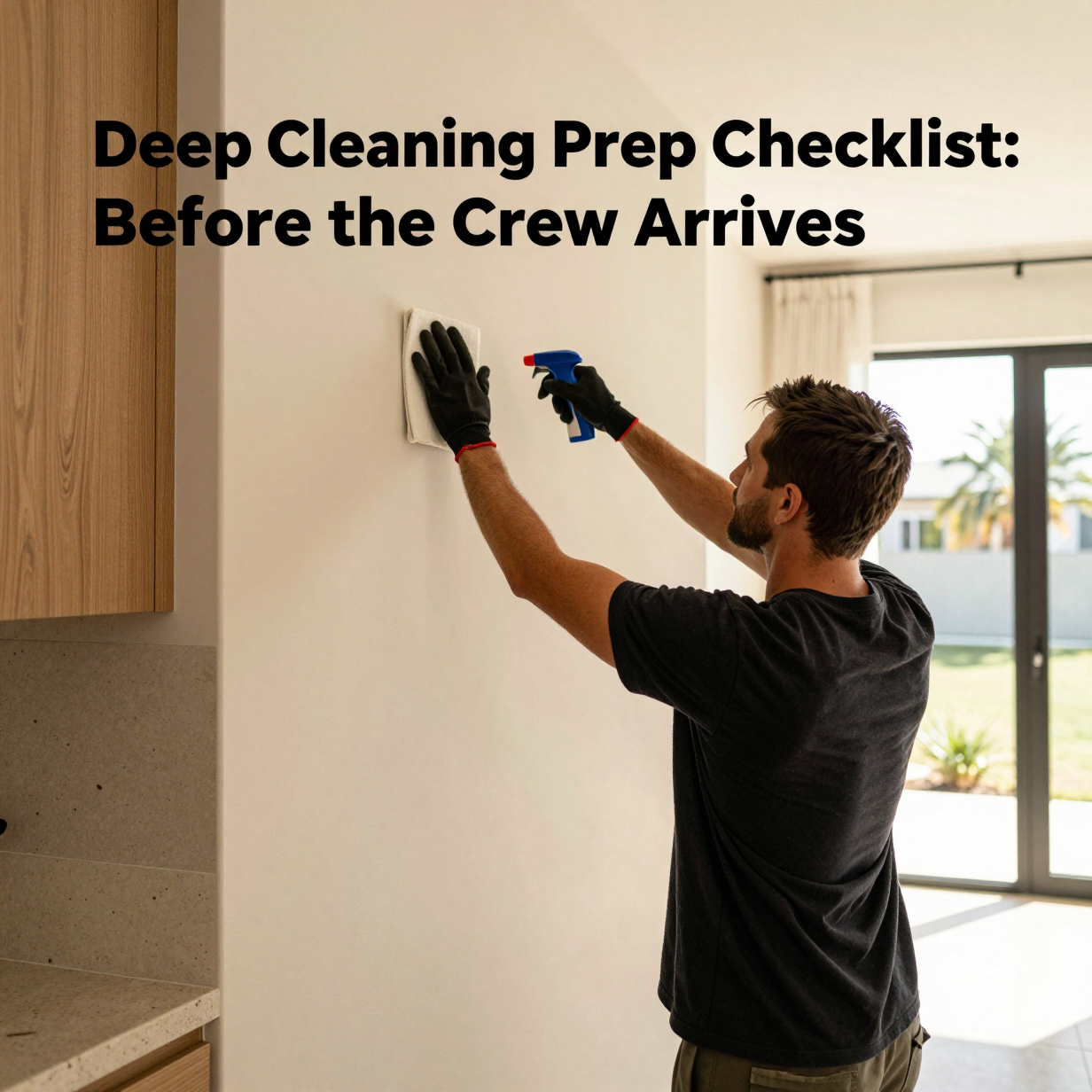
A useful deep cleaning checklist comes down to four moves: clear surfaces and floors, secure valuables and pets, flag problem spots, and make sure the crew can reach water, power, and every room. Do that, and the crew spends their time scrubbing instead of moving your belongings around. Here is how to do it room by room, with a few Los Angeles-specific notes.
Why Prep Matters for a Deep Clean
A deep clean goes beyond a regular tidy-up. It reaches baseboards, inside appliances, grout lines, vents, window tracks, and the buildup behind and under things. Every item sitting on a counter or floor is something a cleaner has to pick up, move, and put back before they can clean underneath.
Good prep does three things:
- Protects your belongings. Fragile and personal items are safer in a closed closet than on an open shelf.
- Lets the work go deeper. Clear surfaces get cleaned thoroughly rather than wiped around.
- Prevents surprises. If you tell the crew about a stained countertop, a sticky lock, or a leaky faucet, they can plan for it.
You do not need to pre-clean. That is a common mistake. You are decluttering and organizing, not scrubbing before the scrubbers arrive.
The Whole-Home Deep Cleaning Checklist
Work through this list a few days ahead, then do a quick pass the evening before.
- Pick up floors. Shoes, toys, cords, laundry baskets, pet bowls, and throw rugs you want cleaned underneath.
- Clear horizontal surfaces. Counters, nightstands, dressers, desks, and coffee tables should be mostly bare.
- Put away valuables. Jewelry, cash, passports, prescriptions, and sensitive paperwork go in a locked or closed space.
- Set aside fragile items. Collectibles, glass décor, and anything sentimental can go in a closet or a labeled box.
- Empty trash and recycling. Full bins slow down the start.
- Strip what you want washed. If linens are part of the plan, leave them in one clear spot.
- Handle laundry and dishes. A full sink or a loaded dishwasher blocks the cleaning of both.
- Open access. Unlock gates, side doors, garage entries, and utility closets. Share any gate or building codes with the crew.
- Make water and power available. Cleaners need working outlets, hot water, and a usable sink.
- Plan for pets and kids. A closed room or a friend's house keeps everyone safe and calm.
Room-by-Room Prep
Kitchen
Clear the counters and empty the sink. Take perishable items out of the refrigerator only if you want it cleaned inside; otherwise, tell the crew it is off limits. Remove loose items from the stovetop and from the top of the refrigerator, where grease and dust collect.
If you want the oven or inside of cabinets cleaned, empty them or at least clear the front rows. Do not run a self-cleaning cycle right before the crew arrives, since the oven stays hot for a while.
Bathrooms
Move toiletries, razors, and medications off counters and the tub edge. Take shower items off the floor. Pull out bath mats you want washed. If you have a spot you already know is stubborn, such as etched glass or old grout stains, mention it.
Bedrooms and living areas
Clear nightstands and dressers. Pick up clothing from floors and chairs. Slide small furniture away from walls if it is easy to do safely, but leave heavy pieces for the crew to discuss with you. Remove items from under beds and sofas so those areas can be vacuumed properly.
Floors, windows, and vents
Pick up window-sill décor and pull back curtains. Clear the area in front of vents and baseboards. In many LA homes, tracks for sliding glass doors collect fine dust and grit, so make sure the track is not blocked by furniture or plants.

A cleared kitchen counter lets the crew clean the surface itself, not just around your things.
What to Tell the Crew Before They Arrive
A short note saves a lot of back-and-forth. Share this ahead of time:
- Priority areas. Where do you most want the effort to go?
- Off-limits spaces. A home office, a nursery, a locked room.
- Sensitive surfaces. Natural stone, unsealed wood, antique finishes, and delicate fixtures need gentler products.
- Allergies and sensitivities. Fragrance-free or low-odor products may matter in your household. The EPA notes that some cleaning products release volatile organic compounds, so ventilation is worth planning for.
- Pets. Names, temperament, and where they will be.
- Parking and access. Street permit zones and narrow driveways are common around Los Angeles, so tell the crew where to park.
If you are unsure whether a stain or smell is a cleaning problem or a repair problem, say so. A musty smell, for example, can point to moisture rather than dirt.
Cleaning Problem or Repair Problem?
Deep cleaning cannot fix everything. Some issues look like dirt but have another cause. This table helps you sort them out.
| What you see | Likely a cleaning job | May need a repair first |
|---|---|---|
| Grimy grout | Scrubbing and sealing-ready prep | Cracked or missing grout, loose tiles |
| Dark spots on bathroom ceiling | Surface buildup from steam | Ongoing leak, poor ventilation, persistent mold growth |
| Sticky cabinet doors | Grease and residue | Warped or damaged hinges and finishes |
| Water stains on ceiling | Not a cleaning issue | Roof or plumbing leak |
| Cloudy windows | Hard-water film, dirt | Failed seals between double panes |
| Musty odor | Dust, laundry, trash | Hidden moisture |
The EPA's guidance on mold and moisture is clear on the basics: controlling moisture is the key to controlling mold, and cleaning without fixing the water source usually means the problem returns. If you see widespread or recurring growth, find the moisture source first.
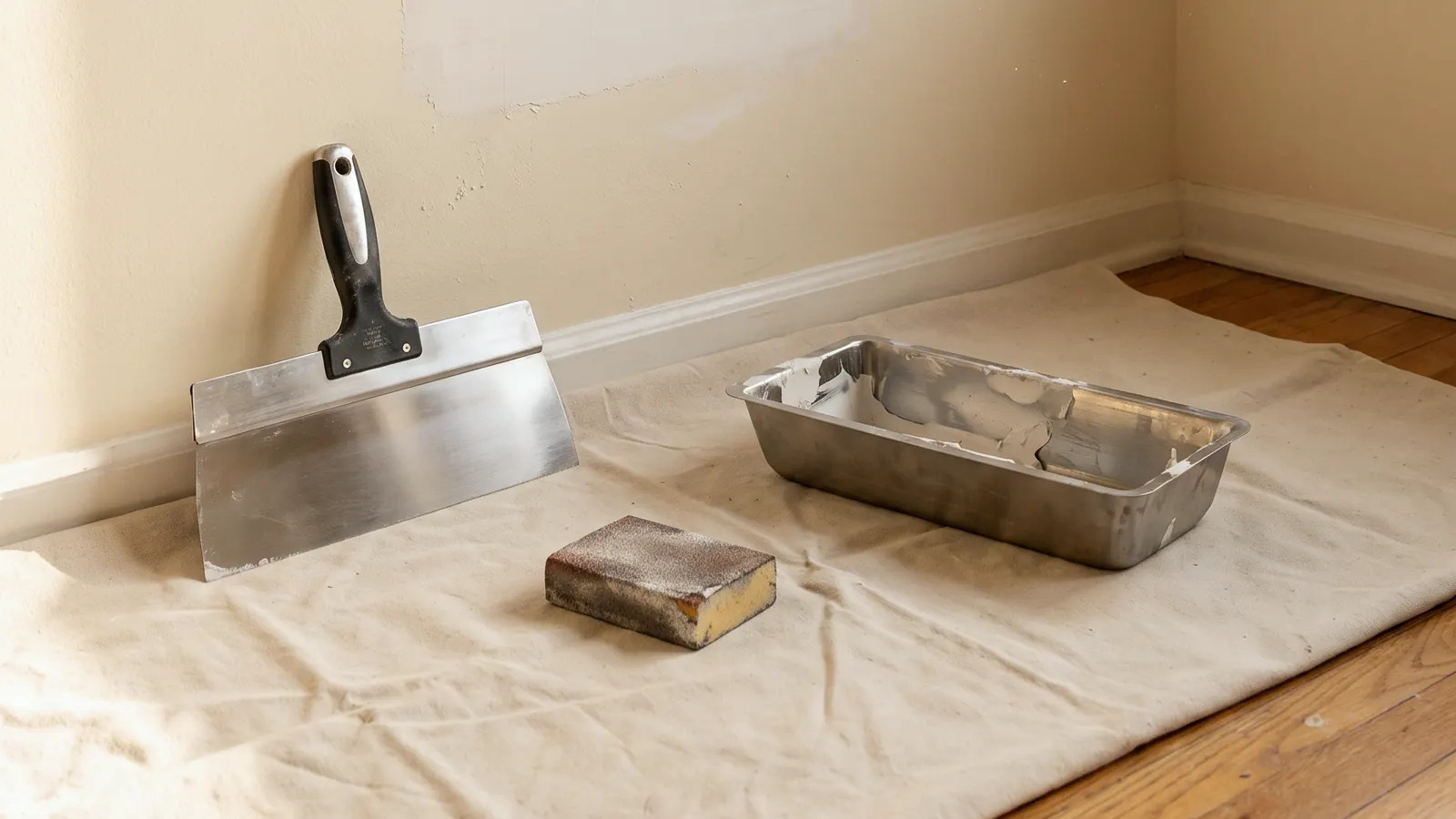
A five-minute walkthrough on arrival day keeps everyone on the same page.
The Day-Of Routine
Keep the morning simple.
- Do a final walkthrough. Check each room against your list.
- Open windows if weather allows. Fresh air helps with product odors.
- Secure pets. Confirm doors and gates are closed.
- Greet the crew and walk the home. Point out priority areas and anything fragile.
- Leave clear instructions if you will not be home, including how to lock up.
After the work, walk through again. Check the areas you flagged, run a hand along baseboards, look at fixtures and glass in good light, and speak up right away about anything missed.
When to Call a Pro
Plenty of homeowners handle regular cleaning on their own, and that is perfectly reasonable. Hiring help makes more sense when:
- You are preparing for a move-in or move-out, or hosting an event.
- The home has not had a thorough clean in a long time.
- You lack the time, tools, or physical ability to reach high or low areas.
- Appliances, grout, and fixtures need more effort than a weekend allows.
A cleaning crew is not the right first call when the cause is a leak, failed seal, or persistent moisture. Those need a repair first. STATOX can help sort out which one you are dealing with. Learn more about our cleaning service, or send a photo for a written quote if you want a clear look at the scope before scheduling.
For any larger repair work that comes up, the California Contractors State License Board offers consumer guidance on hiring, and the Los Angeles Department of Building and Safety explains when permits apply.
FAQ
Should I clean before the cleaners come?
No. Declutter and put things away, but leave the actual cleaning to the crew. Pre-scrubbing is unnecessary effort.
Do I need to be home during a deep clean?
Not always. Many homeowners are comfortable leaving access instructions. Being there at the start for a walkthrough helps, though, and makes it easier to point out priorities.
What should I put away before a deep clean?
Valuables, medications, paperwork, fragile items, and personal belongings on counters and floors. If it would upset you to see it moved or broken, store it.
How do I prepare if I have pets?
Keep them in a closed room, in a crate, or somewhere else for the visit. Put away pet food and bowls, and tell the crew about any pet that may be anxious around strangers.
Will a deep clean fix mold or water stains?
It can clean surface buildup, but it will not solve a moisture source. If stains return or the smell lingers, look for a leak or ventilation issue first.
Sources
- U.S. EPA: A Brief Guide to Mold, Moisture, and Your Home
- U.S. EPA: Volatile Organic Compounds' Impact on Indoor Air Quality
- California Contractors State License Board: Hire a Contractor
- Los Angeles Department of Building and Safety: Permits and Inspections
Safety note: work on electrical panels, gas, structure or anything that needs a permit should be done by a licensed contractor with the required permits.
STATOX Handyman Service · Send a photo · +1 (820) 200-4919
Keep reading
 cleaningCalabasas Hillside Homes: Cleaning Up Dust, Ash and PollenHouse cleaning Calabasas homeowners can use after dust, ash and pollen season: room-by-room steps, tool tips, and when to bring in help. Read before you scrub.
 cleaningCleaning Older Cheviot Hills Homes: Plaster and HardwoodHouse cleaning Cheviot Hills homeowners can trust for plaster walls and old hardwood floors: what to use, what to skip, and why it matters. Read before you scrub.
 cleaningDIY vs Professional Deep Cleaning: What Makes SenseDIY vs professional deep cleaning: compare effort, tools, and results for your Los Angeles home, and learn which jobs are worth handing off. Read before you start.