DIY vs Professional Deep Cleaning: What Makes Sense

For most Los Angeles homeowners, the sensible answer to diy vs professional deep cleaning is a mix. Do the routine, low-risk jobs yourself, like cabinet fronts, baseboards, and window sills. Hand off the heavy, high-reach, or surface-sensitive work, such as built-up grease, hard-water scale, grout restoration, and whole-home resets. Here is how to decide, job by job.
What "deep cleaning" actually covers
Regular cleaning keeps surfaces tidy. Deep cleaning goes after what regular cleaning skips: buildup, residue, and the places you rarely reach.
A typical deep clean includes:
- Degreasing the range hood, backsplash, and cabinet fronts
- Cleaning inside the oven, microwave, and refrigerator
- Scrubbing tile, grout, and shower glass
- Wiping baseboards, door frames, vents, and light fixtures
- Cleaning window tracks and sills
- Detailing behind and under movable furniture
In Los Angeles, a few local factors make this work harder. Fine dust blows in through open windows. Hard water leaves white scale on faucets and glass. Cooking with open windows and no strong exhaust means grease settles on surfaces. None of this is dangerous, but it builds up quickly.
Where DIY deep cleaning works well
Doing it yourself makes sense when the job is safe, the surface is forgiving, and you have time. You pay in effort rather than outside help, and you control exactly what products touch your home.
Good DIY candidates:
- Cabinet fronts and walls: a mild dish soap solution and a soft cloth handle most dirt.
- Baseboards and door frames: easy to reach and easy to repeat.
- Refrigerator interiors: empty, wipe, dry, restock.
- Windows (ground floor): a squeegee, microfiber, and a calm, shaded day.
- Bathroom fixtures: vinegar-free scale removal on natural stone is a trap, so check your surface first.
The main risk with DIY is product choice. Mixing cleaners can release harmful fumes, and some cleaners damage finishes. Never combine bleach with ammonia or acidic products. Read labels, ventilate, and test in a hidden spot first.
The EPA notes that some household products release volatile organic compounds (VOCs), so ventilation matters while you work. Open windows and run exhaust fans.

Cabinet fronts and baseboards are easy wins for a weekend of DIY cleaning.
Where professional help earns its place
Some jobs are not hard so much as awkward, slow, or easy to get wrong. A professional crew brings the right tools, a routine, and extra hands.
Consider hiring out when you face:
- Heavy grease buildup that has turned sticky or hardened on hoods and cabinets
- Hard-water scale on glass and fixtures that home products no longer touch
- Grout and tile restoration across large areas
- Move-in or move-out resets with a tight deadline
- Second-story or hard-to-reach windows and fixtures
- Whole-home deep cleans where the sheer volume is the problem
You can learn more about how we approach this on our cleaning service page.
DIY vs professional deep cleaning: side-by-side comparison
| Factor | DIY | Professional |
|---|---|---|
| Out-of-pocket spend | Supplies only | Paid service |
| Your time | Often a full weekend or more | Much less of your own time |
| Tools | Basic household items | Specialized equipment and products |
| Surface risk | Higher if you guess at products | Lower with experience on varied surfaces |
| Heavy buildup | Slow, tiring | Handled with the right method |
| Control over products | Complete | Discuss in advance |
| Consistency | Varies with energy and skill | More predictable |
The table points to a practical split: your time is the DIY cost, and the risk of a mistake is the main drawback. A pro costs money but saves hours and protects delicate finishes.
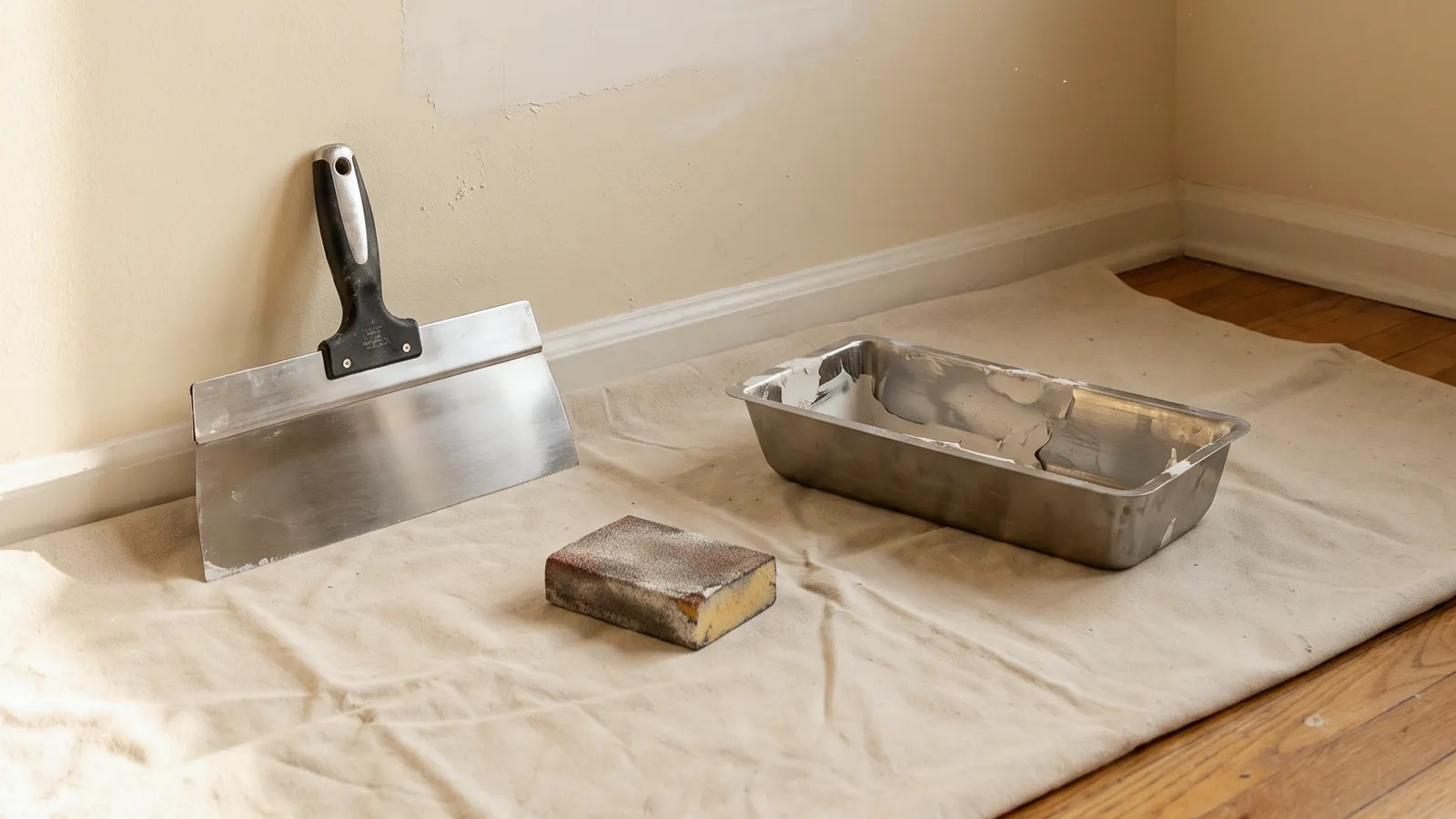
Scale-free glass and clean grout are where professional methods often show the biggest difference.
A simple way to decide: the 5-question check
Run through these before you buy supplies or book help.
- Can I reach it safely? If you need a tall ladder, skip DIY.
- Do I know the surface? Natural stone, unsealed wood, and specialty coatings need specific products.
- Is the buildup recent or years old? Old buildup takes more than elbow grease.
- Do I have the time? Be honest about how many hours you can give.
- Is there a deadline? Listing a home, a move-out, or guests arriving all raise the stakes.
If you answer "no" to two or more of the first three, lean toward a pro for that task.
A hybrid plan that suits most homes
You do not have to pick one side for the whole house. A balanced plan looks like this:
- Monthly: wipe cabinet fronts, clean bathroom fixtures, vacuum vents.
- Twice a year: do baseboards, window sills, and the refrigerator yourself.
- Once a year, or as needed: bring in help for kitchen degreasing, grout, glass, and any area you have been putting off.
This keeps small jobs from turning into big ones, and it uses outside help where it counts.
When to call a pro
Be honest with yourself. DIY is a fine choice for most surface-level work, but a few situations call for help.
- Visible mold or persistent musty odor. The EPA's guidance says to fix the moisture problem behind mold, not just clean the surface. If the growth covers a large area or keeps returning, the cause may be a leak or ventilation issue that needs more than cleaning.
- Water damage. Wet drywall or flooring needs drying and repair, not just wiping.
- Delicate or unknown surfaces. If you are not sure what a countertop or floor is made of, ask before you scrub.
- Time pressure. If you are short on hours or energy, hiring is a perfectly reasonable choice.
- Cleaning plus small repairs. Failing caulk, loose fixtures, or cracked grout often need fixing as well as cleaning.
If you are not sure which category your project falls into, you can send a photo for a written quote and we will tell you what we see.
FAQ
Is professional deep cleaning worth it for a regular home?
It can be, especially once a year or before a big event, move, or sale. If you keep up with routine cleaning, you may only need help for a few tough spots.
What should I never do when deep cleaning myself?
Never mix cleaning products, especially bleach with ammonia or acids. Avoid harsh acids on natural stone, and always ventilate. Test any product on a hidden spot first.
How do I handle hard-water stains in Los Angeles?
Start with a cleaner made for mineral scale that suits your surface, and rinse well. Stubborn, etched glass may not fully recover. Natural stone needs stone-safe products.
Can I clean mold myself?
Small, surface-level spots on hard materials can often be cleaned by homeowners, but the key is fixing the moisture source. The EPA offers guidance on mold and moisture. If mold is widespread or keeps coming back, get help.
How do I prepare for a professional deep clean?
Clear counters and floors, put away valuables, note problem areas, and tell the crew about delicate surfaces and any product preferences.
Sources
- EPA: A Brief Guide to Mold, Moisture, and Your Home
- EPA: Volatile Organic Compounds' Impact on Indoor Air Quality
- EPA: The Inside Story, A Guide to Indoor Air Quality
STATOX Handyman Service · Send a photo · +1 (820) 200-4919
Keep reading
 cleaningCalabasas Hillside Homes: Cleaning Up Dust, Ash and PollenHouse cleaning Calabasas homeowners can use after dust, ash and pollen season: room-by-room steps, tool tips, and when to bring in help. Read before you scrub.
 cleaningCleaning Older Cheviot Hills Homes: Plaster and HardwoodHouse cleaning Cheviot Hills homeowners can trust for plaster walls and old hardwood floors: what to use, what to skip, and why it matters. Read before you scrub.
 cleaningDeep Cleaning Prep Checklist: Before the Crew ArrivesUse this deep cleaning checklist to get your Los Angeles home ready before the crew arrives, so every hour goes to actual cleaning. Worth a quick read.