Squeaky, Buckled, or Gapped Floors: Causes and Fixes

Squeaky floors, buckled boards, and gaps between planks almost always come from three things: movement, moisture, or loose fastening. Squeaks are usually a loose board rubbing a nail or neighbor, gaps are usually seasonal or humidity-related shrinkage, and buckling is a sign of excess moisture that needs to be found before any repair. Below is how to tell which problem you have and what actually fixes it.
Why Floors Squeak, Buckle, and Gap
Wood is a natural material. It absorbs and releases moisture, so it swells and shrinks. Even in mild Los Angeles weather, changes in humidity, coastal air, and indoor heating or cooling can move boards a little each season.
The subfloor underneath matters just as much. Over time, nails can loosen, glue can age, and joists can shift or dry out. When a board is no longer held tightly, it moves when you step on it, and that movement is the squeak.
Here is the short version:
- Squeaks: wood rubbing on wood or on a fastener, usually from a loose board or subfloor.
- Gaps: boards shrink in low humidity, or were installed without proper acclimation or spacing.
- Buckling: boards swell and push up, usually from moisture from below or along the edges.
Squeaky Floors: Finding the Source
Before fixing anything, work out where the noise starts. The fix depends on whether you can reach the floor from below.
- Mark the spot. Walk the floor slowly and mark squeaks with painter's tape.
- Check the pattern. A line of squeaks along one direction often points to a joist. Scattered squeaks suggest loose subfloor.
- Look from below if you can. In a crawlspace, basement, or garage ceiling, have a helper step on the noisy spot while you watch for movement between the subfloor and joist.
- Note the flooring type. Solid hardwood, engineered wood, and laminate all respond differently.
Common fixes:
- From below: shims (thin wedges) placed with a bit of construction adhesive in small gaps between the joist and subfloor, or screws driven up through the subfloor, taking care not to go through the finished floor.
- From above: specialty trim-head screws or snap-off screw kits made for pulling a board tight to the joist. These need care so the head sits flush and the hole can be filled.
- Light friction squeaks: some homeowners use powdered lubricant worked between boards. It can quiet the noise temporarily but does not fix a loose board.
Be cautious with long screws. Wiring, plumbing, and radiant heating can run under a floor, and a screw in the wrong spot causes a much bigger problem than a squeak.
Gaps Between Boards: Normal or a Warning Sign?
Thin seasonal gaps are normal in solid wood. They tend to open when indoor air is drier and close up when humidity rises. If gaps shrink back on their own, you generally do not need to do anything.
Gaps deserve a closer look when they:
- Stay open year-round and keep widening
- Appear in only one area of the room
- Come with cupping, crowning, or soft spots
- Show up soon after a new installation
Possible reasons include boards that were not allowed to adjust to the home before installation, a subfloor that has moved, or past moisture exposure.
Repair options depend on the width and cause:
| Situation | Typical approach | Notes |
|---|---|---|
| Narrow seasonal gaps | Leave alone, watch through the seasons | Often close back up |
| Persistent narrow gaps | Flexible filler made for wood floors | Rigid fillers can crack as boards move |
| Wider gaps in a few spots | Wood slivers glued into the gap and sanded flush | Takes patience for a clean look |
| Widespread gaps across a room | Board replacement or re-installation | Cause should be corrected first |

Cleaning out a gap thoroughly helps filler or slivers bond and stay in place.
Buckling and Lifting: Start With Moisture
Buckling happens when boards swell so much that they push upward off the subfloor, sometimes in a noticeable hump. Cupping (edges higher than the center) is a related warning sign. Both point to moisture.
Common sources in Los Angeles homes include:
- Plumbing leaks under sinks, behind dishwashers, or in walls
- Slab moisture under floors installed over concrete
- Poor drainage or irrigation near the foundation
- Water from a past leak that was never fully dried
- Floors installed too tightly against walls, leaving no room for expansion
Do not sand, nail down, or cover a buckled floor until you know why it moved. If the moisture source is still active, the problem returns, and mold can develop in hidden areas. The EPA's indoor air quality guidance covers why controlling moisture matters in a home.
A simple first check:
- Look for stains, soft spots, or musty smell near the affected boards.
- Check under nearby sinks and around appliances.
- Compare the area to dry sections of floor for color or texture changes.
- If you have a moisture meter, take readings in several spots, including a dry reference area.
Once the source is fixed and the floor has dried, boards that stay lifted may need to be removed and replaced. Mild cupping sometimes settles after drying, but a floor that remains distorted often needs sanding or replacement of the affected section.
Laminate, Engineered, and Vinyl Plank Floors
Not every floor behaves like solid hardwood. Floating floors, which click together and are not fastened to the subfloor, have their own issues.
- Peaking at seams or walls: often caused by missing expansion space at the edges. Removing baseboards or trim and adjusting the perimeter gap may relieve pressure.
- Gaps between planks: can happen if the floor shifted, the subfloor was uneven, or planks were not fully locked together.
- Hollow or clicking sounds: may mean low spots in the subfloor beneath the planks.
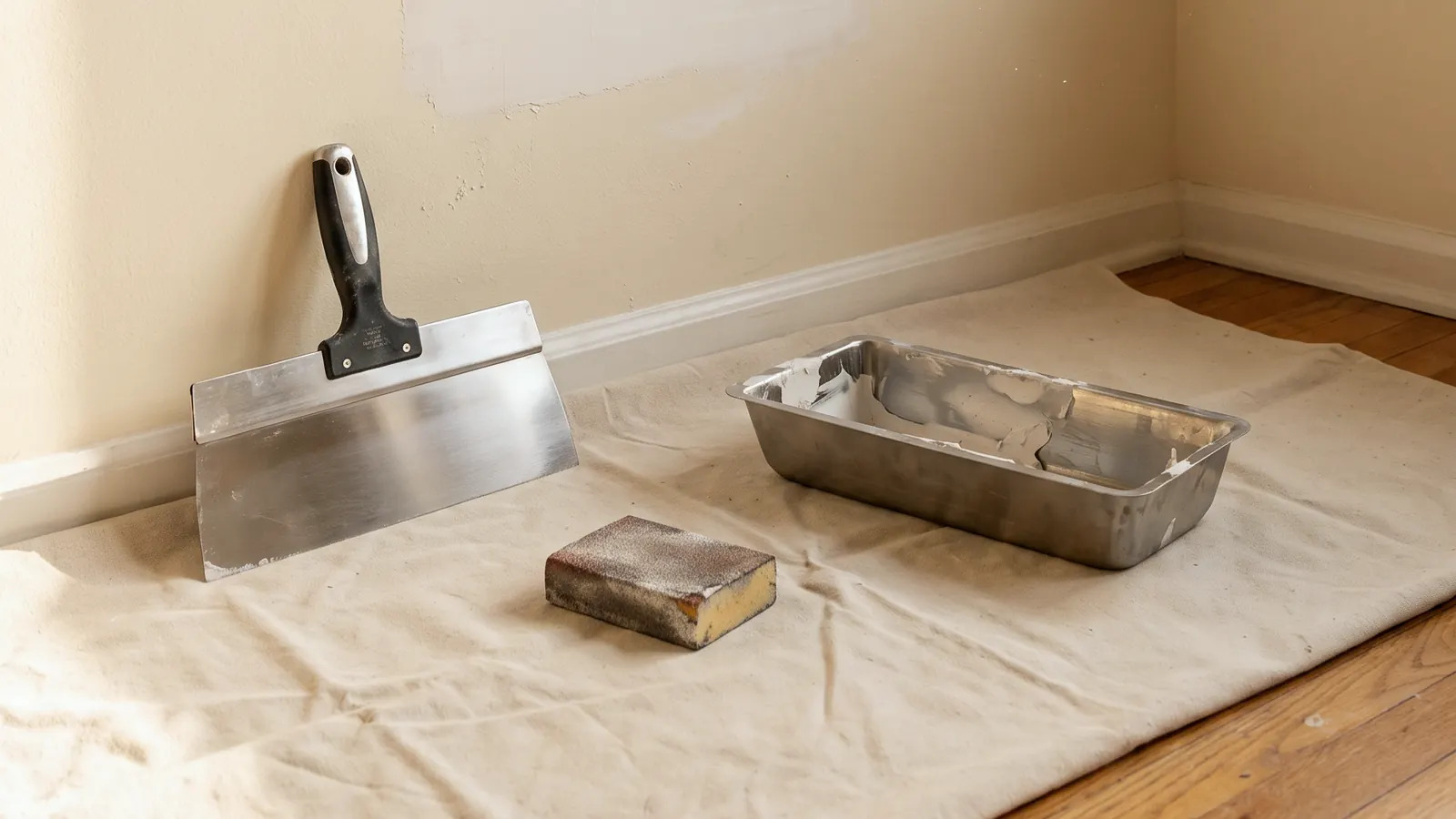
Checking the gap along the wall is often the first step with a peaked floating floor.
Manufacturers publish installation instructions for their products, so check those for spacing and subfloor flatness. For general wood flooring guidance, the National Wood Flooring Association is a useful reference.
Quick Homeowner Checklist Before You Fix Anything
- Identify the problem type: squeak, gap, or buckle
- Note when it started and whether it changes with the seasons
- Check for water sources nearby
- Photograph the area in daylight, including a wide shot and a close-up
- Test whether the problem is local or spread across rooms
- Avoid heavy furniture drag or aggressive cleaning on lifted boards
- Keep your flooring product details if you have them
When to Call a Pro
Plenty of floor annoyances are reasonable DIY projects. A single squeak with access from below, or a small gap filled with flexible filler, is within reach for a careful homeowner with the right tools.
Bring in help when:
- Boards are buckled, cupped, or soft, which suggests moisture
- Squeaks cover large areas or the floor feels bouncy
- You cannot access the subfloor and want to avoid screw mistakes
- Gaps keep widening or show up across multiple rooms
- You suspect a leak but cannot find it
- The floor is a finish you cannot easily match or refinish
A handyman or flooring pro can inspect the area, find the likely cause, and repair or replace sections. Our flooring service covers this kind of repair work. If you want an idea of scope first, you can send a photo for a written quote.
For larger jobs, it is smart to confirm who you are hiring and what work requires permits. The Contractors State License Board has consumer information on hiring a contractor, and LADBS explains when permits and inspections apply in Los Angeles.
FAQ
Can I fix a squeaky floor without removing it?
Often yes. If you can reach the underside, shims or screws from below tighten loose areas. From above, trim-head or snap-off screw kits can pull a board down to the joist with minimal surface damage.
Are gaps between hardwood boards normal in Los Angeles?
Small gaps that open and close with the seasons are normal for solid wood. Gaps that stay open, widen, or appear in only one area are worth checking for moisture or subfloor movement.
Why is my floor lifting off the subfloor?
Lifting usually means the wood absorbed moisture and expanded with nowhere to go. Leaks, slab moisture, and missing expansion space are common causes. Find and stop the source before repairing the boards.
Will buckled floors go back down on their own?
Mild cupping can improve once the wood dries evenly. Boards that are pushed up or distorted often stay that way and may need sanding, re-fastening, or replacement.
Can I use wood filler for gaps?
Rigid filler tends to crack as boards move. Flexible fillers made for wood floors, or thin wood slivers glued in place, usually hold up better.
Sources
- CSLB: Hire a Contractor
- LADBS: Permits and Inspections
- National Wood Flooring Association
- EPA: Inside Story, A Guide to Indoor Air Quality
Safety note: work on electrical panels, gas, structure or anything that needs a permit should be done by a licensed contractor with the required permits.
STATOX Handyman Service · Send a photo · +1 (820) 200-4919
Keep reading
 flooringDIY vs Hiring a Pro for Floor InstallationWeighing diy vs professional flooring installation in Los Angeles? See which floors suit a weekend project and which need a pro. Read before you buy.
 flooringFlooring Installation Prep Checklist for HomeownersUse this flooring installation prep checklist to clear rooms, check subfloors, and plan acclimation so install day goes smoothly. Read before you order.
 flooringFlooring for Manhattan Beach Homes: Salt Air and SandChoosing flooring in Manhattan Beach? Learn how salt air, sand, and moisture affect floors and which materials hold up, so you can plan with confidence.