Flooring for Manhattan Beach Homes: Salt Air and Sand
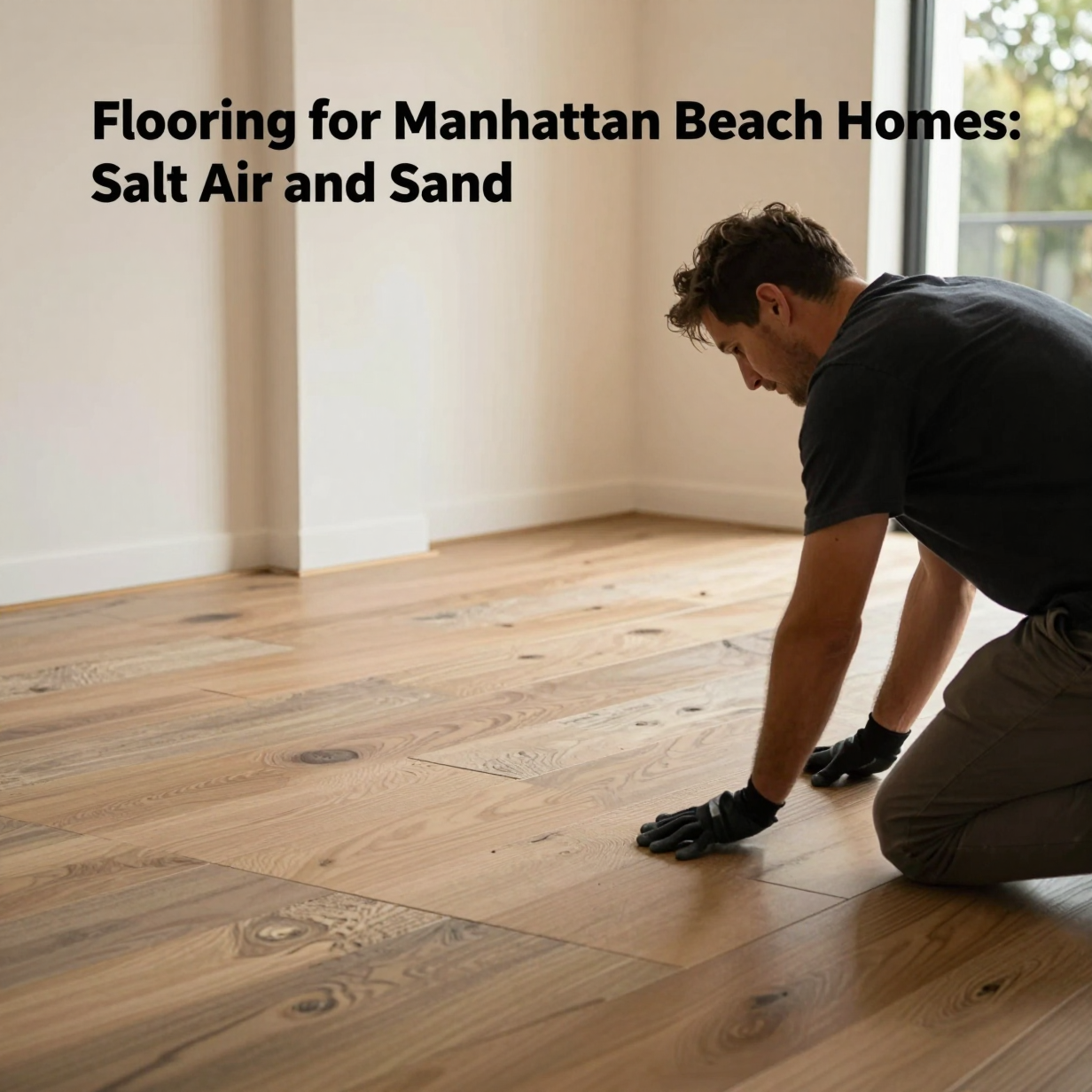
The most dependable flooring for Manhattan Beach homes is one that tolerates sand, damp air, and frequent door traffic without swelling, scratching badly, or trapping moisture. In practice, that usually means rigid-core vinyl plank, porcelain tile, or well-sealed, properly acclimated engineered wood, with the right underlayment and a plan for sand at every entry. Here is how to choose, prepare, and maintain a floor that fits life near the beach.
How Salt Air, Sand, and Moisture Affect Floors Near the Coast
Living close to the ocean changes what a floor has to put up with. The air carries moisture and fine salt, and the marine layer keeps humidity higher than it is inland. Sand rides in on shoes, feet, pets, and beach gear.
Each of these does something different:
- Sand acts like sandpaper. Grit under a foot or a chair leg dulls finishes and leaves fine scratches, especially on hardwood and softer vinyl.
- Humidity makes wood take on and release moisture. That can show up as cupping, gaps between boards, or a slightly "springy" feel.
- Salt residue can leave a hazy film on floors and make some finishes look dull if it is not cleaned off.
- Wet feet and towels bring in water that can sit at door thresholds and along baseboards.
Homes with sliding doors, patios, or a short walk to the sand take the most abuse. Ground-floor rooms over a slab also deserve extra thought, since moisture can travel up through concrete.
Comparing Flooring Types for a Beach-Area Home
No single material is right for every room. This table gives a general comparison to use as a starting point.
| Flooring type | Handles sand | Handles humidity | Things to watch |
|---|---|---|---|
| Porcelain tile | Very well | Very well | Hard underfoot; grout needs sealing or a stain-resistant type |
| Rigid-core vinyl plank | Well | Very well | Quality varies; check wear layer and subfloor flatness |
| Engineered wood | Moderate | Moderate | Needs acclimation, a moisture check, and a durable finish |
| Solid hardwood | Moderate | Less forgiving | Moves with humidity; suited to wood subfloors, not directly on slabs |
| Laminate | Moderate | Varies | Edges and seams are the weak point if water gets in |
| Sealed natural stone | Well | Well | Needs periodic sealing; salt and acids can etch some types |
If you love the look of wood, a wood-look plank in vinyl or porcelain gives you much of the warmth with far less worry. If you want real wood, engineered boards installed with care are usually the more stable choice for coastal conditions. The National Wood Flooring Association (NWFA) is a good general reference for wood installation practices and moisture guidance.
Moisture Testing and Subfloor Prep Come First
Most flooring problems near the coast trace back to what is under the floor, not the floor itself. Before any material is chosen, the subfloor should be checked.
What to look at:
- Concrete slabs: Moisture can move up through the slab. A moisture test tells you whether a vapor barrier or sealer is needed.
- Wood subfloors: Check for soft spots, past water stains, and squeaks. Fix these before covering them.
- Flatness: Many floating floors need a flat surface. Dips and humps show up as gaps, flexing, or cracked tile.
- Old adhesive or damaged layers: Remove failing material instead of building over it.
Acclimation matters too. Wood and some planks should sit in the room, in the conditions they will live in, before installation. Follow the manufacturer's instructions for the material you choose.
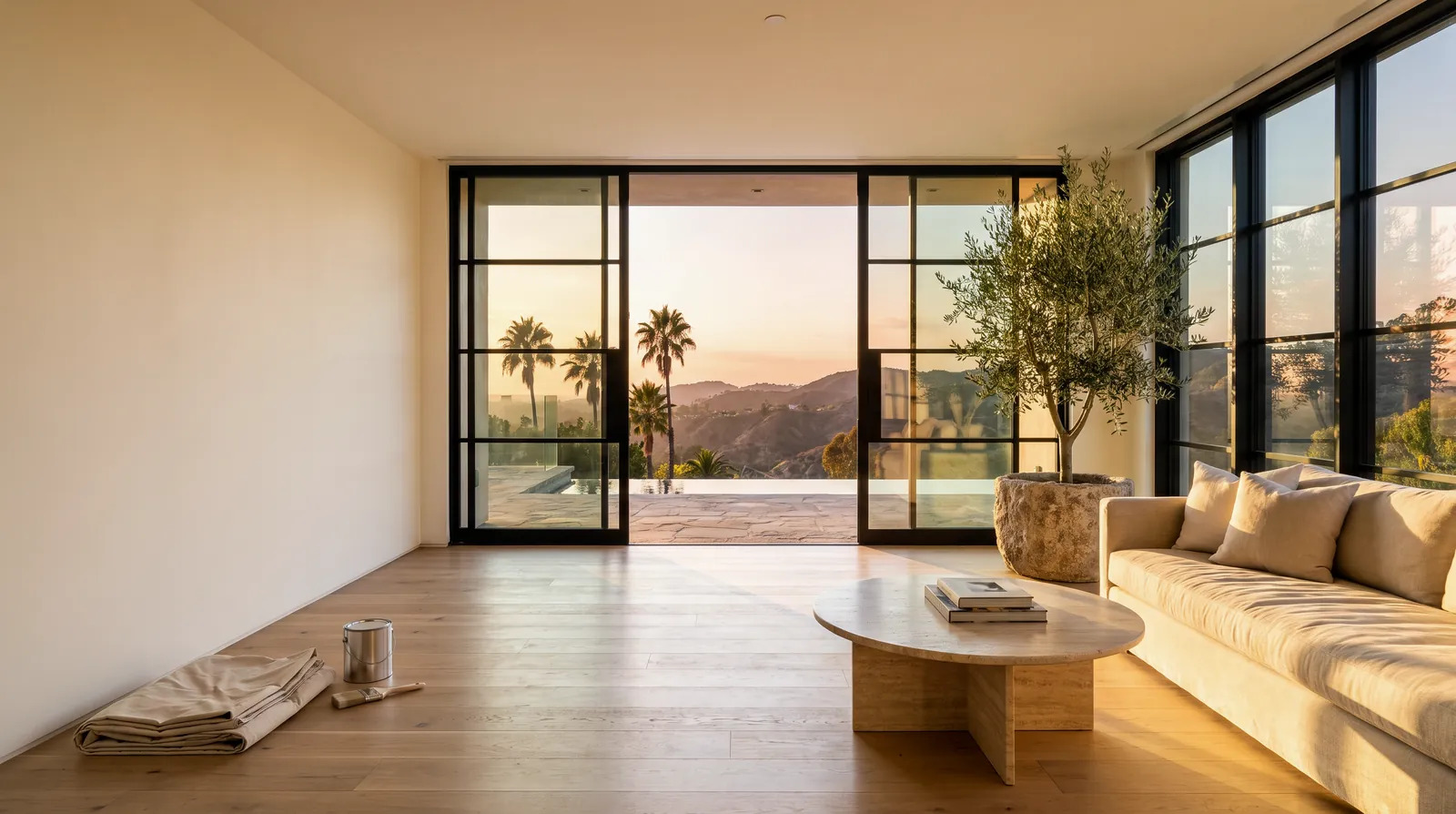
Checking flatness and moisture first prevents most coastal flooring problems later.
Managing Sand: Entryways, Finishes, and Daily Habits
Even the toughest floor lasts longer when less sand reaches it. A few simple habits make a real difference.
Entry setup checklist:
- Place a coarse outdoor mat outside each door and a softer absorbent mat inside.
- Add a bench or hooks and a shoe tray so people can drop sandy shoes at the door.
- Keep a small rinse spot or hose bib near the patio for feet and gear.
- Use felt or soft pads under every chair and table leg.
- Choose a matte or low-sheen finish, which hides fine scratches better than high gloss.
Cleaning routine:
- Sweep or vacuum often with a soft brush head. Avoid beater bars on hard floors.
- Damp-mop with a cleaner made for your floor type. Skip soaking wet mops on wood and laminate.
- Wipe up salt film and water at doors promptly.
Sand and grit are the enemy of finish. Removing it before it gets ground in is easier than refinishing later.
Details That Protect the Floor: Underlayment, Transitions, and Sealing
Small details decide how a floor performs after a few damp seasons.
- Underlayment and vapor barriers: Over slabs, the right moisture-control layer helps protect the flooring. Use products the flooring maker approves.
- Expansion gaps: Floating floors need room at walls to move with humidity. Baseboards and trim cover these gaps.
- Threshold and door transitions: Seal and support these areas well, since they see the most water and sand.
- Grout and stone sealing: Seal where the manufacturer recommends it, and reseal as needed.
- Baseboards: Consider a small gap or caulk line at the bottom in wet-prone rooms so water does not wick up.
Also think about indoor air. New flooring, adhesives, and finishes can release volatile organic compounds (VOCs). The EPA explains how VOCs affect indoor air, and ventilating during and after installation is a sensible step. Low-VOC products are worth asking about.
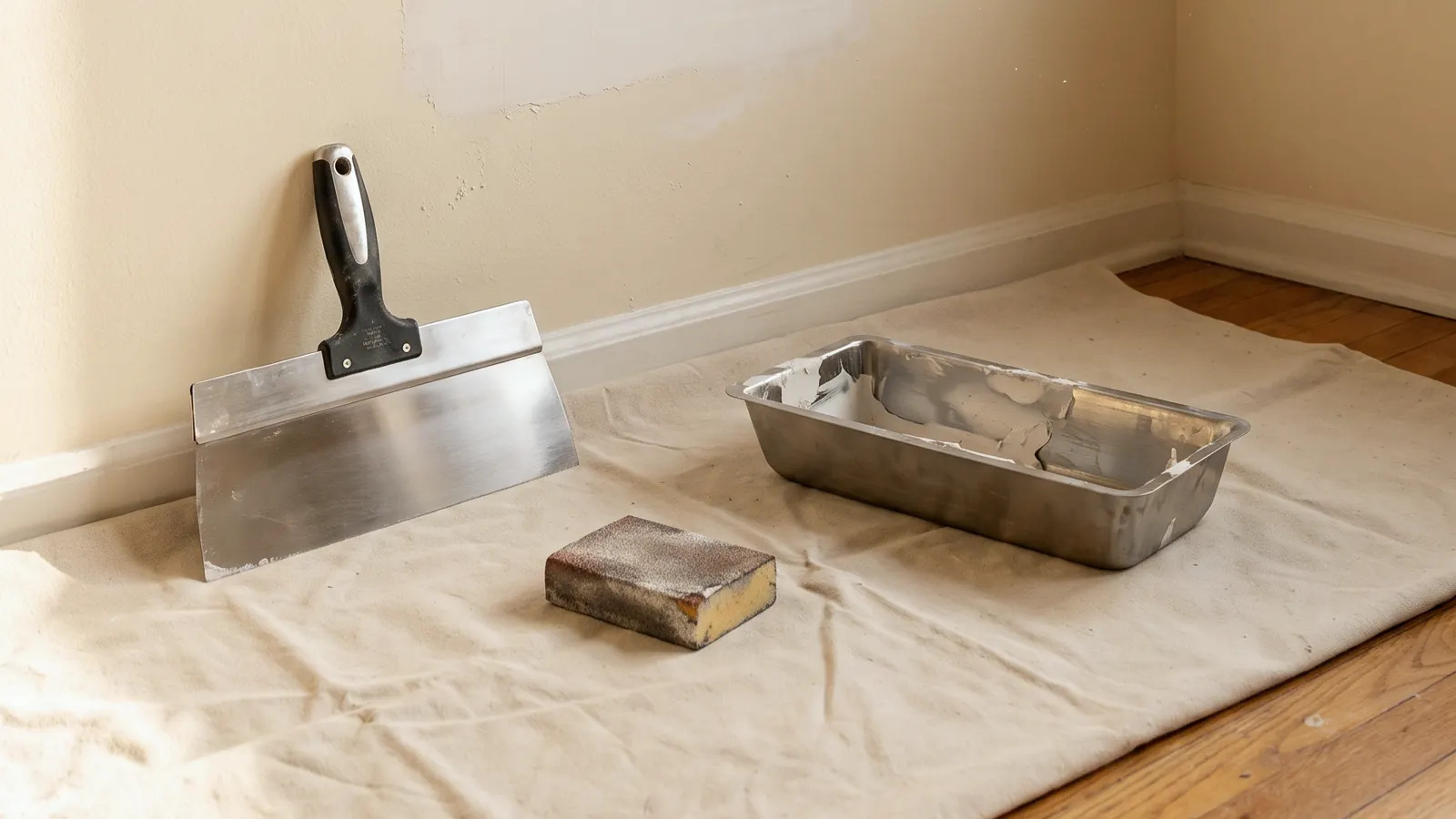
A durable plank near the patio door, paired with a good mat and shoe bench, handles sand well.
Room-by-Room Ideas for Manhattan Beach Homes
- Entry and mudroom: Porcelain tile or rigid-core vinyl. Both clean easily and resist water.
- Kitchen and dining: Tile or vinyl plank for spills; engineered wood works if you are careful with water.
- Living areas: Engineered wood or wood-look plank for warmth, with area rugs you can shake out.
- Bedrooms: Wood, engineered wood, or carpet where you want softness, away from direct sand paths.
- Bathrooms and laundry: Porcelain tile or vinyl plank rated for wet areas. Avoid solid hardwood.
- Garage-to-house paths and patios: Tile or sealed surfaces that can take sandy feet.
Many beach homes mix materials: tough flooring where sand enters, and warmer finishes deeper in the house. Smooth transitions between them keep the look intentional.
When to Call a Pro
Some flooring jobs are reasonable DIY projects. Others are easy to get wrong in ways you will only see months later.
Often fine to DIY:
- Click-together vinyl or laminate in a small, dry, flat room
- Adding mats, felt pads, and entry organization
- Routine cleaning and resealing of small areas per the manufacturer's directions
Better to hire help for:
- Concrete slabs with possible moisture issues
- Uneven or damaged subfloors that need leveling or repair
- Tile, stone, and wide-format planks that demand flat, well-prepped surfaces
- Large open areas where transitions and layout must line up
- Any job involving water damage, mold concerns, or structural questions
If you hire a contractor, check their status through the California Contractors State License Board (CSLB) before work begins. Its consumer pages explain how to hire a contractor and what to ask. For larger projects or changes beyond flooring, check with LADBS about whether permits apply. Homes in HOAs or condo buildings may also have sound-rating or approval rules for flooring, so confirm those first.
If you want help, our flooring service covers installation and repair across Manhattan Beach and nearby neighborhoods. You can also send a photo for a written quote to describe the room and what you are considering.
FAQ
What is the most durable flooring for a house near the beach?
Porcelain tile and quality rigid-core vinyl plank are generally the most forgiving of sand and moisture. Engineered wood can work well with proper prep and care.
Can I have hardwood floors in Manhattan Beach?
Yes, but it takes more attention. Engineered wood is usually more stable than solid wood in humid coastal air. Control sand at the door, keep humidity steady, and follow acclimation and installation guidance from the manufacturer and NWFA.
Does salt air damage flooring?
Salt itself is more of a surface issue, leaving a dull film if not cleaned. The bigger concern is moisture, which affects wood and poorly sealed edges. Regular cleaning and proper sealing help.
Do I need a moisture test before installing new floors?
If you are covering a concrete slab or installing wood, it is a smart step. Moisture problems are much easier to address before the floor goes down.
How do I keep sand from scratching my floors?
Stop it at the entrance with mats and a shoe-off spot, sweep often, use felt pads on furniture, and choose a matte finish. Avoid dragging heavy items across sandy floors.
Sources
- California Contractors State License Board: Hire a Contractor
- Los Angeles Department of Building and Safety: Permits and Inspections
- EPA: Volatile Organic Compounds' Impact on Indoor Air Quality
- National Wood Flooring Association
Safety note: work on electrical panels, gas, structure or anything that needs a permit should be done by a licensed contractor with the required permits.
STATOX Handyman Service · Send a photo · +1 (820) 200-4919
Keep reading
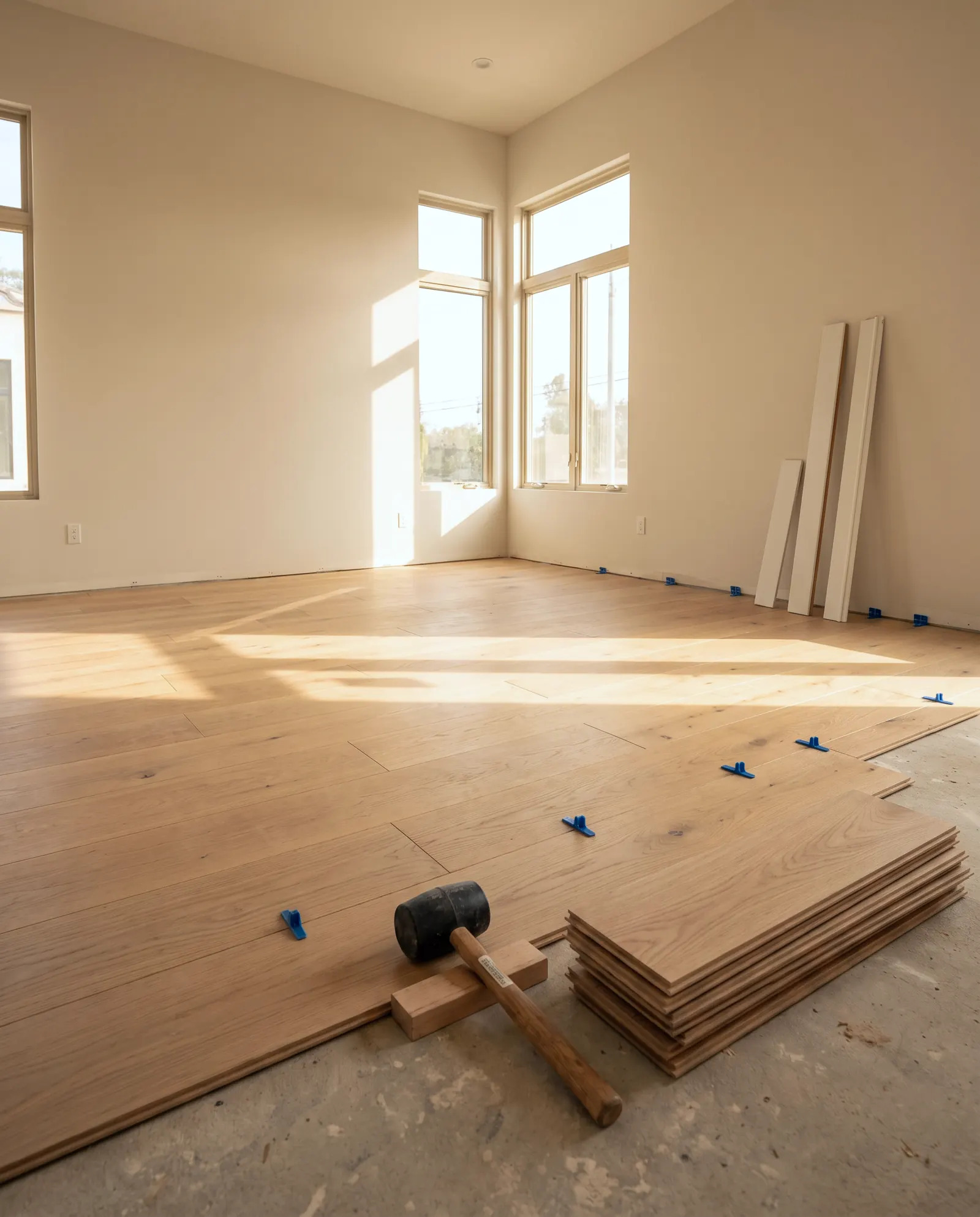 flooringSqueaky, Buckled, or Gapped Floors: Causes and FixesSqueaky floors, buckling, and gaps usually trace back to movement, moisture, or loose fastening. Learn how squeaky floors buckling gaps fix choices work.
 flooringDIY vs Hiring a Pro for Floor InstallationWeighing diy vs professional flooring installation in Los Angeles? See which floors suit a weekend project and which need a pro. Read before you buy.
 flooringFlooring Installation Prep Checklist for HomeownersUse this flooring installation prep checklist to clear rooms, check subfloors, and plan acclimation so install day goes smoothly. Read before you order.