Drywall Repair in Hidden Hills: Large Homes and HOA Rules
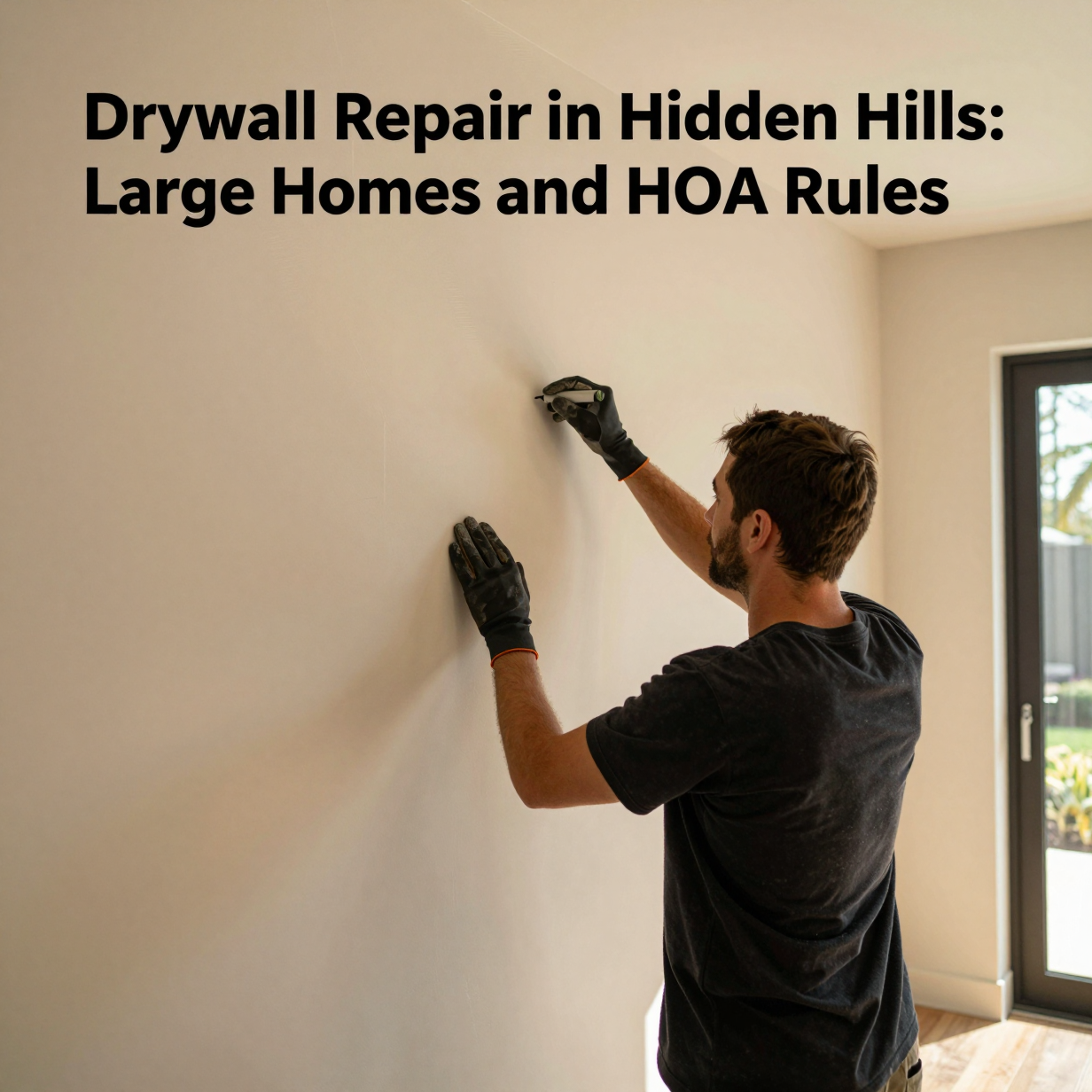
If you need drywall repair in Hidden Hills, expect the job to be shaped by three things: the size of your home, the height and finish of your walls and ceilings, and the rules of your community or HOA. Small dings and holes are simple to fix, but making a repair invisible across a large, open room takes planning, matching texture, and paint blending. Check your HOA's guidelines before work begins, especially for anything touching exteriors, shared walls, or contractor access.
Why Drywall Repair Is Different in Hidden Hills Homes
Homes in Hidden Hills tend to be larger than the typical Los Angeles house. That changes how a repair plays out.
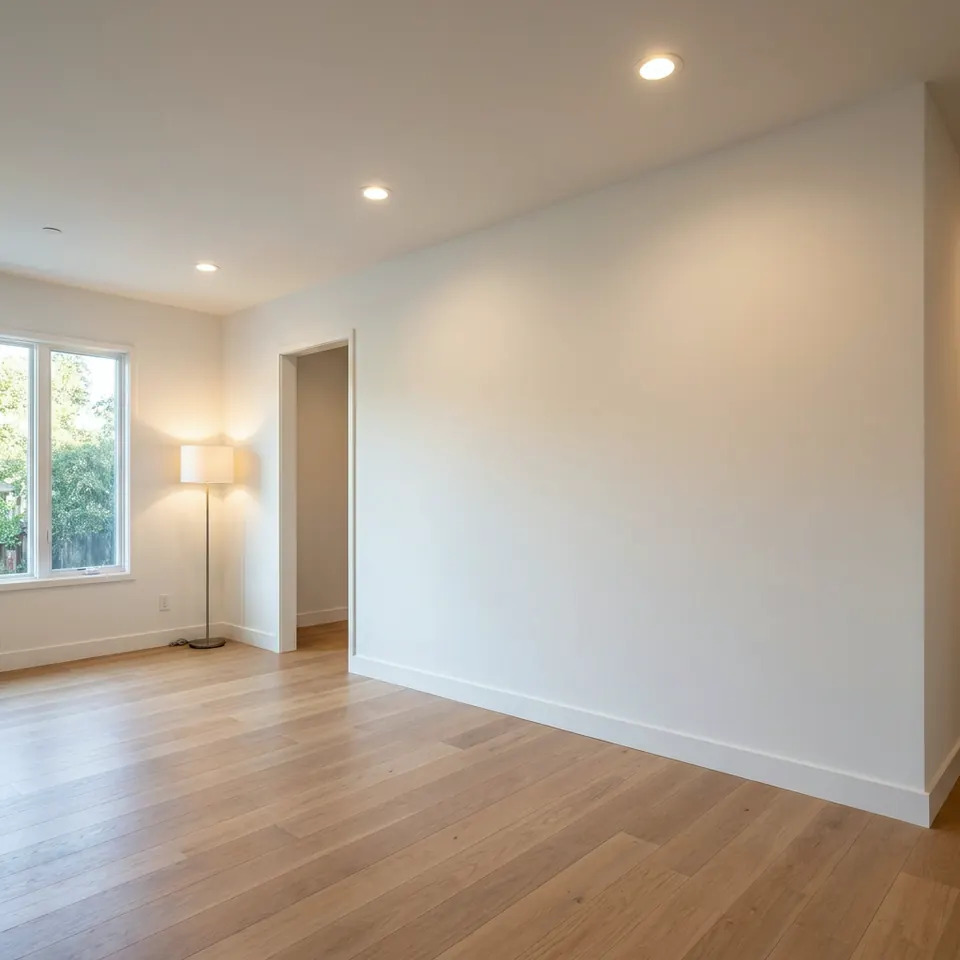
Long hallways, great rooms, and tall entries mean walls get more light, often from big windows and skylights. Raking light from the side shows every ripple, ridge, and slightly mismatched sheen. A patch that looks fine in a small bedroom can glow like a spotlight in a two-story foyer.
Larger homes also have more of what causes drywall damage in the first place:
- Doors and stair walls that take daily knocks
- Long runs of wall where settling cracks can show up at corners and door frames
- Plumbing in multiple bathrooms, a kitchen, a laundry room, and sometimes a guest house
- Recessed lighting, speakers, and smart-home gear that get added, moved, or removed over the years
The takeaway: repair planning matters more than repair speed. Think about the whole wall, not just the hole.
Common Drywall Problems in Large and Estate-Style Homes
Most calls fall into a handful of categories. Knowing which one you have helps you describe it accurately and decide what to do next.
Settling and stress cracks. Hairline cracks at door and window corners, or along ceiling seams, are common in all homes. They often return if they are only filled with paint-grade caulk. Proper repair usually means reinforcing the joint with tape and compound.
Holes from doors, furniture, and moving. Doorknob dents and furniture gouges are quick to patch, but large holes need backing or a cut-in patch so the repair stays flat.
Water stains and soft spots. A brown ring on a ceiling or a spongy section near a bathroom means moisture got in. Find and stop the source first. The EPA's guide to mold and moisture is a useful reference on why damp drywall should not simply be painted over.
Removed fixtures and wall-mounted items. Old TV mounts, sconces, and built-in speakers leave holes and sometimes damaged paper facing.
Texture damage. Hidden Hills homes range from smooth Level 5-style finishes to knockdown, orange peel, and custom plaster-look textures. Matching these takes more skill than the patch itself.
Matching Texture and Paint Across Big Open Spaces
Texture and paint are where a repair succeeds or fails. A flat, well-taped patch can still stand out if the surface or sheen is off.
Here is how the main finishes usually compare:
| Wall finish | Repair challenge | What helps |
|---|---|---|
| Smooth | Shows every ridge in side light | Thin, feathered coats and careful sanding, then primer over the patch |
| Orange peel | Spray pattern must match in size and density | Test spray on scrap board before touching the wall |
| Knockdown | Knock-down timing affects the look | Match the compound thickness and wait for the right set time |
| Hand-troweled or custom | Hard to replicate exactly | Practice on a sample and blend wider than the patch |
Paint matters just as much. Even the same color can look different on a patch because new compound absorbs paint differently. Primer helps seal the repair so the finish coat sits evenly.
On large walls, the safest approach is often to paint the whole wall, corner to corner, instead of spot-touching. Stopping at a natural break, such as an inside corner, hides slight differences in age and sheen.
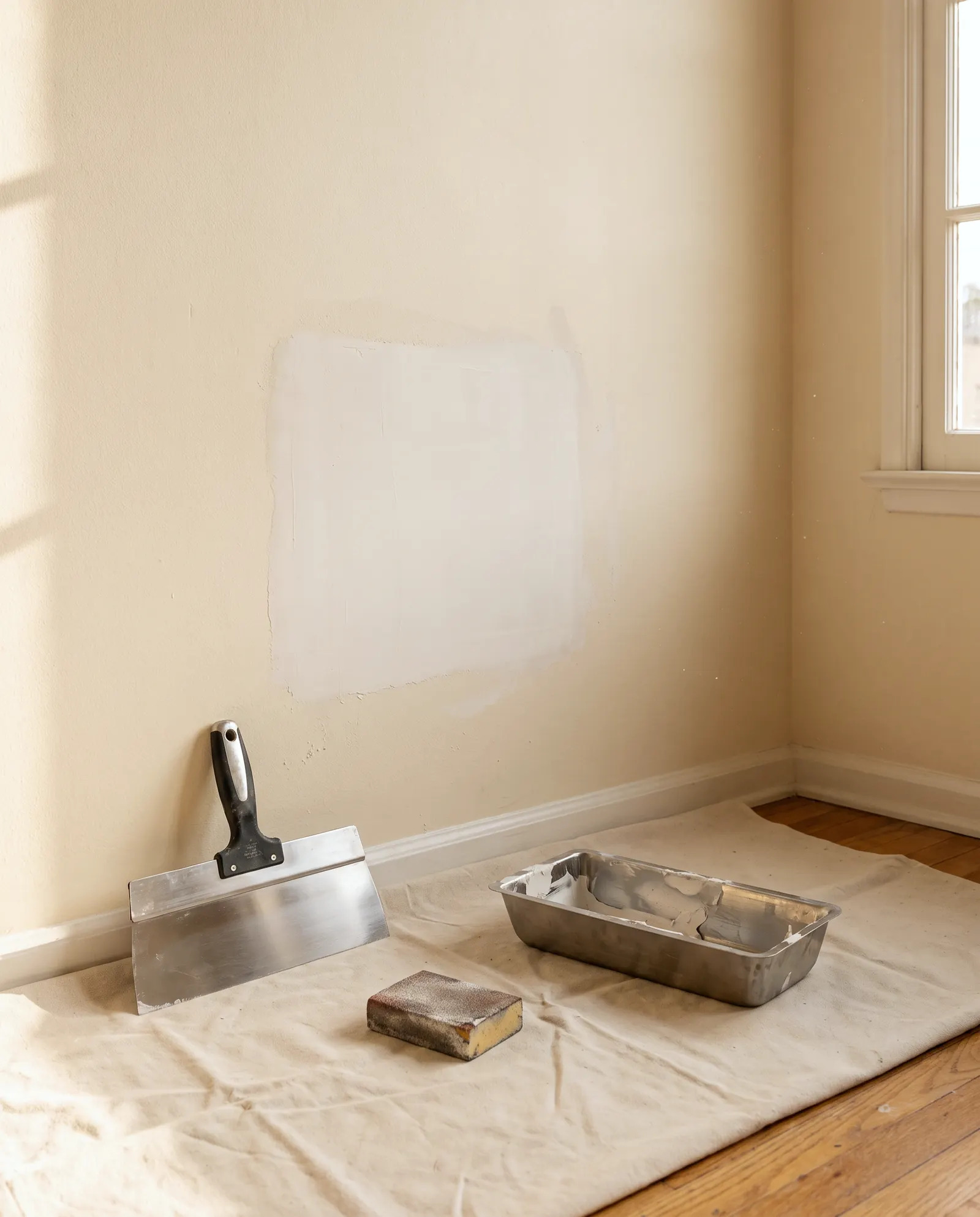
A patch is feathered well beyond its edges so it blends into the surrounding wall.
HOA Rules and Community Expectations in Hidden Hills
Hidden Hills is a gated community with its own standards, and many properties are subject to association guidelines. We can't tell you what your specific rules say, so read your own documents or ask your HOA or management office. For interior drywall, the rules are usually light. But they can matter more than you expect.
Things worth checking before the work begins:
- Contractor access. Does the gate need advance notice or a vendor list? Will your contractor's vehicle be allowed to enter?
- Work hours. Some communities limit noisy work to certain times of day.
- Parking and staging. Large homes may have long driveways, but street parking can still be restricted.
- Exterior changes. Stucco or exterior wall repairs may need approval, especially if color or texture changes.
- Shared walls or common elements. If your home shares a structure with another unit, such as a guesthouse arrangement or attached portion, ask whether notice is required.
- Debris and dumpsters. Find out where waste can be stored and removed.
A short email to your HOA before work begins is cheap insurance against delays. Keep any approval in writing.
Also note that most cosmetic drywall patching does not need a city permit, but larger projects, like removing walls or altering structure, can. The Los Angeles Department of Building and Safety's permits page is the place to check what applies to your project, and your property's jurisdiction may have its own requirements.
Prepping Your Home Before a Drywall Repair
Good prep makes the work cleaner and faster to finish well. This is a practical checklist for large homes:
- Move furniture, art, and rugs at least a few feet away from the work area
- Clear access to the room, including stairs and hallways
- Photograph the damage from several angles, including a wide shot in daylight
- Note the paint color and brand if you know it, and save leftover paint
- Locate the source of any leak and confirm it has been fixed
- Tell your contractor about any older paint that may be lead-containing; homes built before 1978 deserve extra care
- Confirm gate and HOA access details
On the lead point: if your home predates 1978, the EPA's renovation and repair program explains why sanding and demolition in older homes calls for caution. Mention the home's age when you ask for help.

After priming and painting, a well-done repair should be hard to find, even in raking light.
When to Call a Pro
Some drywall work is a fair weekend project. Other work is better handed off.
Reasonable DIY: - Small nail holes and minor dings - Filling a hole smaller than a golf ball with a patch kit - Touch-up painting in a small, low-visibility spot
Better for a pro: - Holes larger than a fist, or multiple patches in one wall - Ceiling repairs, especially at tall heights where ladders or scaffolds are needed - Water-damaged drywall, which may involve mold or hidden leaks - Textures that need to match a custom finish - Cracks that keep coming back - Any wall in a home built before 1978, where paint may contain lead - Large walls in bright light, where a flaw would be obvious
If you are weighing it up, our drywall repair service covers patching, taping, texture matching, and paint-ready finishing for homes across Hidden Hills. You can also send a photo for a written quote so you know the scope before anyone picks up a tool.
Whoever you hire, check their credentials through the California Contractors State License Board, which has a consumer guide on hiring a contractor.
FAQ
Do I need HOA approval for interior drywall repair in Hidden Hills?
Often not for purely interior cosmetic work, but it depends on your governing documents. Contractor access, work hours, and parking rules may still apply, so it is smart to ask.
Why does my patch show up after painting?
Usually it is texture, sheen, or primer. Fresh compound absorbs paint differently than the old wall, and raking light exaggerates small ridges. Priming the patch and painting the full wall helps.
Can a water-stained ceiling just be painted over?
Not safely. First find and fix the leak, then let the area dry. Soft or sagging drywall should be replaced, and signs of mold should be handled carefully. See the EPA mold and moisture guide for background.
Can you match custom wall textures in a large home?
In most cases, yes, though it takes test samples and patience. Smooth, orange peel, and knockdown finishes are all repairable, and blending beyond the patch edges is what makes them disappear.
Does drywall repair need a permit in Los Angeles?
Simple patching normally does not. Structural changes or larger remodels may. Check with LADBS or your local jurisdiction before starting anything beyond cosmetic work.
Sources
- California Contractors State License Board: Hire a Contractor
- Los Angeles Department of Building and Safety: Permits and Inspections
- EPA: Renovation, Repair and Painting Program
- EPA: A Brief Guide to Mold, Moisture and Your Home
Safety note: work on electrical panels, gas, structure or anything that needs a permit should be done by a licensed contractor with the required permits.
STATOX Handyman Service · Send a photo · +1 (820) 200-4919
Keep reading
 drywall repairCommon Drywall Problems: Cracks, Holes, Dents and FixesLearn how to fix drywall cracks and holes, from nail pops to doorknob dents, and when a repair needs more than patch and paint. Read before you patch.
 drywall repairDrywall Cracks in Hollywood Hills Hillside HomesLearn what causes drywall cracks in hillside homes and how drywall repair Hollywood Hills owners can tell cosmetic from serious. Read before you patch.
 drywall repairDrywall and Plaster Repair in Hancock Park Older HomesPlanning drywall repair in Hancock Park? Learn how plaster, lath, and old patches differ, what to check first, and when a pro is worth calling.