Earthquake Prep: Securing Tall Furniture in Los Angeles
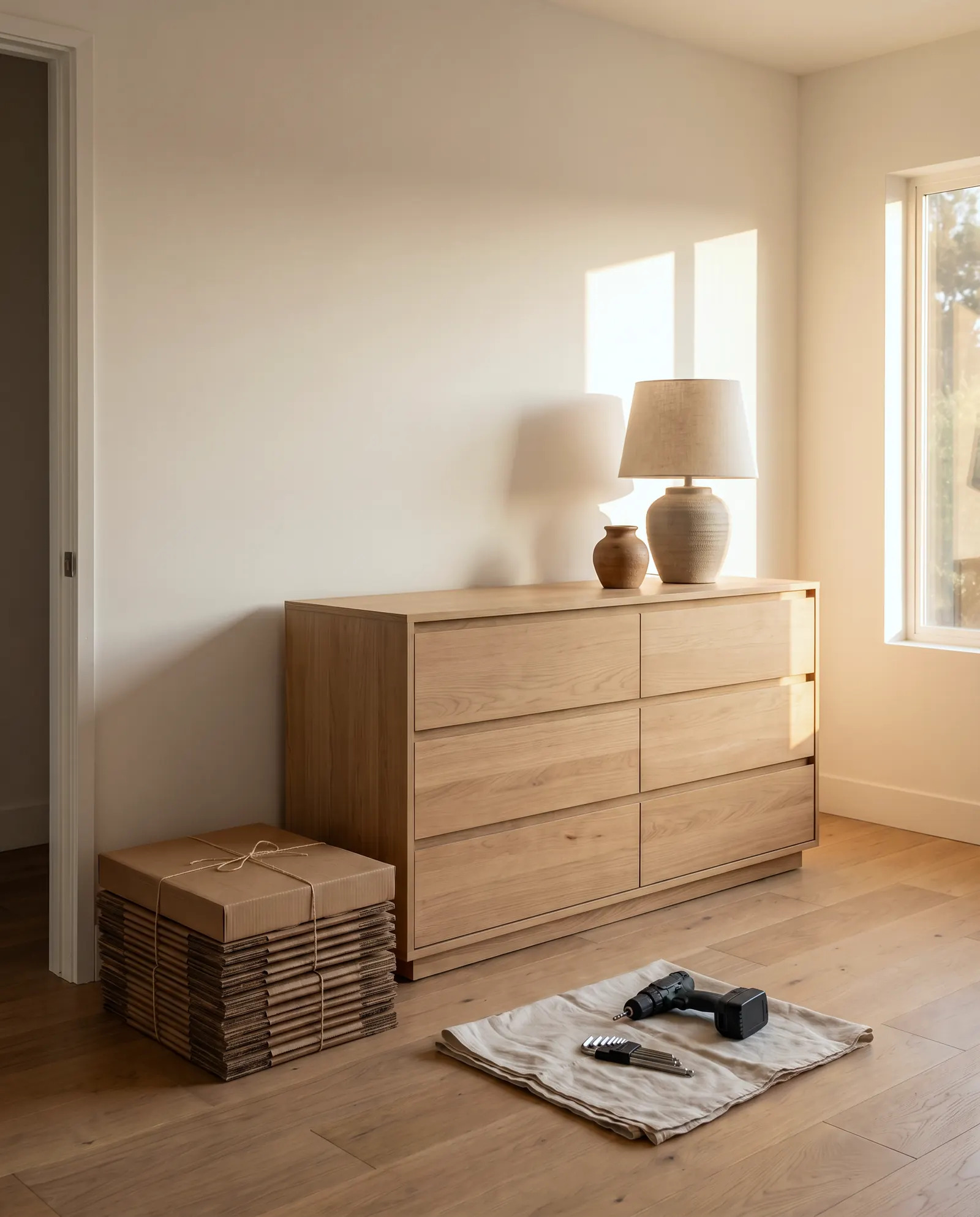
To secure furniture for an earthquake in Los Angeles, fasten tall, top-heavy pieces such as bookcases, dressers, and wardrobes to wall studs using anchors or straps rated for the job. Start with anything that could fall on a bed, sofa, or doorway. Most of the work takes basic tools, a stud finder, and a little planning.
Why tall furniture is a real risk in LA homes
Southern California sits in earthquake country, and shaking can start with little warning. Furniture that feels perfectly stable on a normal day can tip, slide, or walk across a floor once the ground starts moving.
The danger is usually not the furniture alone. It is what happens next: someone is struck while sleeping, a path to the exit is blocked, or heavy items fall on a child's room floor. Earthquake Country Alliance guidance on preparing your space (listed in Sources) puts securing heavy furniture among the first steps to take, and Ready.gov echoes the idea of fastening shelves and heavy items to walls.
Tipping is also a daily-life hazard. A dresser that a toddler climbs on faces many of the same forces, so anchoring pays off even between quakes.
Which pieces to anchor first
You do not have to do the whole house in one weekend. Go room by room and rank by risk.
Highest priority - Anything tall near a bed, crib, or couch - Bookcases taller than they are wide - Dressers and chests of drawers, especially in kids' rooms - Wardrobes and armoires - Heavy mirrors and framed art above beds
Next priority - Entertainment centers and TVs - China cabinets and display cases - Garage shelving and storage racks - Water heater area shelves and tall pantry units
A simple walk-through helps. Sit on your bed, couch, and favorite chair and look up and around. If something could land on you, it goes on the list.
Choosing the right hardware for your wall
Hardware that works in one home can fail in another, so match it to what is behind the surface. Many Los Angeles homes have wood-framed walls with plaster or drywall, while mid-century and newer buildings may have different construction. Condos and apartments sometimes include concrete or masonry walls.
| Wall type | Typical approach | Notes |
|---|---|---|
| Drywall over wood studs | Screw into the stud through a bracket or strap | The most secure option when you hit solid framing |
| Plaster and lath | Pilot hole, then screw into the stud | Plaster can crack, so drill slowly |
| Drywall, no stud available | Heavy-duty toggle-style anchors rated for the load | A last resort for lighter pieces |
| Concrete or masonry | Masonry screws with the correct bit | Needs a hammer drill and dust control |
| Rental with restrictions | Check lease, use minimal-hole options | Ask your landlord before drilling |
Common hardware types:
- L-brackets connect the furniture's top to the wall. They are simple and sturdy.
- Nylon or metal straps work well for dressers and bookcases.
- Cable or chain-style restraints suit tall units where a flat bracket will not fit.
- Museum putty or gel helps keep small decor from sliding, but it is not a substitute for anchoring the cabinet itself.
Avoid using the thin screws that come in some furniture kits for anchoring. Pick screws long enough to reach well into the stud, and check the hardware's stated weight rating.
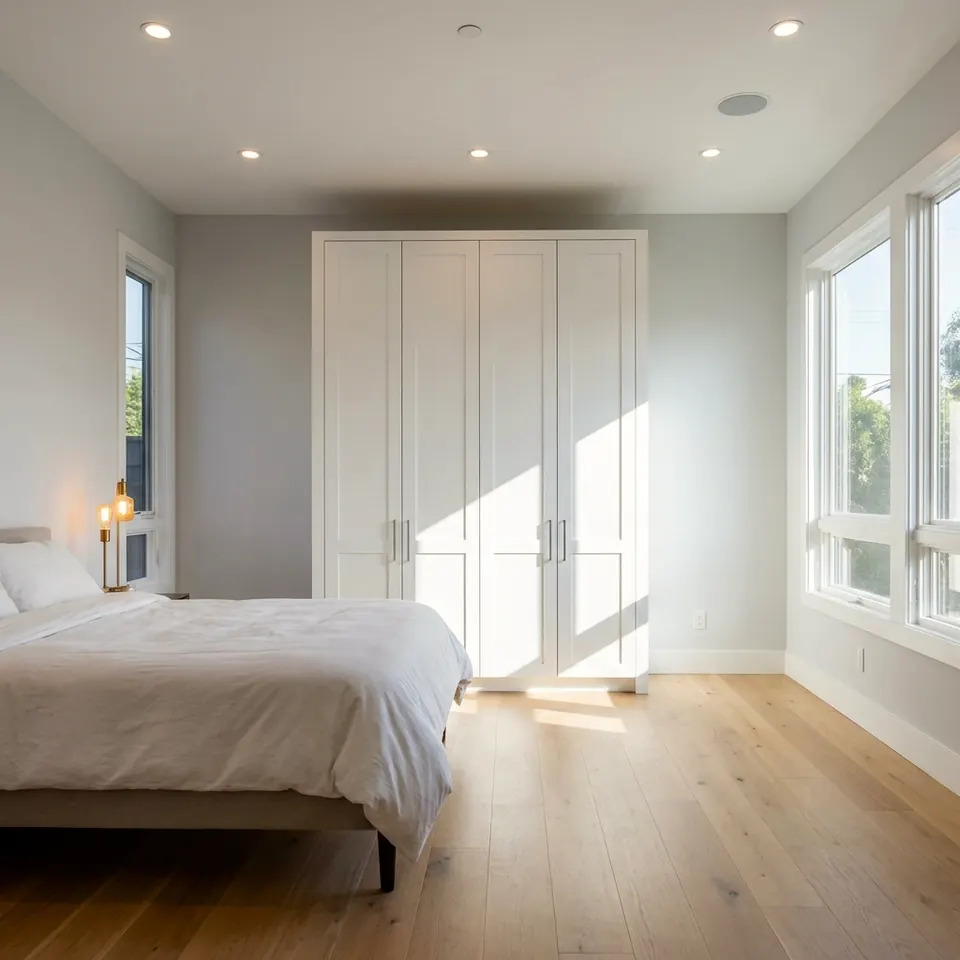
Finding the stud first makes the difference between a solid anchor and a false sense of safety.
Step-by-step: anchoring a bookcase or dresser
Here is a straightforward method for a typical wood-framed wall.
- Empty the piece or at least the top shelves so it is lighter to move.
- Pull it slightly from the wall and locate studs with a stud finder. Mark the center of each stud with painter's tape.
- Decide the attachment points. Anchor at the top rear of the furniture, into the sturdy back rail or frame, not into thin back panels.
- Attach the bracket or strap to the furniture with screws that will not poke through the other side.
- Mark the wall position, then drill a pilot hole into the stud.
- Fasten the wall side with a screw long enough to reach the stud securely.
- Tug test. Pull firmly on the top. If anything flexes, loosens, or pulls out, redo it.
- Reload smartly. Put the heaviest items low and lighter items high.
Two anchors per piece are better than one, especially on wide units. If the furniture has a gap behind it because of a baseboard, use a spacer block or a bracket designed for that offset so you do not pull the piece out of square.
Other things to secure while you have the drill out
Furniture is only part of the picture. While you are already anchoring, take a look at nearby items.
- TVs and monitors: use a rated strap, or mount them properly to a wall.
- Heavy mirrors and frames: swap hooks for closed-loop hangers and secure into studs where possible.
- Cabinet doors: add latches so contents do not empty out when shaking starts.
- Shelf contents: keep heavy items on lower shelves and add a lip or cord across open shelves.
- Water heater: a strapping kit is a common safeguard, so check yours.
- Hallways and exits: keep a clear path from beds to doors.

Garage shelves hold a lot of weight, so anchoring them and loading low matters.
When to call a pro
Many homeowners can handle a dresser or bookcase with a drill and a stud finder. Hiring help makes sense when:
- The wall is concrete, brick, or something you cannot identify
- You cannot locate studs or the framing seems unusual
- The furniture is very heavy, very tall, or built in
- You have many pieces and little time
- You are worried about cracking plaster or damaging finishes
- The piece needs assembly before it can even be anchored
Our furniture assembly service covers putting units together and securing them to the wall in one visit, which saves a lot of back-and-forth. If you are not sure what your room needs, you can send a photo for a written quote.
Anything involving structural changes, gas lines, or major plumbing belongs to the appropriate trade, so ask before assuming a handyman task covers it. For larger projects, the California Contractors State License Board offers guidance on hiring (see Sources).
FAQ
Do I need to anchor furniture if it is already heavy?
Yes. Weight alone does not stop a tall piece from tipping or shifting during strong shaking. Heavy furniture can actually cause more harm if it falls, so anchoring still matters.
Can I anchor furniture in a rental?
Often, yes, but check your lease and talk to your landlord first. Some landlords allow small screw holes, and patching is usually simple. Ask before drilling.
What if my wall has no stud where I need it?
Move the anchor point to the nearest stud using a longer strap or a bracket. If that is not possible, use heavy-duty anchors rated for the load, and treat it as a backup rather than the ideal solution.
Will anchoring damage my furniture?
It leaves small holes in the back or top rail, but a well-placed bracket is mostly hidden. Compared with the risk of a fall, most people find the trade-off worth it.
How often should I check my anchors?
Look at them when you rearrange a room, move furniture, or after any noticeable shaking. Tug-test the straps and tighten screws if they have loosened.
Sources
- Earthquake Country Alliance: Step 1, secure your space
- Ready.gov: Earthquakes
- CSLB: Hire a Contractor
- LADBS: Permits and Inspections
Safety note: work on electrical panels, gas, structure or anything that needs a permit should be done by a licensed contractor with the required permits.
STATOX Handyman Service · Send a photo · +1 (820) 200-4919
Keep reading
 furniture assemblyDIY vs Hiring a Pro for Furniture Assembly: What to WeighWondering whether to hire someone to assemble furniture or do it yourself? Compare time, tools, risk, and safety before you open the box.
 furniture assemblyFlat-Pack Furniture Problems and How to Fix ThemNeed a wobbly flat pack furniture fix? Learn why assembled pieces rock, sag, or gap, and what to check first. Worth a read before you take it apart.
 furniture assemblyFurniture Assembly Prep Checklist Before Your Handyman VisitUse this furniture assembly checklist to get your space, boxes, and walls ready before your handyman arrives. A few minutes of prep makes the visit smoother.