Essential Cleaning Tasks Before a Home Inspection
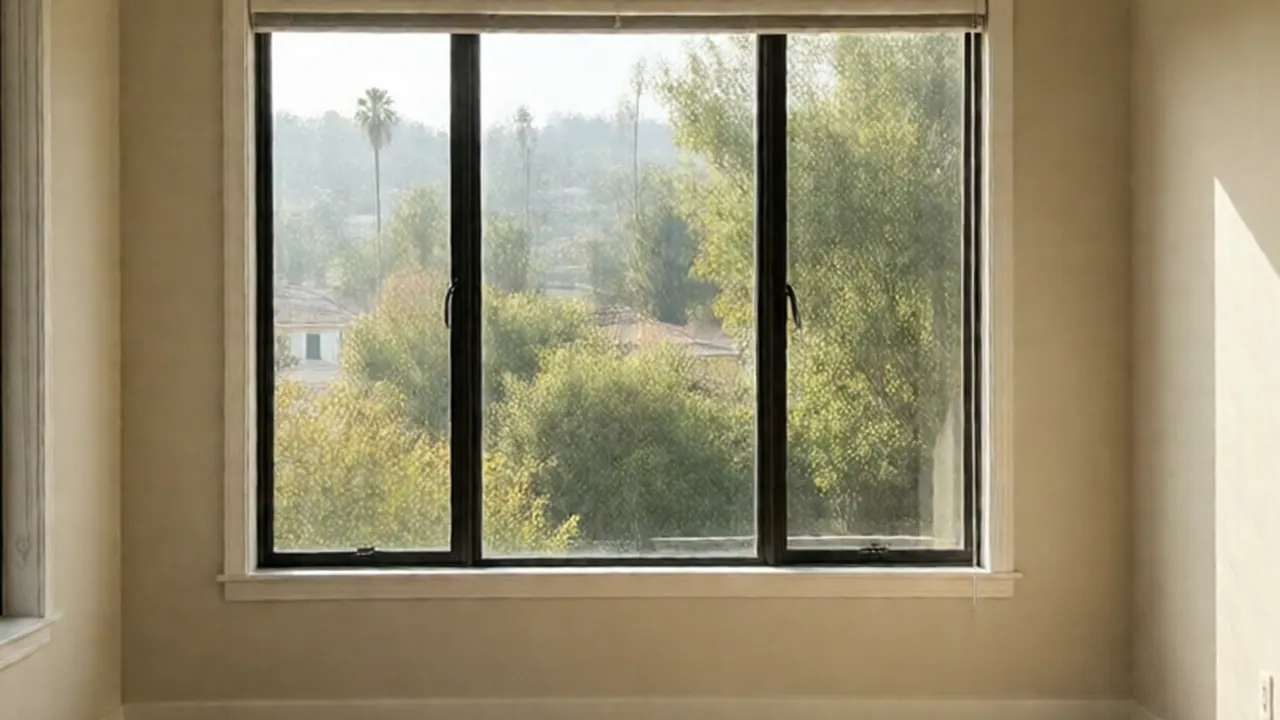
Completing essential cleaning tasks before a home inspection ensures the inspector has clear, immediate access to your home's major structural and mechanical systems. Rather than basic cosmetic tidying, this deep prep work focuses on removing dust, mineral buildup, and physical blockages from utility panels, crawl space hatches, and plumbing fixtures.
When an inspector encounters blocked access or heavily soiled components, those items are often marked as "uninspected" on the final report or flagged for potential hidden damage. Preparing these areas properly keeps the inspection on schedule and ensures an accurate evaluation of your property.
Unblocking Critical Access Points: Electrical, Attic, and Crawl Space
Home inspectors are prohibited from moving personal belongings, furniture, or heavy storage boxes to perform their evaluations. Preparing clear access pathways is the single most important cleaning task on your list.
- Electrical Main Panel: Clear a full 36-inch deep by 30-inch wide space directly in front of the breaker box. Vacuum dust along the cabinet rim and wipe down the exterior cover plate so the inspector can cleanly open the panel faceplate without dropping debris inside.
- Attic Scuttle Hatches: In Los Angeles homes built prior to 1950, plaster-and-lath ceilings often house attic scuttle covers inside narrow bedroom closets. Dust the wood trim around the hatch opening using a damp microfiber cloth to catch crumbling plaster dust, and move hanging clothes racks clear of the drop zone.
- Crawl Space Access Doors: For homes on raised foundation stem walls, clear away soil, leaves, and spider webs within a 3-foot radius of exterior crawl space hatches set against stucco walls.
Clearing Hard Water Scale from Plumbing Fixtures
Tap water across Southern California carries high concentrations of dissolved minerals like calcium and magnesium. Hard water scale crusts around supply lines and aerators, which can mimic active plumbing leaks to an inspector's eye if left uncleaned.
- Supply Line Angle Stops: Wipe down the 1/2-inch copper or brass compression shutoff valves located under kitchen and bathroom sinks. Use a 1:1 mixture of warm water and white vinegar on a soft rag to scrub away white mineral crusting along the valve stems.
- Faucet Aerators: Unscrew aerators by hand or with padded slip-joint pliers. Soak the internal mesh screens in vinegar for 20 minutes to restore clear water flow, showing the inspector that low pressure is due to scale rather than pipe corrosion.
- Under-Sink Cabinet Bases: Empty all cleaning bottles from under-sink cabinets. Scrub away old water rings or shelf paper residue so the inspector can examine P-traps and floor boards directly for active moisture.
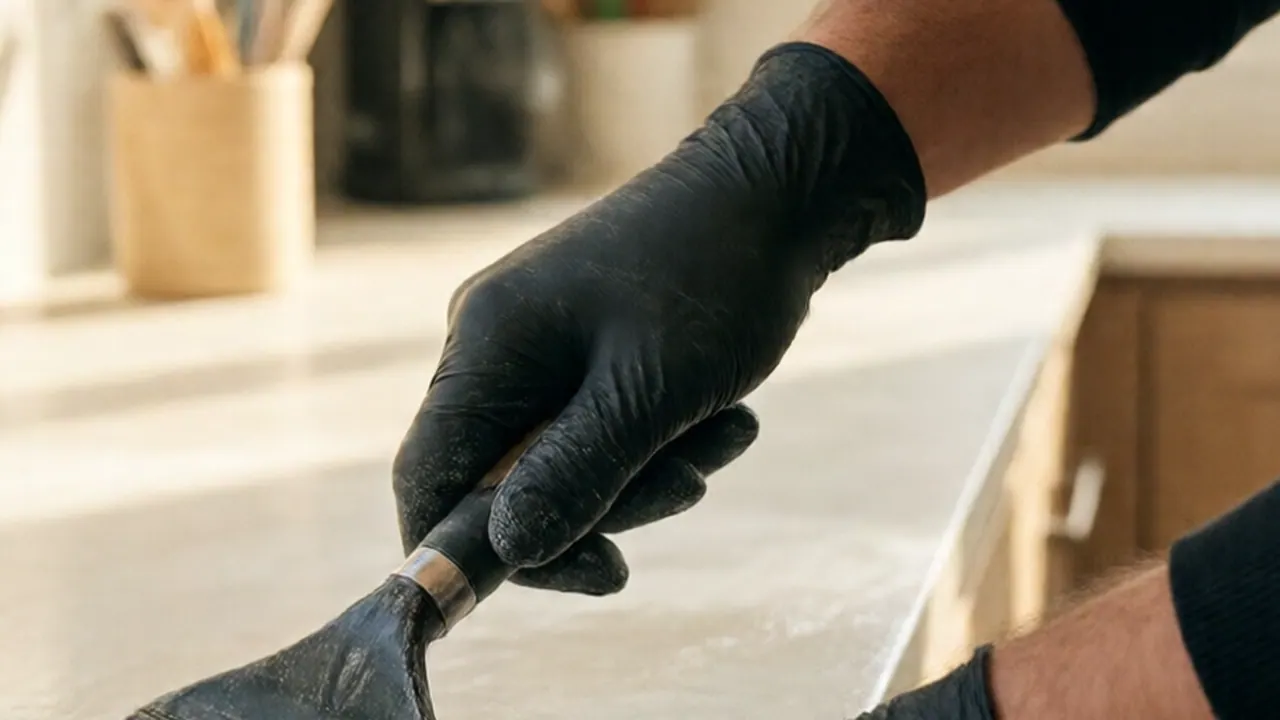
Scrubbing Santa Ana Wind Dust from Exterior Vents
Dry Santa Ana winds carry micro-fine dust across the LA basin, packing dirt into exterior stucco vents, foundation openings, and mechanical exhausts.
- Subfloor Foundation Screens: Brush off the 1/4-inch wire mesh foundation screens along the bottom of your stucco walls using a stiff nylon bristle brush. Freeing these mesh openings allows air to circulate under the subfloor, satisfying ventilation checks.
- Stucco Weep Screeds: Locate the metal weep screed edge running along the bottom foundation line of your exterior stucco. Use a small narrow scraper or stiff brush to remove built-up garden soil and dead leaves caught in the drainage slot.
- Dryer Exhaust Hoods: Vacuum out accumulated lint inside the exterior wall vent hood and make sure the plastic or metal damper door opens and closes freely.
Essential Weekend Cleaning Tasks for HVAC and Appliance Areas
Setting aside time to complete essential weekend cleaning tasks around major mechanical units prevents unnecessary callouts for basic maintenance items on the inspection report.
- HVAC Cabinet Blower Compartment: Turn off power to the air handler unit, remove the main access door, and use a shop vacuum with a narrow crevice attachment to remove dust from the lower blower housing.
- Filter Rack Preparation: Slide out old, clogged filters and wipe down the interior metal return drop. Install a fresh, properly sized MERV 8 filter (such as 16x25x1 or 20x25x1 depending on your cabinet frame).
- Vintage Floor Furnace Grilles: Pre-1950 homes in neighborhoods like Mid-City or Pasadena often feature legacy floor gravity heaters. Pull off the top metal floor grille, vacuum out fallen dust and hair caught inside the heating chamber, and wipe clean the outer trim.
- Water Heater Clearance: Clear an 18-inch perimeter around your water heater. Wipe clean the discharge pipe running from the Temperature and Pressure Relief (TPR) valve down to the floor, ensuring the pan beneath is dry and clear of debris.
Perimeter Slabs and Structural Surface Cleaning
Inspectors carefully examine concrete slab foundations, retaining walls, and subfloors for structural settling lines or moisture intrusion. Distinguishing harmless surface dirt from actual foundation defects requires clean surfaces.
| Area / Component | Standard Cosmetic Cleaning | Inspection-Prep Deep Cleaning |
|---|---|---|
| Garage Slab Floor | Basic surface sweeping | Wire-brushing white efflorescence (salt crystals) off raw concrete to expose true slab surface condition |
| Window Tracks | Wiping glass panes clean | Clearing dirt and debris out of bottom weep holes on vinyl window frames so moisture drains correctly |
| Tile Shower Walls | Spraying glass cleaner | Scrubbing mold spots from 1/16-inch grout lines with diluted bleach per EPA mold cleanup guidelines |
| Subfloor Access | Clearing indoor path | Removing soil and dry leaves stacked against exterior access hatches and stem walls |
When to Call a Pro
While sweeping floors and dusting shelves are straightforward weekend DIY projects, prepping mechanical spaces, clearing high attic hatches, or deep-cleaning exterior stucco vents can present physical challenges or safety risks.
At STATOX, we take a practical, transparent approach to prepping your home's structural and functional zones:
- Photo First: You send a photo for a written quote showing the specific access hatch, utility room, or wall area that needs attention.
- Single Written Price: We review the images and send back one clear, written project estimate detailing all scope items with no surprise fees.
- Arrival Check: On site, our technician checks the surrounding drywall, plaster, and mounting frames, then uses appropriate vacuums and hand tools to clear and prepare the space safely.
If you need comprehensive interior or exterior structural surface preparation, explore our targeted cleaning service solutions to keep your prep schedule on track.
FAQ
Why is clearing 36 inches around the electrical panel mandatory before inspection?
Inspectors must safely remove the outer metal faceplate (dead-front panel) to check internal breaker wiring, grounding screws, and wire gauges. Standard electrical safety codes require a 36-inch deep working space so the inspector can stand clear and operate safely.
How do I clean plaster dust around attic accesses in older homes without making a mess?
Pre-1950 plaster-and-lath ceiling panels drop powdery debris when moved. Lightly mist the seam between the hatch lid and frame with water, wipe it down with a damp microfiber towel to trap loose particles, and vacuum the ceiling trim using a brush attachment before opening.
Should I scrub efflorescence off my garage floor before the inspector arrives?
Yes. Efflorescence is a powdery white salt deposit left behind when moisture evaporates off concrete. Scrubbing it off with a dry stiff-bristle brush lets the inspector determine whether the slab has an active water leak or just historic surface moisture.
Does cleaning window tracks matter for a home inspection?
Yes. Vinyl and aluminum window frames feature tiny weep slots along the bottom exterior track designed to drain rainwater. If dust and outdoor grit clog these holes, water backs up onto internal windowsills, leading inspectors to report window frame failures.
Sources
https://www.ladbs.org/permits-inspections https://www.cslb.ca.gov/Consumers/ https://www.epa.gov/mold/brief-guide-mold-moisture-and-your-home https://www.epa.gov/indoor-air-quality-iaq/inside-story-guide-indoor-air-quality
Permit work: Permit jobs get a written project estimate; permits handled as required.
STATOX Handyman Service · Send a photo · +1 (820) 200-4919
Keep reading
 cleaningCalabasas Hillside Homes: Cleaning Up Dust, Ash and PollenHouse cleaning Calabasas homeowners can use after dust, ash and pollen season: room-by-room steps, tool tips, and when to bring in help. Read before you scrub.
 cleaningCleaning Older Cheviot Hills Homes: Plaster and HardwoodHouse cleaning Cheviot Hills homeowners can trust for plaster walls and old hardwood floors: what to use, what to skip, and why it matters. Read before you scrub.
 cleaningDeep Cleaning Prep Checklist: Before the Crew ArrivesUse this deep cleaning checklist to get your Los Angeles home ready before the crew arrives, so every hour goes to actual cleaning. Worth a quick read.