Flooring for Rancho Palos Verdes Homes: Sun, Slopes, and Soil
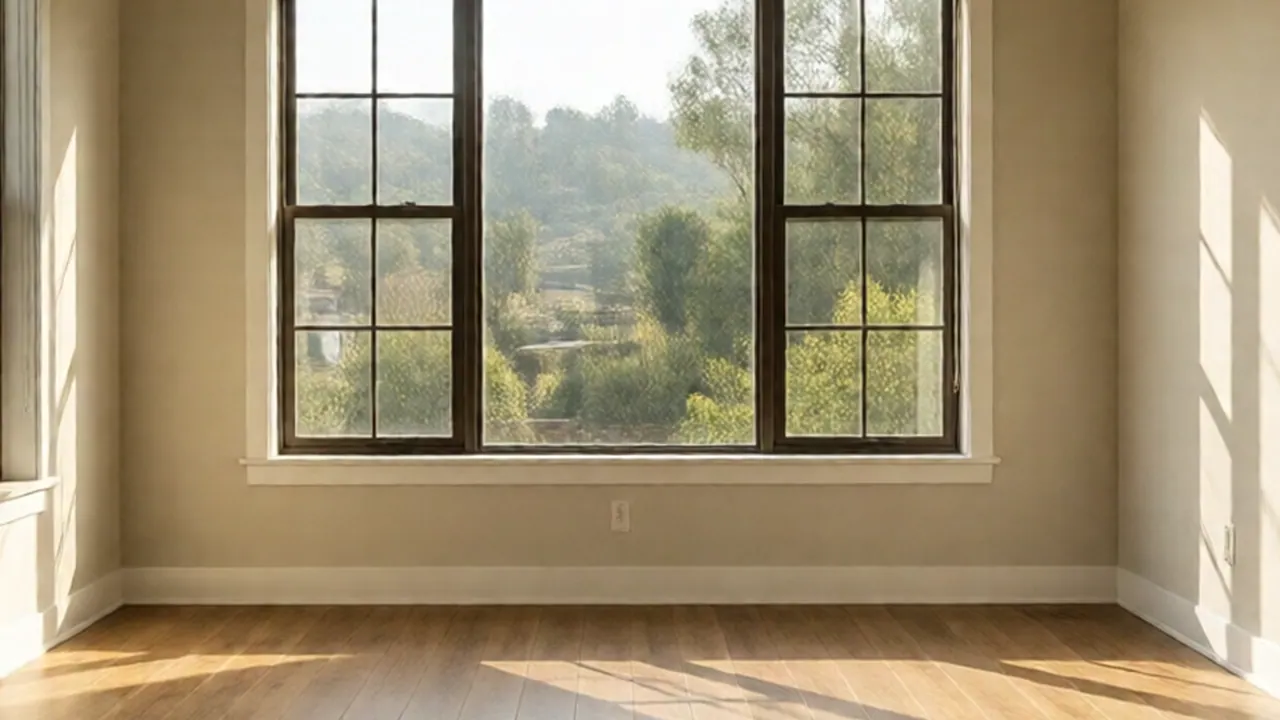
The right flooring for a Rancho Palos Verdes home depends on three local conditions: strong sunlight through large windows, hillside sites that can shift and settle, and coastal air that brings moisture and salt. Choose materials that resist fading, tolerate small movements in the structure, and handle humidity changes without cupping or gapping. This guide walks through each factor so you can narrow your options before you talk to an installer.
How Sun Exposure Affects Your Floors
Large windows are one of the most appreciated features of South Bay homes, but they also deliver a lot of direct light. Over time, ultraviolet rays can lighten or shift the color of many floor materials, especially natural wood, some laminates, and certain vinyl products. The effect is often uneven. A rug-covered area stays dark while the strip beside a sliding door fades.
Think about where the sun lands during the hours you spend in each room. A west-facing great room with floor-to-ceiling glass will age very differently from a north-facing hallway.
Practical steps that help:
- Ask your flooring provider whether the finish is rated for UV resistance, and read the product care sheet.
- Use cellular shades, UV-filtering window film, or exterior shading on the sunniest exposures.
- Rotate or move area rugs periodically so the floor under them does not look like a shadow later.
- Consider lighter or mid-tone colors in high-sun rooms, since they tend to show fading less than very dark stains.
- Plan for furniture placement, since the spot under a sofa or dining table is often the only protected part of the floor.
Hillside Lots, Slopes, and Movement
Many Rancho Palos Verdes homes sit on sloped lots, and some have framing, slabs, or retaining features that respond to soil movement over the years. Floors are usually the first place people notice this. You may see a gap at a wall, a slight dip near a corner, or a door that no longer latches smoothly.
Not every movement is a problem, and many houses settle a little. The goal is to pick flooring that can handle normal, gradual change without cracking, separating, or showing every seam.
Flooring that tends to tolerate movement well includes:
- Floating engineered wood or quality laminate, which can move as a single system when installed with proper expansion space.
- Luxury vinyl plank with a flexible core, installed with the manufacturer's recommended gaps.
- Tile on a properly prepared underlayment, but only if the subfloor is stable and the grout lines are planned for movement.
Watch for signs that the cause is more than gradual settling: new diagonal cracks in tile, widening gaps that keep growing, doors that bind in new ways, or any soft or springy area. Those are good reasons to have a qualified person look at the structure before new flooring goes down.
Hillside homes often need flooring that can flex with normal settling, not material that is rigid and brittle.
Soil, Slabs, and Moisture
Rancho Palos Verdes is near the coast, so many homes deal with damp air, morning fog, and seasonal humidity swings. On a slab, moisture can rise through concrete. Over a crawl space or raised subfloor, it can collect below the floor. Either way, moisture is one of the most common reasons new flooring fails.
Before you choose a material, check the conditions:
- Look for darkened patches, a musty smell, or powdery residue on concrete. These can point to moisture in the slab.
- Confirm that bathrooms, laundry areas, and entries have proper ventilation.
- Ask about a moisture test before installing wood or laminate over concrete. Installers commonly use this step to confirm the slab is dry enough.
- Make sure the crawl space is dry, vented as designed, and free of standing water after rain.
- Use a moisture barrier or underlayment recommended for your flooring type and subfloor.
The EPA notes that the building environment, including moisture and ventilation, affects indoor air quality, which is worth considering when you pick adhesives, finishes, and underlayments. You can read more in its guide, The Inside Story: A Guide to Indoor Air Quality. Low-emission adhesives and finishes are a sensible choice in any home, especially when windows stay closed for long stretches.
Comparing Common Flooring Options for Sunny, Sloped Homes
No single material is the answer for every room. The table below compares common choices in general terms. Always confirm specifics with the manufacturer, since products vary.
| Flooring type | Sun and fading | Movement tolerance | Moisture tolerance | Good-fit rooms |
|---|---|---|---|---|
| Solid hardwood | Can fade or darken; finish matters | Sensitive to humidity swings | Moderate; needs stable conditions | Living areas with controlled humidity |
| Engineered hardwood | Similar to solid, depending on top layer | Better stability than solid | Moderate | Main living spaces, bedrooms |
| Luxury vinyl plank | Varies; many have UV-stable wear layers | Good with flexible core | Good, including over concrete | Kitchens, entries, sunrooms |
| Laminate | Top layer can fade; check the product | Good when floated correctly | Lower; swelling is a risk | Low-moisture living spaces |
| Porcelain or ceramic tile | Very stable color | Needs careful substrate and grout planning | Excellent | Entries, baths, patios that open to the home |
| Natural stone | Stable, but some stones can change tone | Sensitive to cracking on movement | Varies; often needs sealing | Feature areas, fireplaces, entries |
For many South Bay homes, a mix works well: tile or vinyl in high-moisture or high-traffic zones, and engineered wood or a stable plank product in living areas with big windows.
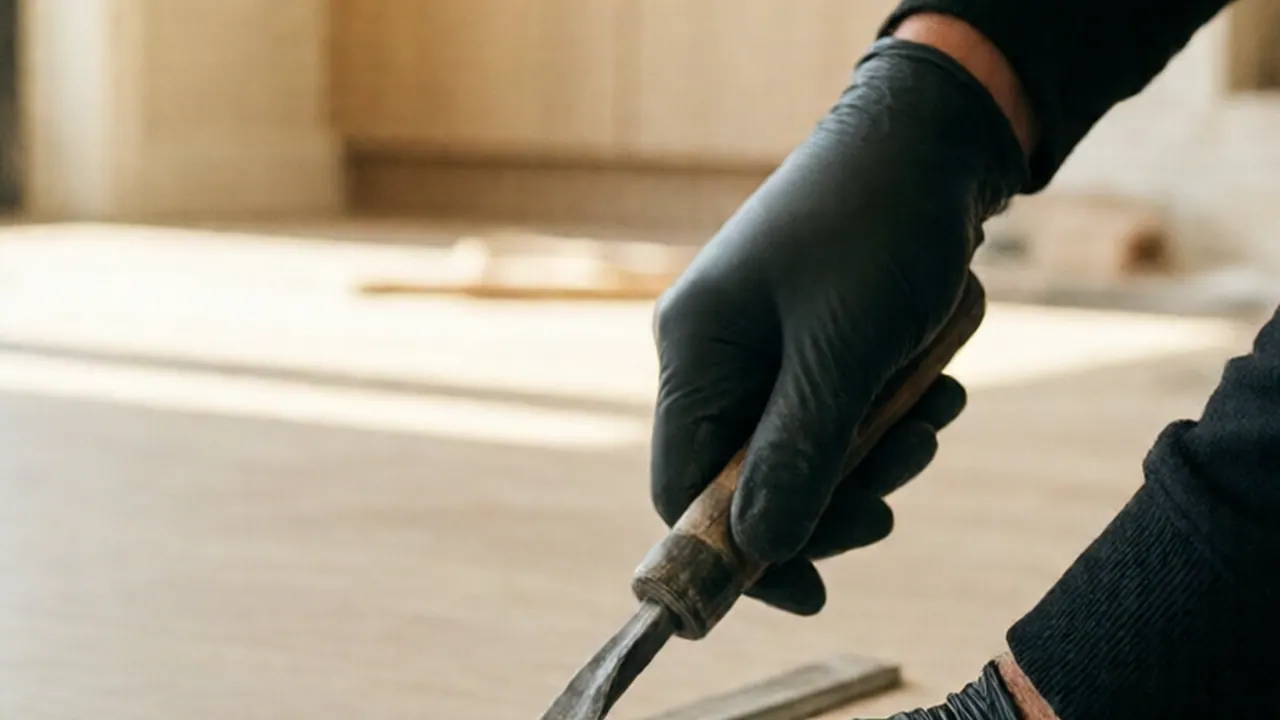
Engineered plank floors in sunlit rooms need UV-resistant finishes and room for seasonal movement.
Connecting Indoor and Outdoor Living
Rancho Palos Verdes homes often flow from the living room to a patio, deck, or view terrace. Those transitions are where flooring choices get tricky. Moisture, grit, and temperature change all meet at the threshold.
Good transitions usually follow a few rules:
- Use a threshold or transition strip that allows the two floors to move independently.
- Keep the same material going out to a covered patio when possible, since it reduces trip hazards and visual breaks.
- Choose outdoor-rated tile or textured surfaces for any area that gets wet, and check slip ratings before you buy.
- Avoid putting interior wood or laminate directly where rain, sprinkler overspray, or pool splash can reach.
- Plan drainage so water runs away from the door, not into it.
If the room opens to a view deck, consider the sun angle as well. Light bouncing off glass and pale tile can make glare intense, so matte finishes are often more comfortable.
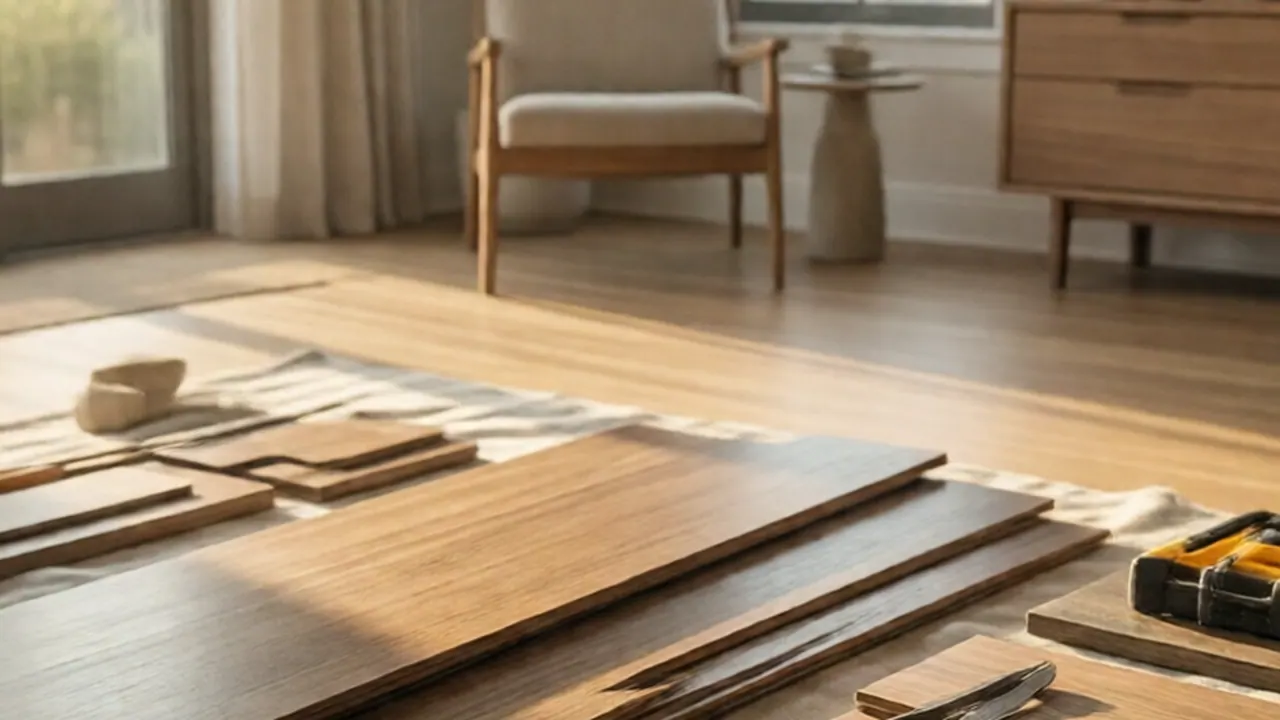
A continuous floor line from inside to a covered patio simplifies cleaning and visual flow.
What LA homeowners say about STATOX
Real Google reviews. See all reviews on Google
The installation was neat, with no gaps and no leaks, and the door opens and closes smoothly. The guys showed up on time and cleaned up after themselves. The bathroom looks completely different now. I recommend Statox!
Well done guys, keep it up!
Отличная работа. Спасибо вам ребята.все сделано качественно и на совесть
When to Call a Pro
Some flooring projects are reasonable for a confident homeowner. Others are better handled by experienced installers, especially on sloped or older Rancho Palos Verdes homes.
A DIY approach can make sense when:
- You are replacing a single room of floating vinyl or laminate on a level, dry subfloor.
- The subfloor is clean, flat, and known to be dry.
- You have the time to follow the manufacturer's acclimation and spacing instructions carefully.
Hire a professional when:
- The floor is out of level, bouncy, or shows signs of structural movement.
- You are working over a concrete slab that may carry moisture.
- The project involves tile, natural stone, or hardwood that needs precise layout.
- Doors, thresholds, or stair nosings must be adjusted to fit the new height.
- Water damage, mold, or an unknown smell is present.
When you look for help, the California Contractors State License Board offers guidance on how to check a contractor and what to ask. Its Hire a Contractor page is a useful starting point. Ask for a written scope, clear material names, and a plan for moisture and subfloor preparation. If you want a second opinion on your floors, you can send a photo for a written quote, and our team will review your conditions with you.
You can learn more about our flooring service or see how we work with homes across the peninsula in Rancho Palos Verdes.
FAQ
What flooring holds up well to strong afternoon sun?
Engineered wood, luxury vinyl plank with a UV-stable wear layer, and porcelain tile generally handle strong sun well. Lighter and mid-tone colors tend to show fading less than very dark finishes. Window shading or UV film helps any material last longer.
Can I install hardwood over a concrete slab in a coastal home?
It can be done, but moisture is the main risk. Ask for a moisture test of the slab, use a suitable barrier, and choose a product approved for concrete installation. Engineered wood is often a more stable choice than solid wood in this situation.
How do I know if my floor movement is normal settling?
Gradual, small changes that stop over time are often normal. Be concerned about diagonal cracks, gaps that keep widening, doors that bind in new ways, or soft spots. Those signs call for a qualified inspection before you install new flooring.
Does new flooring affect indoor air quality?
It can. Adhesives, finishes, and some underlayments release volatile organic compounds. The EPA explains how these compounds affect indoor air in its VOC overview. Ventilate the space during and after installation, and ask about low-emission products.
Should I choose tile or vinyl for a home with a lot of glass doors?
Both can work well. Tile offers excellent color stability and moisture resistance, but needs a stable, flat base and careful grout planning. Vinyl is more forgiving of movement and quieter underfoot. Many homeowners use tile at entries and vinyl or engineered wood in the rest of the home.
Sources
- Contractors State License Board: Hire a Contractor
- EPA: Volatile Organic Compounds' Impact on Indoor Air Quality
- EPA: The Inside Story: A Guide to Indoor Air Quality
- National Wood Flooring Association
Permit work: Permit jobs get a written project estimate; permits handled as required.
STATOX Handyman Service · Send a photo · +1 (820) 200-4919
Keep reading
 flooringSqueaky, Buckled, or Gapped Floors: Causes and FixesSqueaky floors, buckling, and gaps usually trace back to movement, moisture, or loose fastening. Learn how squeaky floors buckling gaps fix choices work.
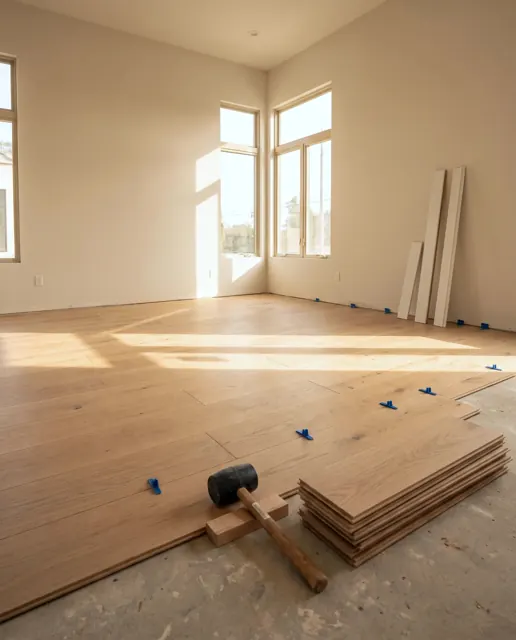 flooringDIY vs Hiring a Pro for Floor InstallationWeighing diy vs professional flooring installation in Los Angeles? See which floors suit a weekend project and which need a pro. Read before you buy.
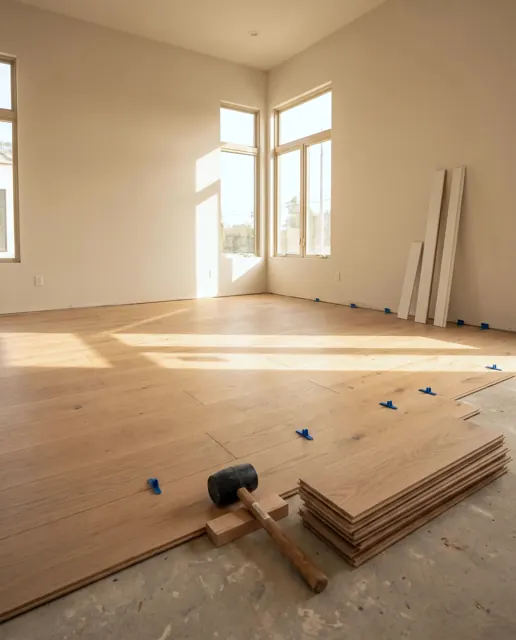 flooringFlooring Installation Prep Checklist for HomeownersUse this flooring installation prep checklist to clear rooms, check subfloors, and plan acclimation so install day goes smoothly. Read before you order.