How to Choose a Door Lock for Your Los Angeles Home
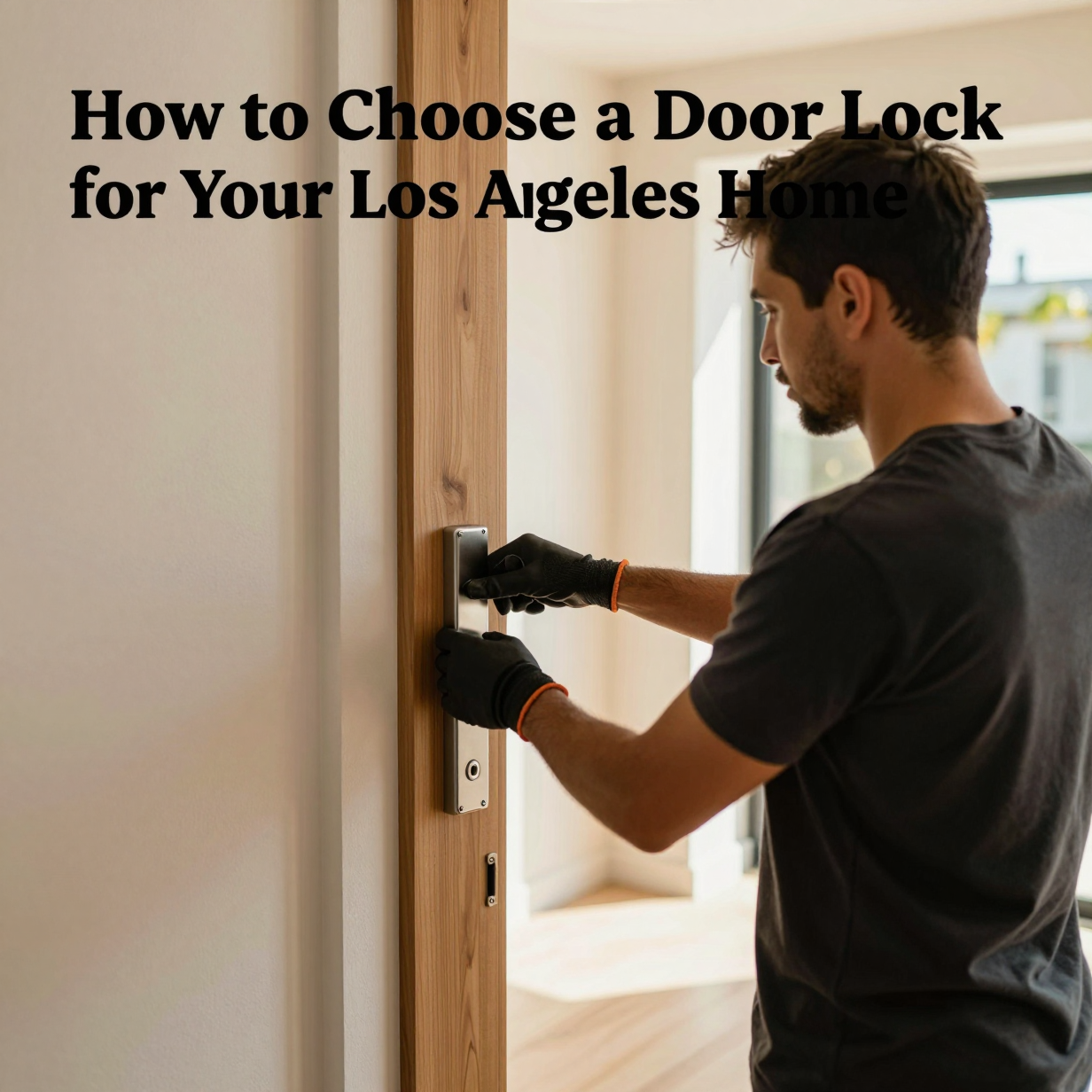
To choose a door lock, start with the door itself: its thickness, the hole sizes already drilled, and how the door is used. Then pick a lock grade and type that match that entry point. A solid deadbolt with a strong strike plate on an exterior door matters more than any fancy feature.
Los Angeles homes vary widely, from 1920s Spanish bungalows to mid-century ranches, newer condos, and hillside houses. That variety means there is no single right lock. This guide walks through what to check so you buy once and it fits.
Start With the Door and the Hardware You Already Have
Before you shop, look at what is on the door today. Most lock purchases go wrong because the new lock does not match the old preparation.
Check these things:
- Door thickness. Most residential doors are standard thickness, but older or custom doors can differ. Measure it.
- Bore hole size. The large hole in the face of the door should match the lock's cylinder and latch.
- Backset. This is the distance from the door edge to the center of the bore hole. Two common sizes exist, and your lock needs to match.
- Edge hole. Note whether the latch plate is round-cornered or square-cornered.
- Door material. Solid wood, hollow-core, metal, and fiberglass each handle screws and drilling differently.
Take a quick photo of your current lock, the edge of the door, and the strike plate side. It helps when comparing products or asking someone to confirm fit.
Understand Lock Grades and What They Mean
In the United States, residential locks are commonly rated by ANSI/BHMA grades. Grade 1 is the most demanding tier, Grade 2 sits in the middle, and Grade 3 is the lightest. The grades reflect how a lock performs in standardized tests for strength, durability, and cycle life.
For a front or back exterior door, a higher grade is a sensible choice. Grade 3 hardware can be fine for low-risk interior uses, like a bedroom privacy knob, but is not what you want protecting your main entry.
Keep in mind that a grade rating describes the lock, not the whole door. A strong lock in a weak frame is still a weak entry point.
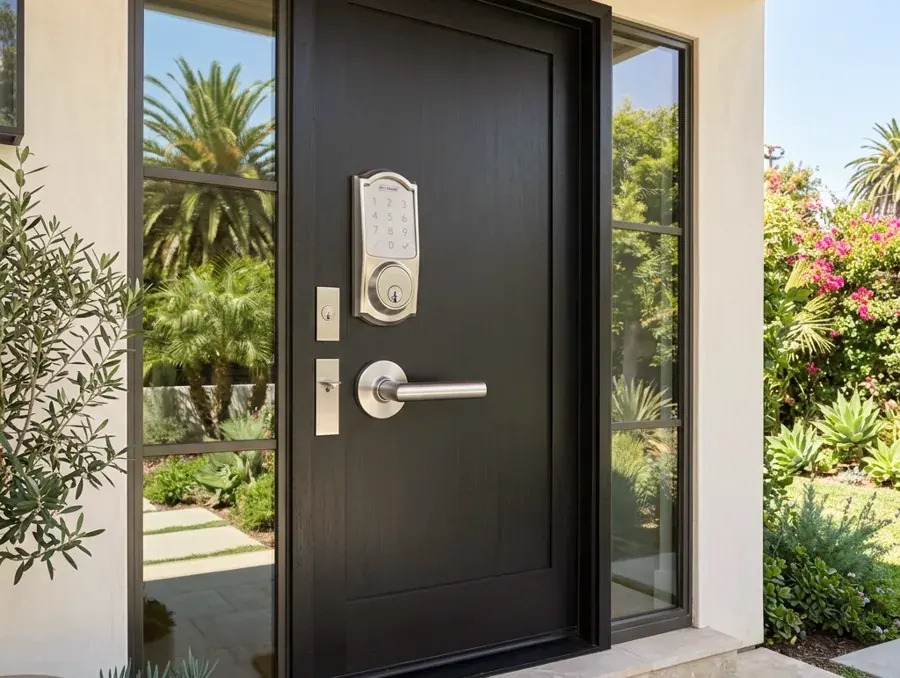
A well-prepared door edge makes a new deadbolt fit cleanly and operate smoothly.
Compare the Main Types of Door Locks
Here is how common options stack up for a typical home.
| Lock type | Good for | Things to know |
|---|---|---|
| Single-cylinder deadbolt | Most exterior doors | Key outside, thumb-turn inside; simple and reliable |
| Double-cylinder deadbolt | Doors with glass nearby | Key needed on both sides, which can slow exit in an emergency |
| Keypad deadbolt | Families, rentals, guest access | No key to lose; needs batteries and occasional code changes |
| Smart lock (app-connected) | Tech-comfortable households | Convenient sharing; depends on batteries, firmware, and your Wi-Fi setup |
| Mortise lock | Older and period doors | Sits in a deep pocket in the door; fit is specific to the door |
| Knob or lever with lock | Interior doors, secondary use | Convenient, but not a substitute for a deadbolt on an entry door |
A note on double-cylinder deadbolts: they can make sense when a window or glass panel sits within arm's reach of the thumb-turn, but they can also trap people inside during a fire or earthquake if the key is not nearby. Think carefully, and check what local rules and your household's needs call for.
Pick Features That Fit Daily Life in Los Angeles
Your city, your block, and your routine shape what is worth paying attention to.
Sun and weather exposure. Many LA entries get strong afternoon sun. Finishes on exterior hardware can fade or wear faster on south- and west-facing doors, so look for durable finishes and wipe hardware down occasionally.
Coastal air. If you live near the ocean, salty air can be tough on metal. Choose finishes made for exterior use and expect to check moving parts now and then.
Rental and shared access. If you host guests, rent a room, or have house cleaners and dog walkers, a keypad or smart lock lets you manage access without making extra keys. Plan how you will change codes when people no longer need entry.
Earthquake awareness. Doors and frames can shift. A lock that binds or a strike plate that no longer lines up can become a real problem. Make sure your door closes and latches smoothly, and that everyone in the home can open the lock quickly from the inside.
Condo and HOA rules. Multi-unit buildings may have rules about exterior hardware, finishes, or fire-rated doors. Check with your HOA or building management before swapping anything on a unit entry door.
Don't Overlook the Strike Plate, Frame, and Door
A strong lock only works if what surrounds it is also strong. Many forced entries involve kicking the door, not picking the lock, so the frame is often the weak link.
Upgrade checklist:
- Strike plate. Replace short factory screws with longer screws that reach into the wall framing, not just the door jamb.
- Reinforced strike. A heavier-duty strike plate spreads force across more of the frame.
- Jamb condition. Look for cracks, splits, or soft wood around the latch. Repair or replace damaged jambs.
- Door material. Hollow-core doors are not appropriate for exterior entries. A solid-core or solid-wood door is a better foundation.
- Hinges. Make sure hinge screws are tight and, on outswing doors, that hinge pins cannot be easily removed.
- Gaps. A door that rattles or has a wide gap at the latch side may need adjustment before any new lock will perform well.
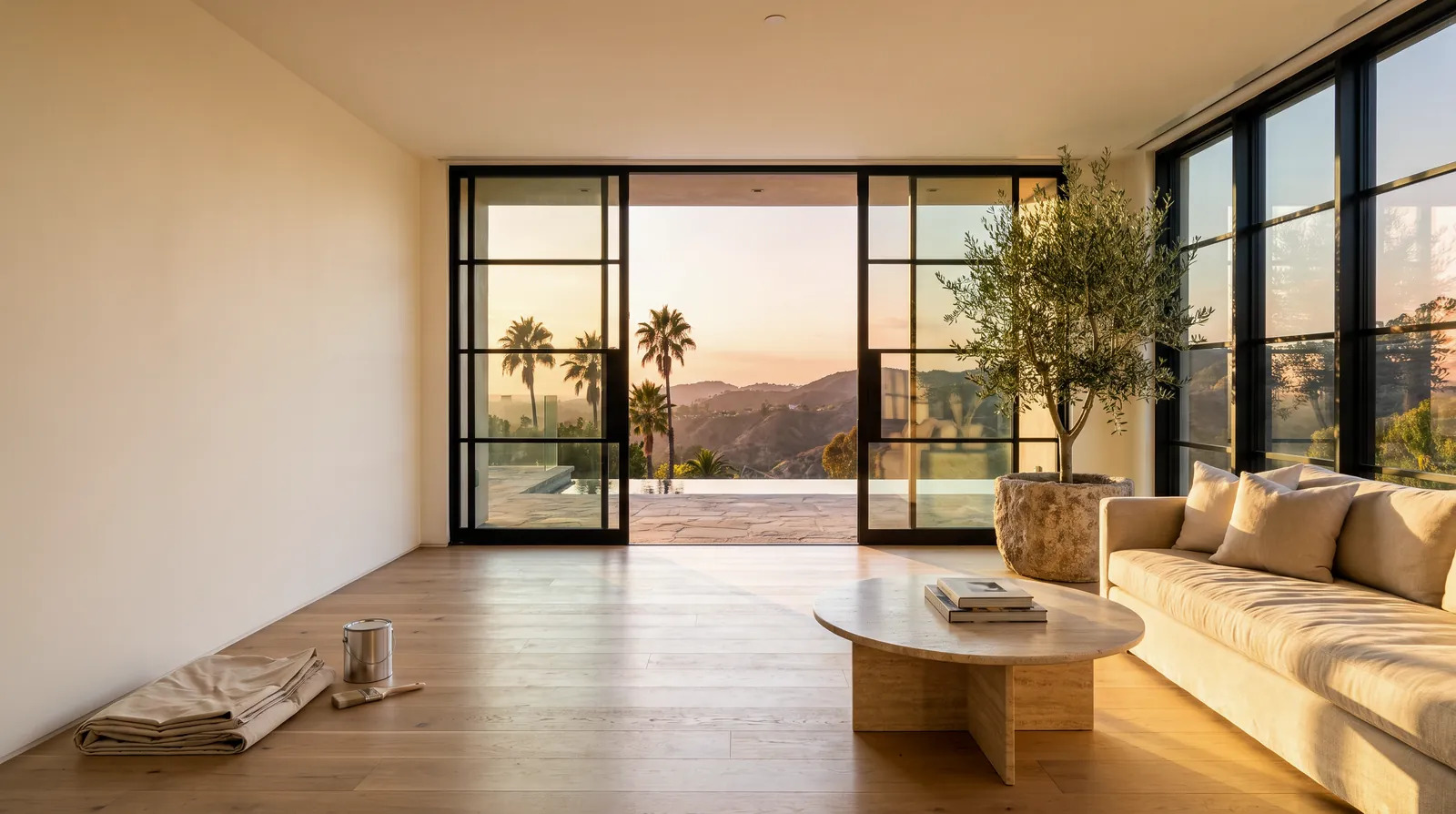
Longer screws and a solid strike plate help the frame hold up as well as the lock.
Smart Locks: Questions to Ask First
Smart locks are appealing, but a few questions help you avoid regret.
- What happens when the battery dies? Look for a backup key or an external way to power the lock.
- Does it keep working without Wi-Fi? Many keypad functions work offline, but remote features need a connection.
- How are codes managed? You want to add and remove guest codes easily.
- Will it fit my door? Some smart locks need specific door thickness or enough room on the inside for the housing.
- Who maintains it? Apps and firmware need occasional updates. Decide who in the household will handle that.
If you like the idea but not the complexity, a keypad deadbolt without app features can be a good middle ground.
When to Call a Pro
Many homeowners can swap a like-for-like deadbolt with a screwdriver and patience. If the bore holes match and the door is in good shape, it is a reasonable DIY project.
Consider hiring help when:
- The door was drilled incorrectly or the holes do not match the new lock.
- The latch does not line up with the strike, or the door sags or sticks.
- The frame is cracked, split, or soft.
- You are installing a mortise lock or working on a historic door.
- You want to rekey several locks so they work with one key.
- You are unsure whether a condo or HOA rule applies.
If you want help, STATOX offers locks doors service across Los Angeles. You can also send a photo for a written quote so the scope is clear before work begins.
For any larger door or frame work, it is smart to learn how to hire a contractor properly through the California Contractors State License Board's consumer pages. If a project involves structural changes, ask whether a permit is needed from the city's building department.
FAQ
What lock grade should I choose for a front door?
A higher ANSI/BHMA grade is a sensible choice for an exterior entry. Grade 1 is the most demanding tier, and Grade 2 is a common middle option. Reserve Grade 3 for lower-risk uses like interior doors.
Is a smart lock safer than a regular deadbolt?
Not automatically. Security depends on the lock's build quality, the door, the frame, and how you manage codes. A smart lock adds convenience and access control, while a mechanical deadbolt avoids batteries and apps.
How do I know if a lock will fit my door?
Measure the door thickness, bore hole diameter, and backset, and note the latch plate shape. Photos of your current lock and the door edge also help confirm compatibility.
Do I need to replace the whole lock if I lose a key?
Not necessarily. Rekeying changes the internal pins so old keys no longer work, while keeping the same hardware. Replacement makes sense if the lock is worn or damaged.
Should every exterior door have a deadbolt?
Generally yes. A deadbolt adds resistance that a simple knob lock does not. Pair it with a solid door and a reinforced strike plate for stronger overall protection.
Sources
- California Contractors State License Board: Hire a Contractor
- California Contractors State License Board: Consumers
- Los Angeles Department of Building and Safety: Permits and Inspections
Safety note: work on electrical panels, gas, structure or anything that needs a permit should be done by a licensed contractor with the required permits.
STATOX Handyman Service · Send a photo · +1 (820) 200-4919
Keep reading
 locks doorsDoor Sticking or Not Latching? Common Causes and FixesDoor not latching or sticking in your LA home? Learn the common causes, simple fixes, and when to stop DIY, so you can sort it out with real confidence.
 locks doorsFront Door Lock Replacement: What to Expect on Visit DayPlanning a front door lock replacement in Los Angeles? Walk through visit day step by step, from prep to testing, so nothing catches you off guard.
 bathroomBathroom Repair Prep Checklist Before the Handyman VisitUse this bathroom repair prep checklist to clear the space, gather photos, and find your shutoffs so your handyman visit goes smoothly. Read before you book.