How to Choose a Drywall Repair Pro in Los Angeles
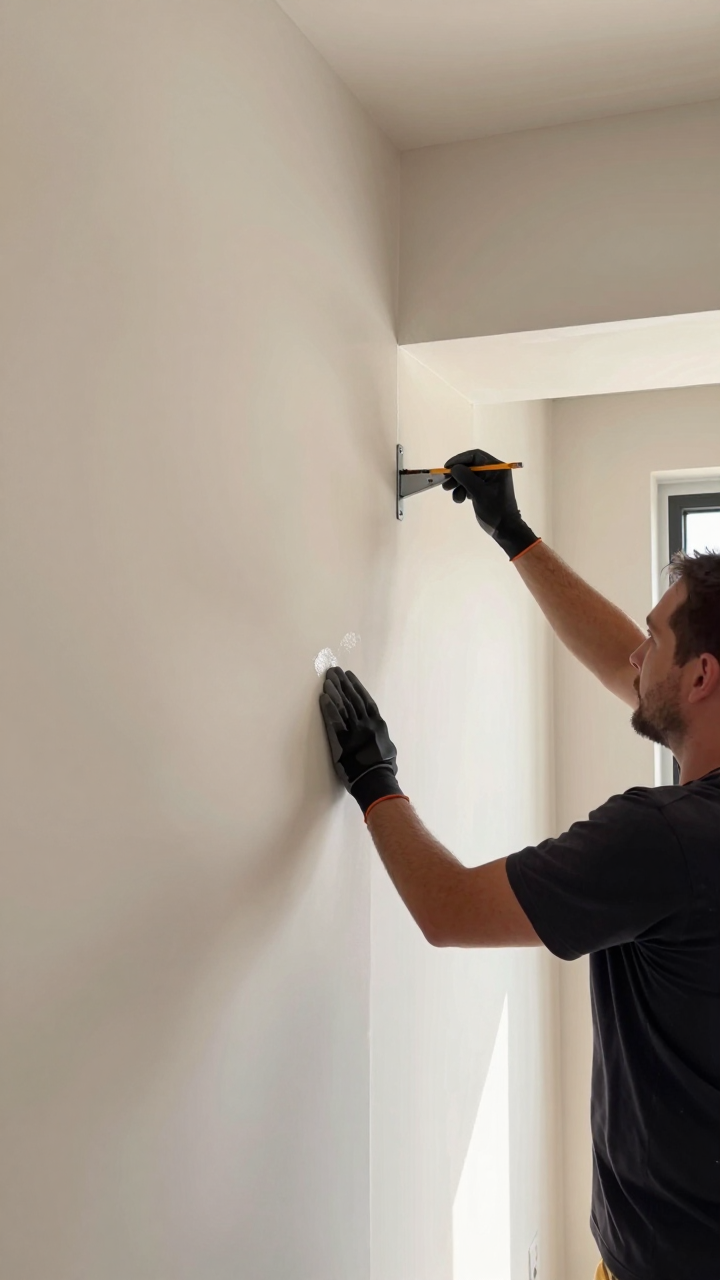
To choose a drywall repair pro in Los Angeles, check their contractor license status with the CSLB where it applies, ask for a written scope that covers patching, texture matching, priming, and paint, and look at photos of finished work on walls like yours. A good pro asks about the cause of the damage before quoting. If they skip that step, keep looking.
This guide walks you through how to sort careful contractors from rushed ones, what a clear quote looks like, and which Los Angeles quirks (varied textures, older plaster, moisture) change the job.
Start With What Kind of Damage You Actually Have
The right pro depends on the problem. Before you call anyone, take a few minutes to figure out what you're looking at.
- Small dents and nail holes: Cosmetic, quick to fix, often fine for DIY.
- Doorknob dings and medium holes: Need a patch, joint compound, sanding, and paint.
- Large holes or cut-outs from plumbing or electrical work: Need new drywall pieces fitted and taped.
- Cracks along seams or above doors and windows: May point to settling or movement. A patch may reappear if the cause isn't addressed.
- Stains, bubbling, or soft spots: Usually mean moisture. The leak has to be found and fixed first.
Take clear photos in good light, plus one wider shot showing the whole wall. Photos help any contractor give a more accurate quote, and they help you compare bids on equal terms.
Verify Credentials Before You Compare Quotes
In California, the Contractors State License Board (CSLB) is the place to check a contractor's license status. Its consumer pages explain how to hire a contractor and what to look for in a contract. You can look up a business by name or license number and see whether the record is active.
Some small jobs fall below the state threshold for requiring a contractor license, so ask directly how the business operates and what it will put in writing. Whatever the size of the job, you want a business that is open about who they are.
Here's a simple verification checklist:
- Ask for the business name and license number, if one applies to the work.
- Look the record up on the CSLB site yourself.
- Confirm the name on the quote matches the name on the record.
- Ask who will actually be doing the work at your home.
- Request a written scope before any work begins.
If someone gets vague or irritated when you ask these questions, that tells you something.
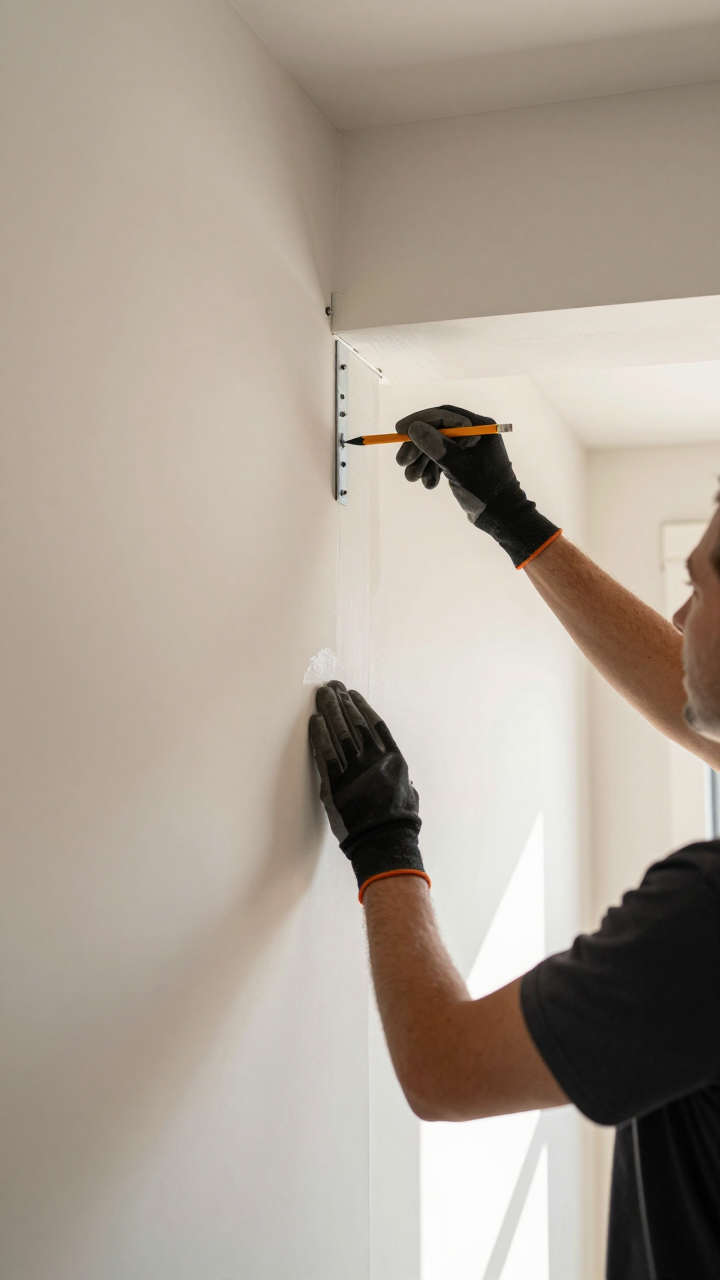
Sanding between coats is where a patch goes from visible to invisible.
What a Good Written Quote Should Include
A quote that says only "fix wall" leaves too much open. A clear one describes the work in steps so you know what you're agreeing to.
Look for these items:
- Location and size of each repair, listed room by room.
- Method: patching, replacing a section, taping and mudding seams.
- Finish: how many coats of compound, sanding, primer, and paint.
- Texture matching: knockdown, orange peel, smooth, or another style.
- Paint: whether it covers just the patch, the whole wall, or the full room.
- Protection and cleanup: floor coverings, dust control, and debris removal.
- Exclusions: anything not covered, such as moisture repair or furniture moving.
The paint line matters most. A patched spot painted alone often shows as a different sheen or shade, especially on older walls where the original color has faded. Many pros recommend painting the full wall, corner to corner, so the repair blends in.
If you'd like a starting point, you can send a photo for a written quote and see how a detailed scope reads.
Compare Your Options Side by Side
Different kinds of providers suit different jobs. This table shows general differences, not rules.
| Option | Good for | Watch for |
|---|---|---|
| Handyman service | Small to medium repairs, patching plus paint together | Confirm they handle texture matching |
| Drywall specialist | Large areas, full-room finishing, new board | May have a minimum job size |
| General contractor | Repairs tied to remodels or structural work | Can be more than a simple patch needs |
| DIY | Nail holes, small dings | Texture and paint blending take practice |
For many Los Angeles homes, a handyman team that does patching, texture, and paint together keeps the job simple. Our drywall repair service is built around that approach: one scope, one finish plan.
Los Angeles Details That Change the Job
Homes here have features that affect drywall work.
Texture variety. Los Angeles has a mix of eras. Mid-century homes may have smooth walls or plaster, while later builds often have knockdown or orange peel. Ask a pro how they match texture, and ask to see an example.
Older plaster and lath. If your home is older, the wall may not be drywall at all. Patching plaster is a different skill. Say so upfront if you suspect it.
Paint age in older homes. Homes built before 1978 may contain lead-based paint. The EPA's Renovation, Repair and Painting program covers work that disturbs painted surfaces in older housing. Ask any contractor how they handle dust in a pre-1978 home.
Moisture. Stains and soft drywall point to a leak, not just a cosmetic issue. The EPA's guide to mold and moisture explains why fixing the water source comes before any patch.
Permits. Simple patching usually doesn't need one, but larger projects that involve structural or electrical changes may. The LADBS permits and inspections page is the place to check.
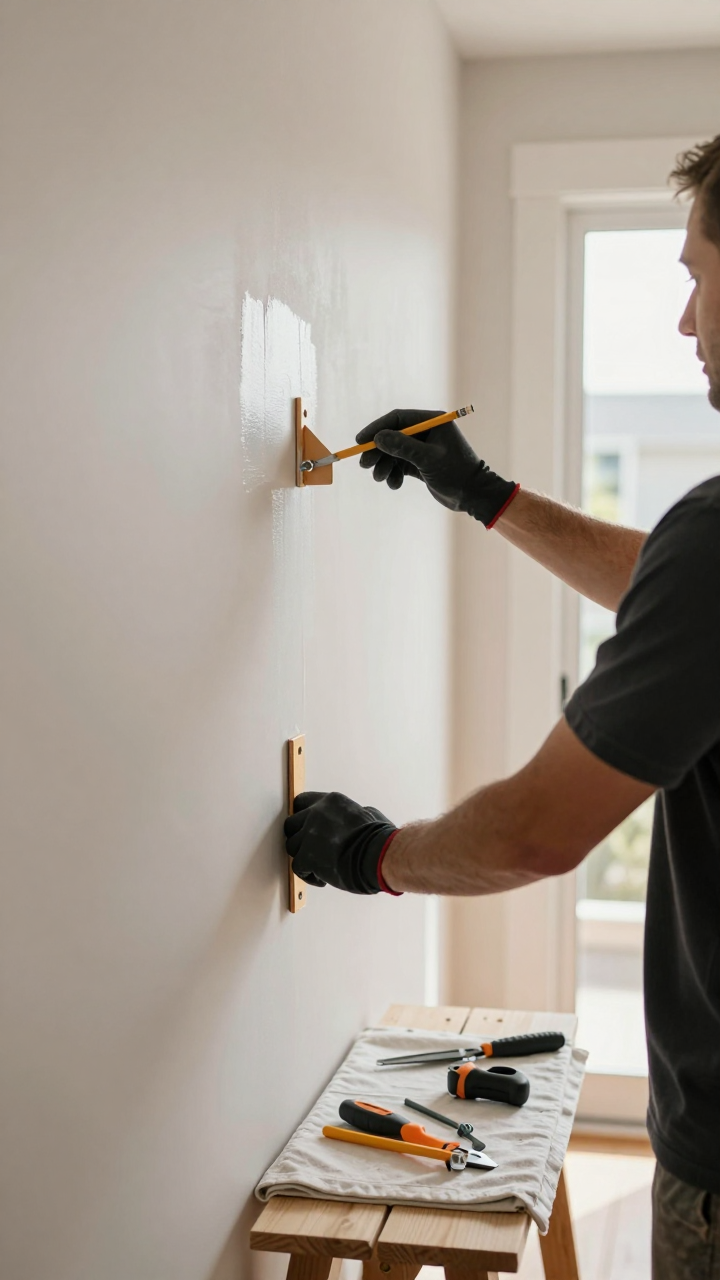
A finished repair should disappear under raking light, not just in a quick glance.
Red Flags and Green Flags
Trust your instincts, but also use a checklist.
Red flags
- No written scope, or a quote that is one line long.
- Pressure to decide on the spot.
- Request for a large payment upfront.
- No mention of texture or paint, when you need both.
- Reluctance to explain who does the work.
- Skipping the question of why the damage happened.
Green flags
- Asks about the cause: leak, impact, settling, or old repair.
- Explains the process in plain language.
- Offers to look at photos first, then confirms in person.
- Describes how they'll protect floors and control dust.
- Puts exclusions in writing.
When to Call a Pro
Be honest with yourself about the job. DIY makes sense for nail holes, small dings, and a patch about the size of a coin, if you're comfortable sanding and painting.
Hire a pro when:
- The hole is larger than your hand or needs new board.
- You see water stains, bubbling, or soft spots.
- Cracks keep returning after you fill them.
- You need to match a texture across a large wall or ceiling.
- Your home was built before 1978 and the repair disturbs painted surfaces.
- The ceiling is involved. Overhead work is harder and messier.
A poorly done patch means doing the work twice: once to make it, and again to fix it. If you're unsure, a photo-based quote is a low-pressure way to find out which side of the line you're on.
FAQ
How do I verify a drywall contractor in Los Angeles?
Use the CSLB website to look up a license by name or number, and confirm the record is active and matches the name on your quote. The CSLB's consumer pages also explain what a contract should contain.
Should the whole wall be painted after a patch?
Often, yes. Painting from corner to corner helps hide differences in sheen and shade. Ask your pro what they recommend for your wall and paint age.
Why does my drywall crack keep coming back?
Seams and corners can move with temperature, humidity, and settling. If a crack returns, the repair may need proper taping, flexible compound, or a look at the cause behind it.
Do I need a permit for drywall repair in LA?
Basic patching generally doesn't, but larger projects tied to structural, electrical, or plumbing changes might. Check with LADBS if you're unsure.
What if the drywall is wet or stained?
Find and fix the water source first. Moisture trapped behind new drywall can lead to mold, and the EPA's guidance stresses dealing with moisture problems promptly.
Sources
- CSLB: Hire a Contractor
- LADBS: Permits and Inspections
- EPA: Renovation, Repair and Painting Program
- EPA: A Brief Guide to Mold, Moisture, and Your Home
Safety note: work on electrical panels, gas, structure or anything that needs a permit should be done by a licensed contractor with the required permits.
STATOX Handyman Service · Send a photo · +1 (820) 200-4919
Keep reading
 drywall repairCommon Drywall Problems: Cracks, Holes, Dents and FixesLearn how to fix drywall cracks and holes, from nail pops to doorknob dents, and when a repair needs more than patch and paint. Read before you patch.
 drywall repairDrywall Cracks in Hollywood Hills Hillside HomesLearn what causes drywall cracks in hillside homes and how drywall repair Hollywood Hills owners can tell cosmetic from serious. Read before you patch.
 drywall repairDrywall and Plaster Repair in Hancock Park Older HomesPlanning drywall repair in Hancock Park? Learn how plaster, lath, and old patches differ, what to check first, and when a pro is worth calling.