How to Choose Flooring for a Los Angeles Home
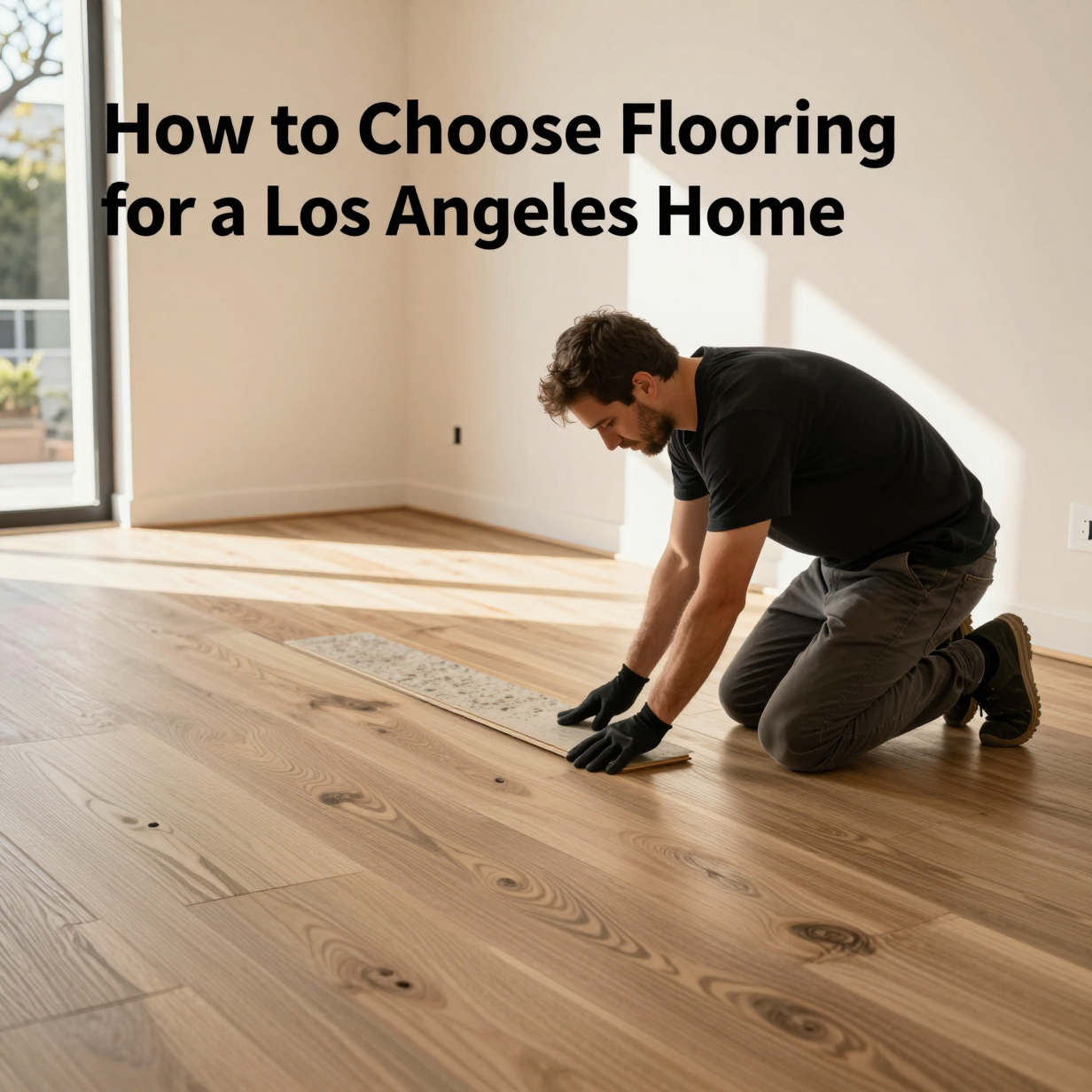
To choose flooring for your home, start with the room's job, not the look. Match the material to moisture, foot traffic, your subfloor, and how much upkeep you really want to do. Then narrow down by style and sample the finalists in your own light. In Los Angeles, sun, dry heat, older slab and raised foundations, and condo rules all shape the right answer.
Start With How Each Room Is Actually Used
Before you browse a single sample, list what happens in each space. A kitchen sees spills and dropped pans. A hallway sees every pair of shoes in the house. A bedroom mostly sees bare feet.
Ask yourself:
- Who walks here: kids, pets, guests, a home office chair on wheels?
- Does water show up here (kitchen, bathrooms, laundry, entryway, patio doors)?
- Do you want one continuous look through the whole home, or room-by-room choices?
- Is this a home you'll stay in for a long time, or are you preparing to sell?
Write the answers down. They'll quickly rule out half the options and keep you from falling for a floor that looks great in a showroom but fights your daily routine.
Know the Main Flooring Types and Where They Fit
Every material is a trade-off. Here is a general comparison to start the conversation.
| Material | Good for | Watch out for |
|---|---|---|
| Solid hardwood | Living areas, bedrooms; can be refinished | Moisture, sun fading, scratches from pets |
| Engineered wood | Living areas, many slab homes | Thinner wear layer limits refinishing |
| Luxury vinyl plank (LVP) | Kitchens, baths, busy households | Can dent under heavy point loads; quality varies widely |
| Laminate | Dry rooms, budget-conscious updates | Standing water at seams |
| Tile (porcelain/ceramic) | Baths, kitchens, entries, patios | Cold, hard underfoot; grout upkeep |
| Carpet | Bedrooms, stairs, quiet spaces | Allergens, stains, wear in high-traffic paths |
No single type wins everywhere. Many homes work well with two or three materials: tile or vinyl in wet zones, wood or wood-look in living spaces, and carpet only where softness matters.
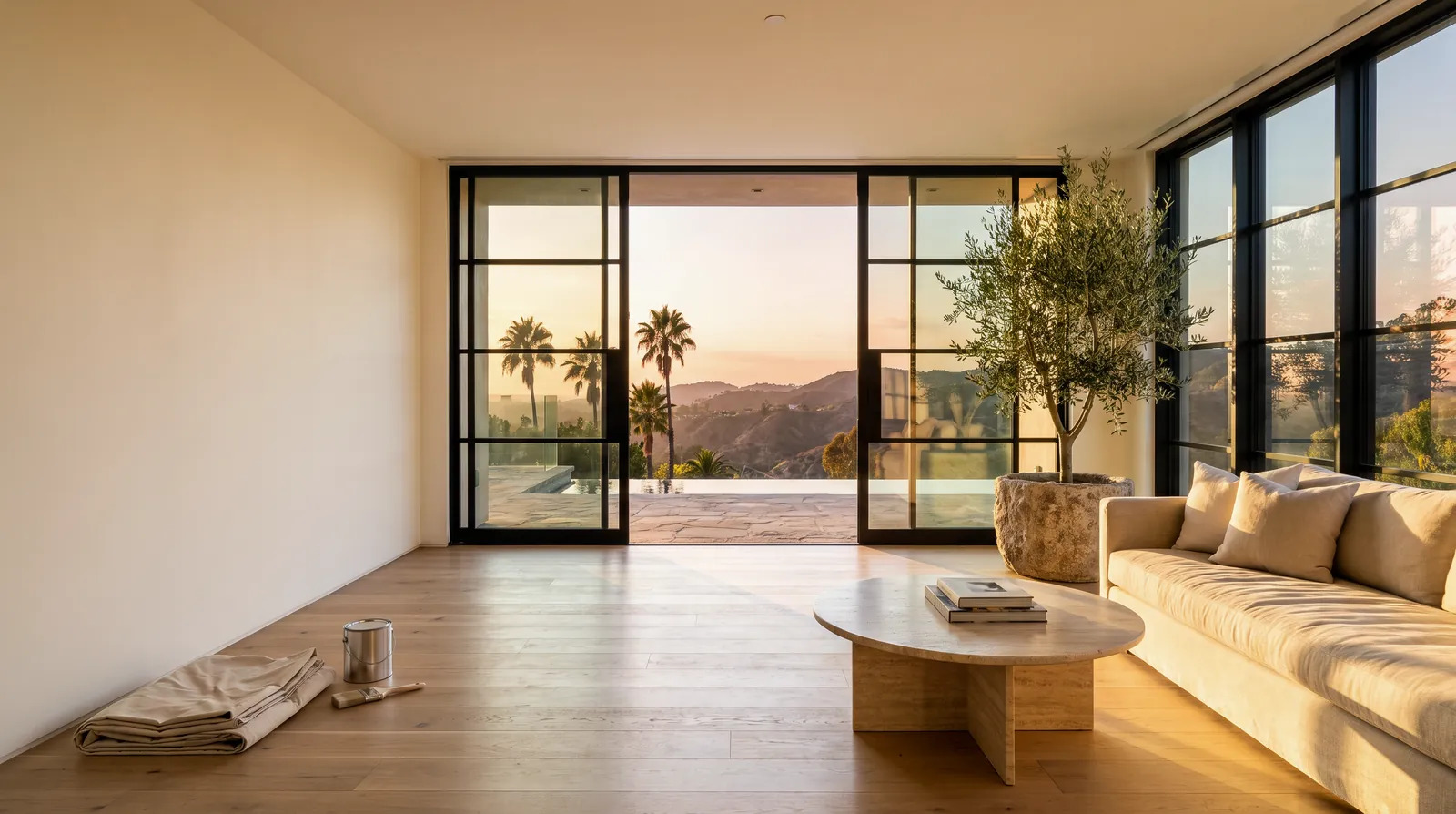
Comparing real samples side by side, in the actual room, makes the choice much easier.
Factor In Los Angeles Conditions
Los Angeles homes have quirks that a generic flooring guide won't cover.
Sun and heat. Strong light through west- and south-facing windows can fade or discolor some wood species and finishes over time. Rugs, window film, or a more sun-stable material can help.
Dry air and seasonal swings. Wood moves slightly as humidity changes. Engineered products are generally more stable than solid planks, but all wood needs room to expand at the edges.
Slab vs. raised foundation. Many homes here sit on concrete slabs, which can hold or transmit moisture. Slab floors usually call for moisture testing and the right underlayment or adhesive. Raised foundations allow solid wood nail-down but may have uneven or squeaky subfloors worth checking.
Older homes. Bungalows and mid-century houses often have layers of old flooring, patched subfloors, or out-of-level areas. Leveling is a normal part of a good installation, not an upsell.
Condos and apartments. Many buildings have HOA rules about sound insulation, underlayment, and approved hours for work. Get those rules in writing before you order material.
Check the Subfloor Before You Fall in Love With a Product
The subfloor decides how a floor performs. Even premium planks will creak, gap, or buckle on a poor base.
Look for these before you buy:
- Flatness. Dips and humps telegraph through thin, rigid materials like tile and click-lock planks.
- Moisture. Concrete slabs and areas near plumbing or exterior doors should be checked, not assumed dry.
- Soundness. Soft spots, squeaks, or old water stains mean repair comes first.
- Transitions. Note where the new floor meets existing flooring, and whether heights match at doorways and appliances.
- Old materials. Adhesives, tiles, or backing in very old homes may need careful handling before removal. If you're unsure what's under your floor, ask a pro to look.
Budget time for prep. It's often the difference between a floor that looks good in week one and one that still looks good years later.
Match the Floor to Your Lifestyle and Maintenance Tolerance
Be honest about how much care you'll give the floor.
- Pets: Choose harder wear surfaces and textured or matte finishes that hide scratches. Glossy finishes show every claw mark.
- Kids: Water-resistant, easy-to-wipe surfaces save stress. Soft areas help in play rooms.
- Allergies: Hard surfaces are easier to keep clean than carpet.
- Barefoot comfort: Tile can feel cold on winter mornings; rugs or a different material may suit bedrooms better.
- Cleaning routine: If you won't polish, refinish, or reseal, avoid materials that require it.
Also think about indoor air. Adhesives, finishes, and some new products can release volatile organic compounds (VOCs). The EPA has general guidance on VOCs and indoor air quality, and ventilating during and after installation is a smart habit. Ask about low-emission options when comparing products.
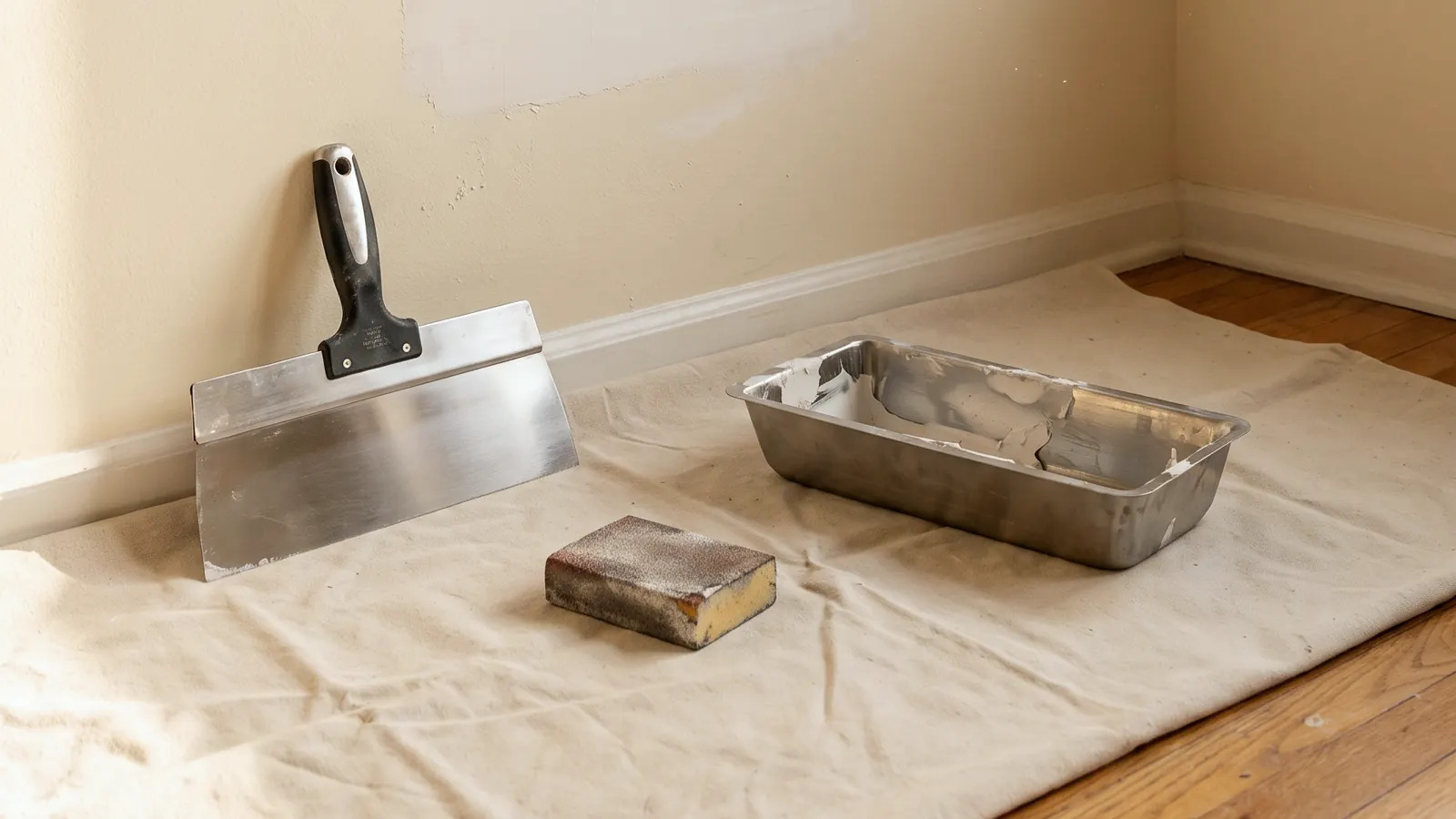
A flat, dry, solid subfloor is the foundation of every good flooring job.
Sample, Compare, and Plan the Project
Once you have two or three finalists, test them for real.
- Take large samples home. Look at them in morning light, afternoon sun, and under your evening lamps.
- Put them against fixed items. Hold them next to cabinets, countertops, and wall paint.
- Test durability. Scratch a sample with a key and splash it with water to see how it behaves.
- Plan the flow. Decide where the flooring changes, and how doorways and stairs will transition.
- Order extra. Cuts, pattern matching, and future repairs mean you need a reasonable overage. Ask your installer how much.
- Prepare the space. Furniture needs moving, and some products need to acclimate indoors before installation.
If you want a second opinion on what suits your rooms, our flooring service team can talk through options based on your layout and subfloor.
When to Call a Pro
Some flooring work is a reasonable weekend project. Click-lock vinyl or laminate in a small, dry, flat room can be a good DIY candidate if you're patient and have the right tools.
Hiring help makes more sense when:
- The subfloor is uneven, damaged, or suspect for moisture.
- You're installing tile, solid hardwood, or anything that needs precise layout and specialized tools.
- Stairs, patterns, or many transitions are involved.
- You're working in a condo with sound and scheduling requirements.
- Removal of old flooring reveals surprises.
When hiring, check a contractor's status through the California Contractors State License Board, and get the scope in writing. Some larger remodels may involve permits, so it's worth checking with the Los Angeles Department of Building and Safety if your project goes beyond simple floor covering.
Not sure where to start? You can send a photo for a written quote and describe the rooms you're thinking about.
FAQ
What is the most durable flooring for a busy Los Angeles household?
Porcelain tile and quality luxury vinyl plank are common choices for heavy use because they handle wear and spills well. The right pick still depends on the room, subfloor, and your comfort preferences.
Is hardwood a good idea in Los Angeles?
Yes, in many homes. Sun exposure and humidity changes matter, so consider engineered wood for slabs and use window coverings or rugs to reduce fading. Solid wood suits raised foundations well.
Can I install new flooring over old flooring?
Sometimes. It depends on the existing material's condition, flatness, and the new product's requirements. Height changes at doors, appliances, and cabinets also matter, so have it checked first.
Do I need to test my concrete slab for moisture?
It's a smart step before most wood, vinyl, or laminate installs. Slabs can release moisture that damages floors, and many manufacturers require proper prep.
How do I reduce fumes during installation?
Ventilate the home, ask about low-emission products and adhesives, and keep kids and pets away from the work area until it's ready. The EPA offers general guidance on VOCs and indoor air.
Sources
- California Contractors State License Board: Hire a Contractor
- Los Angeles Department of Building and Safety: Permits and Inspections
- EPA: Volatile Organic Compounds' Impact on Indoor Air Quality
- National Wood Flooring Association
Safety note: work on electrical panels, gas, structure or anything that needs a permit should be done by a licensed contractor with the required permits.
STATOX Handyman Service · Send a photo · +1 (820) 200-4919
Keep reading
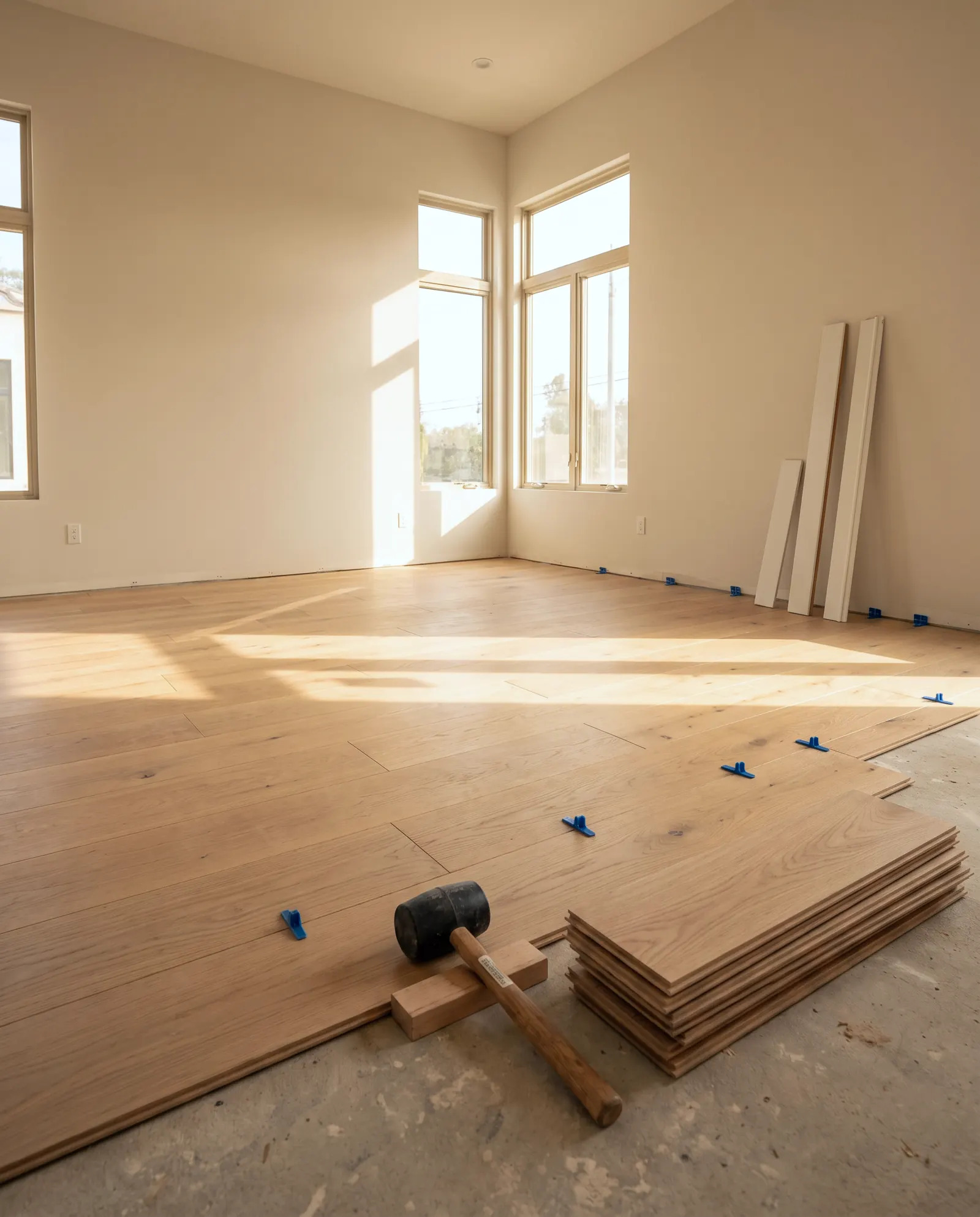 flooringSqueaky, Buckled, or Gapped Floors: Causes and FixesSqueaky floors, buckling, and gaps usually trace back to movement, moisture, or loose fastening. Learn how squeaky floors buckling gaps fix choices work.
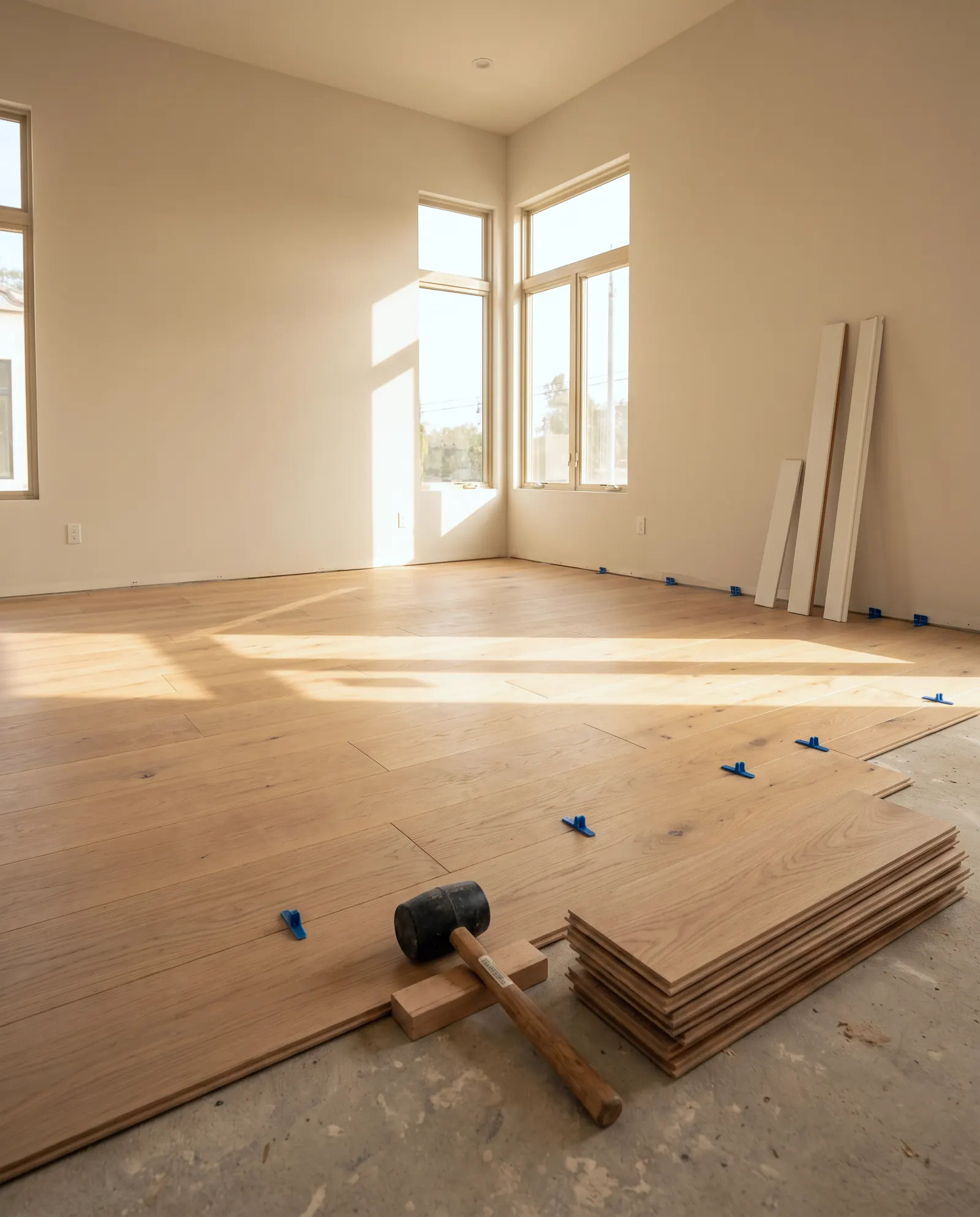 flooringDIY vs Hiring a Pro for Floor InstallationWeighing diy vs professional flooring installation in Los Angeles? See which floors suit a weekend project and which need a pro. Read before you buy.
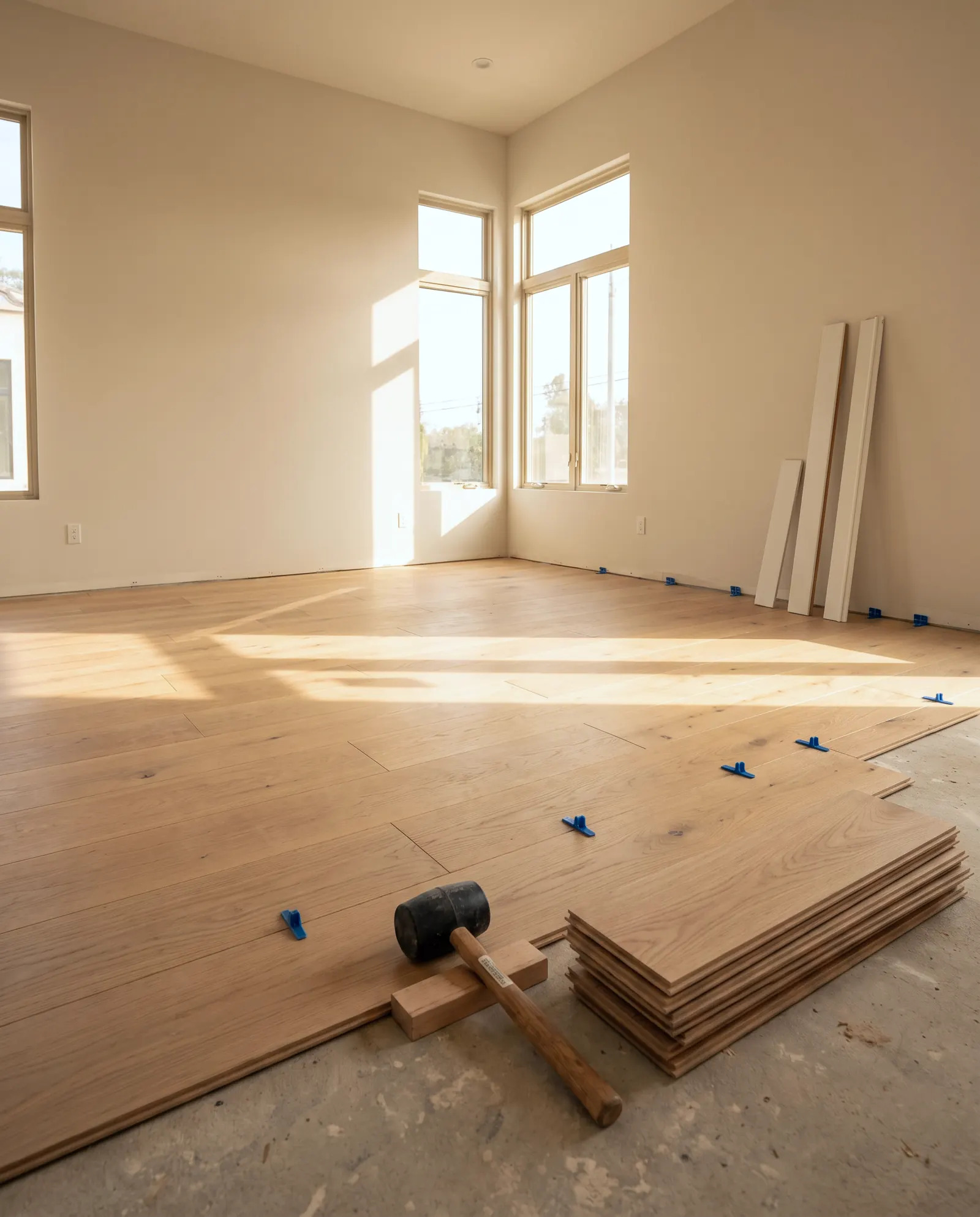 flooringFlooring Installation Prep Checklist for HomeownersUse this flooring installation prep checklist to clear rooms, check subfloors, and plan acclimation so install day goes smoothly. Read before you order.