How to Choose Furniture Assembly Help in Los Angeles
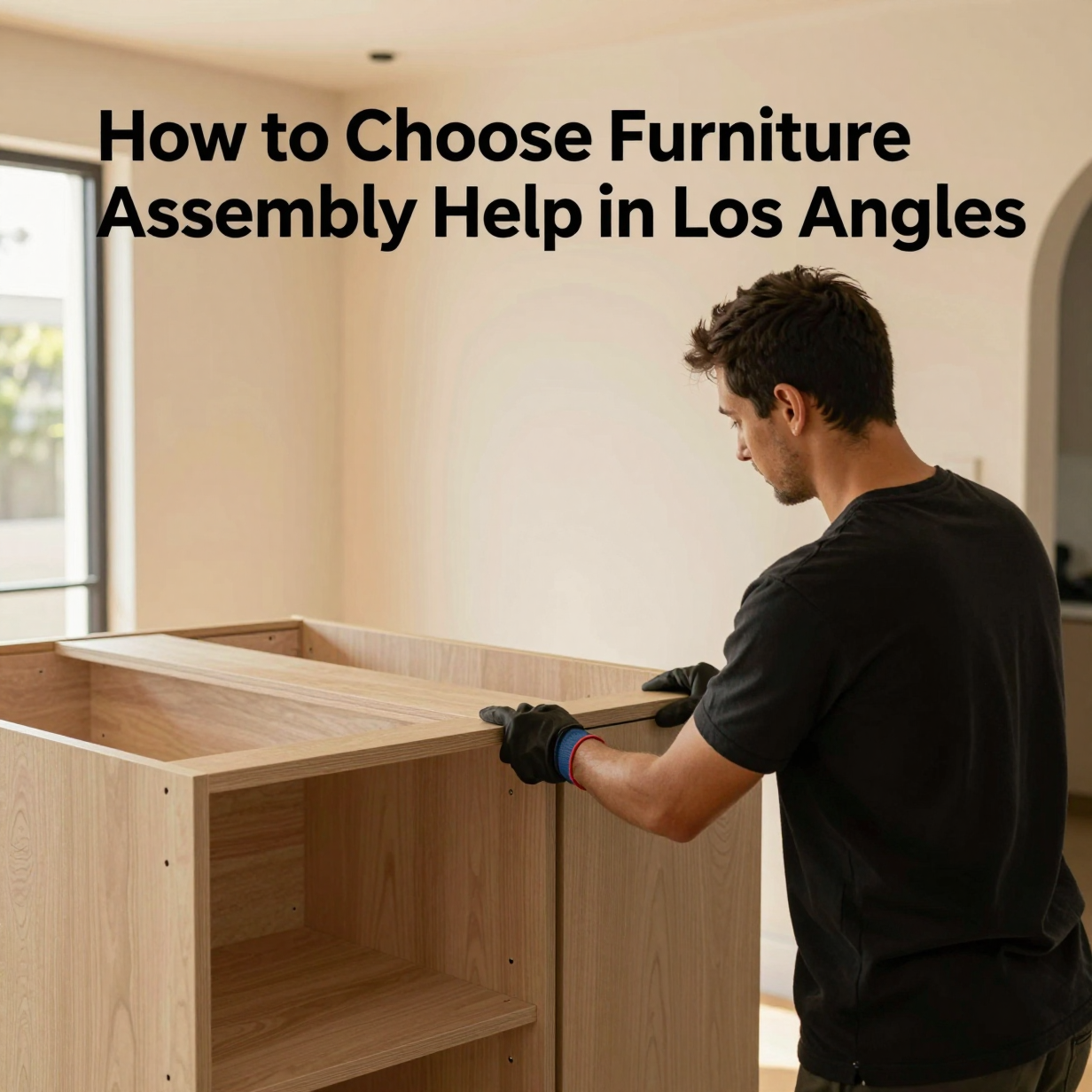
The right furniture assembly help in Los Angeles comes down to three things: clear communication about what you need built, experience with your specific pieces and building, and a written scope before work starts. Ask what's being assembled, where it's going, and how the pro handles anchoring, protection of floors, and cleanup. If those answers are specific, you're likely in good hands.
What Furniture Assembly Help Actually Includes
Furniture assembly sounds simple until you're surrounded by 200 screws, three bags of cam locks, and an instruction sheet with no words. Good assembly help covers more than tightening bolts.
A thorough job usually includes:
- Unpacking and sorting hardware, and checking for missing or damaged parts
- Building the piece in the right room, so it doesn't have to be carried through tight doorways
- Leveling, squaring, and adjusting doors and drawers so they close properly
- Anchoring tall items to the wall where appropriate
- Removing cardboard, foam, and packaging
Some pros also handle related tasks, such as mounting a TV above a dresser or hanging shelves. Ask up front so you know where the scope ends.
Know What You Need Built Before You Call
The more you can describe, the more accurate the conversation. Before reaching out, make a quick list.
- Items and brands. Wardrobes, bed frames, desks, bookcases, sectionals, outdoor sets, and office chairs all take different skills.
- Quantity. One nightstand is a different job than a whole bedroom set.
- Location. Note the floor, elevator access, stairs, and parking situation. Many Los Angeles apartments and condos have loading rules.
- Complexity. Mention anything with glass, mirrors, electrical parts, drawers on soft-close slides, or heavy stone tops.
- Condition. Is everything still boxed? Have you already started building? Partially built pieces can be trickier.
Photos help a lot. You can send a photo for a written quote so the scope is clear before anyone shows up.
Unboxed and sorted parts make it easy to confirm nothing is missing before building starts.
Questions to Ask Before You Hire
A few direct questions reveal a lot about how someone works.
- Have you built this type of piece before, or something similar?
- Do you bring your own tools, or should I have anything ready?
- How do you protect floors, walls, and doorways?
- What happens if a part is missing or damaged?
- Will you anchor tall furniture to the wall, and what hardware do you use for my wall type?
- Is cleanup and packaging removal part of the job?
- Will I get the scope in writing?
If you want a general framework for hiring someone to work in your home, the California Contractors State License Board publishes consumer guidance at its Hire a Contractor page. It's worth a read, especially if your project grows beyond assembly into repairs or installation.
Comparing Your Options: Handyman, Store Service, or DIY
Each route has trade-offs. Here's how they typically compare.
| Option | Good for | Watch out for |
|---|---|---|
| Handyman service | Multiple items, mixed tasks (assembly plus mounting or repairs), flexible scheduling | Confirm experience with your type of furniture |
| Retailer assembly service | Single items bought from that store | Limited to what you purchased there; scope and scheduling vary |
| Online task marketplace | Quick browsing of many options | Skill levels vary widely; vet carefully |
| DIY | Small, simple pieces | Time, frustration, and risk of misaligned parts or tip-overs |
A furniture assembly service from a handyman team makes the most sense when you have several pieces, or when assembly is one item on a longer to-do list.
Los Angeles Details That Change the Job
Living in LA brings some specifics that a good pro will think about.
Earthquake safety. Tall bookcases, wardrobes, and dressers can tip during shaking. Earthquake Country Alliance recommends securing furniture as part of preparing your space; see their Step 1 guidance. Ask your assembler to anchor tall pieces into studs or use wall-appropriate anchors, and tell them if you rent, since some leases limit wall drilling.
Older buildings. Many LA homes have plaster walls, uneven floors, or out-of-square corners. These affect how a tall unit sits and how doors align. An experienced pro adjusts for this instead of forcing the piece.
Apartments and condos. Elevator reservations, loading zones, and quiet hours can all affect when and how work happens. Mention these when you book.
Indoor air. New particleboard and finishes can release volatile organic compounds. The EPA's page on VOCs and indoor air quality explains why ventilating a room while unpacking and building new furniture is a smart habit.

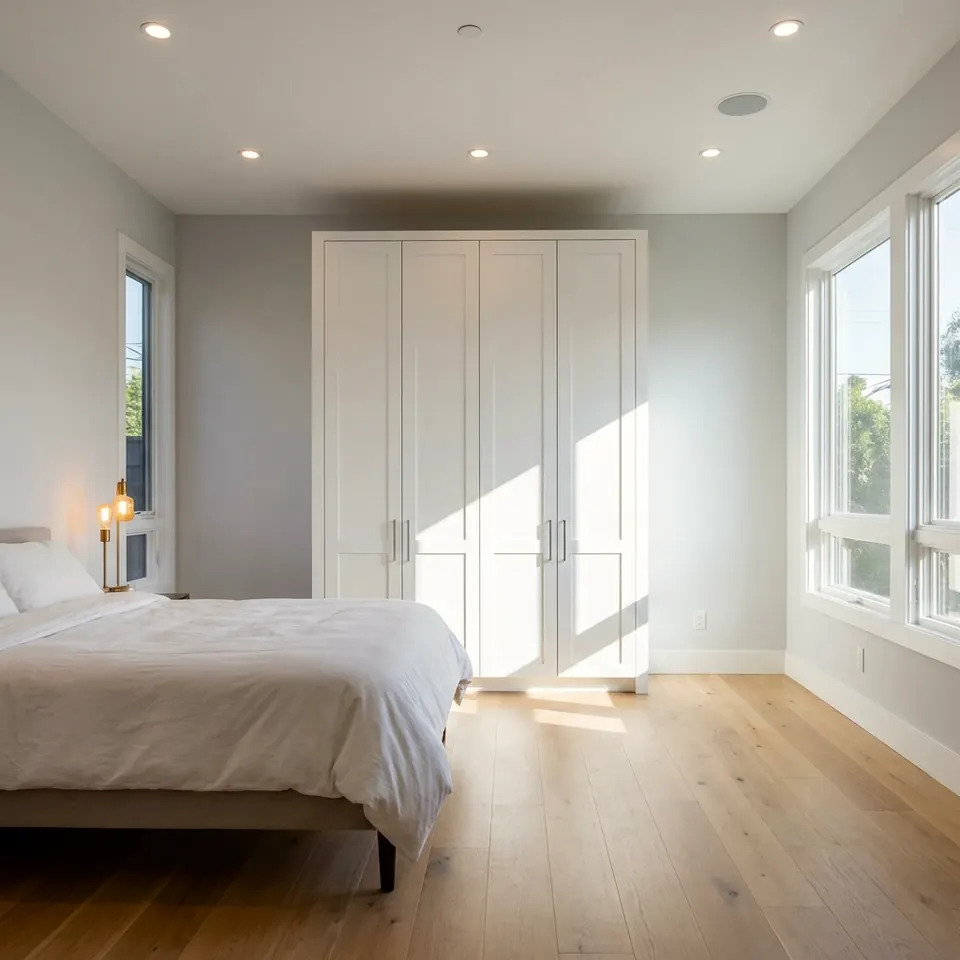
Anchoring tall furniture to the wall is a small step that matters in earthquake country.
Red Flags and Green Flags
Green flags
- They ask about the furniture, the room, and access
- They explain the scope in writing
- They talk about anchoring, floor protection, and cleanup without being prompted
- They are honest about what they won't do
Red flags
- Vague answers about experience with your pieces
- No written scope or clear description of the work
- Pressure to add unrelated work
- Reluctance to anchor tall items or discuss wall types
- Skipping the parts check and starting to build anyway
When to Call a Pro
Plenty of furniture is a fine weekend DIY project. A simple side table or desk chair with clear instructions and a few tools is usually manageable.
Hiring help makes more sense when:
- The piece is large or heavy, like a wardrobe system, sectional, or bunk bed
- You need several items built in one visit
- It involves glass, mirrors, or heavy stone
- It has to be anchored to a wall and you're unsure about studs or wall type
- It's for a child's room, where stability matters more
- You don't have the tools, space, or a second set of hands
- You'd rather spend your time elsewhere
Being honest with yourself saves money in the long run: a misbuilt frame often means disassembly and starting over, and some parts can't be reused once they're forced.
FAQ
How do I find reliable furniture assembly help in Los Angeles?
Start by describing what you need built, then ask about experience with similar pieces, anchoring, protection of your space, and cleanup. Get the scope in writing. Sending photos of the items makes the conversation more precise.
Should I build furniture before or after it's moved into the room?
Usually it's easier to assemble in the room where it will live, especially for large pieces. Finished wardrobes and bookcases often don't fit through doorways or hallways, particularly in older LA apartments.
Do I need to be home during assembly?
It depends on the arrangement. Most people prefer to be present at the start to point out placement and at the end to check the work. Discuss access and building rules ahead of time.
Is it important to anchor furniture to the wall?
For tall or top-heavy pieces, yes. Securing furniture is a recommended step in earthquake preparedness. Renters should check lease terms first and ask about options that minimize wall damage.
What if parts are missing or damaged?
A good assembler checks the hardware before building and tells you what's wrong. You'll typically contact the manufacturer or retailer for replacement parts, so keep the packaging and receipt until the piece is finished.
Sources
- California Contractors State License Board: Hire a Contractor
- Earthquake Country Alliance: Step 1, Secure Your Space
- U.S. EPA: Volatile Organic Compounds' Impact on Indoor Air Quality
STATOX Handyman Service · Send a photo · +1 (820) 200-4919
Keep reading
 furniture assemblyDIY vs Hiring a Pro for Furniture Assembly: What to WeighWondering whether to hire someone to assemble furniture or do it yourself? Compare time, tools, risk, and safety before you open the box.
 furniture assemblyFlat-Pack Furniture Problems and How to Fix ThemNeed a wobbly flat pack furniture fix? Learn why assembled pieces rock, sag, or gap, and what to check first. Worth a read before you take it apart.
 furniture assemblyFurniture Assembly Prep Checklist Before Your Handyman VisitUse this furniture assembly checklist to get your space, boxes, and walls ready before your handyman arrives. A few minutes of prep makes the visit smoother.