How to Choose a Handyman for Plumbing Fixes in Los Angeles
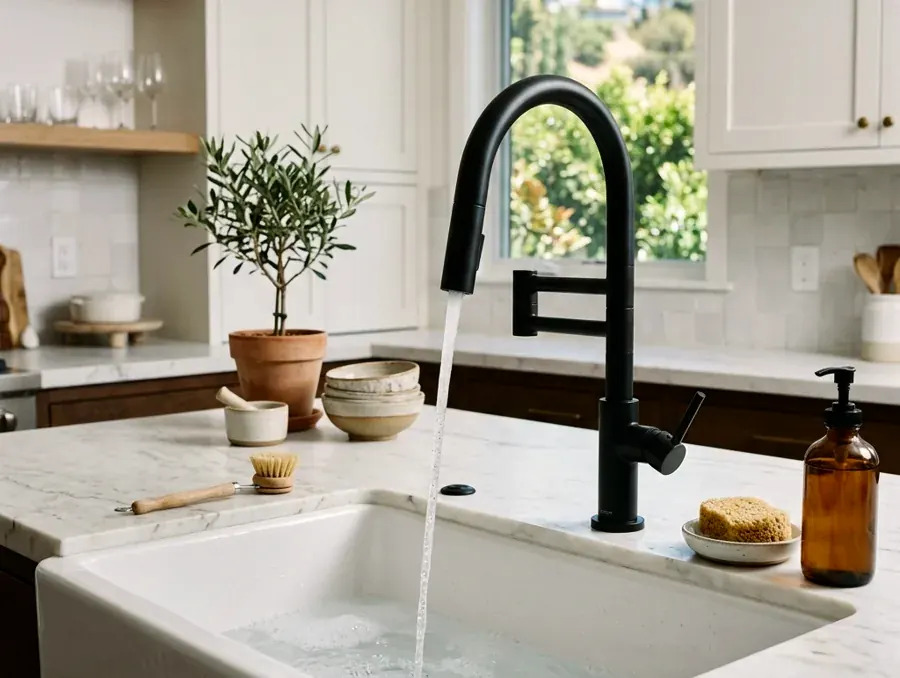
The right handyman for plumbing fixes in Los Angeles is someone who clearly describes the scope of work, explains what they will and won't touch, and puts the plan in writing before starting. For small, well-defined jobs like a dripping faucet, a running toilet, or a loose drain trap, a skilled handyman is often a practical choice. For anything involving gas lines, main sewer problems, or major pipe changes, you want a specialist.
This guide walks you through how to sort one from the other, what to ask, and how to avoid common headaches.
What a handyman can realistically fix in plumbing
Handyman plumbing work usually means repairs and replacements at the fixture level, where you can see the problem and shut off water locally. Typical examples:
- Replacing a leaking kitchen or bathroom faucet
- Fixing a toilet that runs, rocks, or won't flush well (flapper, fill valve, wax ring)
- Swapping a showerhead or tightening a loose shower arm
- Replacing under-sink supply lines and shutoff valves
- Replacing a P-trap or fixing a slow sink drain
- Installing a garbage disposal in place of an existing one
- Re-caulking around tubs, sinks, and toilets
These are jobs with a visible start and finish. If you'd like to see how we approach them, our plumbing fixes service page lists the common repairs.
Where the handyman line ends
Some plumbing work belongs with a plumbing contractor. In California, the Contractors State License Board (CSLB) is the agency that oversees contractor rules, and its consumer pages explain how to hire a contractor and what to check. Work that typically goes beyond a handyman scope includes:
- Gas line work of any kind
- Main sewer line repair or replacement
- Rerouting or replacing supply or drain piping inside walls
- Water heater replacement involving gas or venting changes
- Anything that needs a permit or inspection
Los Angeles permit requirements are handled by the Los Angeles Department of Building and Safety (LADBS). If you're unsure whether your project needs a permit, check the LADBS permits and inspections page, or ask the person quoting the job to explain their reasoning.
A trustworthy handyman will tell you when a job is outside their lane. That honesty is a better sign than a confident "I can do anything."

Shutting off water at the fixture first keeps a small repair small.
Questions to ask before you hire
A short conversation tells you a lot. Use this checklist:
- What exactly will you do? Ask them to describe the repair in their own words, including parts to be replaced.
- What could change the scope? Old corroded shutoff valves, hidden leaks, or damaged drywall can expand a job. Ask how they handle surprises.
- Who supplies the parts? Know whether they bring fixtures or you do, and whether you can approve brands and finishes.
- Will you test the repair? A good answer includes running water, checking connections for drips, and flushing or filling to confirm.
- What do you do if the job needs a plumber? They should have a clear, calm answer.
- Will the quote be in writing? Get scope and conditions on paper or in a message you can save.
- How do you protect my home? Floor coverings, shoe covers, and cleanup matter, especially in small bathrooms.
Also check the CSLB's consumer guidance on hiring contractors. It explains what to verify and what a written agreement should include.
Handyman vs. plumber: a quick comparison
| Situation | Handyman is often a fit | Call a plumbing contractor |
|---|---|---|
| Dripping faucet or worn cartridge | Yes | Not usually needed |
| Toilet running or weak flush | Yes | If the toilet is cracked or the flange is damaged |
| Slow sink drain | Yes, for trap cleaning | If multiple fixtures back up |
| Replacing shutoff valves | Often | If the main shutoff is corroded or stuck |
| Leak inside a wall or ceiling | Not ideal | Yes |
| Gas line or gas appliance | No | Yes |
| Sewer smell and repeated backups | No | Yes |
| Water heater swap | Depends on setup | Usually yes |
Treat the table as a starting point. Your home's age, pipe material, and access all affect the answer.
Getting a clear quote without surprises
Plumbing repairs in older Los Angeles homes can reveal unexpected issues: galvanized supply lines, brittle shutoff valves, or past patch jobs. That's why a clear quote process matters.
Helpful steps:
- Take photos. Show the fixture, the shutoff valve, and any visible damage or staining.
- Note the details. Include the fixture brand if you know it, how long the problem has been happening, and anything you've already tried.
- Ask for a written scope. It should name the fixtures, the repair, and what's not included.
- Clarify the "what if." Ask what happens if the shutoff valve won't close or the pipe is corroded.
You can send a photo for a written quote so the scope is clear before anyone arrives. Photos don't replace an in-person look for every job, but they help set expectations.
Replacing worn toilet parts is a common, well-defined handyman repair.
Water savings and leak awareness
A repair is a good moment to think about water use. The EPA's WaterSense program offers guidance on efficient toilets, bathroom faucets, and showerheads, and its Fix a Leak Week resources explain how to spot common leaks. Toilets are a frequent culprit, and a simple dye test with a few drops of food coloring in the tank can show whether the flapper is leaking into the bowl.
If you're replacing a fixture anyway, look for WaterSense-labeled options. Your local water utility, such as LADWP, may also post conservation information for customers.
Moisture is another reason to act early. The EPA notes that controlling moisture is key to preventing mold growth, so a slow leak under a sink shouldn't sit for weeks.
When to call a pro
Be honest with yourself about what you're comfortable doing. Replacing a showerhead or a flapper is a reasonable DIY project for many homeowners. Tools are simple, and the shutoff is nearby.
Hire help when:
- You can't shut off the water to the fixture or the whole home
- The valve turns but water keeps flowing
- You see active dripping inside a wall, ceiling, or crawlspace
- Pipes are corroded, bulging, or crumbling when touched
- You smell gas (leave the home and contact your gas utility or emergency services)
- Multiple drains back up at once
- The job needs a permit or involves changing pipe layout
DIY mistakes are usually small mistakes that become big ones: overtightened fittings that crack, mismatched parts, or a missed leak that damages cabinets or flooring. If you've started a repair and feel stuck, shutting the water off and calling for help is a sound decision.
FAQ
Can a handyman do plumbing in Los Angeles?
For small fixture-level repairs, yes, many handyman services handle them. Larger plumbing projects, gas work, and permit-required work should go to the appropriate contractor. Check CSLB guidance if you're unsure where the line falls.
What should I have ready before a plumbing repair visit?
Know where your shutoff valves are, clear the area under the sink or around the toilet, and take photos of the problem. If you've bought a new fixture, keep the box and instructions handy.
How do I know whether a leak is serious?
Active dripping, water stains spreading on walls or ceilings, a musty smell, or warped cabinet bottoms are signs to act quickly. Shut off water to the fixture if you can, and get it looked at.
Should I replace old shutoff valves during a repair?
Often it's wise, especially if they're stiff, corroded, or weep when turned. Old valves can fail when disturbed, so ask about replacing them while the area is open.
Does a faucet or toilet replacement need a permit?
Like-for-like fixture replacement typically doesn't, but rules vary with the scope of work. Check with LADBS if your project involves changing pipes, moving fixtures, or other alterations.
Sources
- CSLB: Hire a Contractor
- LADBS: Permits and Inspections
- EPA WaterSense: Fix a Leak Week
- EPA: A Brief Guide to Mold, Moisture, and Your Home
Safety note: work on electrical panels, gas, structure or anything that needs a permit should be done by a licensed contractor with the required permits.
STATOX Handyman Service · Send a photo · +1 (820) 200-4919
Keep reading
 plumbing fixesDIY vs. Pro Plumbing Repairs: What to Handle YourselfDIY vs professional plumbing repair: learn which fixes are safe for a weekend and which need a pro, so you avoid a small drip becoming a big mess.
 plumbing fixesLeaky Faucet, Running Toilet, Slow Drain: Common FixesA practical leaky faucet running toilet slow drain fix guide for LA homeowners: what to check, what to try, and when to stop and call for help.
 plumbing fixesPlumbing Fixes in Encino: Older Homes, ADUs and Add-OnsLooking for plumbing fixes Encino CA homeowners can trust? Learn what older homes, ADUs and add-ons commonly need, and how to plan your repair.