How to Clean Grout and Tile Without Damaging Either

The safest way to clean grout and tile is to start gentle: sweep or vacuum, wipe with warm water and a pH-neutral cleaner, then move to a baking soda paste and a soft nylon brush for stubborn grout lines. Skip acids, bleach blends, and steel brushes unless you know exactly what your tile and grout are made of. Natural stone and unsealed grout are the easiest to damage, so identify what you have before you pick a product.
Identify What You're Cleaning First
Most cleaning damage comes from using the right product on the wrong surface. Take two minutes to figure out what's on your floor or wall.
Common tile types in Los Angeles homes:
- Ceramic and porcelain: Hard, glazed, and forgiving. Most common in bathrooms and kitchens.
- Natural stone (marble, travertine, limestone, slate): Porous and sensitive to acids. Common in older remodels and higher-end showers.
- Cement or encaustic tile: Porous and patterned. Needs gentle, neutral care.
- Glass tile: Scratches easily with abrasive scrubbers.
Grout comes in two main types:
- Cementitious grout: Sandy, porous, and the most common. It absorbs water and stains unless sealed.
- Epoxy grout: Smoother and more stain-resistant, but can still dull with harsh chemicals.
A quick test: put a few drops of water on the grout. If it darkens and soaks in within a minute or so, the grout is likely unsealed or the sealer has worn off. If the water beads up, you have some protection.
For stone, check with the installer, your paperwork, or a small hidden spot test. When in doubt, treat it as stone.
Gather Safe Supplies and Set Up
You don't need a cabinet full of products. A short, gentle kit handles most jobs.
Basic kit:
- Soft nylon grout brush or an old soft toothbrush
- Microfiber cloths and a soft sponge
- Spray bottle with warm water
- pH-neutral tile and stone cleaner
- Baking soda
- Hydrogen peroxide (standard drugstore strength) for light stains on ceramic or porcelain with cement grout
- Squeegee for shower walls
- Gloves and eye protection
Set up for safety:
- Open a window or run the exhaust fan. Cleaning products add to indoor air pollutants, and the EPA's indoor air quality guidance recommends good ventilation when using them.
- Never mix cleaners. Bleach combined with ammonia or acidic products can release dangerous fumes.
- Test any product on a small, hidden spot first, such as inside a closet or behind the toilet.
- Remove mats, bottles, and loose items so you can reach every grout line.
Step-by-Step: How to Clean Grout and Tile
This routine works for most ceramic and porcelain tile. Adjust for stone using the next sections.
- Dry clean first. Vacuum or sweep so grit doesn't scratch the tile as you scrub.
- Wet the surface. Spray warm water over the area. Wet grout accepts cleaner more evenly.
- Wipe with pH-neutral cleaner. Apply it, let it sit for the time on the label, then wipe with a microfiber cloth. This removes everyday soap film and body oils.
- Treat stained grout with baking soda paste. Mix baking soda with a little water until it's like toothpaste. Spread it along the grout lines and let it sit for about 10 to 15 minutes.
- Scrub gently. Use a soft nylon brush in small circles, following the grout line. Let the brush do the work.
- Add peroxide for stubborn spots. On ceramic or porcelain with cement grout, spray or dab hydrogen peroxide onto the paste, let it fizz, then scrub again. Don't use this on natural stone without testing.
- Rinse thoroughly. Wipe with clean water at least twice. Leftover residue attracts new dirt.
- Dry. Buff with a dry microfiber cloth or squeegee the walls to prevent water spots and mildew.
Work in sections of a few square feet so paste never dries out on the surface.
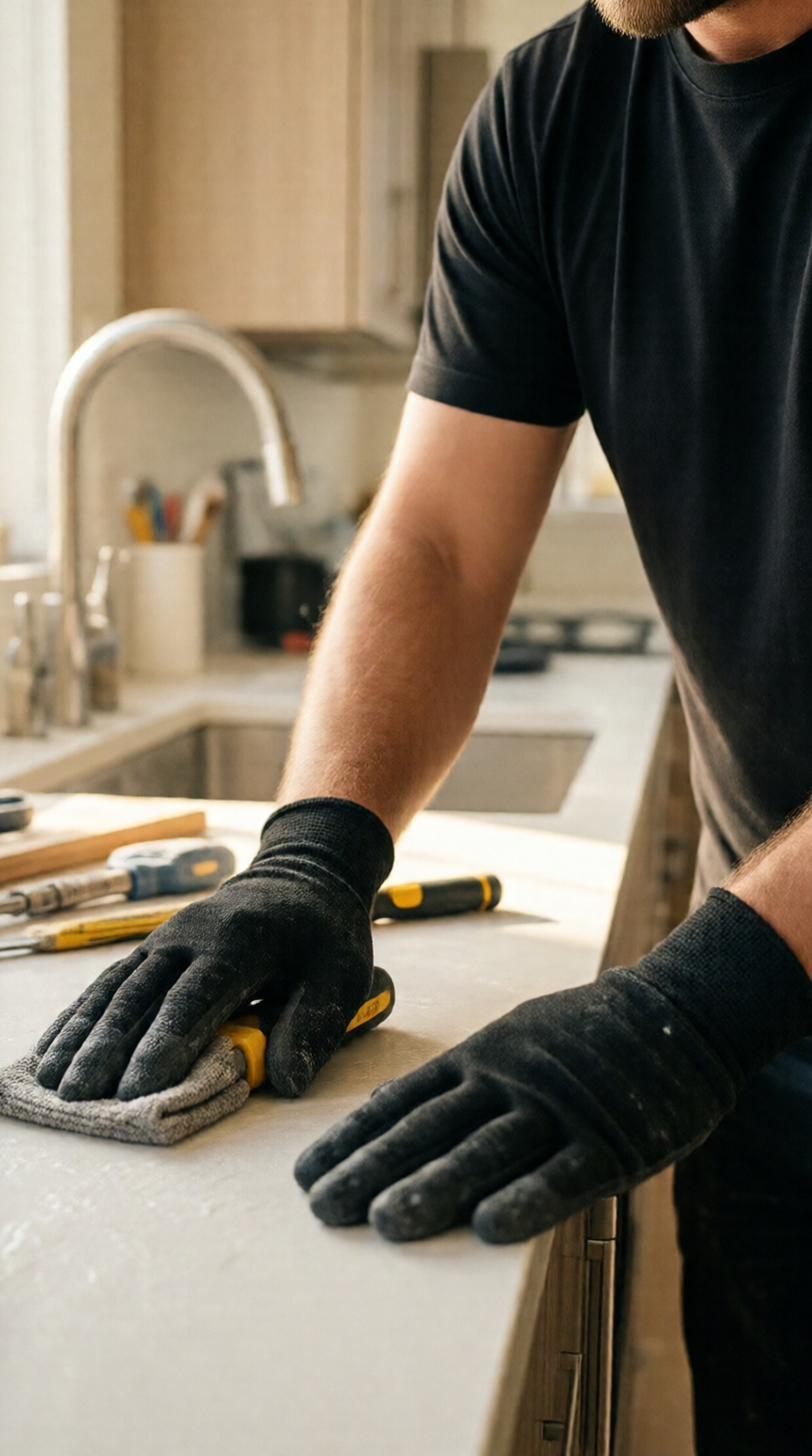
A soft brush and a simple baking soda paste lift most grout stains without harming the tile.
Products to Avoid on Natural Stone and Unsealed Grout
This is where most well-meaning cleaning goes wrong. Here is a quick comparison.
| Product | Ceramic/porcelain | Natural stone | Unsealed grout |
|---|---|---|---|
| pH-neutral cleaner | Safe | Safe | Safe |
| Baking soda paste | Safe with soft brush | Use cautiously, test first | Safe, gentle scrubbing |
| Vinegar or lemon juice | Occasional use only | Avoid; acid etches stone | Avoid; can erode grout over time |
| Bleach | Spot use, well ventilated | Avoid; can discolor | Can weaken and discolor |
| Hydrogen peroxide | Usually fine | Test first | Usually fine, spot use |
| Steel wool or wire brush | Avoid | Avoid | Avoid; gouges grout |
| Heavy acid descalers | Avoid unless label allows | Avoid | Avoid |
Why vinegar is a common trap: It's popular online, but acids dissolve the calcium in marble, travertine, and limestone, leaving dull, etched spots. They can also slowly break down cement grout.
Why steel brushes backfire: They scratch glazed tile and roughen grout, which then traps even more dirt.
If a product label says "not for natural stone," believe it.
Tackling Mold, Mildew, and Hard Water Buildup
Bathrooms in Los Angeles often deal with hard water spots more than heavy humidity, but shower corners and poorly ventilated rooms can still grow mildew.
For light mildew: Scrub with the baking soda paste, rinse, and dry fully. Improve airflow by running the fan during and after showers.
For hard water film on glass or ceramic: A dedicated, label-approved descaler can help, but only on surfaces the label lists. Keep it away from stone and unsealed grout, and rinse well.
Moisture is the root cause. The EPA's guidance on mold says controlling moisture is the key to controlling mold. Fix slow leaks, dry wet areas promptly, and keep the room ventilated.
If dark growth keeps returning, covers a large area, or sits on soft or crumbling material, cleaning the surface may not be enough. Hidden moisture behind the tile is a possibility worth checking.
Seal and Maintain So You Clean Less
Once grout is clean and fully dry, sealing helps it resist stains. Cementitious grout and natural stone typically benefit from a penetrating sealer. Follow the manufacturer's directions on drying time before the area gets wet.
Simple upkeep habits:
- Squeegee shower walls after use.
- Run the exhaust fan during and after showers.
- Wipe kitchen backsplashes and floors promptly after spills, especially oil, wine, and coffee.
- Use a pH-neutral cleaner for routine mopping.
- Place mats at entries to reduce grit.
- Re-check sealing with the water-drop test once a year.

Water beading on sealed grout is a good sign the surface is protected.
When to Call a Pro
Plenty of grout and tile cleaning is a fine DIY weekend task. But some situations are better handled by someone with the right tools and experience.
Consider help when:
- You have natural stone and aren't sure what's safe.
- Grout is cracked, crumbling, or missing. Cleaning won't fix that; it needs repair or regrouting.
- Tiles are loose or sound hollow when tapped, which can point to moisture problems underneath.
- Stains have set deeply after several careful attempts.
- You have a large area, such as a whole kitchen floor, and want even results.
- Mold keeps returning, which may signal a leak or ventilation issue.
A professional cleaning service can take on deep cleaning, and a handyman can handle small grout repairs and resealing. If you're not sure what you're dealing with, you can send a photo for a written quote and describe the surface and the problem.
For any larger project that involves hiring a contractor, the California Contractors State License Board offers consumer guidance on how to hire, listed in the sources below.
FAQ
Can I use vinegar to clean grout?
On ceramic or porcelain tile, occasional diluted use is sometimes fine, but it can wear down cement grout over time. Never use it on marble, travertine, or limestone, because acid etches stone.
Is bleach safe for cleaning grout?
It can lighten stains, but it may discolor or weaken some grout and should never be mixed with other cleaners. Ventilate well, rinse thoroughly, and try gentler options first.
Why does my grout get dirty again so fast?
Unsealed cement grout is porous, so it absorbs moisture and grime. Leftover cleaner residue and poor drying also attract dirt. Rinsing well, drying, and sealing help.
How do I know if my grout is sealed?
Drop a little water on a clean, dry grout line. If it soaks in and darkens the grout, it likely needs sealing. If it beads up, it still has protection.
Can I use a steam cleaner on tile and grout?
Steam can work on sealed ceramic and porcelain, but heat and moisture can harm some stone, unsealed grout, and sealers. Check the manufacturer's guidance and test a small area first.
Sources
- U.S. EPA: A Brief Guide to Mold, Moisture, and Your Home
- U.S. EPA: Mold
- U.S. EPA: The Inside Story, A Guide to Indoor Air Quality
- California CSLB: Hire a Contractor
STATOX Handyman Service · Send a photo · +1 (820) 200-4919
Keep reading
 cleaningCalabasas Hillside Homes: Cleaning Up Dust, Ash and PollenHouse cleaning Calabasas homeowners can use after dust, ash and pollen season: room-by-room steps, tool tips, and when to bring in help. Read before you scrub.
 cleaningCleaning Older Cheviot Hills Homes: Plaster and HardwoodHouse cleaning Cheviot Hills homeowners can trust for plaster walls and old hardwood floors: what to use, what to skip, and why it matters. Read before you scrub.
 cleaningDeep Cleaning Prep Checklist: Before the Crew ArrivesUse this deep cleaning checklist to get your Los Angeles home ready before the crew arrives, so every hour goes to actual cleaning. Worth a quick read.