Keeping Your Home Clean in LA Dust and Santa Ana Winds
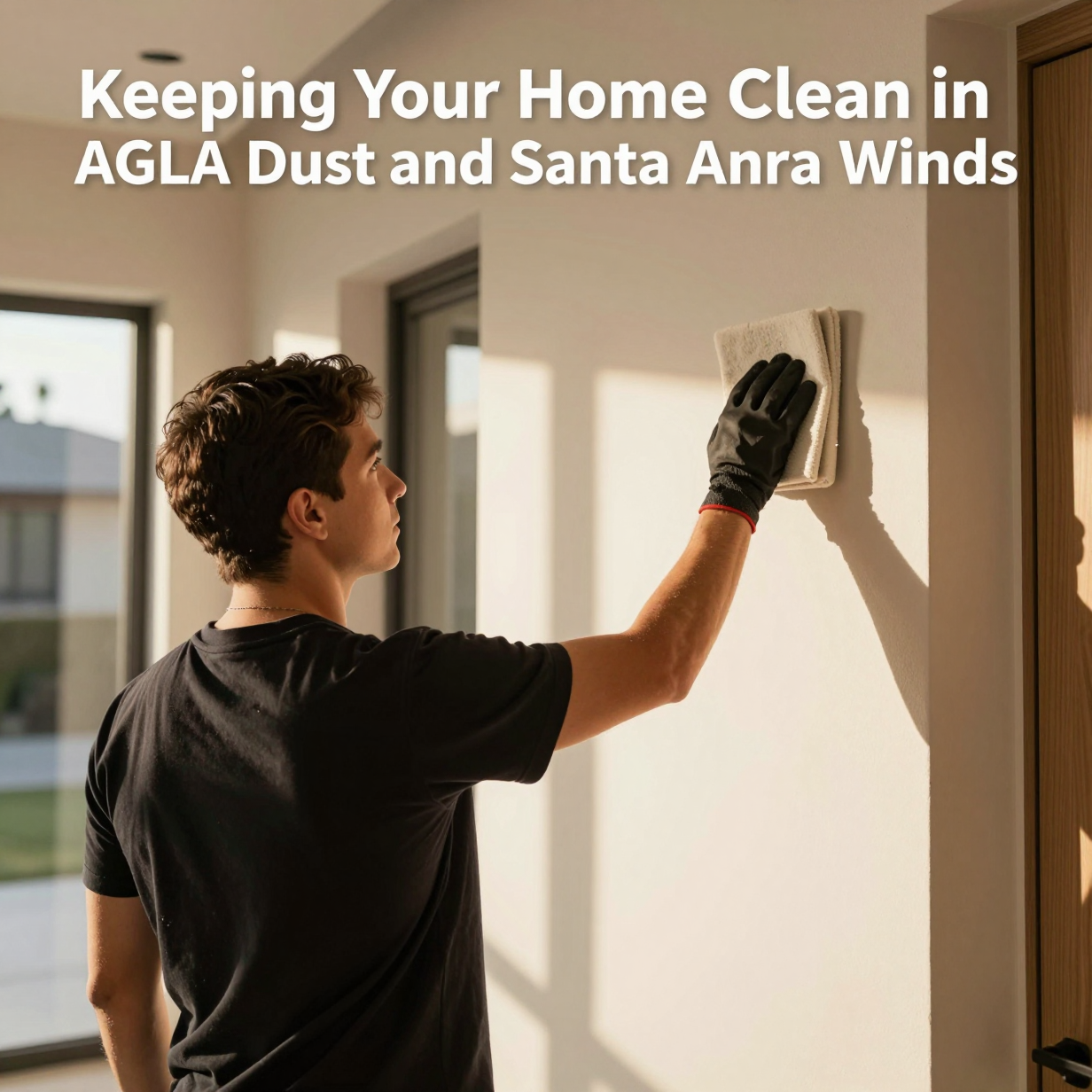
If you want to know how to keep house clean dust Los Angeles style, start at the openings, not the surfaces. Block the places dust enters (window and door gaps, vents, and shoes), then clean from high to low with damp cloths and a vacuum that traps fine particles. Do a short reset after every windy spell instead of waiting for a big weekend clean.
Why LA Homes Get So Dusty
Los Angeles is dry for much of the year, and our soil, freeway traffic, construction, and dry hillsides all add fine particles to the air. When Santa Ana winds blow, they push that dust, plus ash, pollen, and plant debris, across the basin and into every small gap in a house.
Older homes feel it most. Single-pane windows, worn weatherstripping, gaps under doors, and loose attic or crawlspace vents all let air through. Dust doesn't need a big opening. A hairline gap is enough.
Two things make it worse:
- Dry air. Dust stays airborne longer and sticks to surfaces with static.
- Open-window habits. A cool evening breeze feels great, but on a windy day it brings in a film of grit.
Stop Dust at the Door and Window
Cleaning is easier when less comes in. Spend an hour on these entry points before wind season and you'll notice the difference on your shelves.
Quick-win checklist
- Check window seals. Close each window, run your hand around the frame on a breezy day, and feel for moving air.
- Replace worn weatherstripping on doors and operable windows. Look for cracked, flattened, or missing strips.
- Add or replace door sweeps. If you can see daylight under a door, dust can get in.
- Caulk stationary gaps where trim meets siding, or around window frames, with a paintable exterior-grade caulk.
- Check the HVAC filter. A clogged filter can't catch much. Follow the size and rating your system calls for.
- Set up a shoe spot at the entry with a sturdy mat outside and a tray inside.
- Keep windows shut on wind advisory days, and use fans or A/C if you need airflow.
Don't forget less obvious paths: dryer vents with a stuck flap, kitchen exhaust dampers, and gaps around pipes where they pass through exterior walls. A small gap there can bring in more than a window does.
A Cleaning Order That Actually Works
Most dust problems are really order-of-operations problems. Wiping a table and then vacuuming the ceiling corner just puts dust back on the table.
The high-to-low routine
- Ceiling corners, fan blades, and light fixtures. Use a long-handled duster or a slightly damp microfiber cloth. Fold the cloth around a fan blade so dust is trapped instead of flung.
- Shelves, frames, and window sills. Wipe with a damp cloth. Dry dusters mostly move particles around.
- Blinds and window tracks. Vacuum tracks with a brush attachment first, then wipe with a damp cloth.
- Vents and registers. Vacuum the faces, then wipe them down.
- Furniture and upholstery. Use a soft brush attachment.
- Floors last. Vacuum slowly, then mop hard floors with a lightly damp mop.
A vacuum with a sealed system and a good filter keeps fine dust from blowing back out the exhaust. If your vacuum smells dusty when it runs, check the filter and empty the bin outdoors.

Damp cloth first, vacuum tracks and edges, then floors last.
A Simple Wind-Season Rhythm
You don't need a heavy schedule. You need a few small habits that match the weather. Here's how the effort shifts between calm days and windy ones.
| Situation | What to do | Why it helps |
|---|---|---|
| Calm, clear days | Open windows briefly in the morning, then close them | Fresh air without a long dust window |
| Wind advisory day | Keep windows shut; run A/C or fans on recirculate | Cuts down on the grit that blows in |
| Day after strong wind | Wipe sills, door thresholds, and entry floors | Catches the heaviest layer before it spreads |
| Weekly | Vacuum floors and upholstery; damp-wipe surfaces | Prevents buildup that gets airborne |
| Monthly | Check the HVAC filter and wash bedding and curtains | Keeps the recirculated air cleaner |
| Seasonally | Inspect seals, sweeps, and vent covers | Fixes the cause instead of the symptom |
Washable textiles matter more than most people think. Curtains, throw blankets, and rugs hold dust and release it when you walk past. Washing them on a regular schedule helps the whole room feel cleaner.
Don't Forget the Outside and the Hidden Spots
Dust doesn't only settle indoors. Patios, window exteriors, screens, and gutters collect it, and the next gust carries some of it right back to your door.
- Rinse or sweep patios and entry paths so you don't track the buildup inside. If water restrictions apply where you live, a broom or damp mop is the better choice.
- Brush off window screens with a soft brush, then rinse them gently.
- Wipe exterior window sills and door frames.
- Check the garage door seal if your garage connects to the house. Dust and debris can come through the door between rooms.
- Look at attic and crawlspace vents for torn screens or loose covers.
Inside, give extra attention to places that rarely get touched: the tops of cabinets and refrigerators, behind appliances, under beds, and inside closets. These collect a slow layer that gets stirred up every time you open a door.
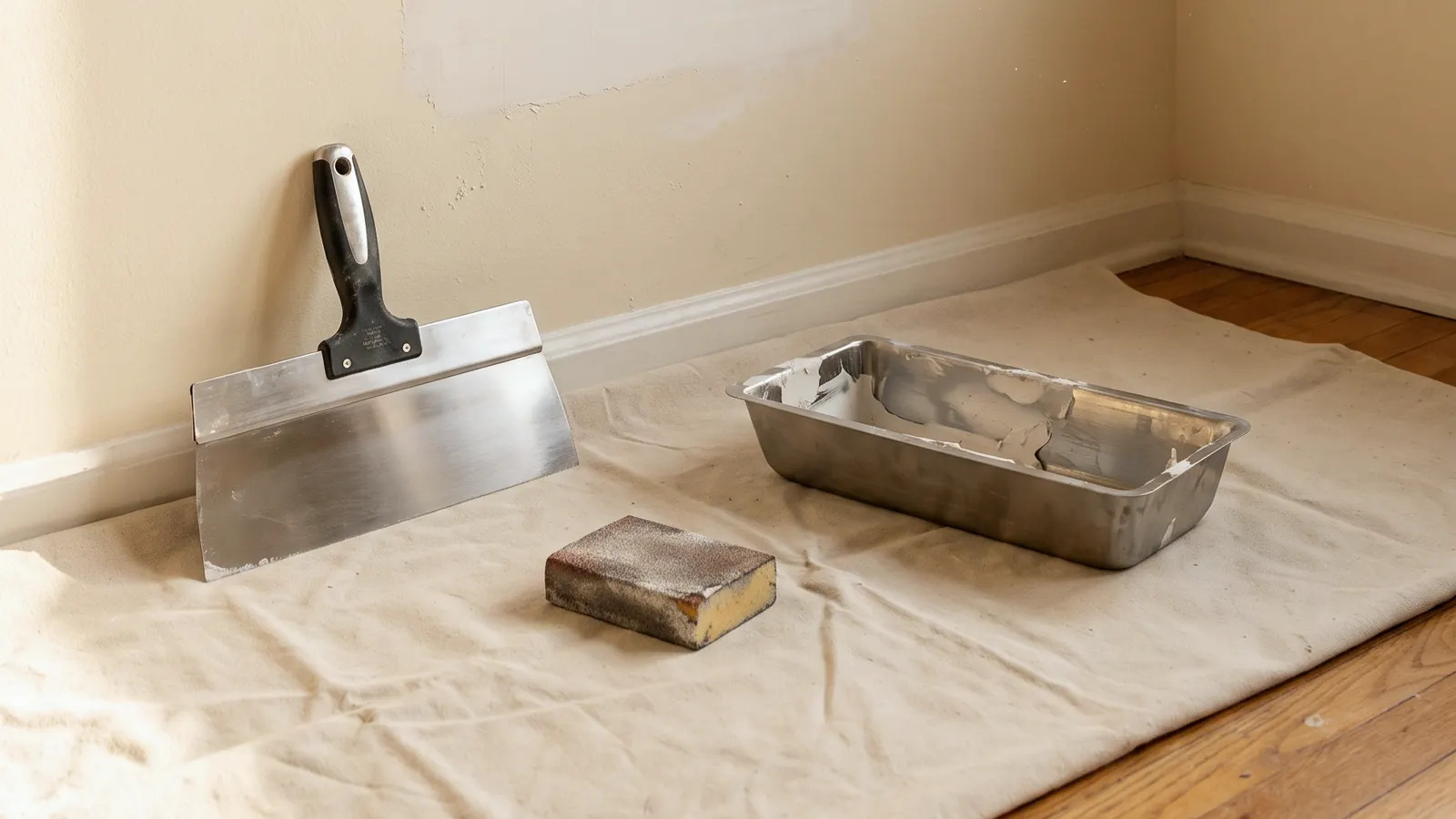
Fresh weatherstripping closes the small gaps that let wind-blown dust in.
Air Quality, Moisture, and Cleaning Products
Dusty air and indoor air quality go together. The EPA's indoor air quality guide explains that what you do inside your home affects what you breathe, including how you clean and ventilate.
A few practical points:
- Choose simple cleaners. Many sprays and scented products release volatile organic compounds (VOCs). The EPA covers how these affect indoor air, so use products as directed and ventilate when you can. On windy days, ventilate by running a bathroom or kitchen fan rather than opening windows wide.
- Watch for moisture. Damp cloths are great for dust, but don't leave wet spots on wood, grout, or carpet edges. The EPA's mold resources stress controlling moisture, so dry surfaces after you wipe.
- Skip dry sweeping and feather dusters when possible. They launch particles into the air.
If someone in your home has allergies or asthma, ask a healthcare provider what's right for them. Cleaning habits help, but they're not a substitute for medical advice.
When to Call a Pro
Plenty of dust control is easy DIY: wiping, vacuuming, swapping a filter, and replacing a door sweep. You'll get most of the benefit from those basics.
Consider help when:
- The job is high or awkward. Tall ceilings, vaulted rooms, and hard-to-reach fixtures are tricky and risky on a ladder.
- Dust keeps coming back fast even after you've sealed the obvious gaps. That can point to problems with windows, vents, or ductwork that need a closer look.
- You've had a big wind event and need a deeper reset in a short window, such as before guests or a move.
- Repairs are part of the fix. Re-caulking, replacing weatherstripping on many openings, or adjusting doors that no longer close tightly can be time-consuming.
- You see signs of moisture or mold. Don't just wipe it. The EPA's mold guidance is a good place to learn what's manageable at home and what's not.
If you'd like a hand, our cleaning service covers the deep-clean side, and we can also help with small repairs that close up gaps. Not sure what you need? You can send a photo for a written quote and we'll tell you what we see.
When hiring anyone for home work, the California Contractors State License Board has consumer guidance on how to hire a contractor. It's worth a read before you commit to bigger projects.
FAQ
How often should I dust during Santa Ana wind season?
A light damp-wipe of sills, entry areas, and floors after each windy spell, plus your normal weekly routine, is a sensible rhythm. Adjust based on how much you see building up.
Should I open windows when it's windy?
Usually not. Wind carries dust and debris straight in. Keep windows closed on windy days and use A/C, fans, or exhaust fans for airflow instead.
Is a damp cloth really better than a dry duster?
Generally yes. Damp microfiber traps particles rather than spreading them back into the air. Just avoid soaking surfaces, and dry any wet spots afterward.
Will a new air filter fix my dust problem?
It helps, but it's only one piece. A fresh, properly sized filter catches more particles from recirculated air, yet dust still enters through gaps. Sealing openings and cleaning in the right order matter just as much.
What's the first thing to fix if my house is always dusty?
Check the doors and windows. Worn weatherstripping and missing door sweeps are common and fairly simple to address, and they cut down the dust at its source.
Sources
- EPA: Inside Story, A Guide to Indoor Air Quality
- EPA: Volatile Organic Compounds' Impact on Indoor Air Quality
- EPA: A Brief Guide to Mold, Moisture, and Your Home
- CSLB: Hire a Contractor
STATOX Handyman Service · Send a photo · +1 (820) 200-4919
Keep reading
 cleaningCalabasas Hillside Homes: Cleaning Up Dust, Ash and PollenHouse cleaning Calabasas homeowners can use after dust, ash and pollen season: room-by-room steps, tool tips, and when to bring in help. Read before you scrub.
 cleaningCleaning Older Cheviot Hills Homes: Plaster and HardwoodHouse cleaning Cheviot Hills homeowners can trust for plaster walls and old hardwood floors: what to use, what to skip, and why it matters. Read before you scrub.
 cleaningDeep Cleaning Prep Checklist: Before the Crew ArrivesUse this deep cleaning checklist to get your Los Angeles home ready before the crew arrives, so every hour goes to actual cleaning. Worth a quick read.