Move-Out Cleaning Checklist for Los Angeles Renters
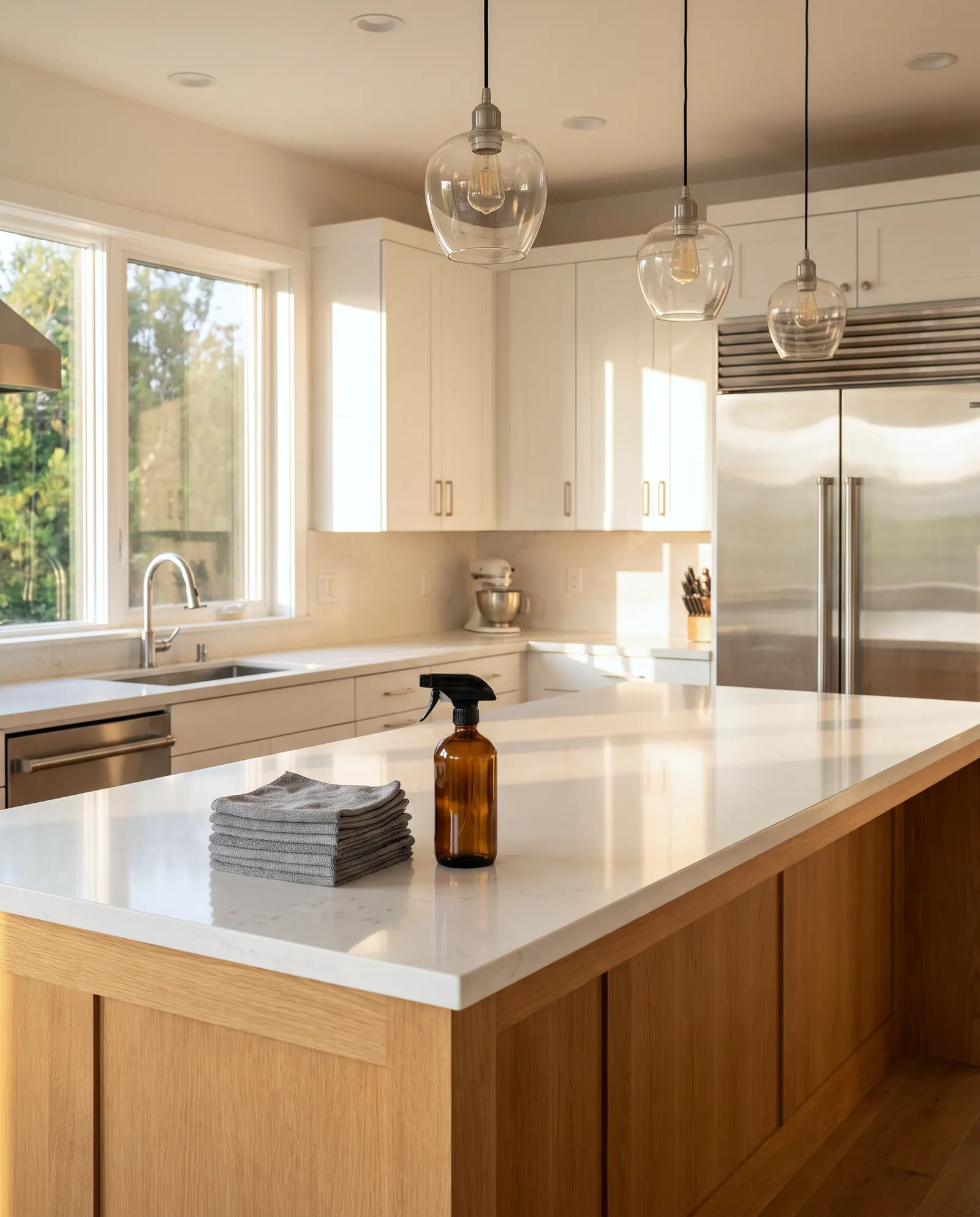
A reliable move out cleaning checklist Los Angeles renters can follow is simple: clean room by room, start at the top and work down, and finish with floors and a photo walkthrough. Focus on the places landlords check first: the kitchen, bathrooms, floors, and anything that looks different from your move-in condition. Do it after your furniture is out, so you can reach every surface.
Know What "Clean" Means for Your Lease
Before you pick up a sponge, read your lease and any move-in inspection form. Your landlord will compare the unit to how it was when you arrived, and ordinary wear and tear is different from damage or dirt.
In general, a unit is expected to be returned reasonably clean. Faded paint from sunlight or light carpet wear from years of living is normal aging. Grease on the stove, soap scum in the shower, or stains on the carpet are cleaning issues.
For California rules on tenant rights and housing, the state's Department of Housing and Community Development is a good starting point (see Sources).
Do this first:
- Find your move-in photos or checklist.
- Read the cleaning and move-out clauses in your lease.
- Note any damage that was already there when you moved in.
- Ask your landlord or property manager what they expect, ideally in writing.
Gather Supplies and Plan Your Order
Having everything on hand keeps you from stopping halfway through. Most of what you need is basic.
Supplies list:
- Microfiber cloths and a few sponges
- All-purpose cleaner and glass cleaner
- Degreaser for the stove and range hood
- Bathroom cleaner and a scrub brush
- Old toothbrush for grout and tight corners
- Magic-style eraser pads for scuffs
- Vacuum, mop, and a bucket
- Trash bags and rubber gloves
- Step stool for high shelves and light fixtures
Work from the top of each room to the bottom. Dust and debris fall, so ceiling fans, light fixtures, and shelves come before baseboards and floors. Work from the back of the unit toward the front door so you never walk over a freshly cleaned floor.
Open windows while you work and use products as directed. The EPA has helpful guidance on indoor air quality and the fumes some cleaning products release (see Sources).
Kitchen: The Room Landlords Check Closely
The kitchen usually takes the most time. Give it a full block of your day.
Kitchen checklist:
- Empty all cabinets and drawers, wipe the inside, and wipe the fronts
- Clean the stovetop, drip pans, knobs, and the area underneath if it lifts
- Degrease the range hood and replace or clean the filter
- Clean the oven interior and racks
- Empty, wipe, and prop open the refrigerator and freezer; clean door seals and shelves
- Wipe the dishwasher interior, door edges, and filter
- Scrub the sink and faucet; remove water spots
- Clean the microwave inside and out if it belongs to the unit
- Wipe countertops, backsplash, and switch plates
- Sweep and mop the floor, including under where the fridge sat if you can reach it
Turn off and unplug the refrigerator a day ahead if you are the last one using it, and leave a towel at the base to catch water.
Bathrooms: Soap Scum, Grout, and Fixtures
Bathrooms show neglect quickly, and Los Angeles hard water leaves mineral spots on glass and chrome. A little patience goes a long way.
Bathroom checklist:
- Scrub the tub, shower walls, and glass door; treat soap scum and hard water spots
- Clean grout lines with a brush
- Descale the showerhead and faucets
- Clean the toilet inside, outside, base, and behind the seat hinges
- Wipe the vanity, sink, mirror, and medicine cabinet
- Clean exhaust fan covers
- Wipe the walls near the shower for splashes
- Mop the floor and corners
If you see dark, fuzzy growth on walls or caulk, that may be mold. Surface cleaning is fine for small spots, but the EPA's guidance on mold and moisture explains when a problem is bigger than a cleaning job. Let your landlord know about moisture issues rather than painting over them.

Bathrooms and kitchens deserve the most time, since they are checked first.
Bedrooms, Living Areas, Floors, and Walls
Once the wet rooms are done, move through the rest of the unit.
Every other room:
- Dust ceiling fans, vents, light fixtures, and the tops of door frames
- Wipe baseboards, window sills, and window tracks
- Clean interior windows and screens
- Wipe closet shelves and rods
- Spot-clean scuffs on walls with a gentle cleaner or eraser pad
- Wipe doors, handles, and light switches
- Replace burned-out bulbs with the same type you found
- Vacuum carpets slowly, in two directions
- Sweep and mop hard floors
Remove nails, anchors, and adhesive hooks carefully. Small holes may be fine as wear and tear in many cases, but ask your landlord what they expect before filling or painting anything yourself.
Floor types at a glance:
| Floor type | Recommended approach | Avoid |
|---|---|---|
| Carpet | Vacuum thoroughly, spot-treat stains early | Soaking the carpet with water |
| Hardwood | Dry dust mop, lightly damp mop | Excess water or harsh chemicals |
| Tile | Mop, scrub grout with a brush | Abrasive pads on glazed tile |
| Vinyl or laminate | Damp mop with mild cleaner | Steam on seams |
Balcony, Garage, and the Final Walkthrough
Los Angeles units often come with outdoor spaces that renters forget about.
Outdoor and storage areas:
- Sweep the balcony or patio and wipe railings
- Remove plants, mats, and anything that does not belong to the unit
- Clear the garage or storage space and sweep the floor
- Check for oil stains on parking spots and treat if possible
- Empty all trash and recycling, and arrange bulk item pickup ahead of time if you have furniture to discard
Then do your final pass:
- Walk through every room with a flashlight and check corners and edges.
- Take dated photos or video of each room, including inside appliances and closets.
- Test that lights, faucets, and appliances work and note anything broken.
- Return all keys and remotes as your lease requires.
- Keep your photos, and ask for a walkthrough with your landlord if possible.
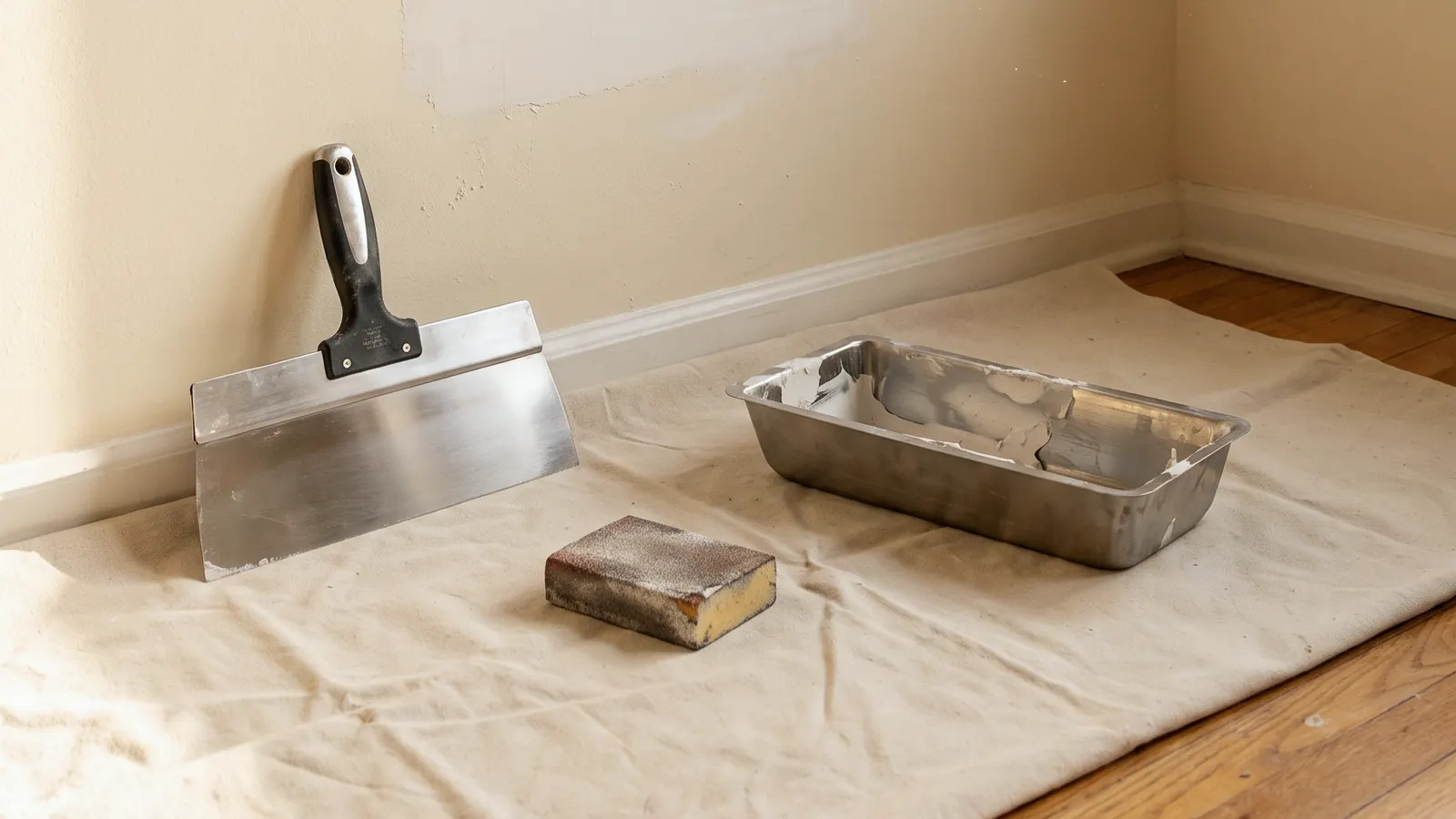
Photos taken at the end of your cleaning are a strong record of the unit's condition.
When to Call a Pro
Plenty of renters handle move-out cleaning on their own, and for a small, well-kept unit that is a reasonable choice. DIY makes sense when you have time, the unit is in decent shape, and you are comfortable with ladders and degreasers.
Consider help when:
- You are moving between leases on a tight schedule
- The oven, grout, or carpets have heavy buildup
- Hard water stains have etched glass or fixtures
- You have a large unit and limited hours
- Repairs such as caulking, patching, or fixture touch-ups are also on your list
Our cleaning service can cover the full list or just the hardest rooms. If you are not sure what the unit needs, you can send a photo for a written quote and we will tell you what we see.
For anything involving contractor work, the state's consumer resources explain how to hire carefully (see Sources).
FAQ
When should I start move-out cleaning?
Begin once most of your belongings are packed, but before the final day. Cleaning an empty unit is much easier, so aim to finish packing a day or so ahead and leave time for the walkthrough.
Do I have to clean carpets before I move out?
Check your lease. Many leases ask that carpets be returned in a clean condition, apart from normal wear. Vacuum well and treat visible stains early; ask your landlord what they expect.
Can my landlord charge me for normal wear and tear?
Generally, normal wear and tear is not the tenant's responsibility, while damage and excess dirt can be. The California Department of Housing and Community Development and the Department of Consumer Affairs offer tenant and consumer information if you have a dispute.
What do landlords look at first?
Kitchens, bathrooms, floors, and appliances usually get the closest attention. Oven interiors, refrigerator shelves, shower glass, and toilets are common trouble spots.
Should I take photos after cleaning?
Yes. Date-stamped photos or video of every room, closet, and appliance help you document the condition you left behind if questions come up later.
Sources
- California Department of Housing and Community Development
- California Department of Consumer Affairs
- EPA: A Brief Guide to Mold, Moisture, and Your Home
- EPA: Volatile Organic Compounds' Impact on Indoor Air Quality
STATOX Handyman Service · Send a photo · +1 (820) 200-4919
Keep reading
 cleaningCalabasas Hillside Homes: Cleaning Up Dust, Ash and PollenHouse cleaning Calabasas homeowners can use after dust, ash and pollen season: room-by-room steps, tool tips, and when to bring in help. Read before you scrub.
 cleaningCleaning Older Cheviot Hills Homes: Plaster and HardwoodHouse cleaning Cheviot Hills homeowners can trust for plaster walls and old hardwood floors: what to use, what to skip, and why it matters. Read before you scrub.
 cleaningDeep Cleaning Prep Checklist: Before the Crew ArrivesUse this deep cleaning checklist to get your Los Angeles home ready before the crew arrives, so every hour goes to actual cleaning. Worth a quick read.