Pacific Palisades Home Cleaning: Salt Air, Damp and Dust

Pacific Palisades house cleaning looks different from cleaning in the flatter parts of Los Angeles. Salt-laden marine air leaves a thin film on glass and metal, cool coastal evenings keep rooms damp, and dry canyon winds carry fine dust off the hillsides. A few steady routines, matched to each of these problems, will keep your home looking and smelling fresh without constant scrubbing.
This guide walks through those routines room by room and season by season. It also covers when a DIY approach is enough and when it makes sense to bring in help, whether you live near the bluffs or farther inland in Pacific Palisades.
Why Coastal Homes Need a Different Cleaning Routine
Living near the ocean changes what collects on your home. Salt particles drift inland on the breeze and settle on every exposed surface. Over days and weeks they form a film that makes windows look cloudy and gives metal fixtures a dull, pitted look.
Humidity is the second factor. Marine layers and cool nights mean moisture lingers longer indoors, especially in closed bathrooms, laundry rooms, and bedrooms with little airflow. The EPA explains that mold needs moisture to grow, and that controlling moisture is the most effective way to limit it. You can read more in the agency's brief guide to mold, moisture and your home.
The third factor is dust. Hillside soil, dry vegetation, and canyon winds push fine particles into open windows, under doors, and onto patios and entry mats. Dust that sits on surfaces can also be stirred back into the air you breathe, so it is worth managing on purpose.
Treat these three issues as a single routine rather than three separate chores. Most of the work happens in the same places: windows, door tracks, metal hardware, bathrooms, and floors near entries.
Cleaning Salt Film Off Windows and Metal Fixtures
Salt film is easiest to remove before it builds up. A light wipe every few weeks does more than a heavy scrub twice a year.
A simple routine for windows and glass:
- Rinse the glass with plain water to loosen grit and salt crystals.
- Mix a small amount of mild dish soap into a bucket of warm water.
- Wash with a soft microfiber cloth or sponge, working from top to bottom.
- Rinse with clean water to prevent streaks.
- Dry with a squeegee or lint-free towel, especially on the side facing the ocean.
For metal fixtures such as railings, gates, faucets, and hardware:
- Wipe with a damp cloth and mild soap about once a month.
- Dry the metal right away. Standing moisture speeds up corrosion.
- Check screws, hinges, and drain openings for crusty white or greenish residue, and clean them gently with a soft brush.
- Avoid abrasive pads on finishes, which can scratch the protective coating.
If you notice pitting, flaking, or residue that will not come off, the metal may need repair or replacement rather than more cleaning.
Dealing With Damp, Mildew Spots and Musty Odors
Coastal damp shows up first in the places that stay cool and closed. Look for dark speckles on grout, a musty smell in closets, or soft paint near window frames.
The EPA recommends fixing the moisture source first. Cleaning mold without addressing the water problem usually means it returns. For more on indoor air, see the agency's guide to indoor air quality.
Checklist for damp-prone rooms:
- Run bathroom exhaust fans during and for a while after showers.
- Open windows briefly on dry days to move air through the house.
- Keep closet doors slightly open and avoid packing closets tightly.
- Pull furniture a few inches away from exterior walls so air can circulate.
- Wipe down shower walls and tile after use, then leave the door or curtain open to dry.
- Check under sinks and behind toilets for slow leaks.
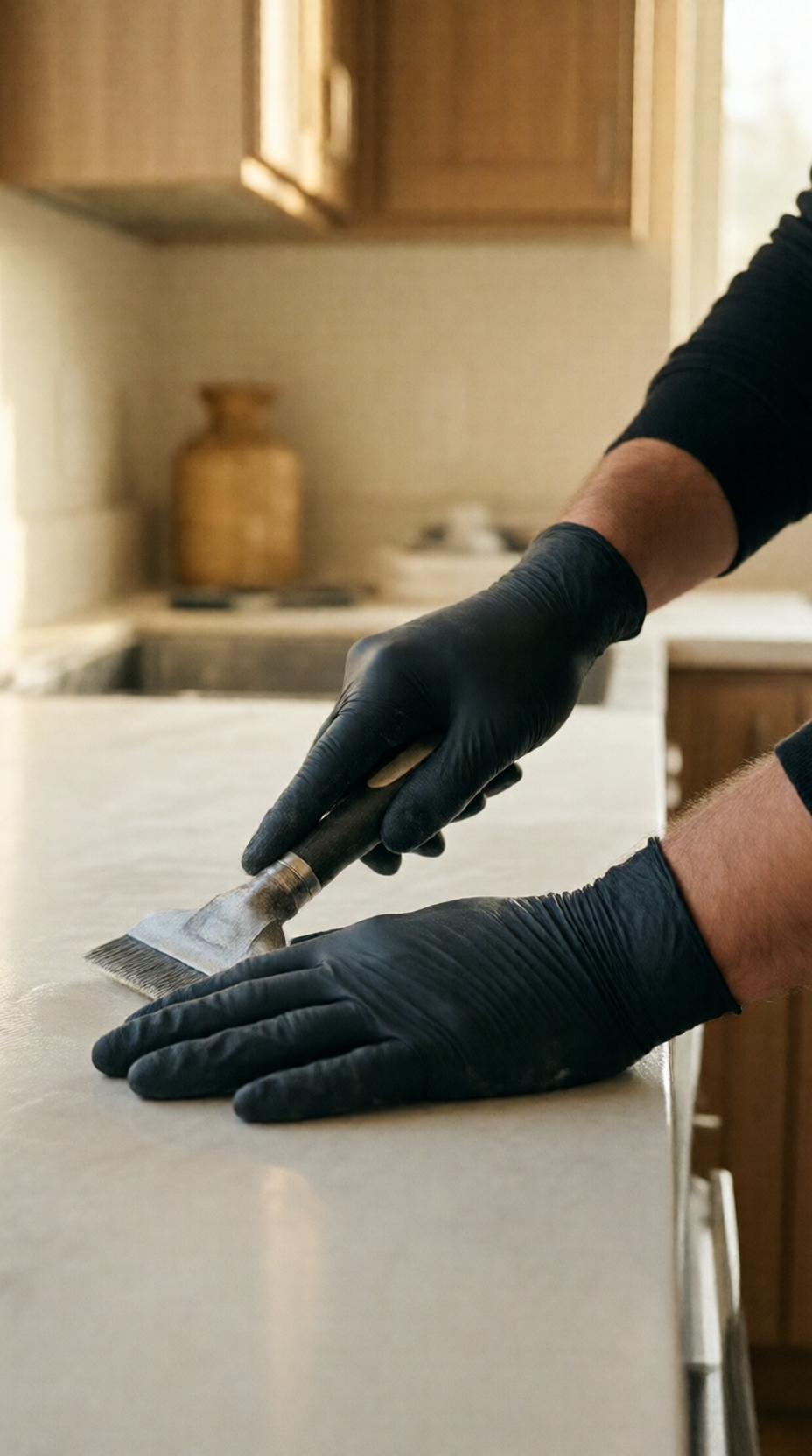
For small surface mildew spots on sealed tile, painted walls, or other hard surfaces, a mild detergent solution and a brush usually work. Wear gloves, keep the room ventilated, and dry the area completely afterward. Do not mix cleaning products together, since some combinations release harmful fumes.
Larger patches, mildew behind walls, or damp that keeps returning are a different matter. Those call for an inspection to find the source.
Controlling Hillside and Canyon Dust Indoors
Dust is a constant in many Palisades neighborhoods, especially during dry, windy stretches. A practical approach combines fewer entry points with regular cleaning of the surfaces where dust settles.
Comparison of common dust-control approaches:
| Approach | What it does | Ideal for | Effort level |
|---|---|---|---|
| Entry mats inside and outside doors | Traps grit before it spreads | Front and back doors | Low |
| Damp dusting with a microfiber cloth | Captures dust instead of pushing it around | Shelves, electronics, blinds | Low |
| Vacuuming with a HEPA-filter machine | Removes fine particles from floors and upholstery | Carpets, rugs, sofas | Medium |
| Closing windows on windy days | Limits new dust from entering | Whole house during wind events | Low |
| Changing HVAC filters on schedule | Reduces dust circulating through the system | Homes with forced-air heating or cooling | Low |
| Whole-home deep cleaning | Addresses buildup in vents, behind appliances, and high surfaces | Seasonal reset | High |
The EPA's guidance on volatile organic compounds and indoor air quality is a useful reference when choosing cleaning products, since many sprays and solvents add chemicals to indoor air. Choose fragrance-free, mild products where you can, and keep rooms ventilated while cleaning.

A Seasonal Cleaning Schedule for Pacific Palisades Homes
A schedule keeps the work manageable. Here is a sample rhythm that fits most coastal homes.
Weekly - Damp dust hard surfaces and blinds. - Wipe bathroom surfaces and check for damp spots. - Clean entry mats and shake out outdoor rugs.
Monthly - Wash interior and exterior window glass, especially on the ocean side. - Wipe metal fixtures, railings, and door hardware. - Vacuum upholstery and wash washable rugs. - Check weatherstripping and door sweeps.
Seasonally - Clean ceiling fans, vent covers, and light fixtures. - Inspect caulking around tubs, sinks, and window frames. - Replace HVAC filters as the manufacturer recommends. - Clean gutters and check for debris that holds moisture.
Adjust the schedule after windy spells or long stretches of marine layer. A single well-timed wipe-down can prevent a bigger job later.
When to Call a Pro
Many Palisades homeowners can handle routine salt, dust, and light mildew work themselves. The routines above are designed for that.
Consider bringing in help when:
- Mold covers a large area, or you find it behind walls, under flooring, or in ductwork.
- You notice a musty smell that does not go away after cleaning and ventilating.
- Metal fixtures show deep corrosion or structural weakness.
- You have health concerns and want the cause assessed before cleaning.
- Your schedule does not allow for regular upkeep.
A cleaning service can keep up with the routine work, from window and fixture care to floors and dust control. For moisture problems that involve repairs, the California Department of Consumer Affairs offers general consumer information at its website, and the Contractors State License Board publishes guidance on hiring a contractor. If a project involves permits, the City of Los Angeles Department of Building and Safety lists permit and inspection information.
If you are not sure what your home needs, you can send a photo for a written quote and describe the areas that concern you. Working from photos gives a clearer picture before any visit.
FAQ
How often should I clean salt film off my windows in Pacific Palisades?
Most homes near the coast benefit from a light wash every four to six weeks. Windows facing the ocean usually need more frequent attention. Rinsing with plain water between washes helps prevent buildup.
Can I use vinegar on metal fixtures near the ocean?
Mild dish soap and water is the safer first choice. Vinegar can dull some metal finishes over time, so test any cleaner on a small hidden area first and rinse thoroughly.
Is mildew on bathroom grout a health concern?
Small surface spots can usually be cleaned with a mild detergent and good ventilation. The EPA notes that controlling moisture is the key step, so fixing the source matters more than the cleaning itself. Larger or recurring growth deserves a closer look.
How do I keep hillside dust out of my house during windy days?
Keep windows and doors closed when winds are strong, use entry mats, and change HVAC filters on schedule. Damp dusting captures particles better than dry dusting, which mostly moves them around.
Do I need to hire someone for coastal cleaning?
Routine salt, dust, and surface mildew work is within reach for most homeowners. Larger mold problems, hidden moisture, or significant metal damage are better handled after an assessment, and a cleaning service can help with ongoing upkeep.
Sources
- EPA: A Brief Guide to Mold, Moisture and Your Home
- EPA: The Inside Story: A Guide to Indoor Air Quality
- EPA: Volatile Organic Compounds' Impact on Indoor Air Quality
- CSLB: Hire A Contractor
Safety note: work on electrical panels, gas, structure or anything that needs a permit should be done by a licensed contractor with the required permits.
STATOX Handyman Service · Send a photo · +1 (820) 200-4919
Keep reading
 cleaningCalabasas Hillside Homes: Cleaning Up Dust, Ash and PollenHouse cleaning Calabasas homeowners can use after dust, ash and pollen season: room-by-room steps, tool tips, and when to bring in help. Read before you scrub.
 cleaningCleaning Older Cheviot Hills Homes: Plaster and HardwoodHouse cleaning Cheviot Hills homeowners can trust for plaster walls and old hardwood floors: what to use, what to skip, and why it matters. Read before you scrub.
 cleaningDeep Cleaning Prep Checklist: Before the Crew ArrivesUse this deep cleaning checklist to get your Los Angeles home ready before the crew arrives, so every hour goes to actual cleaning. Worth a quick read.