Plumbing Fixes in Hidden Hills: Hillside and HOA Tips
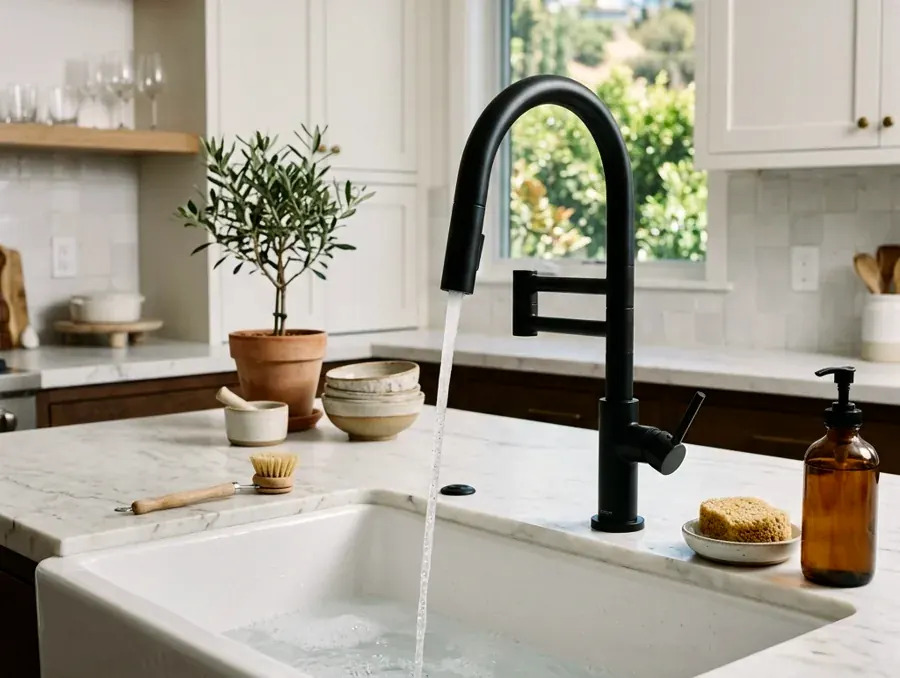
Most plumbing fixes in Hidden Hills, CA start the same way: a drip, a slow drain, or a damp spot you notice before you understand why. Small repairs like faucets, toilets, supply lines, and shutoff valves are often straightforward. On sloped lots and in gated communities with HOA rules, though, a little planning around access, noise, water pressure, and approvals saves a lot of frustration.
This guide covers what's different about plumbing in Hidden Hills homes, how to check problems yourself, what your HOA may care about, and when to hand the job to a pro.
Why Hidden Hills plumbing has its own quirks
Hidden Hills is known for large lots, horse-friendly properties, and long driveways. Those features shape plumbing in ways a typical city house doesn't face.
- Long supply runs. A house set far back from the street can have a long run of pipe between the meter and the fixtures. Long runs can mean slower hot water and more places for a hidden leak.
- Slopes and grade changes. On hillside lots, water pressure can vary from one part of the property to another, and drainage lines rely on gravity more carefully.
- Larger homes, more fixtures. Multiple bathrooms, guest houses, outdoor kitchens, and pool bathrooms add valves, hose bibs, and supply lines that all age.
- Older additions. Remodels over the years often mean mixed pipe materials and shutoffs that nobody has labeled.
None of this makes repairs impossible. It just means a quick walk-through of the property before you start is worth the time.
Common plumbing fixes homeowners ask about
These are the everyday jobs that come up most in estate and hillside homes:
- Dripping or loose faucets and worn cartridges
- Running or weak-flushing toilets (flappers, fill valves, wax rings)
- Slow sink and tub drains
- Leaking braided supply lines and angle stops
- Showerheads with weak flow or leaky arms
- Outdoor hose bibs that drip or won't shut off
- Garbage disposal leaks and loose under-sink connections
Our plumbing fixes service covers this kind of repair work, and the same logic applies whether you tackle it yourself or bring someone in.
A note on water waste: the EPA's WaterSense program points out that household leaks add up, and it promotes an annual Fix a Leak Week to encourage homeowners to check fixtures. A toilet that runs quietly or a faucet that drips overnight is easy to ignore, so it's worth a regular check.
How to find a leak before it becomes damage
You don't need special tools for a first pass. Try this sequence:
- Check the meter. Turn off every fixture and appliance that uses water, then look at the meter's leak indicator or dial. If it keeps moving, water is going somewhere.
- Do the toilet dye test. Add a few drops of food coloring to the tank, wait without flushing, and look in the bowl. Color showing up means the flapper is leaking.
- Look under every sink. Touch the supply lines and the P-trap with a dry paper towel. Moisture shows up quickly.
- Inspect ceilings and walls below bathrooms. Stains, bubbling paint, or a musty smell are warning signs.
- Walk the exterior. Check hose bibs, irrigation connections, and any soft or unusually green patches near the foundation.
Moisture that lingers can lead to mold. The EPA's guidance on mold and moisture stresses that the key to controlling mold is controlling moisture, so fix the source and dry the area promptly.

A dry paper towel along supply lines and the trap is a simple way to catch slow leaks.
Hillside considerations: pressure, drainage, and access
Slope changes how you approach even small repairs.
Water pressure. Homes lower on a slope may see higher pressure, which can stress faucets, toilet fill valves, and supply lines. Homes higher up may notice weaker flow. If fixtures wear out faster than you'd expect, or showers feel inconsistent, mention it when you ask for help. A pressure gauge on a hose bib is an inexpensive way to get a reading.
Drainage. Gravity does the work in drain lines, so slow drains in one area can point to a partial blockage or a settled section of pipe rather than just a clogged trap. If one fixture is slow, it's usually local. If several are slow together, the problem is probably further down the line.
Access. Steep driveways, gates, and long walks from the street affect how tools and parts get to the work area. Plan ahead for parking, gate codes, and where water can be shut off.
Outdoor runoff. Water from a leaking hose bib or irrigation line on a slope can travel before it shows up. A wet spot downhill may be far from the actual source.
HOA and permit basics for plumbing work
Many Hidden Hills properties sit within community rules, and those rules can affect how and when repairs happen. Check your HOA documents or ask your management contact about:
- Work hours for contractors and vendors
- Gate access and vendor registration
- Noise or dust limits
- Exterior changes, including visible pipes, equipment, or yard work
- Water shutoff coordination if your property shares any lines
Beyond HOA rules, larger plumbing projects can require permits. For the City of Los Angeles, the Department of Building and Safety explains how permits and inspections work. Hidden Hills is its own city, so confirm which agency applies to your address before assuming. Simple repairs like replacing a faucet or a flapper typically don't involve the same process as relocating pipes or replacing a water heater.
| Task | Typical DIY comfort | Check HOA/permit first? |
|---|---|---|
| Replace a flapper or fill valve | High | Rarely |
| Swap a faucet or showerhead | Moderate | Rarely |
| Replace a supply line or angle stop | Moderate | Rarely |
| Fix a hose bib leak | Moderate | Sometimes, if exterior work is visible |
| Repair or reroute drain or supply piping | Low | Often |
| Replace a water heater | Low | Often |
When in doubt, a quick call to your HOA manager or the local building department costs nothing.
Replacing an old angle stop and supply line is a common small fix that prevents bigger leaks.
Easy upgrades that reduce leaks and waste
If you're already repairing a fixture, consider whether a WaterSense-labeled replacement makes sense. The EPA's WaterSense program labels toilets, bathroom faucets, and showerheads that meet its water-efficiency and performance criteria.
A few practical tips:
- Replace old rubber supply lines with braided ones when you're already under the sink.
- Label shutoff valves with tape or a tag so anyone in the house can find them in an emergency.
- Replace worn washers and cartridges rather than tightening a leaking faucet over and over.
- Use thread seal tape correctly, wrapping in the direction the fitting tightens.
You can learn more about local water supply and programs at LADWP if your service area applies.
When to call a pro
Plenty of plumbing jobs are fine for a confident homeowner. Some aren't. Here's an honest split.
Reasonable to try yourself: - Replacing a toilet flapper or fill valve - Swapping a showerhead or aerator - Clearing a simple sink clog with a plunger or hand snake - Replacing a faucet with matching connections
Better to hand off: - Any leak you can't trace or stop with the shutoff - Water stains spreading on ceilings or walls - Corroded, stuck, or crumbling shutoff valves (they can break when turned) - Repeated clogs across multiple fixtures - Low or inconsistent pressure throughout the house - Anything involving gas lines, water heaters, or opening walls
If you're unsure, take clear photos of the problem and the area around it. You can send a photo for a written quote and we'll tell you what we see. For work beyond a handyman's scope, a specialty trade may be required, and California's Contractors State License Board offers guidance on hiring a contractor and checking what a job requires.
Learn more about service in your neighborhood on our Hidden Hills page.
FAQ
How do I know if a leak is inside the wall?
Watch for water stains, bubbling paint, a musty smell, or a water meter that keeps moving when everything is off. Don't cut into walls on a guess. Photos help a pro decide the next step.
Do I need HOA approval for a plumbing repair?
Often not for interior fixture repairs, but exterior work, contractor access, and work hours may be covered by your community's rules. Check your governing documents or ask your manager.
Why is my hot water slow to arrive?
In larger homes with long pipe runs, hot water has farther to travel. A water heater far from the fixture is a common cause. Recirculation systems can help, but they are a bigger project.
Can I replace an angle stop myself?
It's doable if the valve turns freely and you can shut off water to the house. If the old valve is corroded or stuck, stop and call someone, since forcing it can cause a bigger leak.
What should I do first when a pipe is leaking?
Shut off the water at the nearest fixture valve or the main, open a faucet to relieve pressure, move belongings away, and take photos. Then arrange the repair.
Sources
- EPA WaterSense: Fix a Leak Week
- EPA: A Brief Guide to Mold, Moisture, and Your Home
- LADBS: Permits and Inspections
- CSLB: Hire a Contractor
Safety note: work on electrical panels, gas, structure or anything that needs a permit should be done by a licensed contractor with the required permits.
STATOX Handyman Service · Send a photo · +1 (820) 200-4919
Keep reading
 plumbing fixesDIY vs. Pro Plumbing Repairs: What to Handle YourselfDIY vs professional plumbing repair: learn which fixes are safe for a weekend and which need a pro, so you avoid a small drip becoming a big mess.
 plumbing fixesLeaky Faucet, Running Toilet, Slow Drain: Common FixesA practical leaky faucet running toilet slow drain fix guide for LA homeowners: what to check, what to try, and when to stop and call for help.
 plumbing fixesPlumbing Fixes in Encino: Older Homes, ADUs and Add-OnsLooking for plumbing fixes Encino CA homeowners can trust? Learn what older homes, ADUs and add-ons commonly need, and how to plan your repair.