Plumbing Repair Prep Checklist for Los Angeles Homeowners
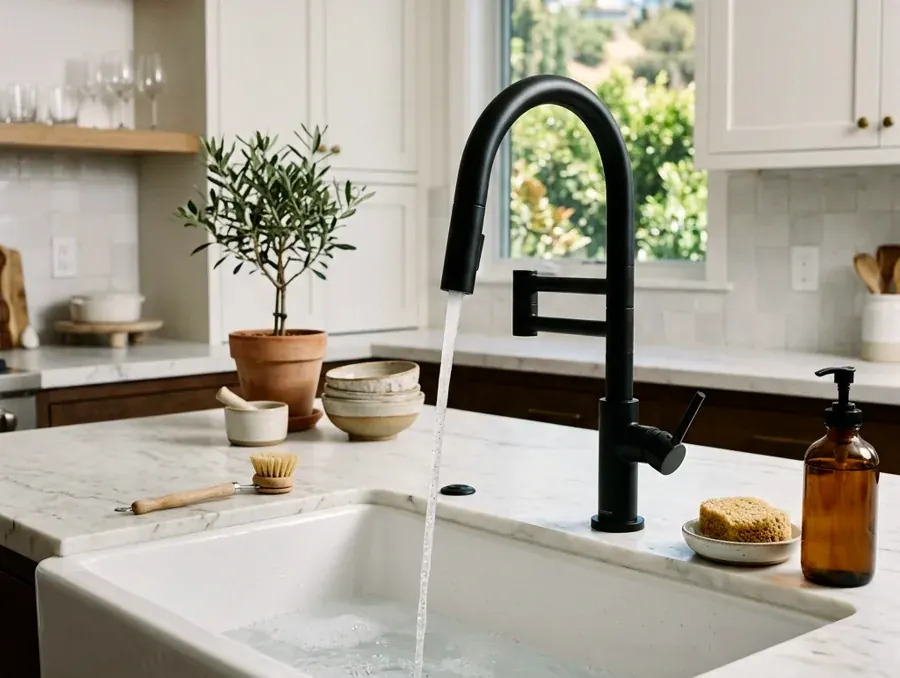
A good plumbing repair prep checklist comes down to five things: know where your shutoff valves are, clear the work area, document the problem with photos and notes, protect your floors, and plan for a short period without water. Do these before anyone arrives and the repair goes faster, costs you less frustration, and leaves fewer surprises.
This guide walks through each step with Los Angeles homes in mind, from 1920s bungalows with older galvanized lines to newer condos with shared walls and building rules.
Find and test your shutoff valves first
The single most useful thing you can do is know how to stop the water. Do it before you need it, because a valve you have never turned may be stuck.
Look for these three levels of shutoff:
- Fixture valves: the small oval or round handles under sinks and behind toilets.
- Main house valve: often near the water meter at the front of the property, on an exterior wall, or in a garage or utility area.
- Meter valve: at the street meter, usually in a ground box. This one typically belongs to the utility, so ask before using it. For account or service questions, start at LADWP.
Turn each fixture valve gently a quarter turn and back. If it will not move, or it weeps when you touch it, tell your plumber. A stuck or leaking valve changes the plan for the repair.
In condos and apartments, find out whether you have your own shutoff or whether the building must close a riser. Your HOA or property manager can tell you, and it often requires advance notice.
Document the problem before you touch anything
Clear information helps a pro diagnose faster. Spend ten minutes on this.
- Take photos of the leak, stain, fixture, and any visible pipes, valves, or labels.
- Write down the timeline: when it started, whether it is constant or only when something runs, and whether it is getting worse.
- Note sounds and smells: banging pipes, gurgling drains, a musty odor, or a sewer smell all point in different directions.
- Check other fixtures. Is only one sink slow, or is the whole house draining poorly?
- Mark stains on drywall or ceilings with a pencil line and the date, so you can see whether they spread.
If you want a written quote before scheduling, you can send a photo for a written quote along with your notes.

Clear photos and a few notes help a plumber understand the problem before the visit.
Clear and protect the work area
Plumbers work in tight, awkward spaces. Giving them room saves time and protects your belongings.
Under sinks and in cabinets: - Remove cleaning supplies, trash bins, and stored items. - Wipe out standing water so wood and particleboard can be inspected. - Leave the cabinet doors open to air out.
Around toilets and tubs: - Remove rugs, bath mats, and décor. - Clear a path of about three feet if you can.
Walls and access panels: - Move furniture away from the wall behind a tub, washer, or water heater. - Locate any access panel, crawlspace hatch, or attic opening and make sure it is reachable.
Floors and hallways: - Lay down towels or old sheets along the route from the front door to the work area. - Secure pets in another room. Open plumbing and curious animals do not mix.
Many LA homes have raised foundations with crawlspaces. If yours does, check that the hatch is not painted shut or blocked by storage.
Prep checklist by repair type
Different jobs need different prep. Use this table as a quick guide.
| Repair type | What to do beforehand | What to tell the plumber |
|---|---|---|
| Leaking faucet or supply line | Clear under-sink area, close fixture valve | Brand if known, how long it has dripped |
| Running or clogged toilet | Close the stop valve, avoid more flushing | Whether other drains are slow |
| Slow or clogged drain | Stop using the fixture, skip harsh chemicals | What went down it, how many drains are affected |
| Water heater issue | Clear a few feet around it, note its location and age label | Leaks, noises, temperature changes |
| Hidden or wall leak | Shut off water to the area, move furniture | Where stains appear, meter movement |
| Showerhead or valve work | Clear the tub or shower, remove products | Low pressure, temperature swings |
A word on chemical drain cleaners: they can irritate skin and damage some pipes, and they leave hazardous liquid sitting in the drain for the person who has to open it. If a drain is blocked, it is usually kinder to everyone to leave it alone and say what you tried.
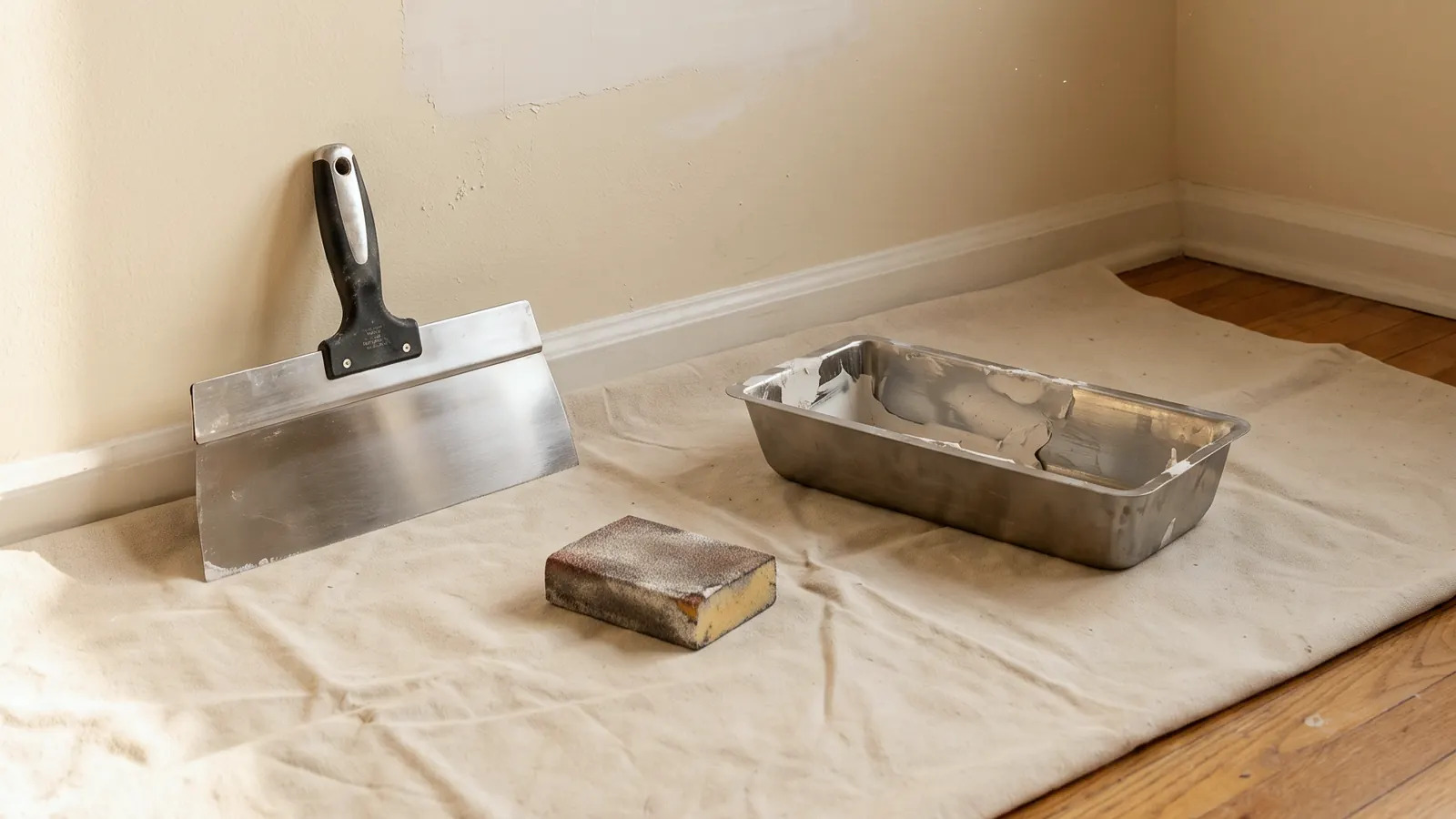
A cleared path and an open work area let the repair start right away.
Plan for water, access, and the household
A repair often means the water is off for a while. Plan around it.
- Fill a few containers for drinking, pets, and basic cleaning before the main is closed.
- Run your morning routine first: showers, dishes, laundry.
- Turn off the water heater if instructed, especially when the tank may be drained. Gas units have a control knob; electric units use a breaker. If you are unsure, ask rather than guess.
- Arrange access. Make sure someone over 18 can be home, and tell the plumber about gate codes, parking, or building rules.
- Check HOA or landlord rules for work hours, elevator reservations, and notice requirements, which are common in LA multi-unit buildings.
If the repair involves a leak, consider checking your water meter. With every fixture off, a moving meter dial can suggest a leak somewhere. The EPA's Fix a Leak Week page has general tips on finding household leaks.
Watch for moisture and mold after a leak
Water that has soaked into drywall, insulation, or cabinet bases can lead to mold if it stays damp. The EPA's brief guide to mold, moisture, and your home explains that controlling moisture is the key to controlling mold.
Before the visit: - Use towels to soak up standing water. - Run a fan and open a window if the area allows. - Do not cut into walls yourself unless you are sure where pipes and wires run. - Take photos of any discoloration or musty spots.
Tell the pro what you see. Repairing the pipe is only half the job if the materials around it stayed wet.
When to call a pro
Many small jobs are reasonable DIY: tightening a loose supply line, replacing a showerhead, swapping a toilet flapper, or cleaning a faucet aerator. These need basic tools and a willingness to stop if something looks wrong.
Call a pro when: - You cannot shut off the water or a valve will not close. - A leak is inside a wall, ceiling, or floor. - Pipes are corroded, brittle, or the connections crumble when touched. - Several drains back up at once, which can point to a main line problem. - The job touches gas lines, water heater venting, or other safety systems. - You are unsure what you are looking at.
Larger work, such as repiping or relocating fixtures, may involve permits. The LADBS permits and inspections page is the place to check what applies in the City of Los Angeles. To vet anyone you hire, the CSLB guide to hiring a contractor lists questions to ask and steps to take.
Our plumbing fixes service covers common repairs like leaks, faucets, toilets, and drains. If a job is bigger than a handyman scope, we will say so plainly.
FAQ
Should I turn off the water before the plumber arrives?
If water is actively leaking, yes, close the nearest fixture valve or the main. If it is a minor drip, you can usually leave it on and show the plumber where the valve is.
How much space should I clear?
Aim for about three feet around the fixture, plus a clear path from the entrance. Empty the cabinet under any sink being worked on.
Do I need to be home during the repair?
Someone responsible should be present at the start to point out the problem and at the end to review the work. Share access details ahead of time if that is not possible.
Can I use drain cleaner before calling?
It is better not to. Chemical cleaners can harm some pipes and are unpleasant to handle for the person clearing the blockage. Mention what you used if you already did.
How can I reduce future plumbing problems?
Test shutoff valves once or twice a year, fix drips early, and watch for stains or musty smells. EPA WaterSense offers general guidance on efficient fixtures and leak checks.
Sources
- CSLB: Hire a Contractor
- LADBS: Permits and Inspections
- EPA: A Brief Guide to Mold, Moisture, and Your Home
- EPA WaterSense: Fix a Leak Week
Safety note: work on electrical panels, gas, structure or anything that needs a permit should be done by a licensed contractor with the required permits.
STATOX Handyman Service · Send a photo · +1 (820) 200-4919
Keep reading
 plumbing fixesDIY vs. Pro Plumbing Repairs: What to Handle YourselfDIY vs professional plumbing repair: learn which fixes are safe for a weekend and which need a pro, so you avoid a small drip becoming a big mess.
 plumbing fixesHow to Choose a Handyman for Plumbing Fixes in Los AngelesLooking for a handyman for plumbing fixes Los Angeles homeowners can trust? Learn what to ask, what to check, and where to draw the line before you hire.
 plumbing fixesLeaky Faucet, Running Toilet, Slow Drain: Common FixesA practical leaky faucet running toilet slow drain fix guide for LA homeowners: what to check, what to try, and when to stop and call for help.