Plumbing Repairs in Hancock Park's Historic Homes
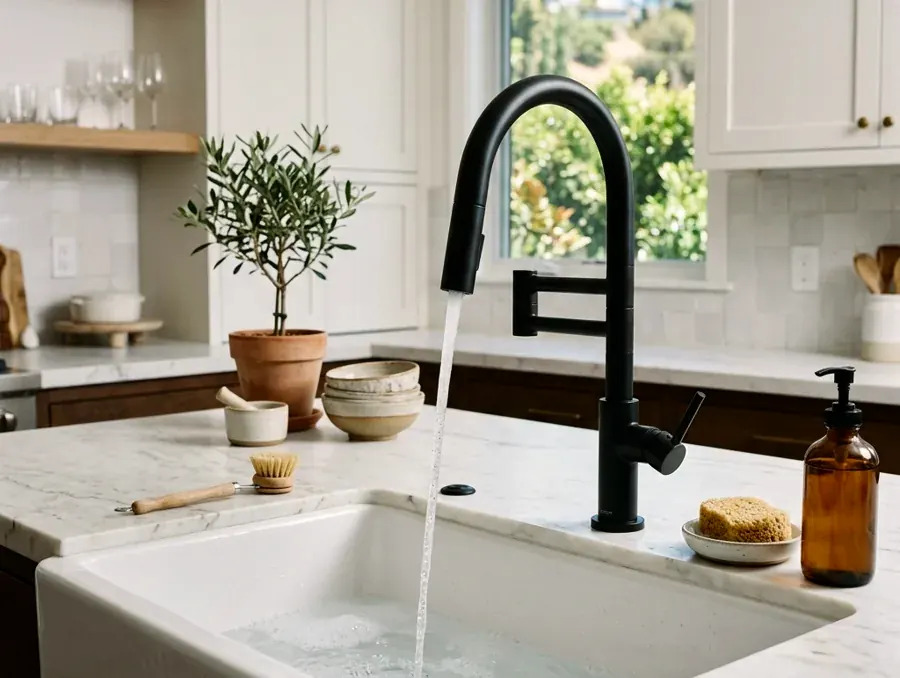
If you own an older house, plumbing repair in Hancock Park's historic homes comes down to three things: knowing what is behind your walls, fixing small problems before they spread, and protecting original tile, plaster, and woodwork while the work happens. Most everyday repairs, like leaky faucets, running toilets, and slow drains, are very doable in a vintage home. Larger jobs need a careful plan and, often, a permit.
What makes plumbing in Hancock Park homes different
Many homes in Hancock Park were built in the early to mid 20th century. Houses from that era often have materials and layouts that modern homes do not.
Common things we see in older Los Angeles homes:
- Galvanized steel supply lines. These can corrode from the inside, which narrows the pipe and lowers water pressure.
- Cast iron drain lines. Durable, but they can crack, rust, or develop rough interior scale over decades.
- Clay or older sewer laterals. Tree roots can find their way into joints.
- Mixed repairs. Past owners may have patched sections with copper, plastic, or adapters, so one wall can hold several eras of work.
- Original fixtures. Pedestal sinks, cast iron tubs, and tile surrounds that are worth preserving.
None of this means your plumbing is failing. It means repairs should start with a careful look rather than a guess.
Early warning signs worth checking
Old plumbing usually gives hints before it gives a flood. Walk through the house once a season and look for these.
Quick inspection checklist
- Rust-colored or cloudy water when you first open a tap.
- Low pressure at one fixture versus the rest of the house.
- Damp spots, bubbling paint, or stains on plaster walls and ceilings.
- Musty smells in closets, basements, or under sinks.
- Gurgling drains or water backing up in a tub or floor drain.
- Green or white crusty buildup on valves and fittings.
- A toilet that runs on or refills by itself.
The EPA's WaterSense program notes that household leaks can add up to significant wasted water over time, and it promotes an annual "Fix a Leak Week" for exactly this reason. A quick check of your faucets, toilets, and visible supply lines is a good habit. You can read more at EPA WaterSense Fix a Leak Week.
Common repairs and how they differ in a historic house
Many of the repairs below are routine. The difference in an older home is access, and how much you want to protect the finishes around the work.
| Repair | What to know in an older home | Typical approach |
|---|---|---|
| Dripping faucet | Older valves and seats can be worn or hard to match | Replace cartridge or seat, or swap to a style that fits the era |
| Running toilet | Old tank parts may be obsolete | Replace flapper and fill valve, or update internal parts |
| Slow drain | Rough cast iron can catch debris | Clear the line gently, then inspect if it returns |
| Low pressure | Often corroded galvanized pipe or a partly closed valve | Check valves and aerators first, then trace the line |
| Leaking shutoff valve | Old valves may seize or break when turned | Replace with a modern valve, ideally planned in advance |
| Wall or ceiling leak | Plaster hides the source | Locate, repair, and patch carefully |
The goal is a repair that solves the problem without tearing into more of the house than needed.

An aging shutoff valve is a small part that can cause a big mess if it fails, so it is worth replacing on your own schedule.
Protecting original details while the work happens
Historic homes are valued for their character: hexagonal tile, plaster walls, wood floors, and original built-ins. Plumbing work does not have to damage them.
Good practice includes:
- Start with the least invasive access. An access panel, a closet on the other side of the wall, or a basement or crawlspace route can often avoid opening finished walls.
- Cut small and clean. If a wall must be opened, a neat, limited opening is much easier to patch than a big, ragged one.
- Protect floors and nearby surfaces. Drop cloths, floor protection, and dust control matter around original wood and tile.
- Save what you can. Keep original handles, escutcheons, and trim pieces. Many can be cleaned and reused.
- Match the look. If a fixture must be replaced, choose finishes and shapes that suit the home.
Tell whoever does the work what you want to preserve before they begin, and point out anything fragile.
Water leaks, moisture, and mold in older homes
A slow leak inside a plaster wall or beneath a floor can stay hidden for a long time. Moisture is what allows mold to grow, so the most effective prevention is fixing leaks promptly and drying wet areas.
The EPA's guidance on mold emphasizes that controlling moisture is the key to controlling mold. See the EPA brief guide to mold, moisture, and your home for general homeowner advice.
If you find a leak:
- Shut off the water to that fixture, or at the main if you cannot find the source.
- Take photos of the damage for your records.
- Dry the area as quickly as you can.
- Have the source repaired before patching or repainting.
- Watch the area over the next several weeks for returning stains or odors.
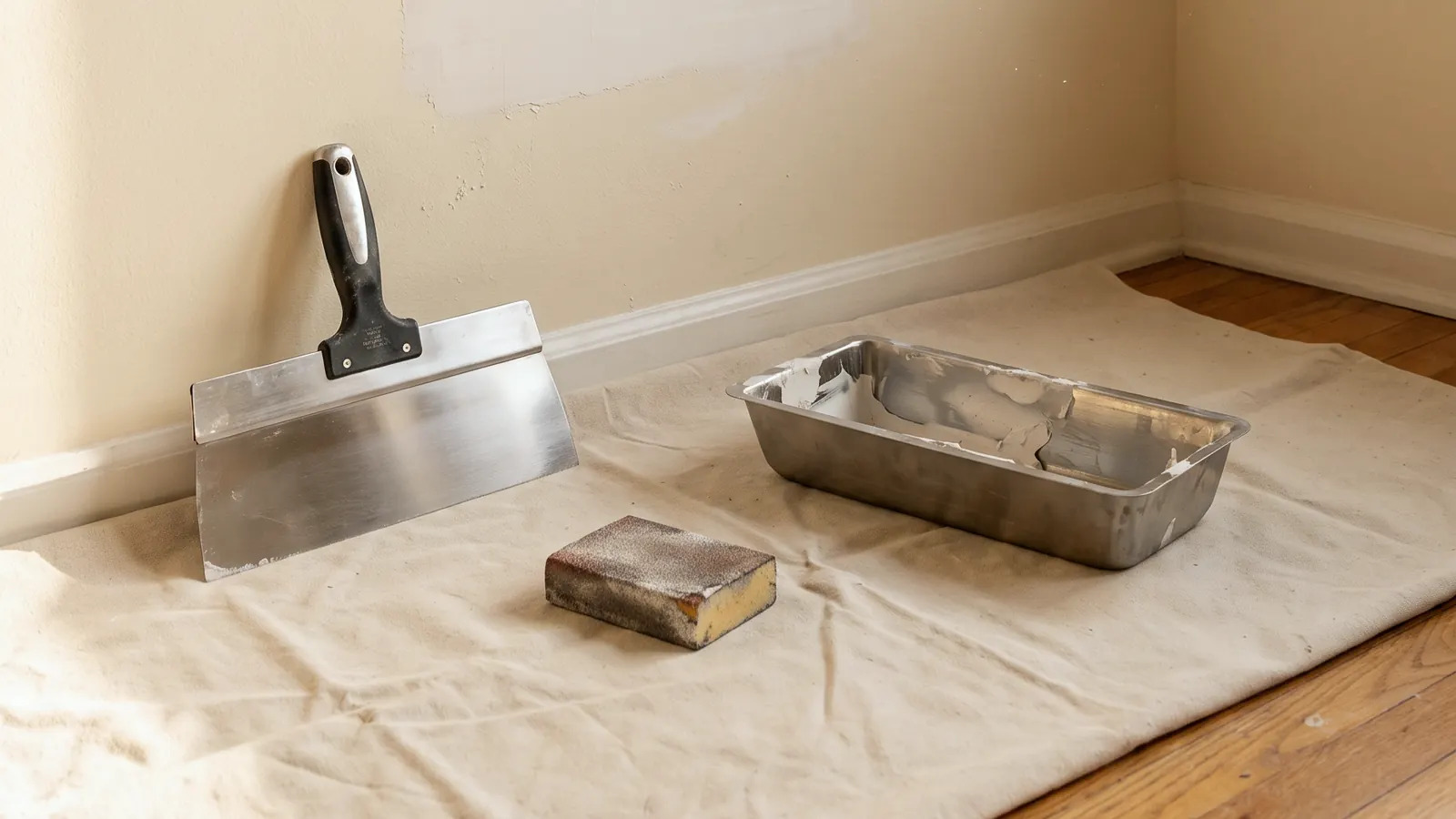
Tracing a pressure or leak problem step by step helps avoid opening walls that do not need to be opened.
Upgrading fixtures without losing the vintage feel
Replacing old fixtures can help with reliability and water use. WaterSense-labeled products are designed to use less water while still performing well. You can browse the basics for toilets, bathroom faucets, and showerheads.
Practical ideas for a historic home:
- Swap aerators and showerheads first. They are simple, reversible changes.
- Update toilet internals before replacing the whole toilet.
- Choose faucets with finishes and lines that suit the period of the house.
- Keep original tubs and sinks when they are sound, and focus on the valves and drains behind them.
For help with these jobs, see our plumbing fixes service.
When to call a pro
Many small plumbing tasks are reasonable DIY projects: replacing a faucet aerator, a toilet flapper, or a showerhead, or clearing a simple clog with a plunger. If you are comfortable, have the right tools, and know where your main shutoff is, go ahead.
Call a professional when:
- A shutoff valve will not turn, or leaks when you try.
- You see active leaks inside walls, ceilings, or under floors.
- Water is discolored throughout the house, or pressure is low everywhere.
- Drains back up in more than one fixture.
- The work involves cutting into plaster, tile, or original finishes you want to protect.
- You are replacing supply lines, drain lines, or the water heater connections.
Some work, such as larger repiping or changes to the system, may require a permit. The Los Angeles Department of Building and Safety explains how that process works at LADBS permits and inspections. California also has contractor rules that apply to many jobs, so check the state's guidance at CSLB Hire a Contractor before you hire anyone.
Not sure how big the job is? You can send a photo for a written quote and we will tell you what we see.
FAQ
How do I know if my house has galvanized pipes?
Look at exposed pipes in a basement, garage, or under a sink. Galvanized pipe has a dull gray look and threaded joints. A magnet sticks to it, while copper will not. If you are unsure, ask a plumber to identify it during a visit.
Can small plumbing repairs be done without damaging plaster walls?
Often, yes. Many repairs can be done from under a sink, through an access panel, or from an adjacent closet. When a wall must be opened, a small, clean cut is easier to patch and blend in.
Should I replace old shutoff valves?
If a valve is stiff, corroded, or drips around the handle, replacing it is wise. Do it when you can plan for it, rather than during an emergency when you need it to work.
Do I need a permit for plumbing repairs?
Simple repairs like replacing a faucet or toilet parts usually do not. Larger work may. Check with LADBS or ask your contractor how they handle permits for your project.
How can I reduce water waste in an older home?
Fix drips and running toilets promptly, check for hidden leaks, and consider WaterSense-labeled fixtures. The EPA WaterSense site has good starting points.
Sources
- CSLB: Hire a Contractor
- LADBS: Permits and Inspections
- EPA: A Brief Guide to Mold, Moisture, and Your Home
- EPA WaterSense: Fix a Leak Week
Safety note: work on electrical panels, gas, structure or anything that needs a permit should be done by a licensed contractor with the required permits.
STATOX Handyman Service · Send a photo · +1 (820) 200-4919
Keep reading
 plumbing fixesDIY vs. Pro Plumbing Repairs: What to Handle YourselfDIY vs professional plumbing repair: learn which fixes are safe for a weekend and which need a pro, so you avoid a small drip becoming a big mess.
 plumbing fixesLeaky Faucet, Running Toilet, Slow Drain: Common FixesA practical leaky faucet running toilet slow drain fix guide for LA homeowners: what to check, what to try, and when to stop and call for help.
 plumbing fixesPlumbing Fixes in Encino: Older Homes, ADUs and Add-OnsLooking for plumbing fixes Encino CA homeowners can trust? Learn what older homes, ADUs and add-ons commonly need, and how to plan your repair.