Post-Construction Cleanup Guide for Homeowners
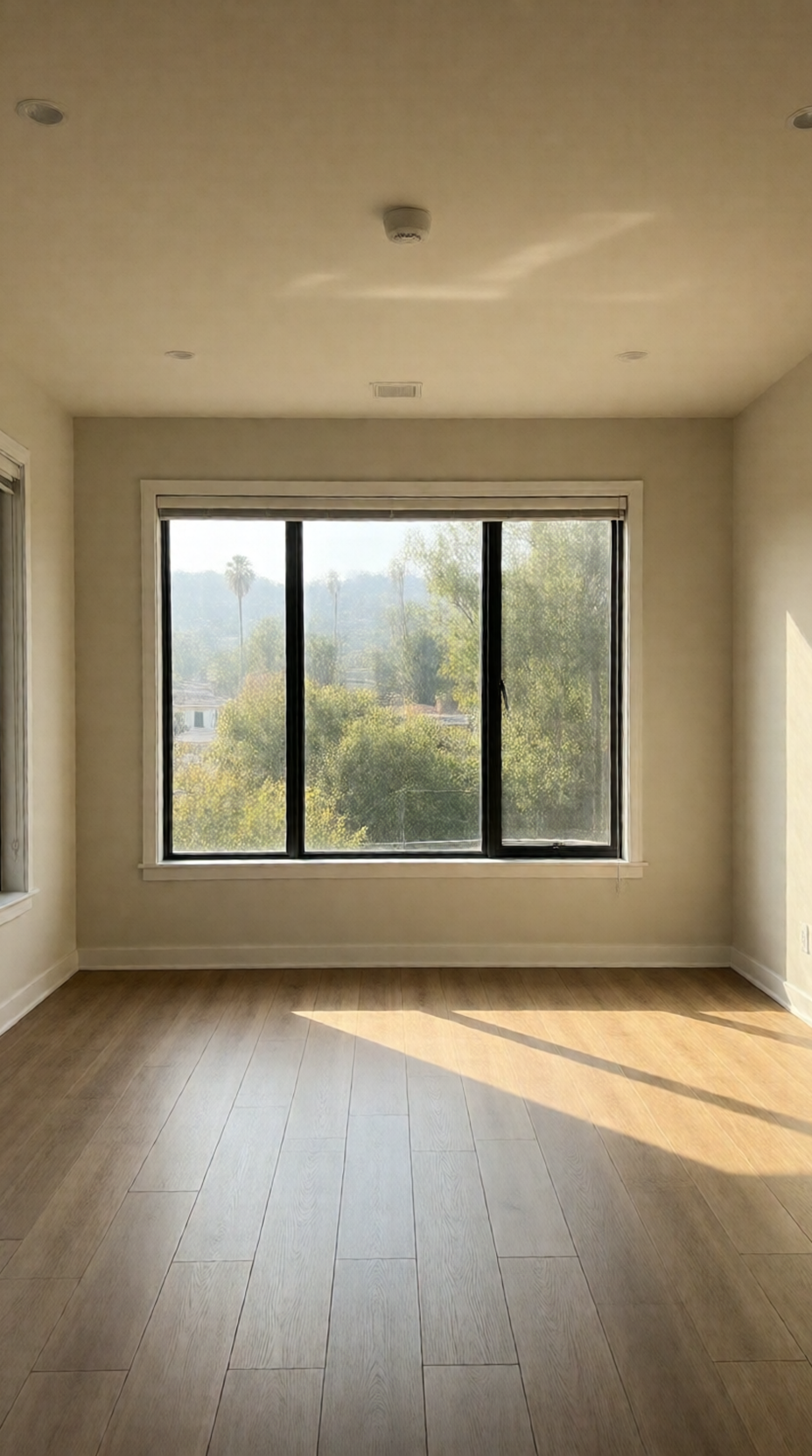
Post-construction cleaning is the work of removing the fine dust, paint splatter, sawdust and loose debris that a remodel or repair leaves behind. The job goes smoothly when you work from the top of the room down, clean the air handling system before you close it up, and handle the finest dust last with the right tools. This guide walks you through what to expect, how to set up safely, and what to tackle first.
What a Remodel Leaves Behind
Most homeowners expect sawdust and chunks of debris. The harder problem is the fine dust. Sanding joint compound, cutting drywall and scraping old paint produce particles so small they float in the air for hours and settle on every flat surface, including the tops of door frames, light fixtures and the inside of cabinets.
That fine layer is more stubborn than it looks. It works its way into the gaps around outlets, sits in the grooves of baseboards and collects in the open ducts of your heating and cooling system. If the house is not cleaned in the right order, dust you just wiped off a wall can resettle on it before you finish.
Expect to find these materials after most projects:
- Fine drywall and joint compound dust on walls, ceilings and floors
- Paint overspray, drips and dried roller spatter
- Sawdust, wood scraps, fasteners and packaging
- Dust inside supply and return vents
- Adhesive, caulk and tape residue on trim and glass
- Grit tracked across hard floors by boots and tools
Set Up Before You Start Cleaning
Preparation saves you from cleaning the same room twice. Before you wipe anything, take a few minutes to get the space ready.
- Ventilate the room. Open windows when weather allows and run an exhaust fan if one is available. The EPA notes that volatile organic compounds (VOCs) from paints, adhesives and finishes can linger in indoor air, and fresh air helps reduce them. Read the product labels for any solvent you plan to use.
- Protect yourself. Wear a well-fitting dust mask, safety glasses and gloves. Fine dust is easy to breathe in, and cleaning it up stirs it back into the air.
- Turn off the HVAC system. Switch the heating and cooling off, then cover the return and supply vents with painter's tape and a damp cloth or a filter. This keeps dust from being pulled into the ducts while you work.
- Gather the right tools. You will need a vacuum with a HEPA filter, a soft brush attachment, microfiber cloths, a bucket of clean water, a few sponges, a long-handled duster and a sturdy step stool.
- Clear the room. Move furniture to the center and cover what remains with drop cloths. Remove loose items from counters and shelves.
Avoid dry-sweeping or using a standard broom on drywall dust. It lifts the particles into the air and spreads them across the room.
Work From Top to Bottom
Gravity is your enemy during cleanup. Dust that falls from a ceiling will land on walls and floors you have already cleaned, so always work downward.
Ceilings and high surfaces. Start with the ceiling, light fixtures, ceiling fans and the tops of doors and cabinets. Use the vacuum's brush attachment first to pull off loose dust, then wipe with a barely damp microfiber cloth. Rinse the cloth often.
Walls and trim. Move on to walls, window frames and baseboards. Vacuum first, then wipe with a damp cloth. Work in small sections, from one corner to the next, so you can see where you have already cleaned. Pay attention to the corners where wall meets ceiling, since dust collects there.
Vents and registers. Remove each register cover and wash it in warm, soapy water, then dry it fully before reinstalling. Vacuum the openings as far as you can reach. Dust in the ducts is handled most reliably by a professional duct cleaning service, especially if the remodel generated a lot of dust. Replace the HVAC filter once the house is clean.
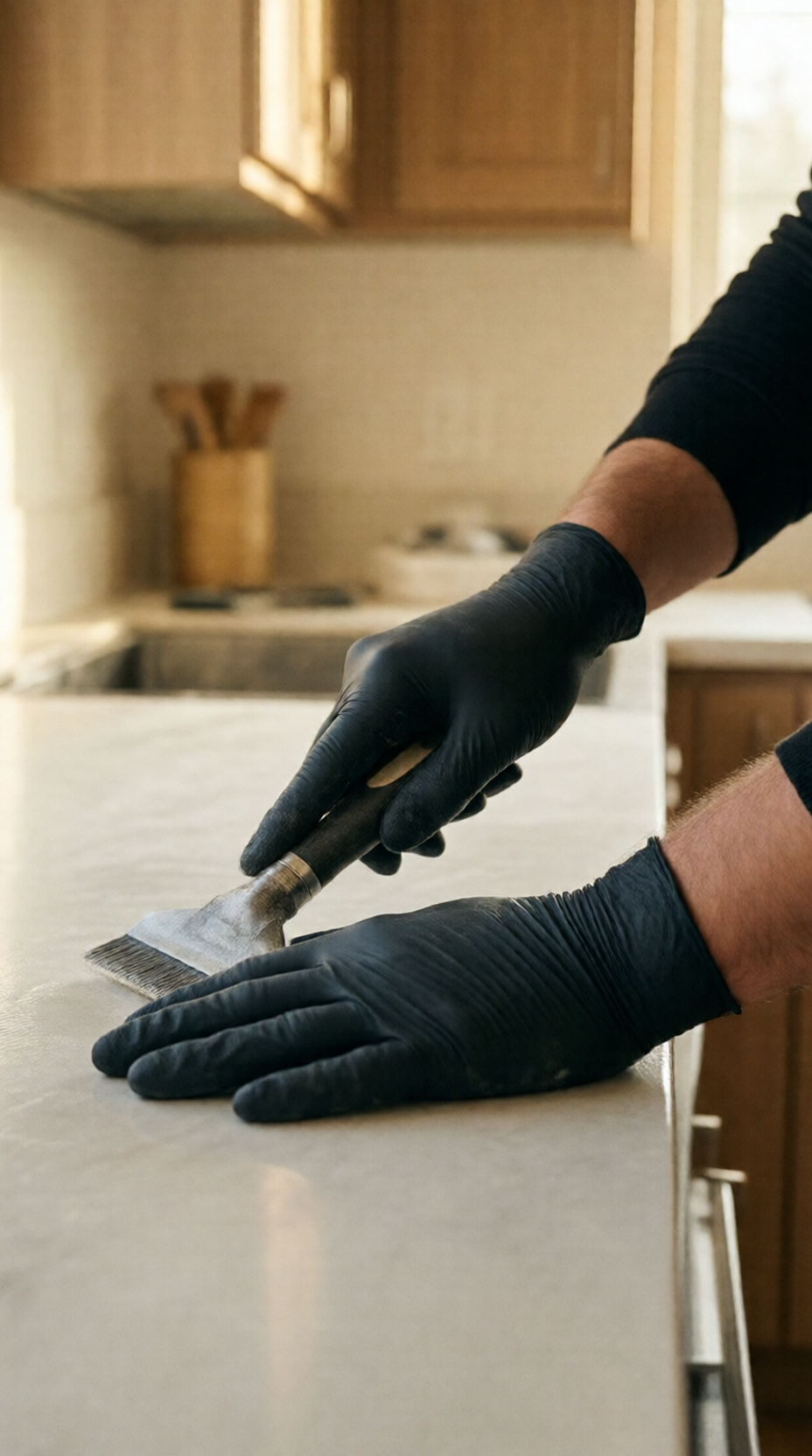
Windows and glass. Clean glass last among the high surfaces. Use a squeegee or a microfiber cloth with a glass cleaner, and check for paint splatter and adhesive residue. A plastic razor blade held flat can lift dried paint from glass without scratching it.
Cabinets and built-ins. Wipe the outside and inside of cabinets, drawers and shelves. Remove any old liners that picked up dust.
A simple checklist helps you keep track:
- [ ] Ceilings, light fixtures and fan blades
- [ ] Tops of doors, cabinets and shelves
- [ ] Walls and corners, one section at a time
- [ ] Window frames, sills and glass
- [ ] Baseboards, door trim and outlet covers
- [ ] Vents and registers, cleaned and dried
- [ ] Cabinet interiors and drawers
- [ ] Floors, last
Clear Paint Residue and Debris From Floors and Surfaces
Floors come last because they collect everything that fell from above. Start with a thorough vacuum of the entire room. Use a hard-floor attachment on hardwood, tile and laminate, and a brush on carpet. A second pass often pulls up grit you missed the first time.
Next, deal with paint and adhesive residue. Dried paint on hard surfaces usually responds to a gentle scraping with a plastic scraper, followed by a damp cloth. Dried paint on glass or tile may need a non-scratch pad and a mild cleaner. Test any cleaner on a small hidden spot first, especially on natural stone, waxed wood or painted finishes.
For debris that is stuck to the floor, such as drips of joint compound or tape residue, dampen the spot with warm water and let it soften before scraping. Avoid harsh solvents unless the product label says it is safe for that surface and you have ventilation.
Finish with a damp mop on hard floors. Change the water often. Let the floor dry completely before walking on it or moving furniture back in.

What to Tackle First
When the project is large, the list of things to clean can feel endless. Use this order to make steady progress:
- Remove debris and large pieces. Pick up wood scraps, fasteners, packaging and loose drywall pieces. This clears the way for everything else.
- Seal and protect the air path. Cover the vents before the dust work starts, so the HVAC system does not pull particles through the house.
- Vacuum the ceilings and high surfaces. Get the bulk of the fine dust off before you wipe anything.
- Wipe walls and trim, top to bottom. Work in sections and rinse your cloths often.
- Clean vents and registers. Do this after the walls are wiped so new dust does not drop into freshly cleaned openings.
- Address glass and paint residue. Lift dried paint and clean windows once the room is mostly dust-free.
- Vacuum and mop the floors. Do this last, with a final pass after everything else is dry.
- Replace the HVAC filter and reopen the system. Turn the heating and cooling back on only after the room is clean.
If the project involved water damage or long-term moisture, check for mold before you clean. The EPA's guidance on mold, moisture and your home explains what to look for and how to handle moisture problems. Cleaning up visible dust does not solve a moisture issue.
When to Call a Pro
Many homeowners can handle the basic cleanup of a small room or a single repair. You can wipe walls, vacuum floors and clean out the vents yourself if the project was modest and you have the time, the tools and the willingness to work carefully.
Consider hiring a professional when:
- The remodel covered several rooms or an entire floor
- Dust has reached the ductwork or you suspect the HVAC system is clogged
- Paint, adhesive or other materials are hard to remove from delicate surfaces
- You have a health condition that makes dust exposure a concern
- The project included moisture damage, and you are unsure whether mold is present
- You want the space ready for move-in on a set schedule without doing the work yourself
Professional help is also useful when you are unsure whether a permit or final inspection is part of the project. The Los Angeles Department of Building and Safety (LADBS) lists permit and inspection information on its website, and the California Contractors State License Board (CSLB) offers guidance on checking a contractor's record. If your project needs a permit, you can confirm the paperwork is complete before you close up walls for good.
If you would like a second opinion on how much cleaning your home needs, you can send a photo for a written quote. For larger jobs, our team can handle the full post-construction job through our cleaning service.
FAQ
How long does it take to clean up after a remodel?
The time depends on the size of the project, how much dust was produced and how many surfaces need attention. A single room with light dust is much quicker to clean than a whole-house remodel with heavy sanding. Plan for several passes, since the first cleaning rarely removes everything.
Can I use a regular vacuum on drywall dust?
A regular vacuum can pick up large debris, but fine drywall dust often passes through standard filters and blows back into the room. A vacuum with a HEPA filter is a better choice. Use the brush attachment on surfaces and keep the vacuum's filter in good shape.
Is it safe to clean paint residue myself?
Many paint residues can be removed with water, a plastic scraper and a mild cleaner. Work with the room ventilated and wear gloves and eye protection. Read the label on any solvent, test it on a hidden spot and avoid harsh chemicals on delicate surfaces. The EPA's indoor air guidance explains how to reduce exposure to airborne chemicals during and after a project.
Should I clean the air ducts after a remodel?
If a lot of dust entered the ductwork, cleaning the ducts is a good idea. Start by cleaning the vents and replacing the filter. If you see dust deeper in the system or your HVAC system has been running with the vents open, a professional duct cleaning service is the more reliable option.
When should the final cleanup happen?
Clean once the heavy work is done and the room has been ventilated. Wait until painting, sanding and any final trim work are complete, then do the full cleanup in the order outlined above. Doing it too early means the dust returns as the work continues.
Sources
- EPA: A Brief Guide to Mold, Moisture, and Your Home
- EPA: Volatile Organic Compounds' Impact on Indoor Air Quality
- California Contractors State License Board: Hire A Contractor
Safety note: work on electrical panels, gas, structure or anything that needs a permit should be done by a licensed contractor with the required permits.
STATOX Handyman Service · Send a photo · +1 (820) 200-4919
Keep reading
 cleaningCalabasas Hillside Homes: Cleaning Up Dust, Ash and PollenHouse cleaning Calabasas homeowners can use after dust, ash and pollen season: room-by-room steps, tool tips, and when to bring in help. Read before you scrub.
 cleaningCleaning Older Cheviot Hills Homes: Plaster and HardwoodHouse cleaning Cheviot Hills homeowners can trust for plaster walls and old hardwood floors: what to use, what to skip, and why it matters. Read before you scrub.
 cleaningDeep Cleaning Prep Checklist: Before the Crew ArrivesUse this deep cleaning checklist to get your Los Angeles home ready before the crew arrives, so every hour goes to actual cleaning. Worth a quick read.