Rekey or Replace Door Locks? How to Decide for Your Home
When deciding between rekeying or replacing door locks, it’s important to know how each option affects your home’s security and convenience. Rekeying changes the lock’s internal mechanism to work with new keys, while replacing installs completely new hardware. This article helps Los Angeles homeowners weigh rekey vs replace door locks with clear guidance and practical checklists.
What Does Rekeying Door Locks Mean?
Rekeying means altering the internal pins inside your existing lock cylinder so that old keys no longer work. Instead, you receive a new set of keys that operate the same lock hardware. This process keeps the lock itself in place but changes who can open it.
Rekeying is often chosen after moving into a new home, losing keys, or lending keys temporarily. It’s a way to control access without replacing the entire lock.
Advantages of Rekeying
- Keeps your current lock hardware intact
- Usually faster and less disruptive than replacement
- Can rekey multiple locks to use one key (keyed alike)
- Generates less waste, environmentally friendly
When Rekeying Might Not Work
- Locks must be in good working condition
- Does not improve security features or hardware quality
- Some older or damaged locks cannot be rekeyed
What Does Replacing Door Locks Involve?
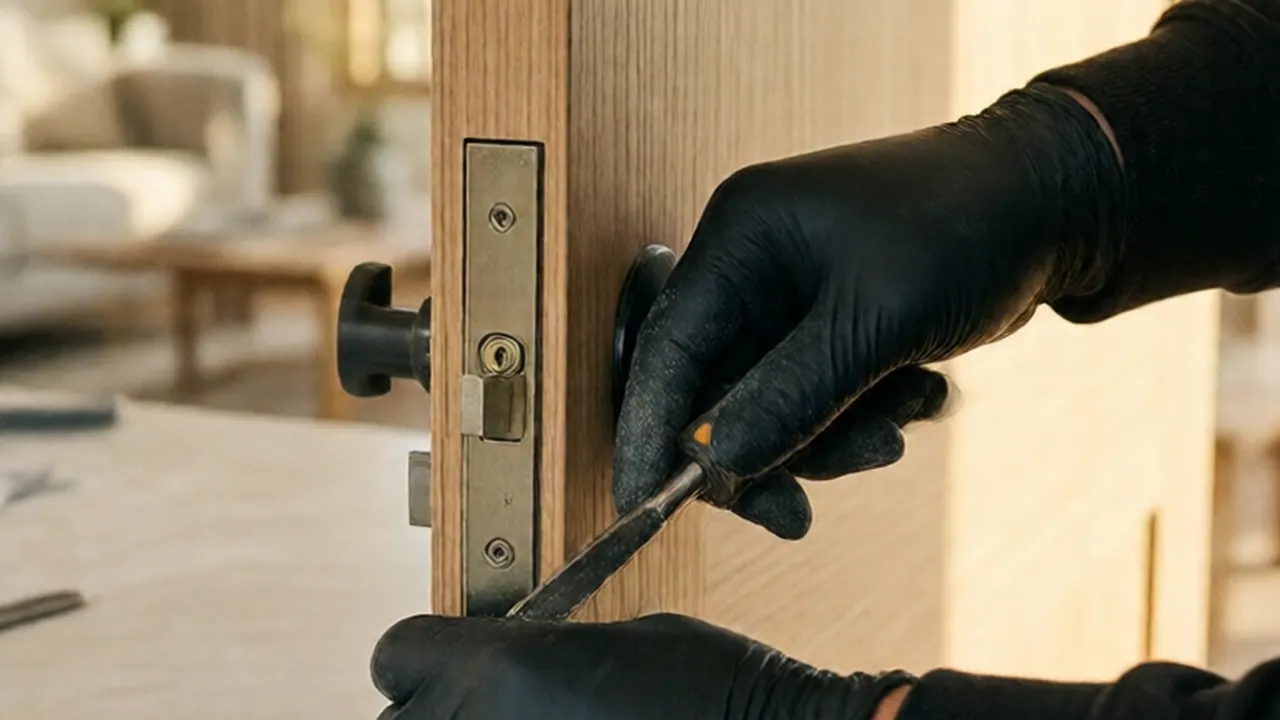
Replacing door locks means removing the entire lockset—cylinder, latch, and often the handle or knob—and installing new hardware. This option lets you upgrade to newer lock types, fix worn or broken parts, or change the style of your door hardware.
Homeowners often replace locks when the existing hardware is damaged, outdated, or when they want to improve security with modern deadbolts or electronic locks.
Advantages of Replacing Locks
- Allows upgrading to higher security or smart locks
- Fixes worn, broken, or outdated hardware
- Matches new door hardware or décor styles
- Eliminates concerns about old keys or compromised locks
Considerations for Replacement
- Takes more time and effort than rekeying
- Requires purchasing new lock hardware
- May need door modifications if new locks differ in size
Rekey vs Replace Door Locks: Key Differences at a Glance
| Factor | Rekeying | Replacing |
|---|---|---|
| Cost | Generally lower | Generally higher |
| Time | Usually quicker | Takes longer |
| Security Upgrade | No | Yes |
| Hardware Condition | Must be good | Can replace damaged hardware |
| Key Control | New keys, same hardware | New keys and new hardware |
| Environmental Impact | Less waste | More waste |
| Compatibility | Limited to existing lock type | Any lock type possible |
How to Decide: A Practical Checklist for Homeowners
Use this checklist to decide whether to rekey or replace your door locks:
- [ ] Are your current locks functioning smoothly without damage?
- [ ] Do you want to keep your existing lock hardware?
- [ ] Have you lost keys or moved into a new home where previous owners had keys?
- [ ] Do you want to upgrade to higher security or smart locks?
- [ ] Are your locks old, rusty, or showing signs of wear?
- [ ] Do you want all locks keyed alike for convenience?
- [ ] Are you comfortable with the time and effort needed for replacement?
- [ ] Do you want to improve the appearance of your door hardware?
If most answers lean toward maintaining hardware and quick key control, rekeying is a practical choice. If you want better security, new features, or your locks are damaged, replacement is likely the better option.
When to Call a Pro for Rekeying or Replacement
Both rekeying and replacing locks can be DIY projects if you have basic tools and some experience. Rekeying kits are available for many common lock brands, and replacement locks often include installation instructions.
However, consider professional help if:
- You have high-security, electronic, or smart locks
- Your door or frame needs adjustments for new hardware
- You want all locks keyed alike for convenience
- You are unsure about lock compatibility or security features
Professional locksmiths or handyman services can ensure proper installation and security. For expert assistance, check local locks doors service providers. You can also send a photo for a written quote to get an estimate before committing.
FAQ
What is the main difference between rekeying and replacing locks?
Rekeying changes the lock’s internal pins so old keys don’t work but keeps the existing hardware. Replacing removes the entire lock and installs new hardware.
Can all locks be rekeyed?
No. Rekeying is only possible if the lock is in good condition and designed to be rekeyed. Some older or damaged locks cannot be rekeyed.
How long does rekeying or replacing locks take?
Rekeying usually takes less time, often under an hour per lock. Replacing locks can take longer depending on lock type and door condition.
Is rekeying more secure than replacing?
Rekeying does not improve the lock’s security features. Replacing allows installation of more secure or modern locks.
Can I have all my locks keyed alike?
Yes, locksmiths can rekey multiple locks so they operate with a single key, which is convenient for homeowners.
Sources
- https://www.cslb.ca.gov/Consumers/Hire_A_Contractor/
- https://www.cslb.ca.gov/Consumers/
- https://www.ladbs.org/permits-inspections
- https://www.dca.ca.gov/
Permit work: Permit jobs get a written project estimate; permits handled as required.
STATOX Handyman Service · Send a photo · +1 (820) 200-4919
Keep reading
 locks doorsBel Air Hillside Homes: Door and Lock Upgrade GuidePlanning door lock installation in Bel Air? Learn how hillside homes, gates, and entry doors affect lock choices, fit, and security. Read before you buy.
 locks doorsBeverly Hills Older Homes: Door Hardware Repair TipsDoor hardware repair Beverly Hills homeowners can trust: fix sticking latches, loose knobs, and worn hinges in older homes. Read before you replace anything.
 locks doorsDeadbolt vs Smart Lock: Which Fits Your Home Better?Deadbolt vs smart lock: compare security, convenience, batteries, and fit for Los Angeles homes so you can pick the right lock for your front door.