Summer Heat in Los Angeles: Protect Floors and Paint
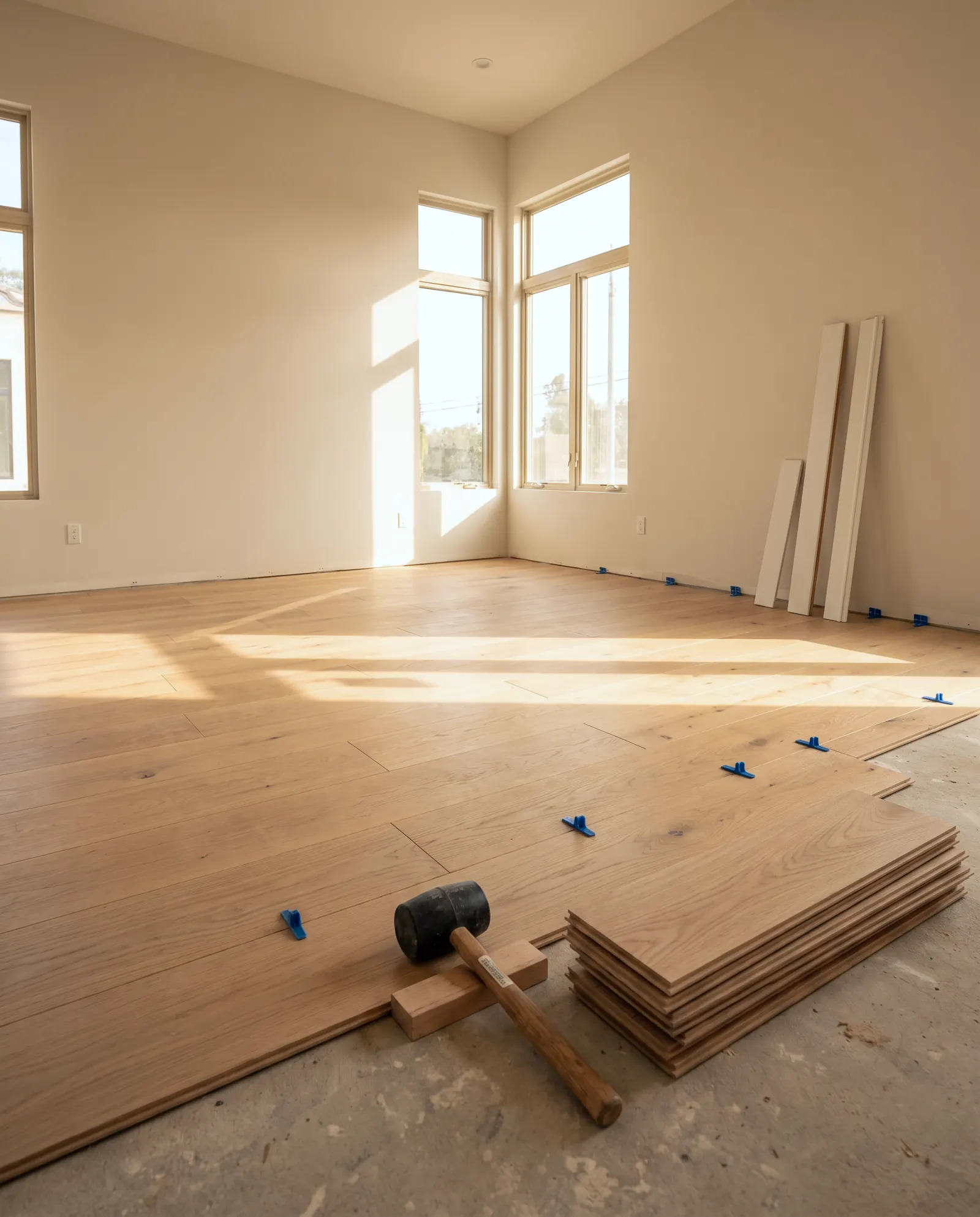
Summer heat flooring warping in Los Angeles usually comes from a mix of strong sun through windows, big indoor temperature swings, and moisture moving in and out of the wood or subfloor. You can lower the risk by blocking direct sun, keeping indoor conditions steady, and fixing small gaps, leaks, and paint flaws early. Most problems start small, so a monthly look around your home goes a long way.
Why Summer Heat Is Hard on Floors and Paint in LA
Los Angeles homes face a particular mix: dry inland heat, coastal marine air, and sun that pours through large west- and south-facing windows. Many older homes also have single-pane glass, uninsulated attics, and raised foundations with crawl spaces, all of which let temperature and humidity shift quickly.
Wood is a natural material. It takes on and releases moisture as the air changes, so it swells and shrinks. Paint is a film that expands and contracts with the wall underneath it. When heat, sun, and moisture keep pushing and pulling, both materials show stress.
Common summer symptoms include:
- Boards that cup (edges rise higher than the center) or crown (center rises)
- New gaps between planks, or tight boards that push against each other
- Faded patches on floors where sun hits every afternoon
- Paint that blisters, chalks, cracks, or peels, especially on sunny exterior walls and trim
- Sticky or soft-feeling finish on floors or window sills during hot spells
How Heat Affects Different Floor Types
Not every floor reacts the same way. Here is a general comparison to help you know what to watch for.
| Floor type | Typical summer issue | What helps most |
|---|---|---|
| Solid hardwood | Cupping, gaps, sun fading | Steady indoor climate, window shading, rugs in sunny spots |
| Engineered wood | Edge lifting, finish dulling in sun | Shading, avoiding wet mopping, leaving expansion space |
| Laminate | Swelling at edges, buckling if boards are pinned | Keeping expansion gaps clear, wiping spills quickly |
| Vinyl plank | Expanding or shifting in direct sun, gapping at seams | Curtains or film on glass, avoiding heat-trapping rugs |
| Tile | Rare cracking if the base moves; grout stains | Checking grout and sealing as needed |
The National Wood Flooring Association (NWFA) is a good general reference for how wood responds to moisture and environment. Manufacturers also publish care limits for their own products, so check the instructions for your floor.
Protect Floors Before the Heat Peaks
The goal is steadiness. Floors cope much better with gradual change than with sudden swings.
A simple pre-summer checklist:
- Close blinds, shades, or curtains on sun-facing windows during the hottest part of the day.
- Use area rugs or runners where sun lands directly on the floor, and move them occasionally so fading stays even.
- Run air conditioning or fans in a steady, moderate way instead of leaving the house closed up and hot, then blasting it cold.
- Check that vents, baseboards, and door thresholds are not blocked by furniture, which can trap heat and moisture.
- Look under sinks, around the dishwasher, and near the water heater for slow leaks that can soak a subfloor.
- If you have a raised foundation, make sure crawl space vents are clear of debris and plants.
- Wipe spills right away and avoid wet mopping on wood or laminate.
Window film or light-colored shades can reduce direct sun on the floor. Even a modest change can help finishes last longer.
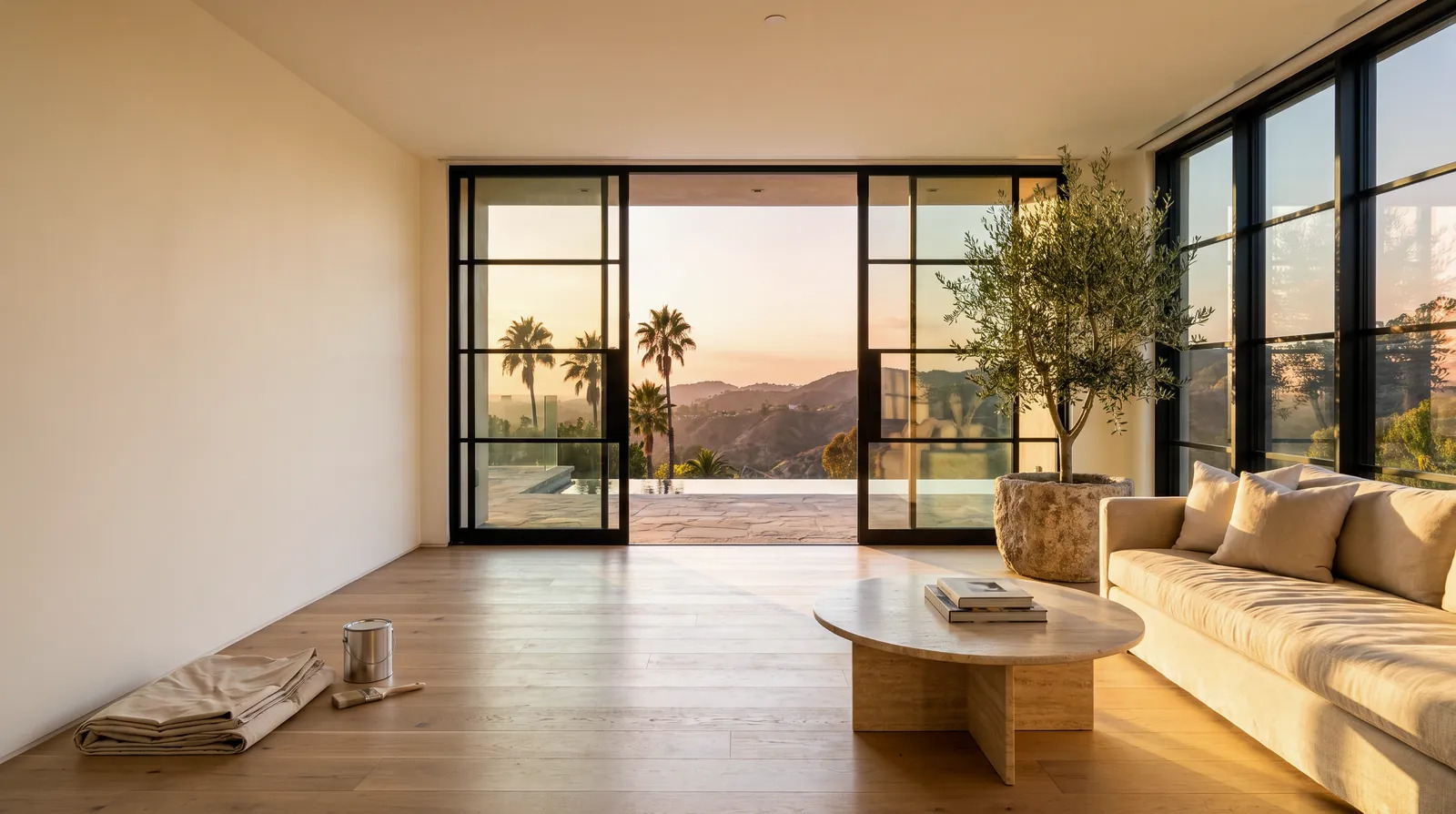
Direct afternoon sun fades finish unevenly; a rug or shade keeps the wear balanced.
Spotting Early Warning Signs of Warping
Warping rarely appears overnight. Walk through your home once a month in summer and look at the floor from a low angle, ideally with a window light behind you so ridges show up.
Pay attention to:
- Edges that feel raised when you run a bare foot or hand across the seams
- Gaps that appear or widen along walls or between boards
- Creaking or popping that is new
- A musty smell near a floor, which can point to hidden moisture
- Doors that stick in rooms where the floor feels different
A small, even gap in a dry stretch is often normal seasonal movement. Raised edges, soft spots, or a spreading pattern are different, and they usually mean moisture or installation trouble, not just heat. If you see those, find the moisture source first. Sanding or refinishing before the cause is fixed only hides the problem for a while.
Keep Paint From Blistering, Fading, and Peeling
Paint takes the brunt of sun on exterior walls, fascia, and window trim. Inside, sunny rooms can show fading, especially on darker colors.
Practical habits that help:
- Wash gently. Dirt and chalky residue keep paint from bonding. A soft brush and mild soap, then a full rinse, is usually enough.
- Fix cracks and gaps early. Water that sneaks behind paint is a common cause of bubbling. Caulk joints at trim and windows where the old caulk has pulled away.
- Avoid painting in direct, hot sun. Paint that dries too fast can skin over and trap moisture. Work on shaded sides, and follow the temperature range printed on the can.
- Prep matters most. Scrape loose paint, sand edges smooth, and prime bare spots before repainting.
- Ventilate when painting indoors. Many paints and primers give off volatile organic compounds (VOCs). The EPA explains how these affect indoor air, and opening windows and running fans while you work is a simple precaution.
If paint is bubbling on an interior wall near a floor or bathroom, treat that as a moisture clue, not only a cosmetic one.
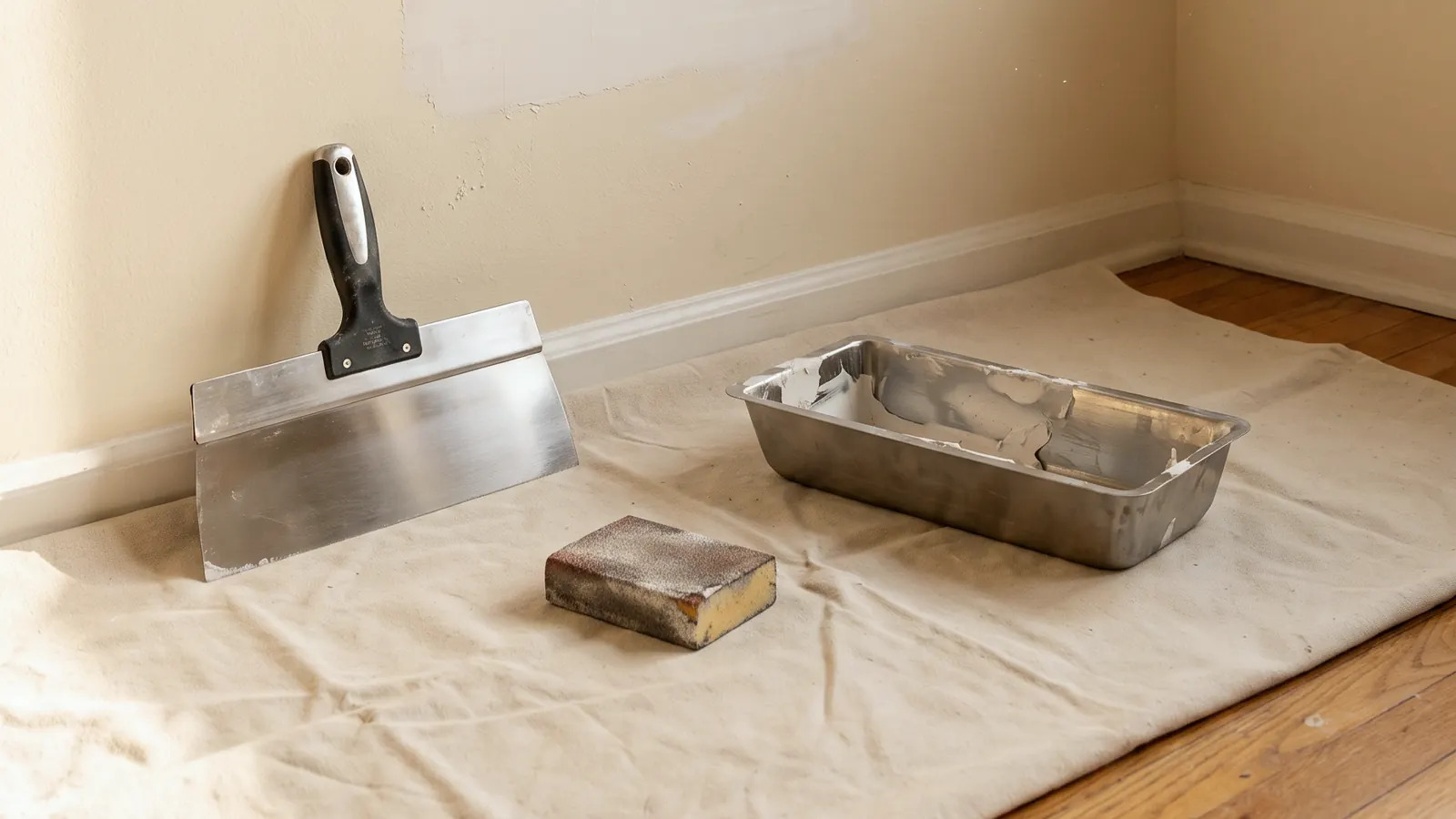
Scraping, spot-priming, and sealing gaps before repainting helps new paint hold up in the sun.
When to Call a Pro
Plenty of summer care is a good DIY job: closing blinds, moving rugs, cleaning, caulking small gaps, and touching up a scuffed wall.
Bring in help when:
- Boards are visibly cupped, lifted, or buckled
- A floor feels soft or spongy, which can mean a wet subfloor
- You suspect a leak but cannot find it
- Paint is failing in large sheets rather than small spots
- You are replacing sections of flooring and need seams, transitions, and expansion space handled properly
- Work might involve permits or structural changes. The Los Angeles Department of Building and Safety explains when permits and inspections apply.
When hiring anyone for home work in California, the Contractors State License Board has a helpful guide to hiring a contractor. Ask for a written scope and take your time comparing.
If you want a second set of eyes, our flooring service covers repairs, board replacement, and finish touch-ups. You can also send a photo for a written quote so we can see what you are dealing with.
FAQ
Can summer heat alone warp a wood floor?
Heat by itself is rarely the whole story. Warping is usually tied to moisture changes, such as humidity swings, leaks, or a damp subfloor, often made worse by sun and temperature extremes.
Should I run the air conditioning all day to protect my floors?
A steady, moderate indoor climate is kinder to floors than extreme swings. You do not need to keep it cold. Avoid leaving the house sealed and very hot, then cooling it suddenly.
Will boards go back to normal after the heat passes?
Mild seasonal movement often settles as conditions stabilize. Boards that stay cupped, raised, or soft usually point to a moisture source that needs attention.
Is it okay to repaint in the middle of a hot summer day?
It is better to paint shaded surfaces and avoid direct, hot sun. Paint that dries too quickly can blister or bond poorly. Always follow the temperature guidance on the product label.
How can I tell if bubbling paint is a moisture problem?
Bubbles that appear near floors, bathrooms, roof lines, or window frames, or that return after you repair them, suggest water is getting behind the paint. Find and fix the source before repainting.
Sources
- National Wood Flooring Association (NWFA)
- EPA: Volatile Organic Compounds' Impact on Indoor Air Quality
- CSLB: Hire a Contractor
- LADBS: Permits and Inspections
Safety note: work on electrical panels, gas, structure or anything that needs a permit should be done by a licensed contractor with the required permits.
STATOX Handyman Service · Send a photo · +1 (820) 200-4919
Keep reading
 flooringSqueaky, Buckled, or Gapped Floors: Causes and FixesSqueaky floors, buckling, and gaps usually trace back to movement, moisture, or loose fastening. Learn how squeaky floors buckling gaps fix choices work.
 flooringDIY vs Hiring a Pro for Floor InstallationWeighing diy vs professional flooring installation in Los Angeles? See which floors suit a weekend project and which need a pro. Read before you buy.
 flooringFlooring Installation Prep Checklist for HomeownersUse this flooring installation prep checklist to clear rooms, check subfloors, and plan acclimation so install day goes smoothly. Read before you order.