Tile for Manhattan Beach Homes: Coastal Air and Sand
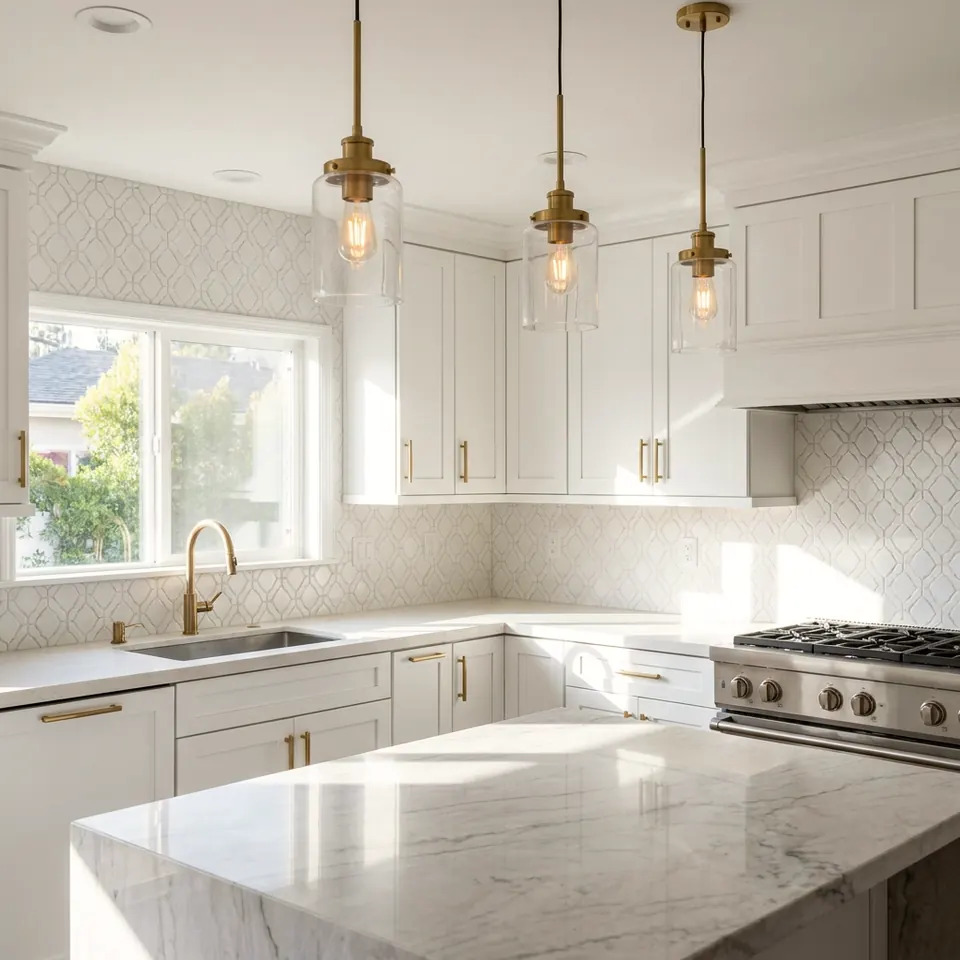
If you're planning tile installation in Manhattan Beach, the short answer is this: choose dense, slip-resistant porcelain, use a grout that resists stains and moisture, and prep the surface carefully. Salt air, fine sand, and damp marine layer mornings are tough on soft materials and weak installs. The right choices keep a beach-area home looking clean and feeling safe underfoot.
Below is a practical guide to what coastal conditions do to tile, which materials suit which rooms, and how to avoid the problems we see most often near the water.
How coastal air and sand affect tile
Living close to the Pacific changes how a house wears. Three things matter most for tile.
Sand is an abrasive. Tiny quartz grains get tracked in from the beach, the sidewalk, and the Strand. Underfoot, they act like sandpaper on soft finishes. Polished marble, glossy glazed ceramic, and some soft natural stones show dulling and fine scratches faster than harder surfaces.
Salt and moisture hang in the air. The marine layer brings damp mornings, and salt can settle on exterior and entry surfaces. Salt can leave a hazy film on tile and can be hard on some metals, such as certain trim pieces and fasteners. Porous materials tend to absorb moisture and salts more readily than dense ones.
Wet feet are routine. Surfers, beachgoers, and dogs come in through the same door. A floor that looks great dry can be slick when wet, so traction matters as much as looks.
None of this means you can't have beautiful tile. It means the material, grout, and setup deserve more thought than they would inland.
Choosing the right tile material
For most coastal rooms, porcelain is the practical default. It is dense, absorbs very little water, and holds up well to abrasion. The Tile Council of North America (TCNA) is a good reference for how tile and installation methods are described and specified.
| Material | Coastal strengths | Watch-outs |
|---|---|---|
| Porcelain | Dense, low water absorption, hard-wearing | Choose a textured or matte finish for wet areas |
| Glazed ceramic | Wide style range, good for walls | Softer than porcelain; glossy floors can show sand scratches |
| Natural stone (travertine, slate) | Warm, natural look that suits beach homes | Porous; needs sealing and regular upkeep |
| Polished marble | Elegant | Etches and dulls easily; slippery when wet |
| Cement-look porcelain | Modern look without the upkeep of true cement tile | Pick a matte surface for entries |
If you love the look of stone, many porcelain tiles now mimic it closely, with far less maintenance.
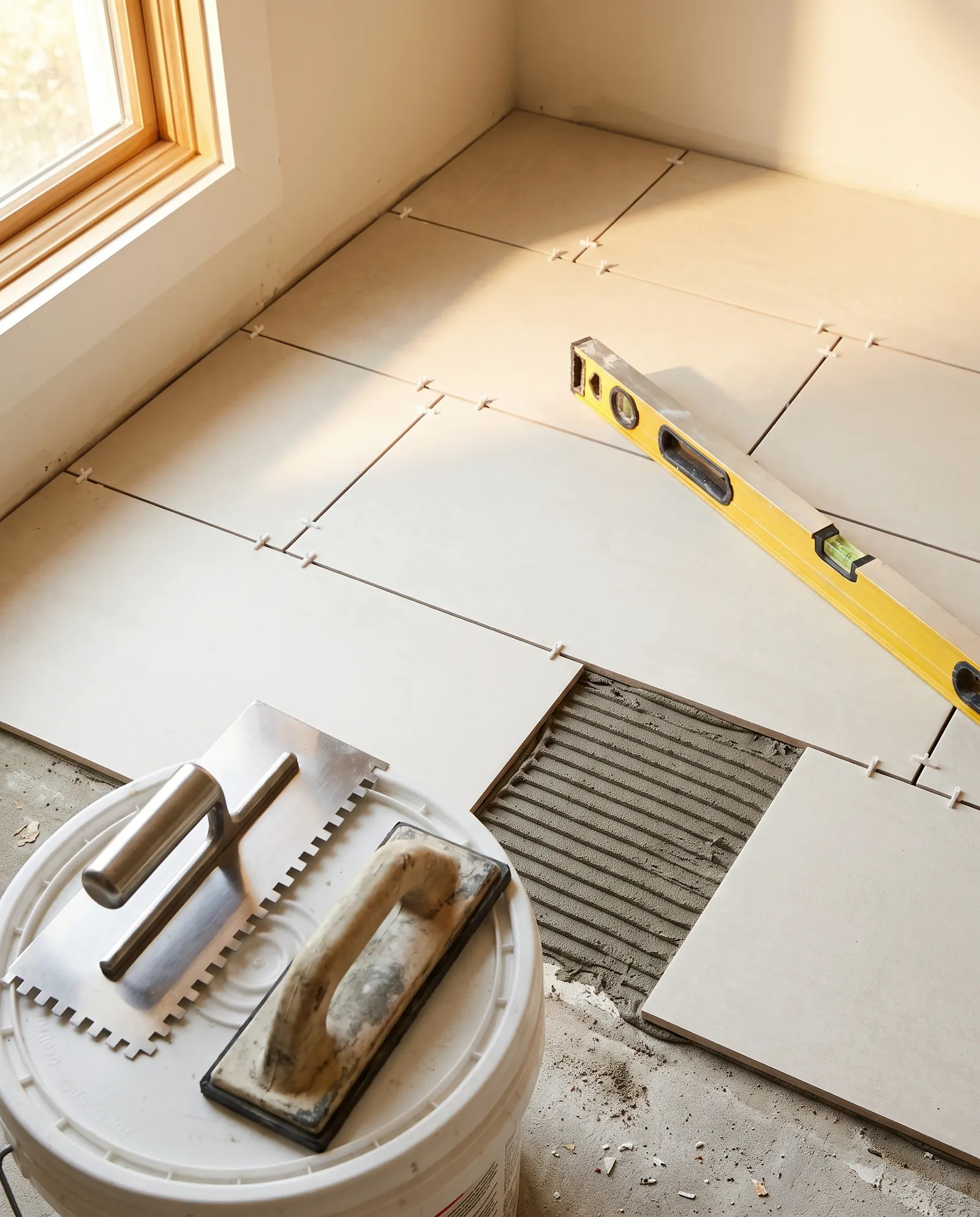
A textured, mid-tone porcelain handles sand and wet feet at the indoor-outdoor transition.
Entryways, patios, and outdoor tile
The spots that face the most sand and water are the front entry, mudroom, back patio, and any path from the yard to the house.
For these areas, look for:
- A textured or matte surface with good traction when wet
- Low water absorption, so damp air and salt don't soak in
- Medium tones that hide sand and dust between sweepings
- Tile rated for exterior use if it will be outside
Light, glossy tile looks lovely in a showroom but shows every footprint near the beach. A mid-tone, softly textured porcelain is far more forgiving.
Grout, sealing, and moisture protection
Grout is the weak link in many coastal floors. Cement-based grout is porous, so it can pick up stains, salt, and moisture over time.
Options worth discussing:
- Epoxy grout: very stain-resistant and low-porosity, often chosen for showers, kitchens, and high-traffic entries. It is less forgiving to install, so it benefits from experienced hands.
- High-performance cement grout: easier to work with and widely used. Seal it if the product calls for it.
- Grout color: medium gray, sand, or warm taupe hides dirt better than white.
In bathrooms and showers, moisture control matters most. The EPA's guide to mold and moisture explains why keeping materials dry and ventilated prevents mold growth. Practical takeaways for tile work include a proper waterproofing system behind shower tile, working exhaust fans, and caulk (not grout) at changes of plane such as corners and where tile meets a tub.
Prep and installation steps that prevent problems
Most tile failures trace back to what's under the tile. Here is the general sequence a careful installer follows:
- Inspect the substrate. Check for movement, soft spots, moisture, or old adhesive.
- Flatten and level. Uneven floors cause lippage (tile edges that sit at different heights) and cracked tile.
- Waterproof where needed. Showers, tub surrounds, and some exterior areas need a dedicated waterproofing layer.
- Use the right mortar. Large-format tile generally needs a mortar suited to its size and weight, with full coverage underneath.
- Plan layout and movement joints. Tile needs room to expand and contract, especially near sliding doors and sunny exposures.
- Grout and seal as specified. Follow the manufacturer's cure times before heavy use or sealing.
- Finish with flexible sealant at corners, edges, and transitions.

Careful layout and surface prep are what keep coastal tile flat, tight, and crack-free.
Keeping coastal tile looking good
A little routine goes a long way.
- Put a durable mat outside and one inside each beach-facing door.
- Sweep or vacuum before mopping, so sand isn't dragged across the surface.
- Use a pH-neutral cleaner; harsh acids can damage grout and some stones.
- Rinse outdoor tile with fresh water now and then to clear salt film.
- Re-seal natural stone and cement grout as the product instructions recommend.
- Wipe up standing water near thresholds and showers.
When to call a pro
Plenty of tile projects are reasonable DIY: a small backsplash, a simple bathroom floor in a flat, dry room, or replacing a few cracked tiles. With patience and the right tools, those are doable.
Bring in help when:
- The job involves a shower, tub surround, or any waterproofing
- The floor is uneven, bouncy, or has had water damage
- You're using large-format tile, natural stone, or intricate patterns
- Tile will run across an indoor-outdoor threshold or an exterior surface
- You're not sure what's under the old tile
For larger work, check how California handles contractor hiring through the CSLB's guide to hiring a contractor, and ask your city whether a project needs a permit. Our tile service team works throughout Manhattan Beach, and you can send a photo for a written quote if you'd like an honest read on your project.
FAQ
What is the ideal tile for a home near the beach?
Porcelain with a matte or lightly textured finish is a strong all-around choice. It resists water and abrasion, and the texture helps with traction when feet are wet or sandy.
Does salt air damage tile?
Dense tile such as porcelain generally handles salty air well. Porous materials like some natural stones can absorb moisture and salts, so they need sealing and regular care. Metal trim and fasteners are also worth choosing carefully.
Should I use epoxy grout?
It's a good option for showers, kitchens, and busy entries because it resists stains and moisture. It is trickier to install than standard grout, so it's often worth having an experienced installer handle it.
Can I tile over my existing floor?
Sometimes, but it depends on the condition and flatness of what's underneath, plus height changes at doors and cabinets. Loose, damp, or damaged surfaces should be dealt with first.
How do I keep sand from scratching my tile floors?
Use entry mats, sweep or vacuum regularly, and choose a harder, matte-finish tile. Avoid dragging sand around with a wet mop before it's swept up.
Sources
- California Contractors State License Board: Hire a Contractor
- Los Angeles Department of Building and Safety: Permits and Inspections
- U.S. EPA: A Brief Guide to Mold, Moisture, and Your Home
- Tile Council of North America
Safety note: work on electrical panels, gas, structure or anything that needs a permit should be done by a licensed contractor with the required permits.
STATOX Handyman Service · Send a photo · +1 (820) 200-4919
Keep reading
 tileCracked or Loose Tile: Causes and Fixes for LA HomesCracked tile repair Los Angeles homeowners can trust starts with finding the cause. Learn what makes tile crack or loosen and what actually fixes it.
 tileDIY or Hire a Pro for Tile Work? How to Decide in LAWeighing DIY tile vs hiring a pro in Los Angeles? Use this plain-language guide to match the job, your tools, and your patience before you start.
 tilePorcelain vs Ceramic Tile: Which Fits a Los Angeles Home?Porcelain vs ceramic tile for Los Angeles homes: how they differ in water, wear, and install, and which suits your floor, shower, or backsplash. Read first.