Tile Repair and Updates in Older Pacific Palisades Homes
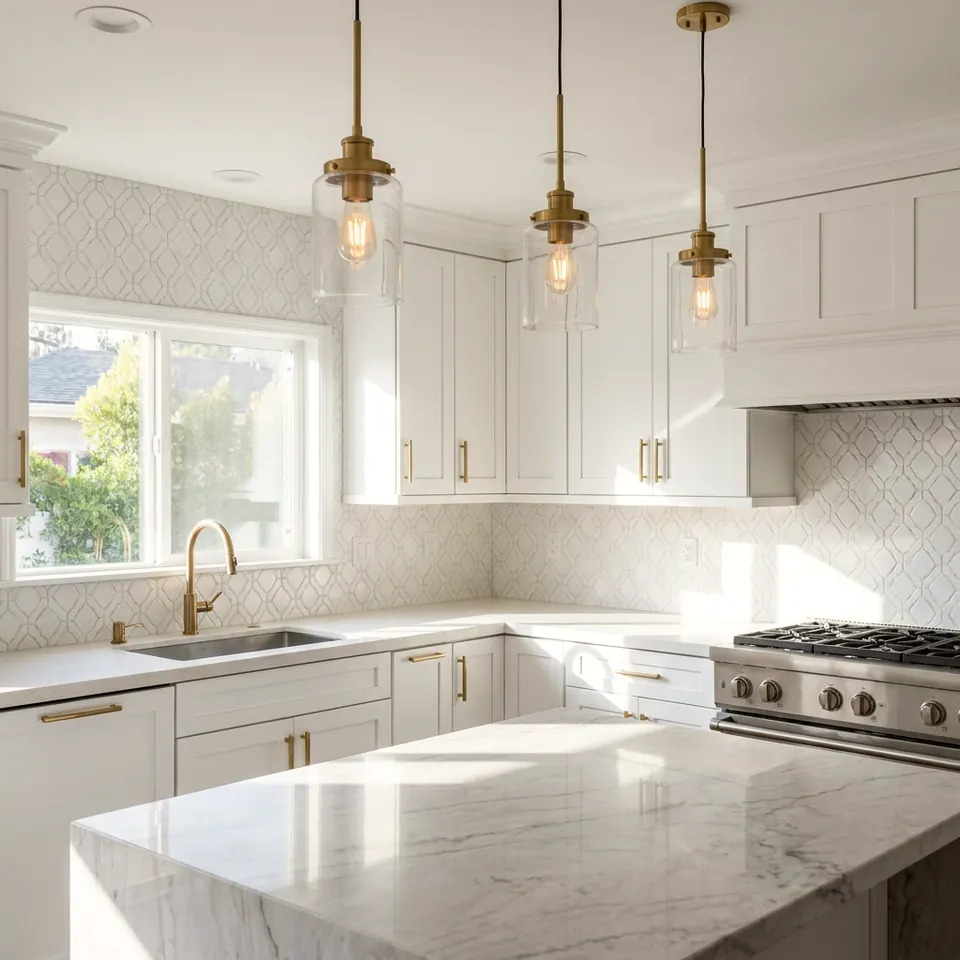
If you own an older home in the Palisades, most tile problems come down to three things: cracked or hollow tiles, failing grout and caulk, and hidden moisture behind the surface. Small cracks and worn grout are often repairable without a full tear-out. Soft spots, loose wall tile, or stains that return mean water is involved, and that needs to be solved before anything new goes on top. This guide shows how to tell the difference for tile repair in Pacific Palisades homes.
Why older Palisades homes have their own tile issues
Many homes in the neighborhood were built decades ago, and their tile reflects the methods of the time. Walls may be tile set over thick mortar beds, or over older backer materials that were never meant to stay wet. Floors may sit on wood framing that has flexed over the years.
Hillside lots add another factor. Homes on slopes and older foundations can shift slightly over time, and tile is rigid. It does not bend, so it tends to show movement first, usually as a hairline crack that follows a grout line or runs across several tiles in a row.
Other common patterns in older houses:
- Original bathroom tile with grout that has gone chalky or dark.
- Kitchen backsplashes installed with old adhesive that has let go in spots.
- Entry and patio tile exposed to sun, ocean air, and temperature swings.
- Past patch jobs where replacement tile does not match the original color or size.
None of this means your tile is a lost cause. It means you should inspect before deciding between a repair and an update.
How to inspect your tile before you decide
A careful 15-minute walk-through tells you more than a quick glance. Use a flashlight held low and sideways to the surface, which makes uneven tiles and hairline cracks easier to see.
- Tap test. Gently tap tiles with a coin or the handle of a screwdriver. A solid, sharp sound is good. A hollow or drummy sound means the tile has lost its bond.
- Look at the grout. Note cracking, crumbling, missing sections, or stains that scrub off and come back.
- Check the caulk. Corners, tub edges, and where tile meets a countertop should be flexible caulk, not hard grout. Peeling or blackened caulk lets water in.
- Press on walls. In showers, press gently on tile near the floor and around the valve. Any give or softness is a warning sign.
- Check below and behind. Look in cabinets under sinks, in adjacent rooms, and at ceilings below a bathroom for stains or bubbling paint.
- Photograph everything. Pictures help you track changes and make a written quote easier later.
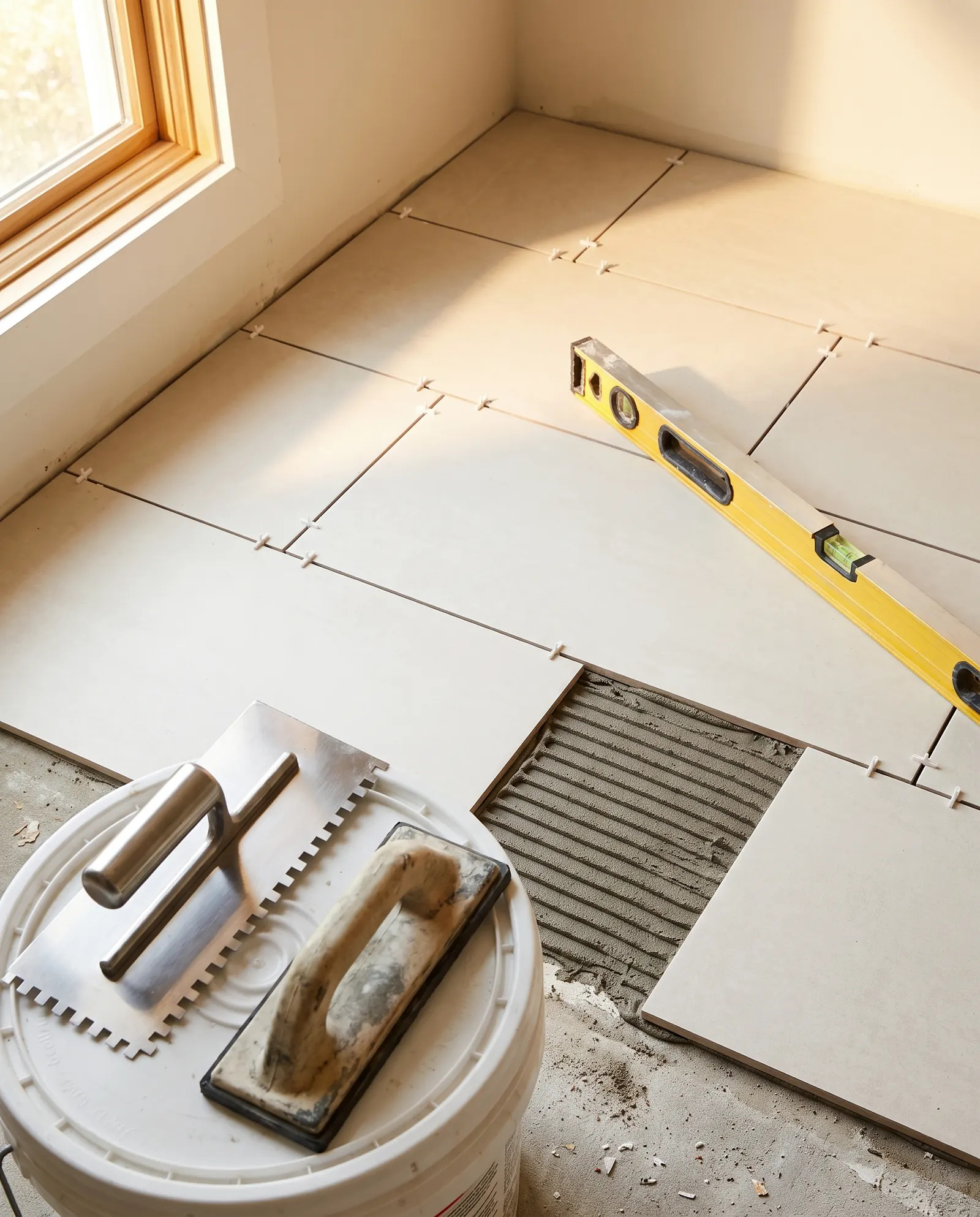
A simple tap test often reveals loose tile long before it cracks.
Repair or replace: what usually makes sense
Not every problem needs the same fix. This table compares the common situations.
| Problem | Typical sign | Usual approach |
|---|---|---|
| Worn grout | Cracks, powdery texture, staining | Remove old grout and regrout |
| Failed caulk | Gaps, peeling, black spots | Remove and replace with fresh flexible caulk |
| Single cracked tile | One tile cracked, others solid | Remove and replace that tile |
| Several hollow tiles | Drummy sound in a section | Lift that area and reset tile |
| Soft wall or floor | Give underfoot or on the wall | Open the area, find the moisture source, rebuild the substrate |
| Dated look, solid install | Sound tile, outdated color | Update with new fixtures, grout color, or targeted replacement |
The main rule: fix the cause, not just the surface. New grout over a leaking shower valve will fail again, and so will a new tile over a damp floor.
Matching old tile, or choosing to update
Replacing one tile in an older home is often harder than it sounds. Vintage tile sizes and glazes may no longer be made, and even a close match can look different next to decades-old neighbors.
You have a few options:
- Salvage. Sometimes tile from a closet, behind an appliance, or a hidden wall area can be reused for repairs.
- Blend. Choose a similar tone and size, and keep the repair small and tidy.
- Accent. Turn a patched area into a deliberate feature, such as a border or a contrasting inset.
- Update the whole surface. If matching is unrealistic, redoing a full wall or floor can look cleaner than several patches.
Updates do not have to be dramatic. Fresh grout in a color that suits the tile, new caulk, and a swapped faucet or vanity can change a room while keeping original tile that is still in good shape.
Moisture, mold, and what is behind the tile
Water is the main reason tile repairs go from small to large. When grout or caulk fails, moisture can reach the layers behind the tile, where you cannot see it. The EPA's guidance on mold and moisture explains that controlling moisture is the key to preventing mold growth, and that anything that stays wet should be dried and fixed promptly.
Warning signs to take seriously:
- A musty smell in a bathroom that does not go away after cleaning.
- Tile that feels loose near the tub, shower pan, or floor drain.
- Paint bubbling or staining on walls next to a shower.
- Grout lines that stay dark even after drying.
If you notice these, stop cosmetic work and find the source first. Opening a small section is often the only reliable way to see what is going on.

Careful grout removal protects the surrounding tile and gives new grout a clean joint to bond to.
When to call a pro
Some jobs suit a patient homeowner. Cleaning grout, applying new caulk, and replacing a single loose backsplash tile are realistic DIY projects if the wall behind is dry and solid.
Call a pro when:
- Tiles sound hollow across a section, not just one spot.
- The floor or wall feels soft, or you see staining below or beside it.
- Cracks run across multiple tiles or keep returning, which may indicate movement.
- You need to match older tile and want a plan for salvage and layout.
- The work involves a shower, which depends on correct slope, waterproofing, and sealing.
- Plumbing, framing, or electrical needs to be moved or opened.
Larger remodels may involve permits, so it is smart to check requirements through the City of Los Angeles Department of Building and Safety before work begins. If you hire anyone, the California Contractors State License Board offers guidance on hiring a contractor and what to confirm first.
Our tile service covers repair, regrouting, and replacement for homes across Pacific Palisades. If you are unsure what you are looking at, you can send a photo for a written quote and describe the problem in a few lines.
FAQ
Can I just regrout instead of replacing old tile?
If the tile is solid and only the grout is worn, regrouting is often enough. Remove the old grout to a consistent depth first, then apply new grout. Hollow or cracked tile needs more than regrouting.
Why does my tile keep cracking along the same line?
Repeated cracks along one line usually point to movement or an uneven base underneath. Replacing the tile alone will not stop it. The cause needs to be identified first.
How do I know if there is water behind my shower tile?
Look for soft spots, loose tile, stains on nearby walls, and a lingering musty smell. If you see these, have the area checked before doing cosmetic repairs.
Will new tile match my original tile?
Rarely an exact match. Salvaging spare tile, blending a close option, or turning the repair into a design accent are the common solutions.
Should I seal grout in an older bathroom?
Cement-based grout is porous, and sealing can help it resist staining and moisture. Check the grout manufacturer's directions for timing and product type, and remember that sealer does not replace working caulk or sound waterproofing.
Sources
- California Contractors State License Board: Hire a Contractor
- Los Angeles Department of Building and Safety: Permits and Inspections
- EPA: A Brief Guide to Mold, Moisture, and Your Home
- Tile Council of North America
Safety note: work on electrical panels, gas, structure or anything that needs a permit should be done by a licensed contractor with the required permits.
STATOX Handyman Service · Send a photo · +1 (820) 200-4919
Keep reading
 tileCracked or Loose Tile: Causes and Fixes for LA HomesCracked tile repair Los Angeles homeowners can trust starts with finding the cause. Learn what makes tile crack or loosen and what actually fixes it.
 tileDIY or Hire a Pro for Tile Work? How to Decide in LAWeighing DIY tile vs hiring a pro in Los Angeles? Use this plain-language guide to match the job, your tools, and your patience before you start.
 tilePorcelain vs Ceramic Tile: Which Fits a Los Angeles Home?Porcelain vs ceramic tile for Los Angeles homes: how they differ in water, wear, and install, and which suits your floor, shower, or backsplash. Read first.